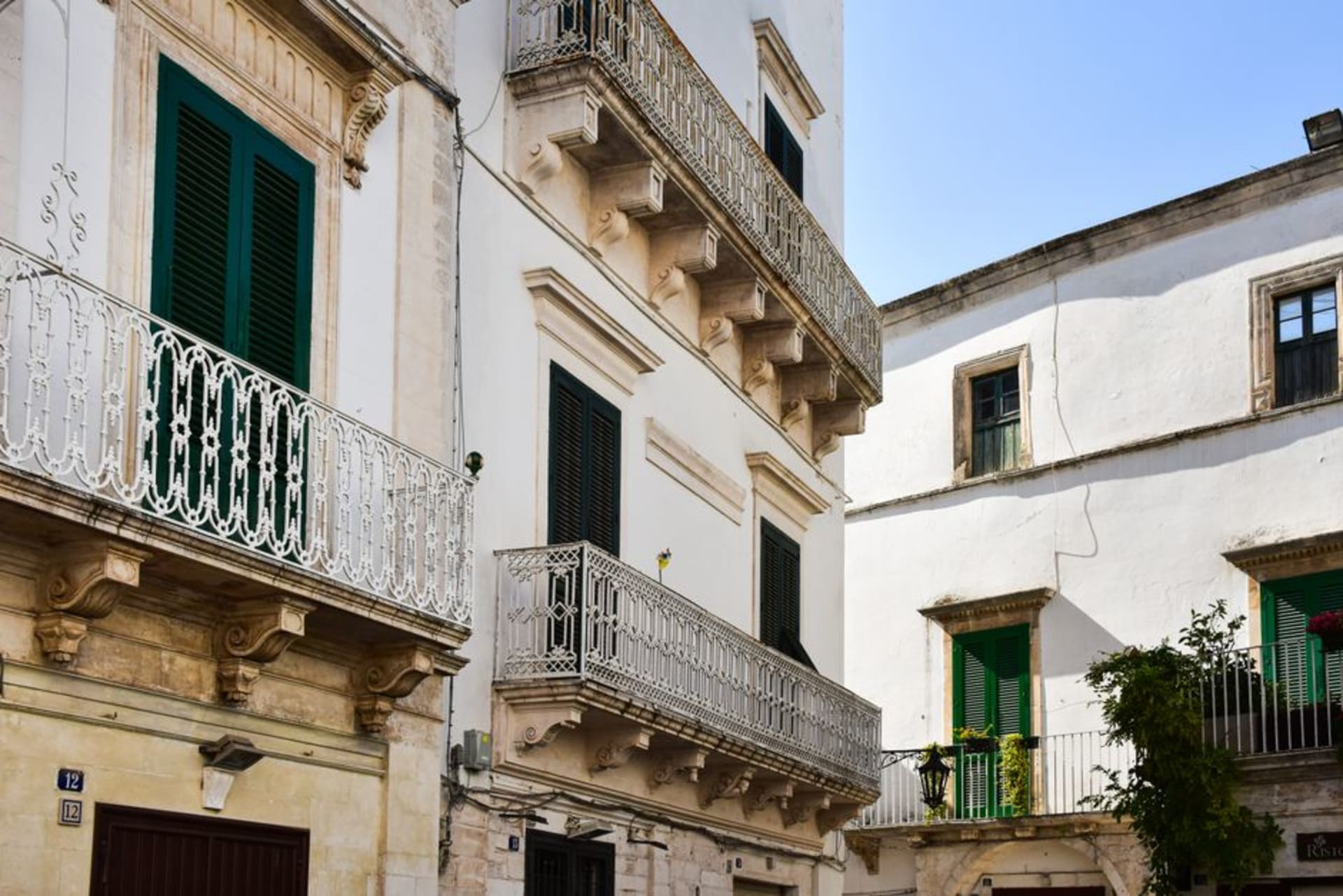
Putignano
"Putignano's Carnival starts the day after Christmas — by the time most of Europe's carnivals begin, this one is already two months in."
A Murgia hill town famous for having the longest Carnival in Europe, and for the rest of the year, an underground network of caves running beneath its own historic centre.
I had heard about Putignano’s Carnival before I had heard about Putignano itself, which is a strange way to encounter a town — the festival’s reputation had traveled further than the place hosting it. It is, by most accounts, the oldest Carnival tradition in Europe, dating documented origins back to 1394, and it runs absurdly long: the celebrations begin on December 26th, Santo Stefano, and continue in stages through to Shrove Tuesday, which means Putignano is, in some sense, always slightly in Carnival mode for two months of the winter. We visited in late summer, off-season for all of that, and had to imagine the floats and the satirical papier-mâché giants from the empty workshops where they’re built.
What we found instead, without expecting it, was Putignano Sotterranea — a network of caves and tunnels running directly beneath the historic centro storico, carved out over centuries and used variously as cisterns, ice houses, and shelter. A local guide took us down a staircase from an unassuming door off a side street and suddenly we were underneath the town we had just been walking through, in chambers that stayed cool through even the hottest part of the day above. It felt like Castellana’s caves in miniature, except stitched directly into the fabric of a functioning town rather than a standalone geological attraction.
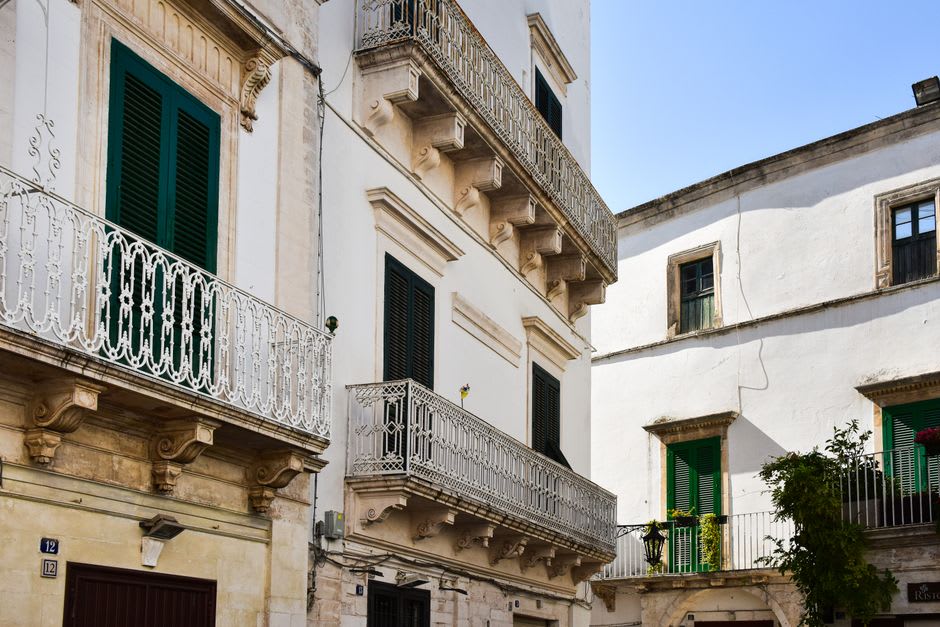
Above ground, the old town has the layered, slightly worn charm of a place that isn’t performing for anyone in July — the Chiesa Madre with its rose window, narrow lanes draped in the occasional string of leftover festival bunting, a scattering of cafés where old men played cards at a pace that suggested nobody had anywhere else to be. We ate lunch on a terrace overlooking the main corso, orecchiette again — you eat a lot of orecchiette in this part of Puglia and I never once minded — with a local red that the waiter poured generously and undercharged us for, twice.
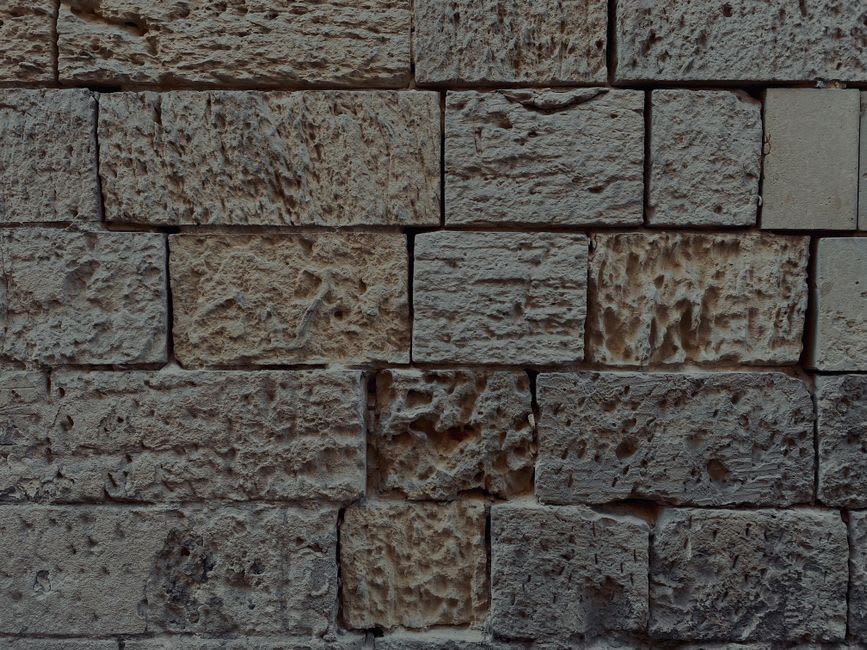
I left thinking that a town this committed to a single tradition — building an entire cultural identity and calendar around two months of satire and parade — deserves credit even when you miss the thing itself. We’ll go back for the Carnival one year. Lia has already suggested it twice.
When to go: For the Carnival itself, arrive between late January and Shrove Tuesday, when the parades and the giant papier-mâché floats are in full swing. Outside that window, summer works fine for the underground caves and the quieter version of the town.