Punta Prosciutto
"I have been told, more than once and always in a lowered voice, that Punta Prosciutto is better than Sardinia — and I am no longer sure they're wrong."
A stretch of low dunes and shallow turquoise water on the Ionian coast that Puglians will tell you, quietly, is better than anything in Sardinia.
A friend in Taranto told me about Punta Prosciutto the way people tell you about a good local secret — quietly, almost reluctantly, as though saying it too loudly might ruin something. “Better than the Maldives,” he said, and I assumed this was regional pride talking until I actually stood at the edge of the water and understood what he meant. The sea here is shallow for a long way out, pale turquoise over white sand, and it holds that color with an intensity that made me keep checking whether it was some trick of the light rather than an actual property of the water.
The beach itself is backed by low dunes covered in juniper and Mediterranean scrub rather than the hotel developments that line so much of Italy’s coast, part of a protected area that has, so far, kept the worst of the concrete away. Wooden walkways cross the dunes to protect the fragile vegetation, and walking them at midday, heat rising visibly off the sand, felt like approaching something that had been deliberately preserved rather than merely undeveloped by accident.
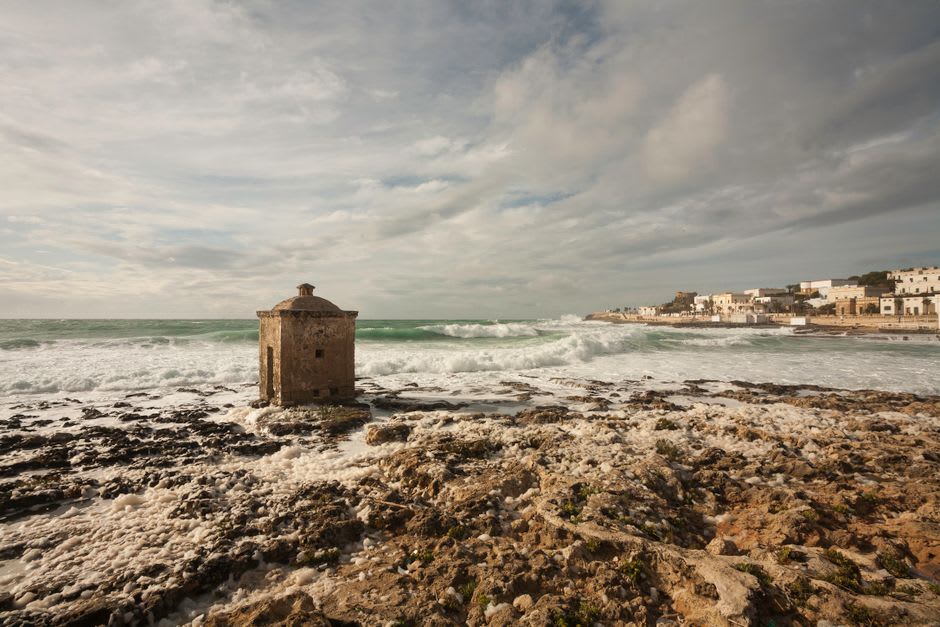
I rented a spot at one of the handful of beach clubs that operate here in summer, though the free public stretches are just as good if you’re willing to carry your own umbrella and don’t mind a longer walk from the parking areas. Lia and I waded out nearly a hundred meters before the water reached our shoulders, small fish visible around our ankles the whole way, the sandy bottom rippled by the current into shallow ridges you could feel underfoot. Kitesurfers worked the wind further along the coast toward Porto Cesareo, their sails bright against the pale water, while closer in, families anchored inflatable boats in water barely deep enough to float them.
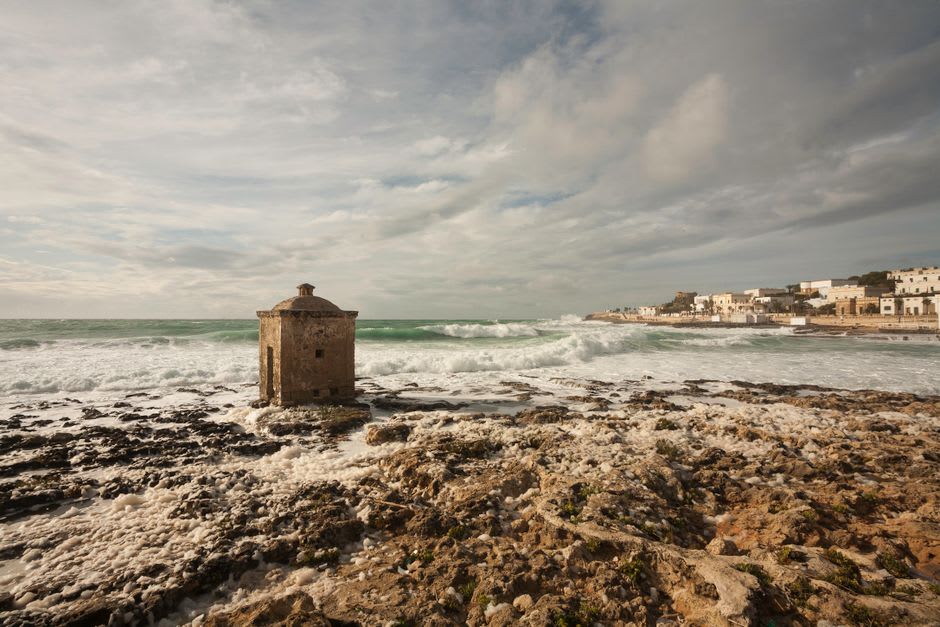
There is essentially no town here, which is part of the appeal and part of the logistics problem — you come for the day or you stay in Porto Cesareo or one of the small towns inland and drive in. We ate lunch from a beach kiosk, simple panini and cold beer, and stayed until the light went long and gold and the crowds thinned to a scattering of people determined to watch the sunset from the water itself.
When to go: June and September offer the water and weather without the July-August crush, when parking becomes the real obstacle. Arrive early if you’re visiting in peak season — by mid-morning in August, the access roads and small lots fill up fast.
Keep exploring
More from Puglia
 puglia
 Putignano
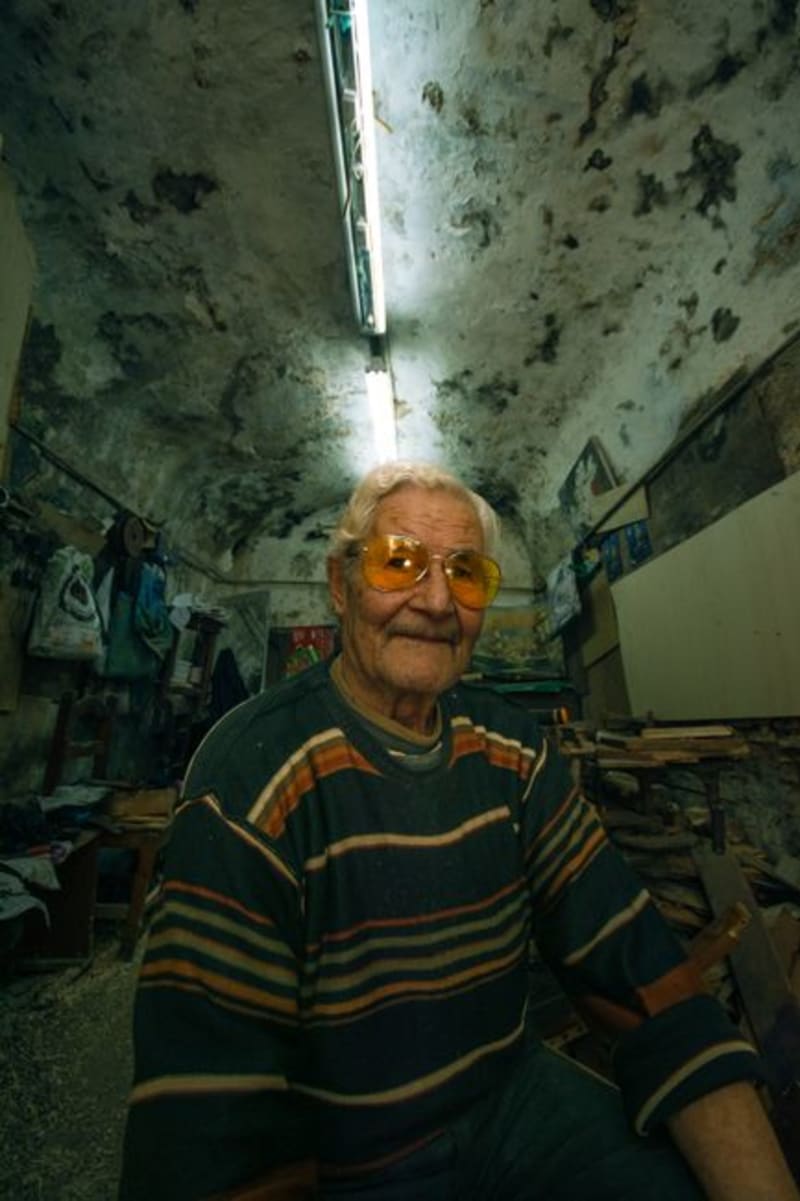
A Murgia hill town famous for having the longest Carnival in Europe, and for the rest of the year, an underground network of caves running beneath its own historic centre.
Explore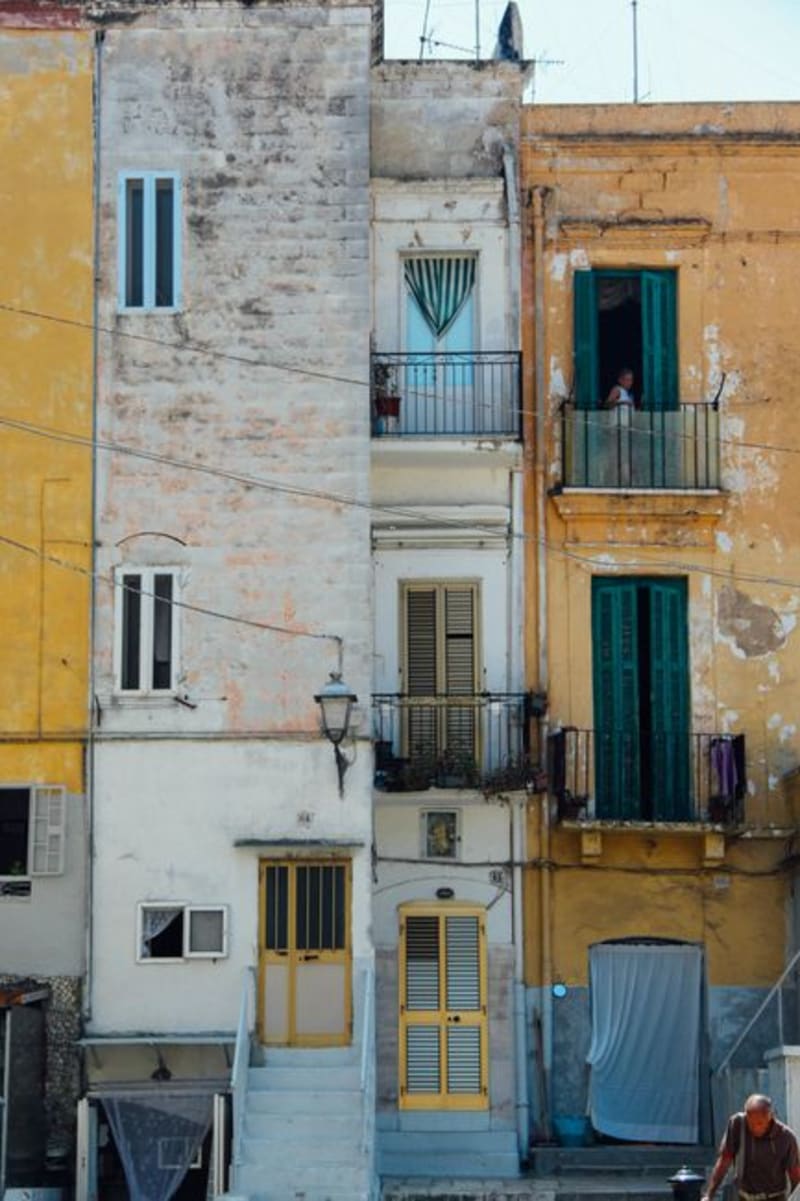 puglia
 Rodi Garganico
A quiet citrus-scented port town on the Gargano's northern coast, its old quarter perched on a small headland above the ferry docks to the Tremiti Islands.
Explore puglia
 Rutigliano
A Terra di Bari countryside town famous for its terracotta whistles and ceramics tradition, surrounded by vineyards and almond groves that come alive every August for the harvest festival.
Explore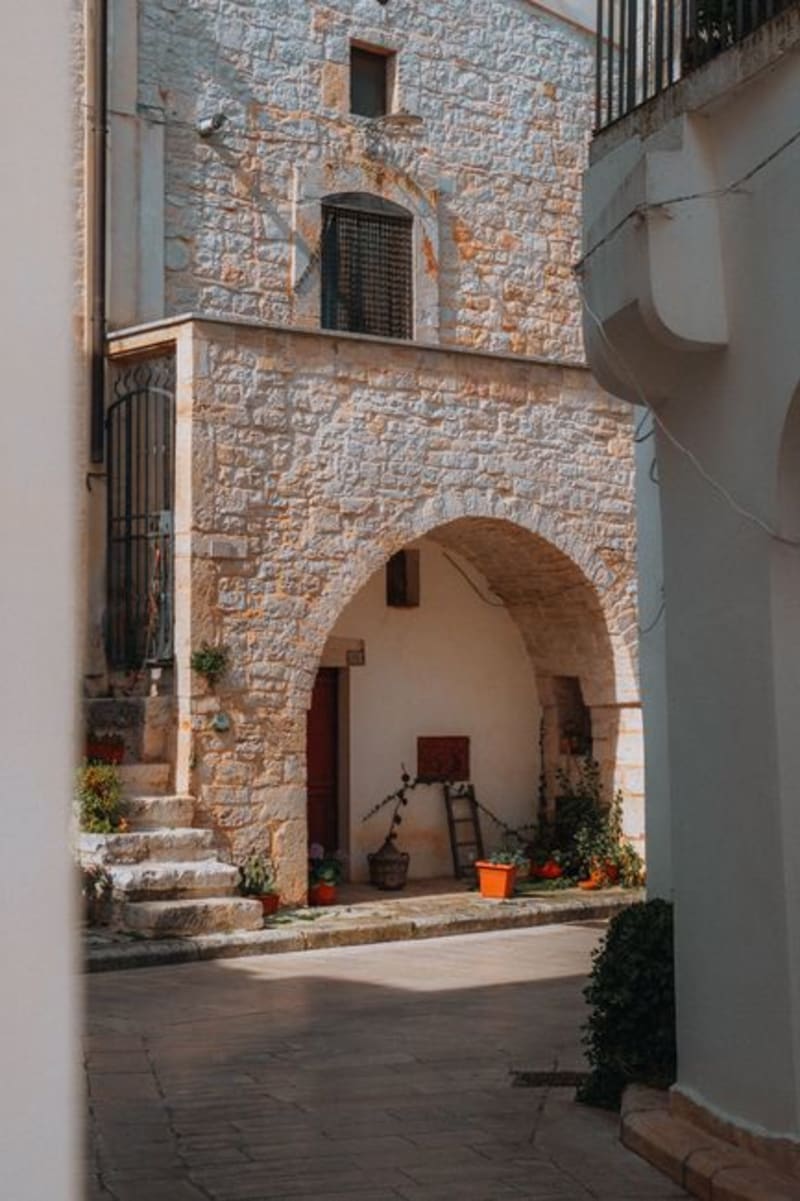 puglia
 Ruvo di Puglia
A quiet Murge hill town famous for the red-figure vases its ancient necropolis produced by the thousand, and a cathedral rose window that outclasses towns ten times its size.
Explore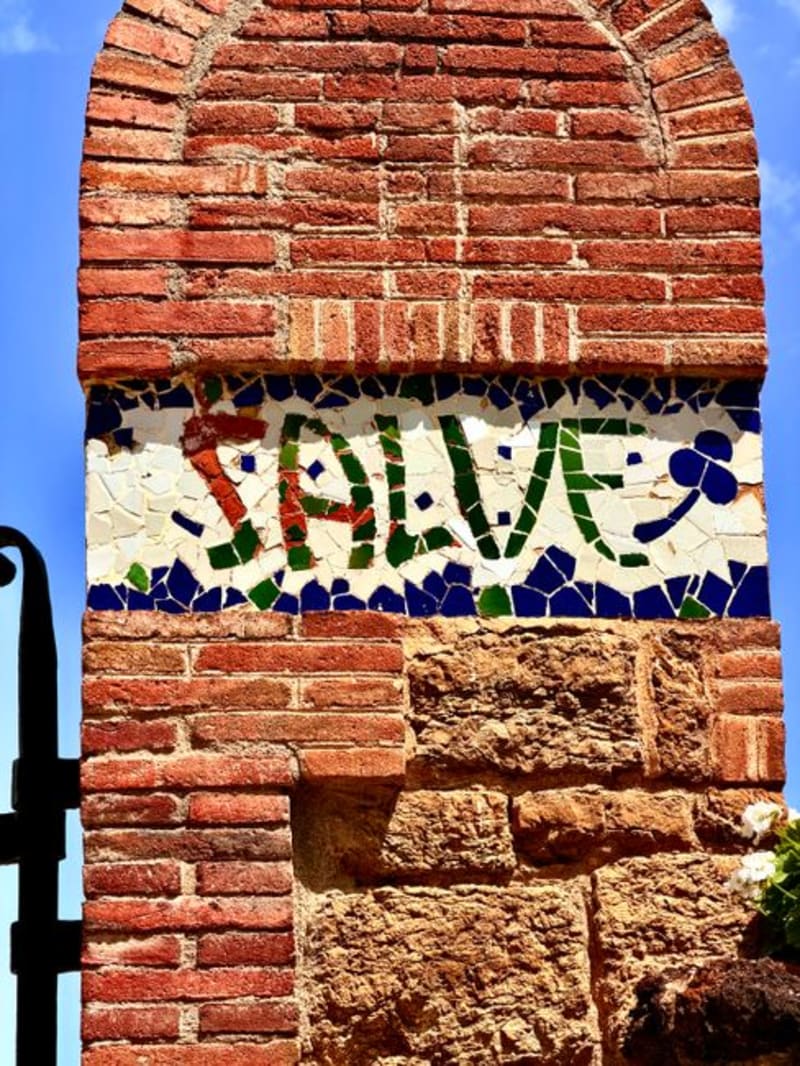 puglia
 Salve
A small inland Salento town whose territory reaches the Ionian at Pescoluse and Torre Pali, offering a quieter home base than the coast itself.
Explore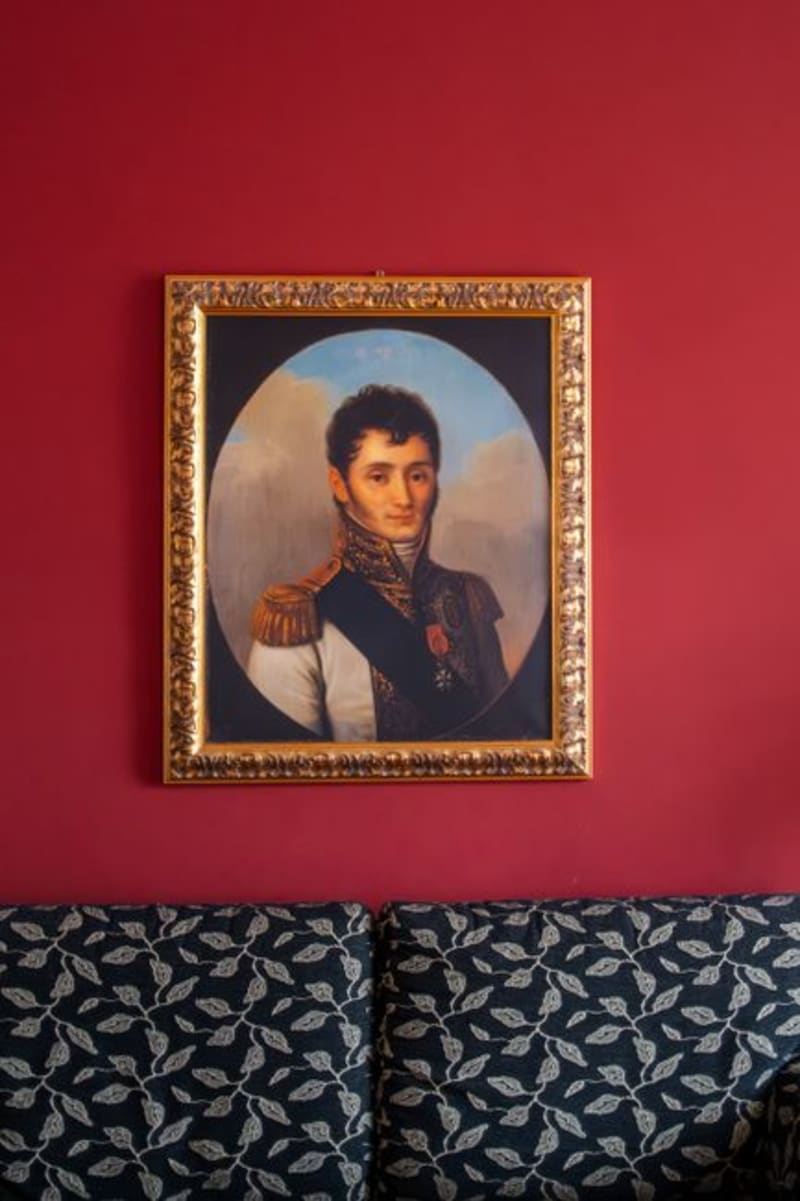 puglia
 Sammichele di Bari
A small fortified countryside town on the edge of the Murgia plateau, known for its Baroque gate, its capocollo cured meat, and the quiet farmland that surrounds it on every side.
Explore