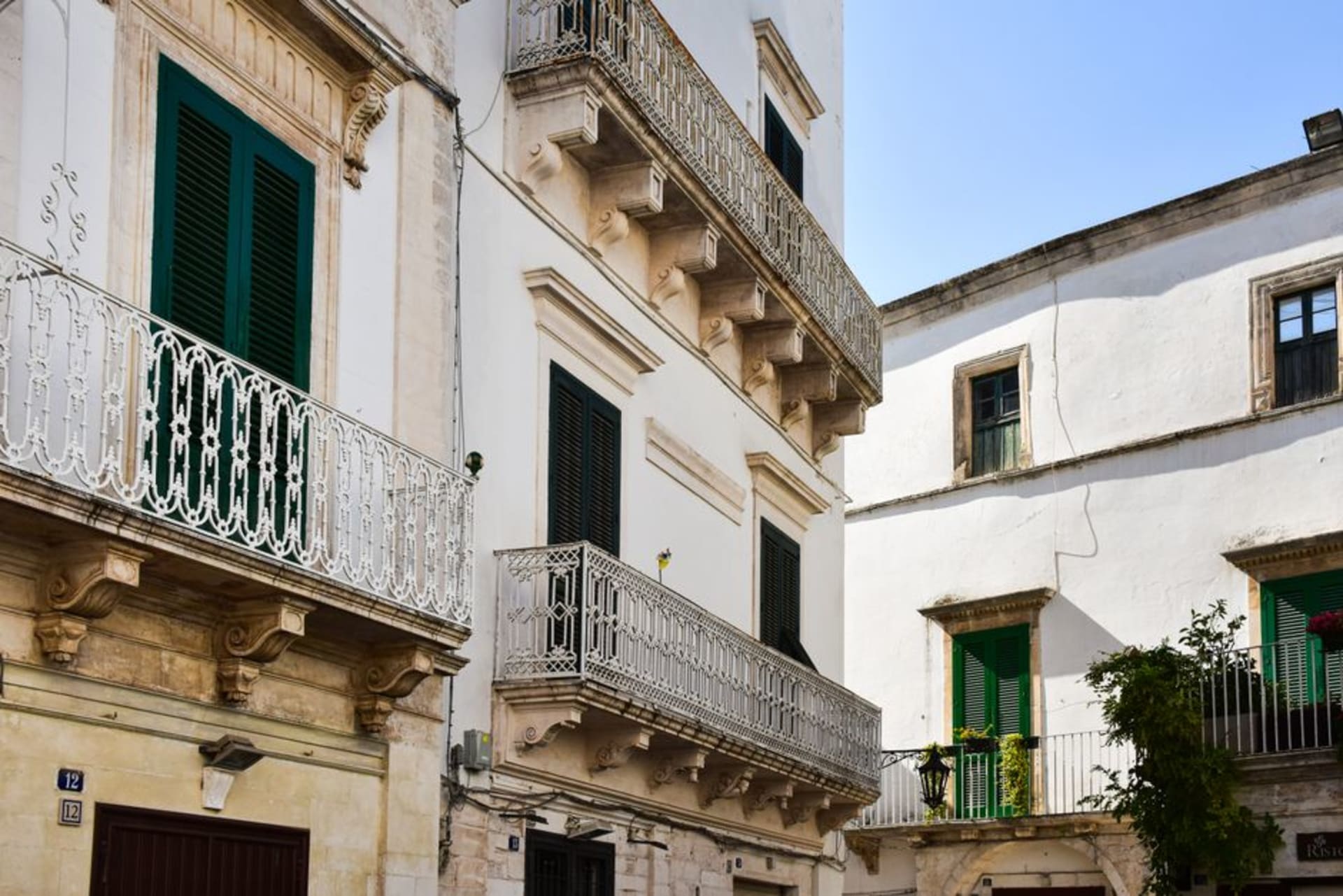
Mesagne
"Mesagne sits at the exact point where Brindisi's wine country stops being industrial and starts being personal, one small cantina at a time."
A castle town on the Salento wine road where Negroamaro and Malvasia flow from cantine older than anyone in town can date with certainty.
Mesagne is easy to drive past on the way between Brindisi and the more famous wine towns further south, and for years apparently that is exactly what most people did, until a wave of small independent wineries began reclaiming vineyards that had been sold off to bulk cooperatives in past decades. A sommelier we met in Ostuni described Mesagne as the town where Brindisi DOC wine — a broad appellation covering both Negroamaro-based reds and rosati alongside Malvasia Bianca whites — is finally being made with the attention the grapes deserve rather than shipped out anonymously by the tanker load.
We spent an afternoon at a family estate just outside the old town where three generations were, at different points, all working the same harvest — the grandfather sorting fruit by hand at a wooden table under an awning, his granddaughter running lab tests on sugar levels in a converted outbuilding a few metres away. The Negroamaro they poured for us had a brambly, slightly rustic character, less refined than some of the Salento reds further south but built with a kind of stubborn honesty that felt true to the whole visit. The Malvasia, by contrast, was floral and easy, served chilled, and gone from the bottle faster than either of us intended.
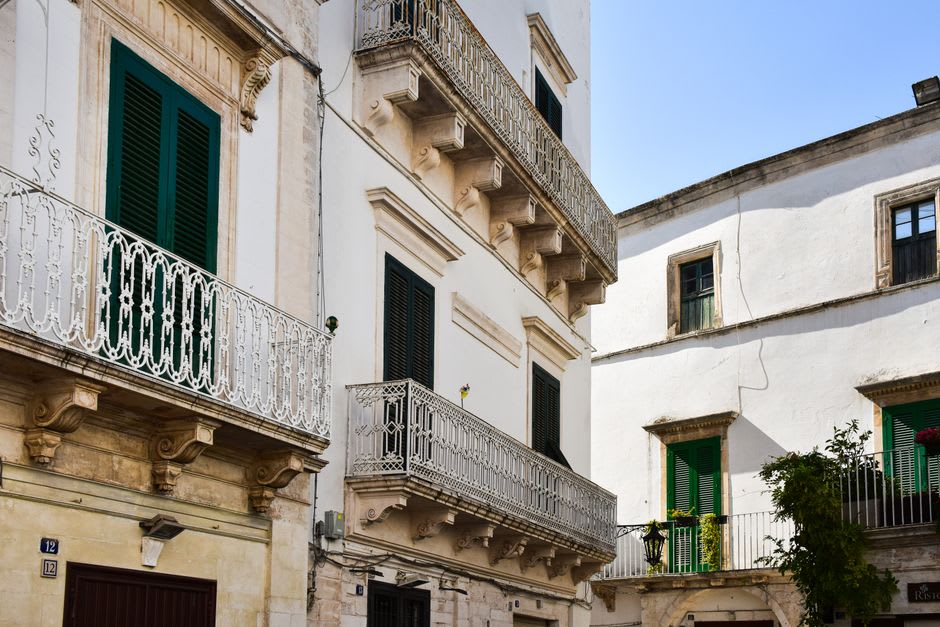
The old town itself centres on a Norman-Swabian castle, later expanded under Angevin and Aragonese rule into the layered fortress that stands today, its walls enclosing a historic quarter of narrow lanes that locals still refer to by medieval names. We wandered it at dusk after the tasting, slightly unsteady, and found a small osteria serving orecchiette with a rustic tomato and horse meat ragù — a dish more associated with the Murgia further inland but apparently also claimed locally — alongside a carafe of the same Negroamaro we had tasted that afternoon, sold for almost nothing because the restaurant bought it directly from the estate a few kilometres away.
What stayed with me about Mesagne was the shortness of the distance between vineyard, glass, and plate — nothing we drank or ate that day had travelled further than a few kilometres, and the whole visit had the particular satisfaction of watching a local economy work exactly the way it is supposed to, with almost none of the polish that tourism eventually adds to places that get discovered.
When to go: September for harvest, when the small estates are at their most active and welcoming to visitors. The old town and castle are pleasant year-round, quiet even in high summer.