Marina di Ostuni
"Everyone photographs Ostuni from below, looking up at the white town. Nobody mentions the coast is just as good."
The pine-backed Adriatic coastline below the white hill town of Ostuni — a string of beach clubs, quiet coves, and dune trails through the Regionale Dune Costiere park.
Everyone who comes to Ostuni photographs the hill town from the road below — that famous shot of whitewashed houses stacked up against the sky — and then drives straight past the coast eight kilometres away without stopping. We made the mistake of doing exactly that on our first visit, and corrected it on the second, spending two full days on the strip of Adriatic shoreline that belongs to Ostuni’s comune but rarely makes it into the same photographs as the town.
The coast here runs through the Parco Naturale Regionale Dune Costiere, a protected strip of dune, pine forest, and Mediterranean scrub stretching roughly from Torre Pozzelle down toward Ostuni’s marina proper. Sandy paths wind through umbrella pines planted in the early twentieth century to stabilize the dunes, and the walk from the parking areas down to the water has a hushed, resinous quality — cicadas, pine needles underfoot, glimpses of turquoise through the trees before the beach itself opens up.
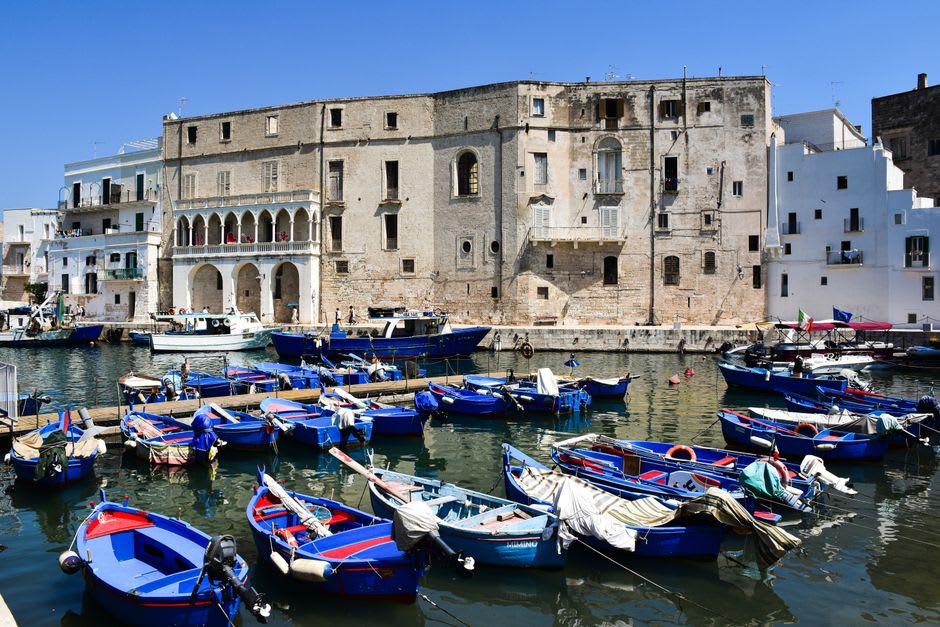
The beach itself alternates between organized lidos with sunbeds and small free stretches accessible only on foot through the park, and we gravitated toward the latter — a short walk for a lot more quiet. The water is shallow for a long way out over pale sand, warming quickly in the sun, good for the kind of unambitious floating-around swimming that doesn’t require much commitment. Torre Pozzelle, one of the old coastal watchtowers dotted along this stretch, marks a particularly good access point, with rock pools nearby worth poking around in at low tide.
In the evening we drove back up the switchback road into Ostuni itself for dinner, which felt like the correct order of operations — beach by day, the glowing white town by golden hour, the two halves of the same destination working better as a pair than either does alone. The masseria culture inland from here, converted olive farms turned restaurants and small hotels, rounds out what is a genuinely well-balanced base: sea, hill town, and countryside within a twenty-minute drive of each other.
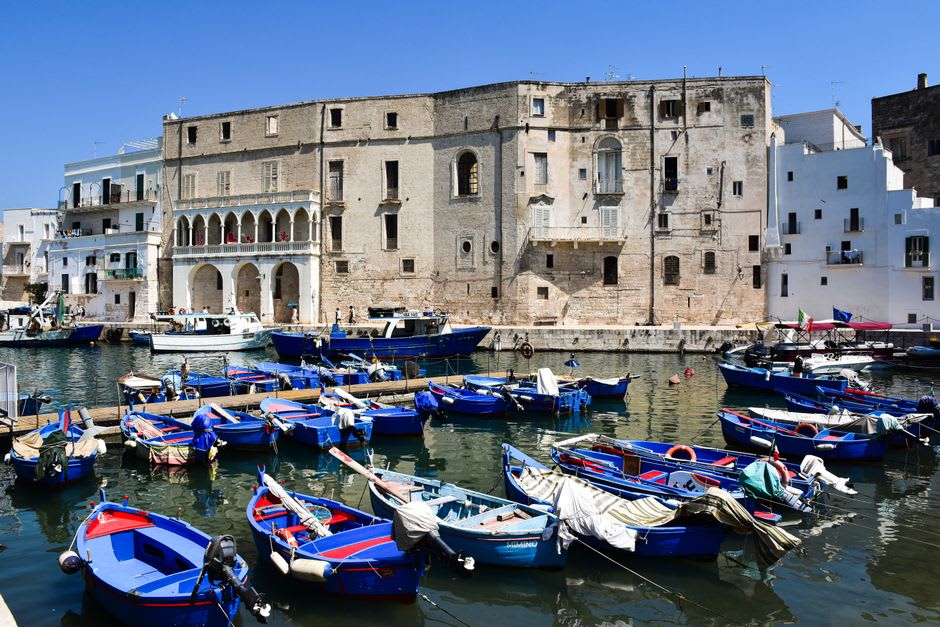
When to go: June and September for the best balance of warm water and manageable crowds on the free beaches; July and August get busy at the main lidos but the dune park’s quieter corners still offer some relief if you’re willing to walk a bit further.
Keep exploring
More from Puglia
 puglia
 Martina Franca
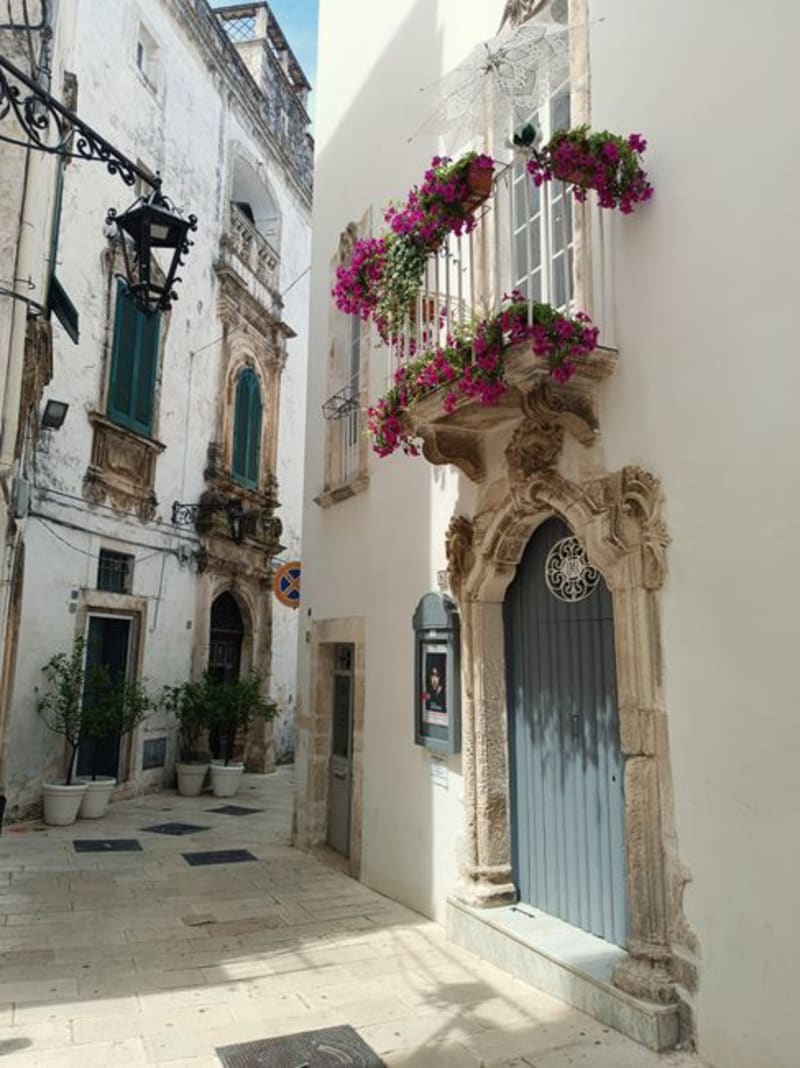
A Baroque hill town at the edge of the Valle d'Itria where the old centro is all curling stone facades, and the capocollo is the best cured meat I have eaten in Italy.
Explore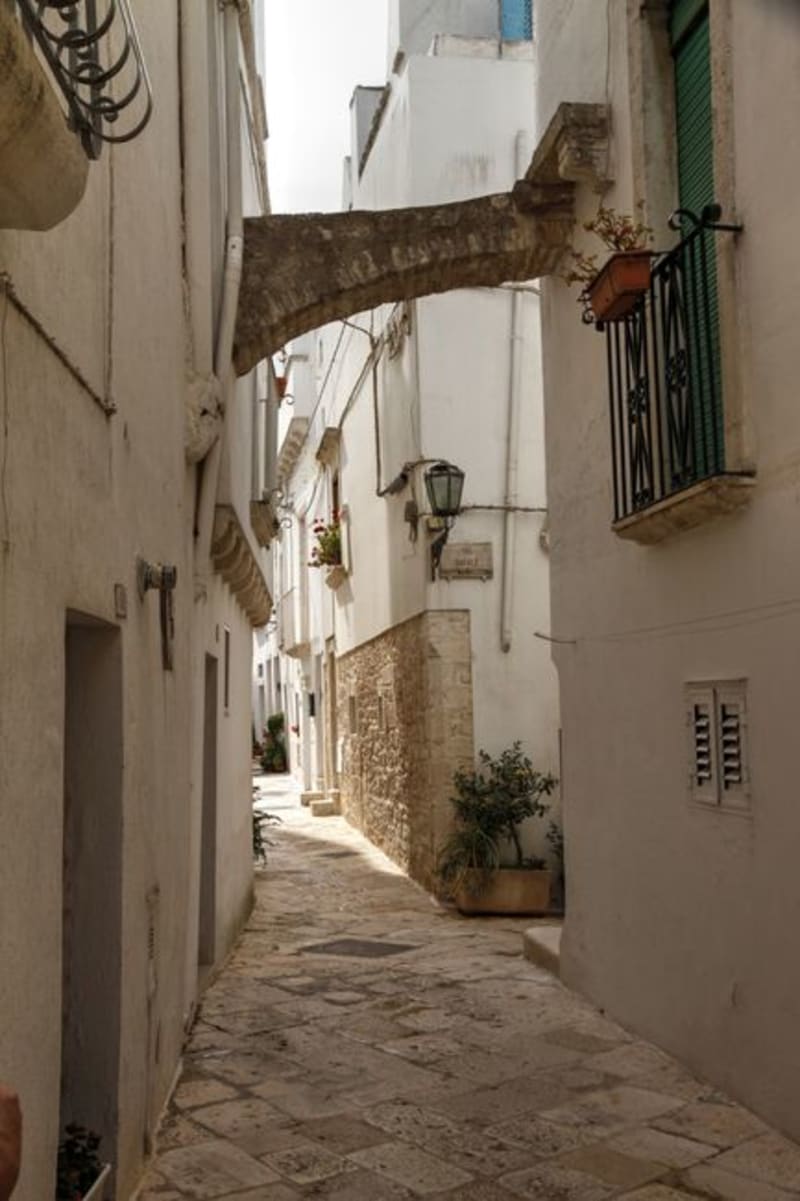 puglia
 Maruggio
An inland Ionian town whose seaside frazione, San Pietro in Bevagna, holds a working tonnara history and some of the least crowded beaches on this coast.
Explore puglia
 Massafra
A town split by a ravine full of cave churches and rock-cut hermitages, where the Gravina della Madonna della Scala drops straight through the middle of ordinary daily life.
Explore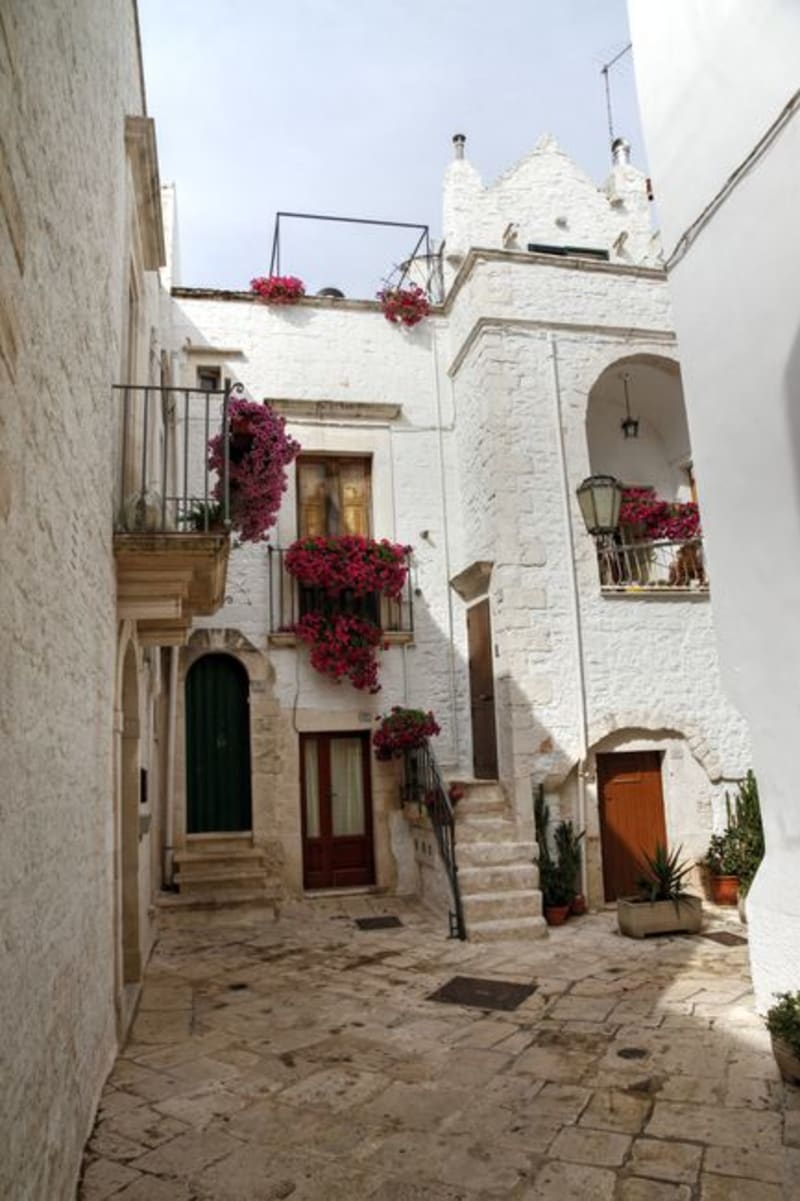 puglia
 Mattinata
A whitewashed farming town below the Gargano's highest cliffs, gateway to the Baia delle Zagare and some of the peninsula's least crowded coastline.
Explore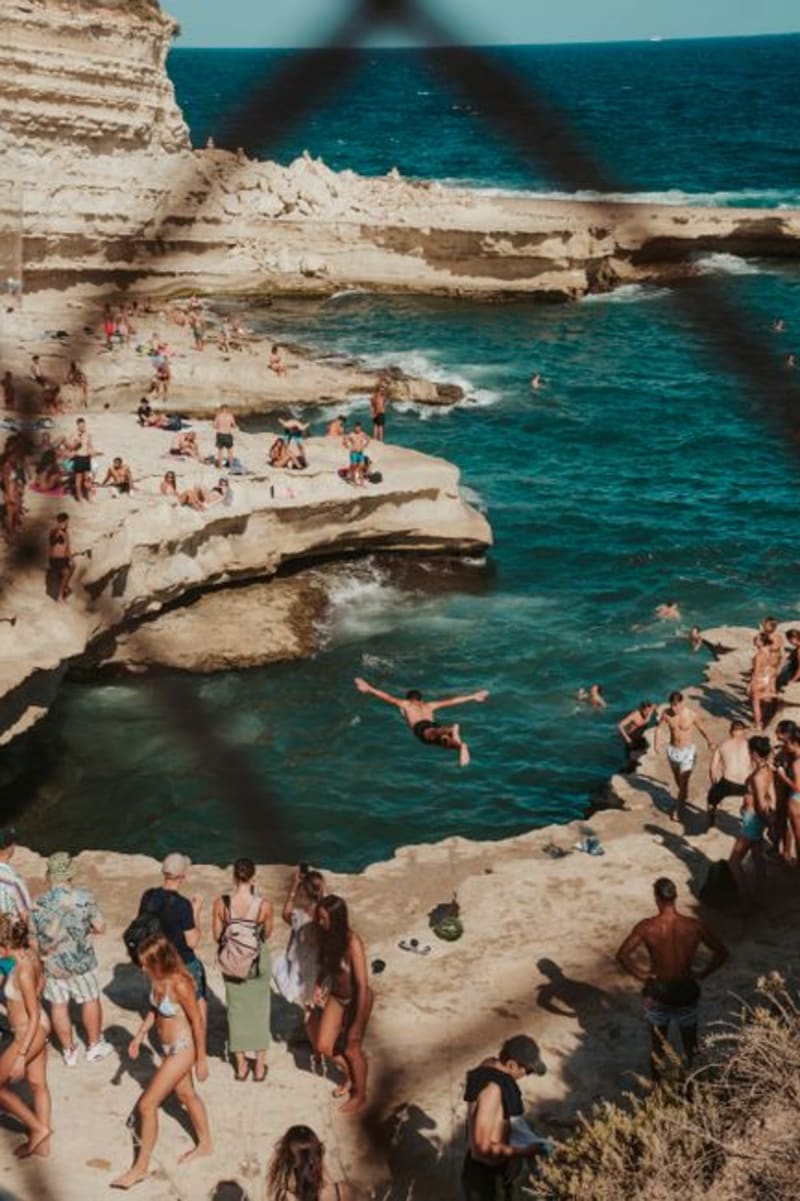 puglia
 Melendugno
An inland Salento town whose coastal frazioni — San Foca and Torre Sant'Andrea — deliver rugged limestone coves without the density of the bigger resort towns.
Explore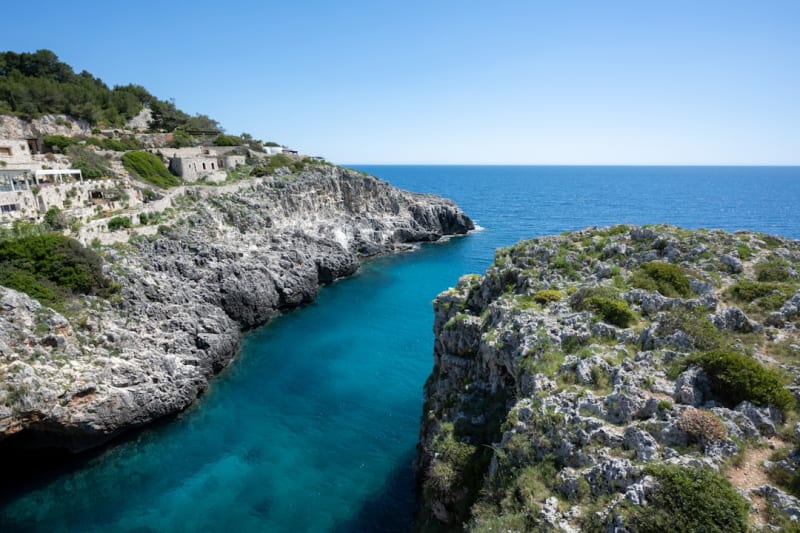 puglia
 Mesagne
A castle town on the Salento wine road where Negroamaro and Malvasia flow from cantine older than anyone in town can date with certainty.
Explore