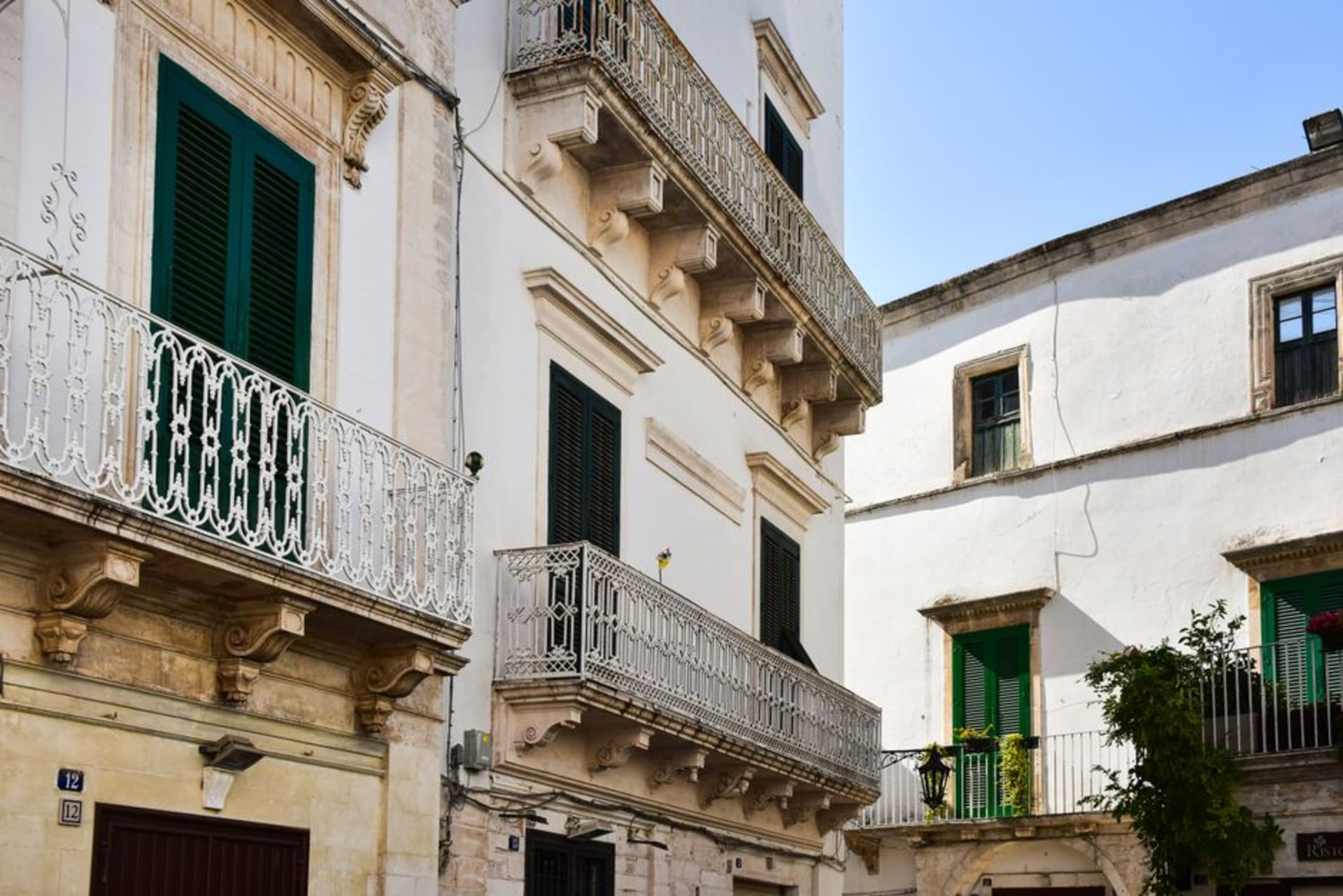
Manduria
"The oldest vines in Manduria have been producing wine since before my grandparents were born, and they still grow so low you have to crouch to pick from them."
Home of Primitivo di Manduria, where centuries-old alberello vines grow low and gnarled in red earth, and a ring of Messapian walls hints at a much older city underneath.
The vines are the first thing that surprised me about Manduria. I had pictured neat trellised rows like the vineyards I’d seen in France, and instead found alberello — bush-trained vines, low and stubby, some of them close to a century old, planted so densely and so close to the ground that pickers have to crouch or kneel to harvest. Primitivo di Manduria is one of Puglia’s most serious wines, dark and high in alcohol, and it grows in this particular corner of red terra rossa soil under a sun that would flatten a lesser variety. I walked through a vineyard belonging to a small family producer outside town, the owner explaining that some of his oldest vines are ungrafted, planted before the phylloxera crisis reached this deep into the heel of Italy, and that they still produce fruit of an intensity his newer plantings can’t match.
We tasted in a cellar cut into the local stone, cool even in the height of the Puglian summer, moving through a lineup that ran from a lighter, almost easy-drinking Primitivo through to a Dolce Naturale — a sweet, raisined version made from partially dried grapes, dense as syrup, that the producer insisted on pouring last because, in his words, “otherwise nothing after it will taste like anything.” Lia, who had planned to drive that evening, revised her plans somewhere around the fourth glass.
Manduria’s own history goes back further than the wine. The Messapian walls, a set of concentric defensive fortifications built by the pre-Roman Messapi people, ring part of the town, and beside them sits the Fonte Pliniano, a spring-fed underground pool that Pliny the Elder wrote about in his Natural History, claiming its water level never changed regardless of how much was drawn from it or how much rain fell. Descending the stone steps into the cool, dim chamber, water perfectly still and slightly green-lit from above, I understood why an ancient visitor might have found it worth recording — there is something genuinely eerie about a spring that seems indifferent to the weather.
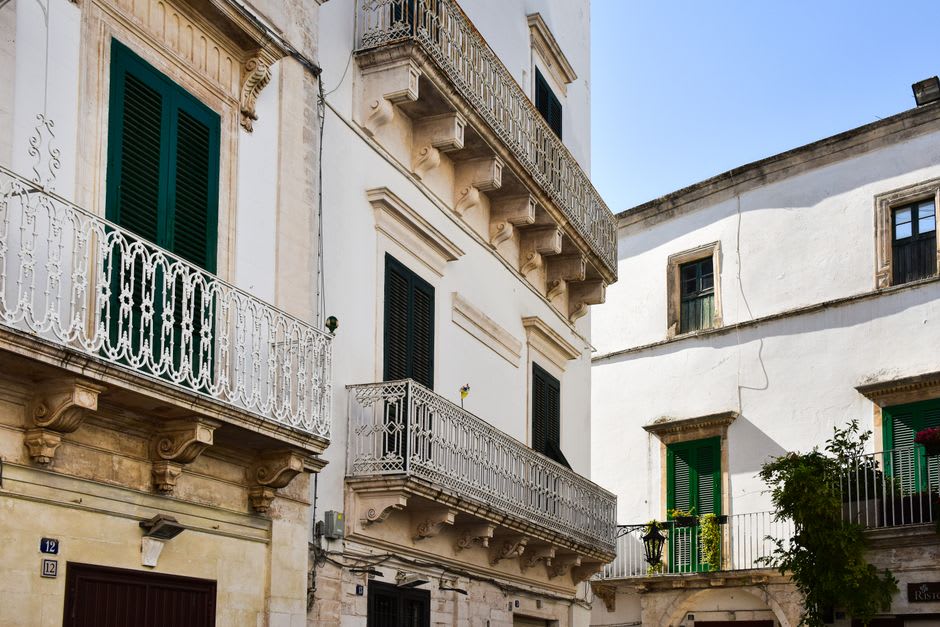
The town center itself is unassuming — a working agricultural town rather than a showpiece — but the central piazza fills in the evening with the kind of unhurried passeggiata that has mostly disappeared from more touristed parts of the region, families and old men on bicycles and teenagers loitering by the gelateria in a rhythm that has nothing to do with visitors like us.
When to go: September brings the grape harvest and is the most atmospheric time to visit the vineyards, though most cellars offer tastings year-round. Spring is pleasant for combining Manduria with the nearby Ionian coast before the summer heat sets in.