Isole Tremiti
"The Tremiti are small enough that 'simple' isn't a compliment there — it's just an accurate description."
Three tiny islands adrift ten miles off the Gargano coast, a medieval abbey, and water clear enough to make you distrust your own eyes.
Getting there
The Isole Tremiti sit about ten miles off the Gargano coast, reachable by ferry from Vieste, Peschici, or Rodi Garganico in a little over an hour, and the crossing itself is part of the appeal — the mainland shrinking behind you, the water shifting through every shade of blue on the way out, and then three small islands rising out of open sea with nothing else around them for as far as you can see. We took the morning boat from Rodi Garganico, which was quieter than the Vieste departure and got us there before the day-trip crowds.
San Nicola and the abbey
San Nicola is the historical heart of the archipelago — a fortified islet almost entirely occupied by the Abbey of Santa Maria a Mare, founded in the eighth century by Benedictine monks and later heavily fortified against pirate raids, which explains why a place of prayer ended up looking so much like a castle. The abbey church holds a Byzantine-era wooden crucifix and a mosaic floor that, on a much smaller scale, echoes the same medieval cosmological ambitions we’d seen at Otranto. Walking the fortified perimeter, the drop to the sea on one side and the tight stone lanes on the other, gives you the whole scale of the island in about twenty minutes.
San Domino and the water
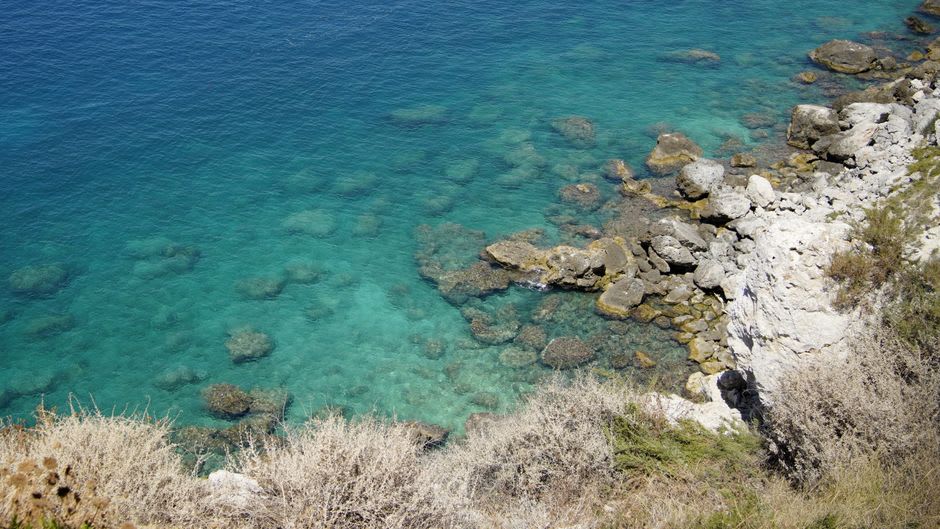
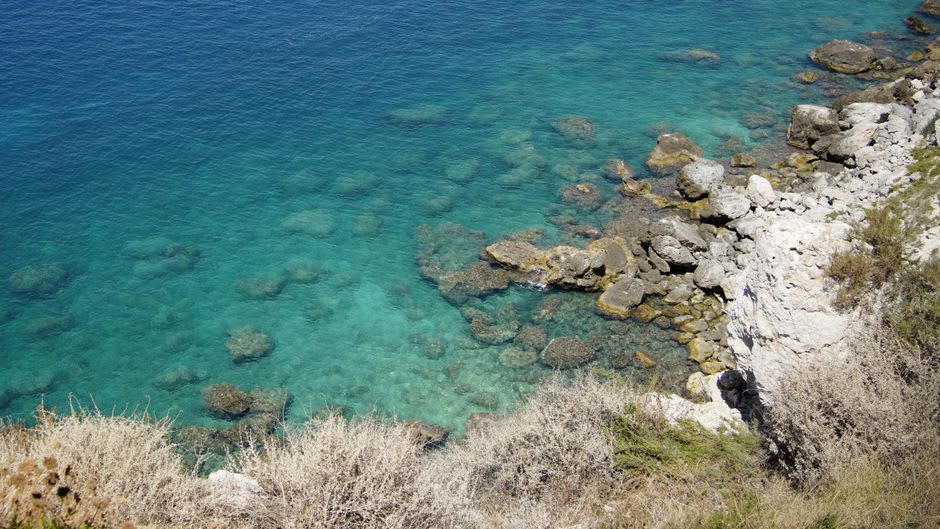
A short boat shuttle away, San Domino is the green, pine-covered island where most people actually swim — pine forest running nearly to the cliff edges, a scattering of small coves reachable only by boat or a scramble down rock steps. We swam from the rocks below the abbey walls first, then took a small water taxi around to a cove on San Domino’s western side where the water was the kind of transparent that makes snorkelling feel almost unnecessary — you could see the seabed clearly without putting your face in.
An afternoon, not a week
Most visitors do the Tremiti as a single long day trip, and honestly that’s close to the right amount of time — the archipelago is small, the sights are concentrated, and by early evening the day-boats clear out and leave the handful of overnight guests to a very quiet dinner. We ate grilled scorpionfish at a family-run place near the San Nicola harbour, run by people who spoke a dialect I genuinely could not parse, and caught the last ferry back with the sun going down behind Rodi Garganico.
When to go: June through September for reliable ferry schedules and swimmable water; outside that window sailings thin out considerably and some services stop altogether, so check the timetable before planning a shoulder-season trip.
Keep exploring
More from Puglia
 puglia
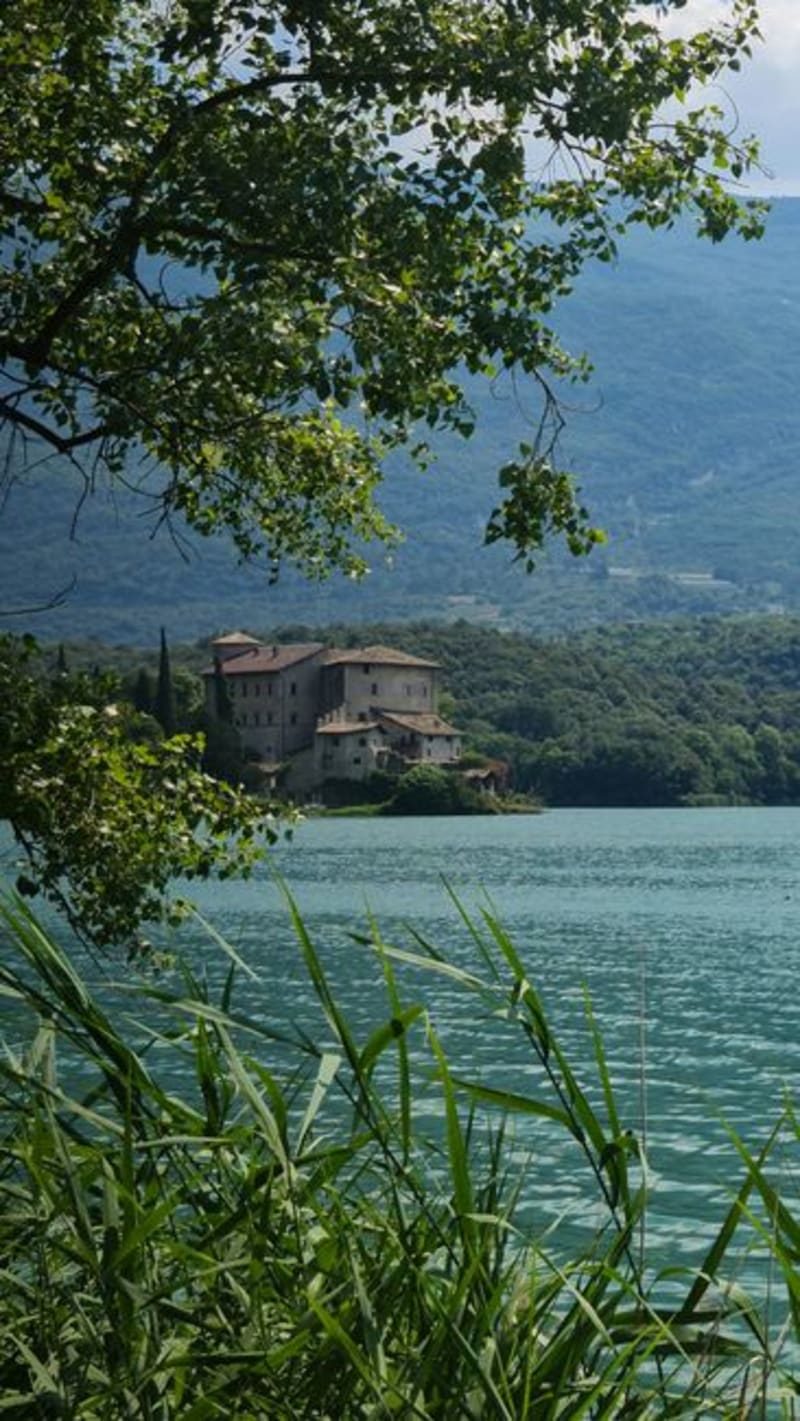
 Lago di Varano
The largest lagoon in Puglia, a still brackish lake separated from the Adriatic by a strip of dune and pine forest, ringed by eel fisheries and mussel farms.
Explore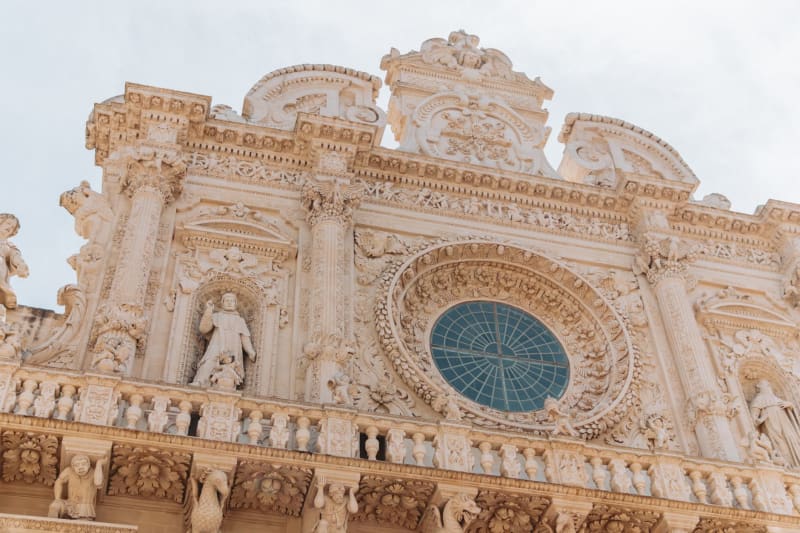 puglia
 Lecce
A Baroque city so ornately carved in golden stone that standing in its piazzas feels like being inside a jewellery box.
Explore puglia
 Lizzano
A wine town on the road between Taranto and the Salento, gateway to the pine and holm-oak forest of the Bosco di Portoselvaggio reserve on the Ionian shore.
Explore puglia
 Locorotondo
A perfectly circular hilltop village in the Valle d'Itria where every lane curves back into itself and the trulli dotting the valley below look like toys.
Explore puglia
 Lucera
A hill town with a Roman amphitheater buried under a football pitch and a Swabian fortress the size of a small kingdom — the strangest, most layered history lesson in the Tavoliere.
Explore puglia
 Manduria
Home of Primitivo di Manduria, where centuries-old alberello vines grow low and gnarled in red earth, and a ring of Messapian walls hints at a much older city underneath.
Explore