Gravina in Puglia
"Gravina sits on the edge of its own ravine like it forgot the cliff was there, and underneath the town is a second town, carved entirely from rock."
A cave city on the edge of a limestone ravine, famous for a bread rivaling Altamura's and cellars carved directly into the rock beneath the old town.
The ravine is the first thing that disorients you about Gravina. The old town runs right up to the lip of a limestone gorge, houses stacked to the very edge, and a single bridge — the Ponte Acquedotto, arches rising directly out of the ravine floor — carries you across to a viewpoint where the whole settlement reveals itself: cave dwellings cut into the opposite cliff face, a church built partly inside the rock, centuries of habitation layered into a landscape that looks, from certain angles, more like a film set for a biblical epic than a functioning Italian town. I mentioned this to a local guide and he told me, without much surprise, that a production crew had in fact shot scenes here for exactly that reason a few years back.
Gravina’s bread carries its own DOP-adjacent reputation, close cousin to Altamura’s more famous loaf and, according to more than one baker here, made with a stricter adherence to the old durum wheat and sourdough method than some of what now gets sold under Altamura’s name. We bought a loaf from a forno near Piazza Notar Domenico that still fires an oven built into the rock, the crust nearly black and the crumb a pale yellow from the local grano duro, and ate it that evening with a bottle of the region’s Gravina DOC white wine, made mostly from Greco and Malvasia grapes grown on the tufo soil around the ravine.
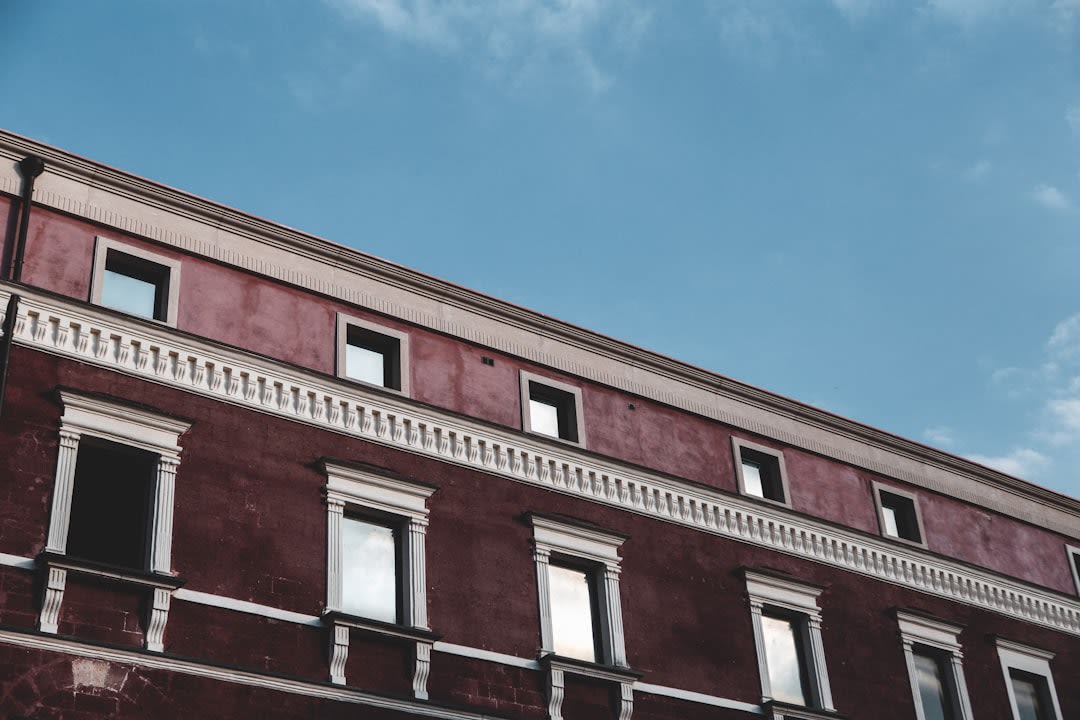
What makes Gravina distinct from the region’s other cave towns is how much of the old settlement is still inhabited rather than preserved as a museum piece. We walked down into the Civita quarter on the ravine’s edge, past cave dwellings some families occupied until well into the twentieth century, a few still holding wine cellars carved into the rock that are used to this day, kept naturally cool through the summer without any need for refrigeration. One cellar owner let us in to taste a Gravina bianco straight from the barrel, the temperature noticeably cooler than the air outside despite the midday heat.
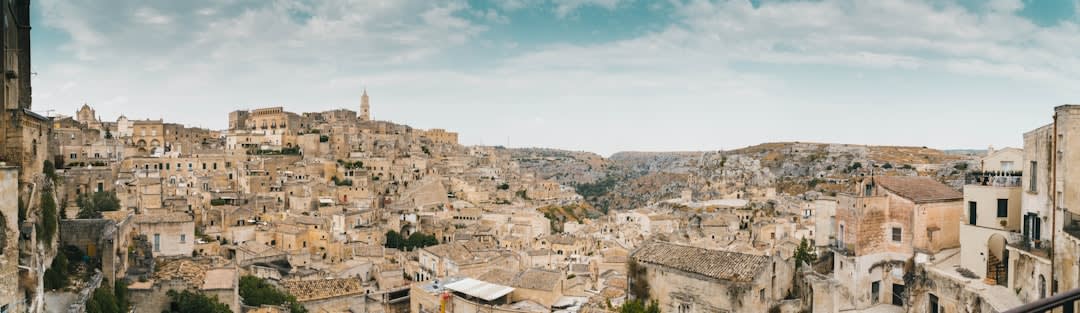
Lia kept comparing it to Matera, just over the regional border in Basilicata and far more famous for the same kind of cave architecture, and I understood the comparison but thought it undersold Gravina slightly — this town has kept a working, unpolished relationship with its own rock-cut history that Matera, now firmly on the tourist circuit, has largely lost.
When to go: Spring and autumn suit the ravine walks and the old town best. The Ponte Acquedotto viewpoint is most dramatic in the late afternoon, when the light angles into the gorge and picks out the cave openings on the far cliff.
Keep exploring
More from Puglia
 puglia
 Grottaglie
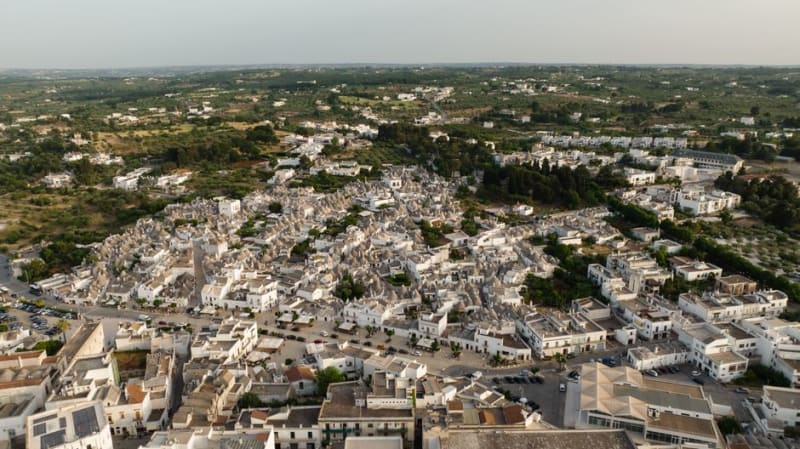
A hill town near Taranto where potters have worked the same cave workshops for four centuries, and the historic Quartiere delle Ceramiche still smells of wet clay and woodsmoke.
Explore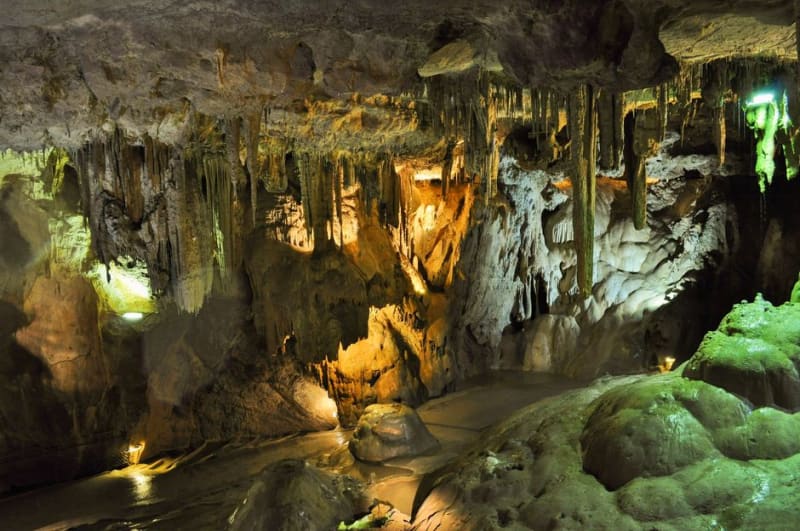 puglia
 Grotte di Castellana
A cave system beneath the Murgia plateau that drops you from Pugliese sunlight into two kilometres of stalactites, culminating in a chamber so white it looks lit from within.
Explore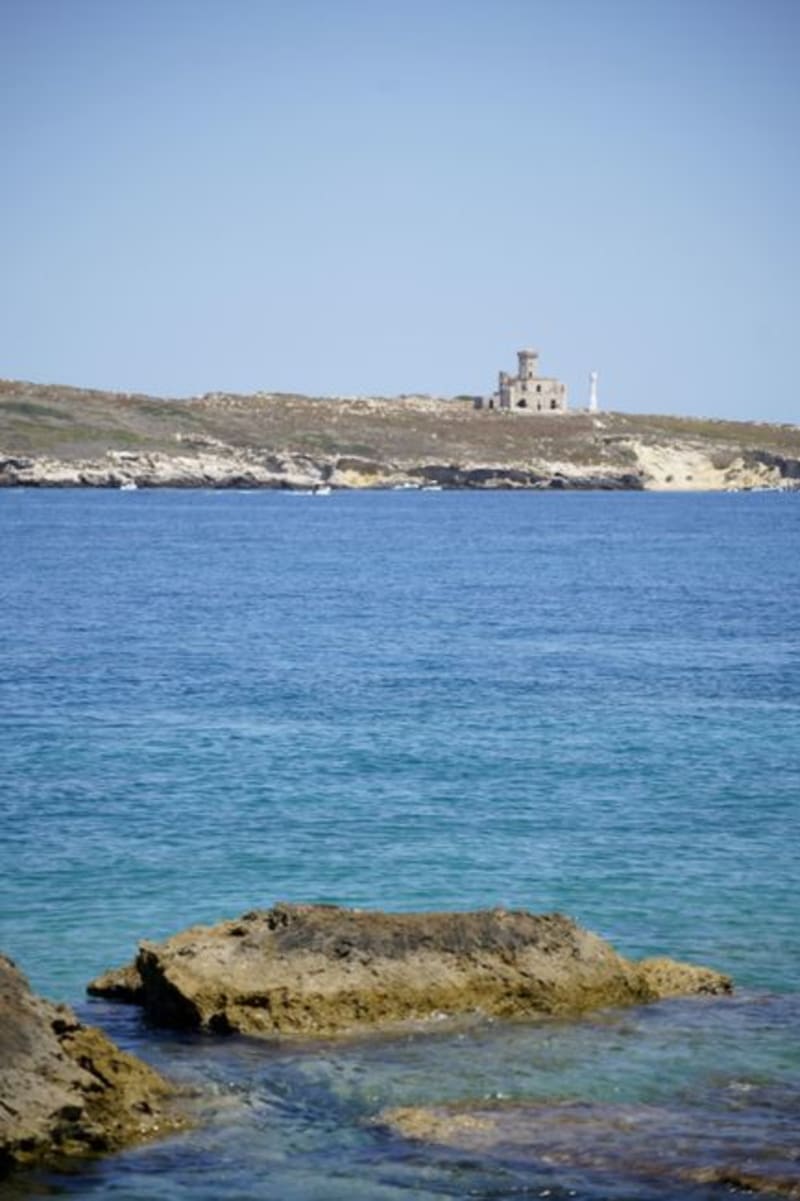 puglia
 Isole Tremiti
Three tiny islands adrift ten miles off the Gargano coast, a medieval abbey, and water clear enough to make you distrust your own eyes.
Explore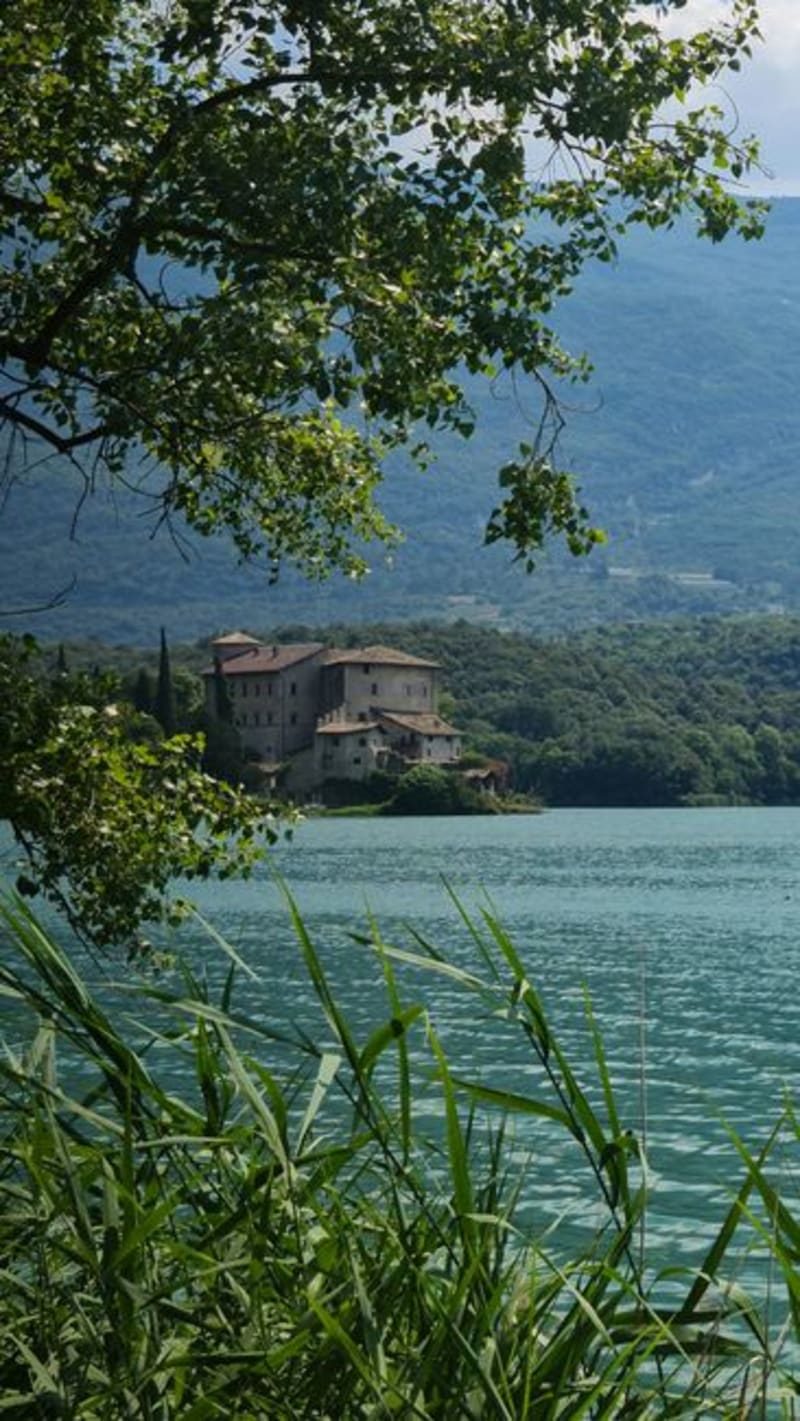 puglia
 Lago di Varano
The largest lagoon in Puglia, a still brackish lake separated from the Adriatic by a strip of dune and pine forest, ringed by eel fisheries and mussel farms.
Explore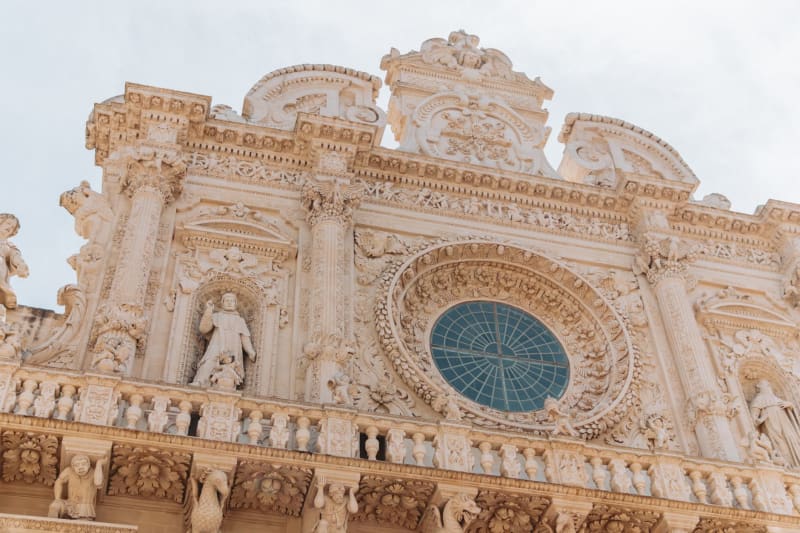 puglia
 Lecce
A Baroque city so ornately carved in golden stone that standing in its piazzas feels like being inside a jewellery box.
Explore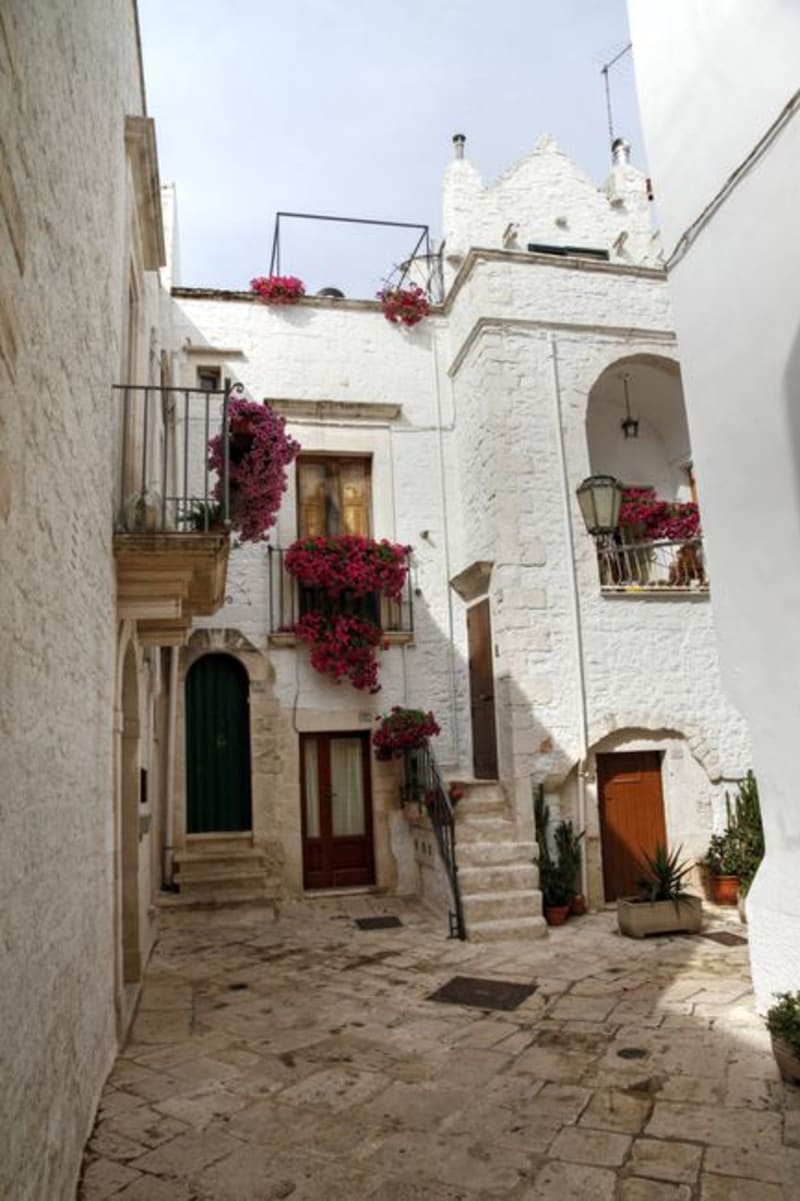 puglia
 Lizzano
A wine town on the road between Taranto and the Salento, gateway to the pine and holm-oak forest of the Bosco di Portoselvaggio reserve on the Ionian shore.
Explore