Francavilla Fontana
"Francavilla Fontana keeps its castle, its wine, and its carnival mostly to itself, which is precisely the appeal."
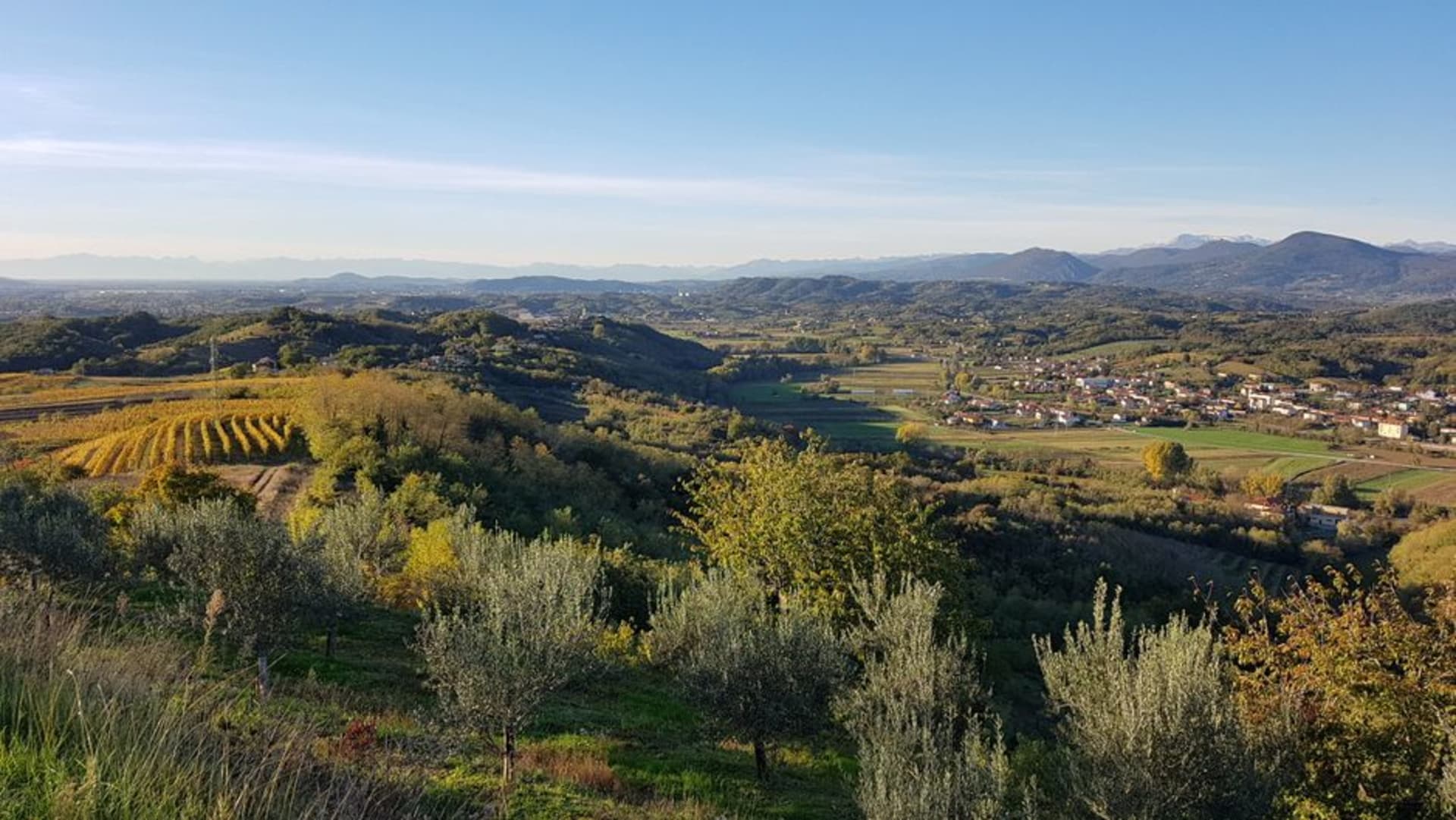
A Baroque town at the heart of Puglia's wine and masserie country, its ducal castle overlooking a rural landscape of vineyards and stone farmhouses.
We reached Francavilla Fontana on the recommendation of a masseria owner near Manduria who insisted, with the mild indignation Puglians display when a good place is overlooked, that we could not claim to understand Salento wine country without stopping there. The town sits inland between Brindisi and Taranto, in a landscape given over almost entirely to vineyards and the low white farmhouses called masserie, many of them centuries old and still working farms, some now converted into the kind of agriturismo where you eat what was grown or raised within sight of your table.
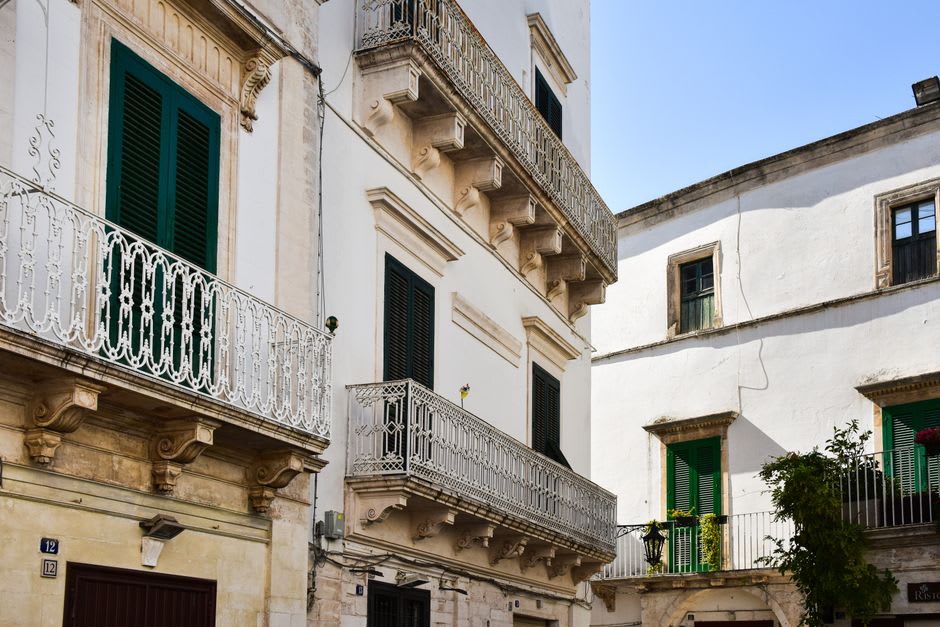
The Ducal Castle anchors the town’s centre, a fortress transformed over centuries into a Baroque palace, its facade one of the more elegant in a region that does not lack for elegant facades. We arrived at dusk and the whole piazza before it was lit gold, a handful of locals on the steps in the way that every Puglia town seems to produce at that specific hour, unhurried and unbothered by tourists because there were almost none. The old town around the castle carries the same Baroque flourishes as Lecce or Martina Franca, at a fraction of the scale and none of the crowds, and the churches inside held a quiet that felt earned rather than staged for visitors.
The wine here is bound up with the surrounding Brindisi and Salento appellations, and we tasted a Negroamaro at a masseria just outside town that had a rougher edge than the polished versions sold in restaurants along the coast — more tannic, more rustic, matched to the food it was clearly designed to accompany rather than to a critic’s palate. Dinner at the same masseria was built entirely around what the farm itself produced: their own olive oil, their own vegetables, a lamb raised on the property and roasted over a wood fire in an outdoor oven that looked older than the house.
Francavilla also holds its own carnival tradition, older in some local accounts than Putignano’s, though it draws a fraction of the attention — a reminder that this whole stretch of inland Puglia runs on traditions that rarely make it into guidebooks written for the coast. We left with a case of Negroamaro in the trunk and the sense that we had found the kind of place a Puglia trip is supposed to include one or two of, and rarely does.
When to go: September and October combine harvest season at the surrounding masserie with milder inland heat. Carnival, held in the weeks before Lent, is worth timing a visit around if the Putignano crowds put you off.