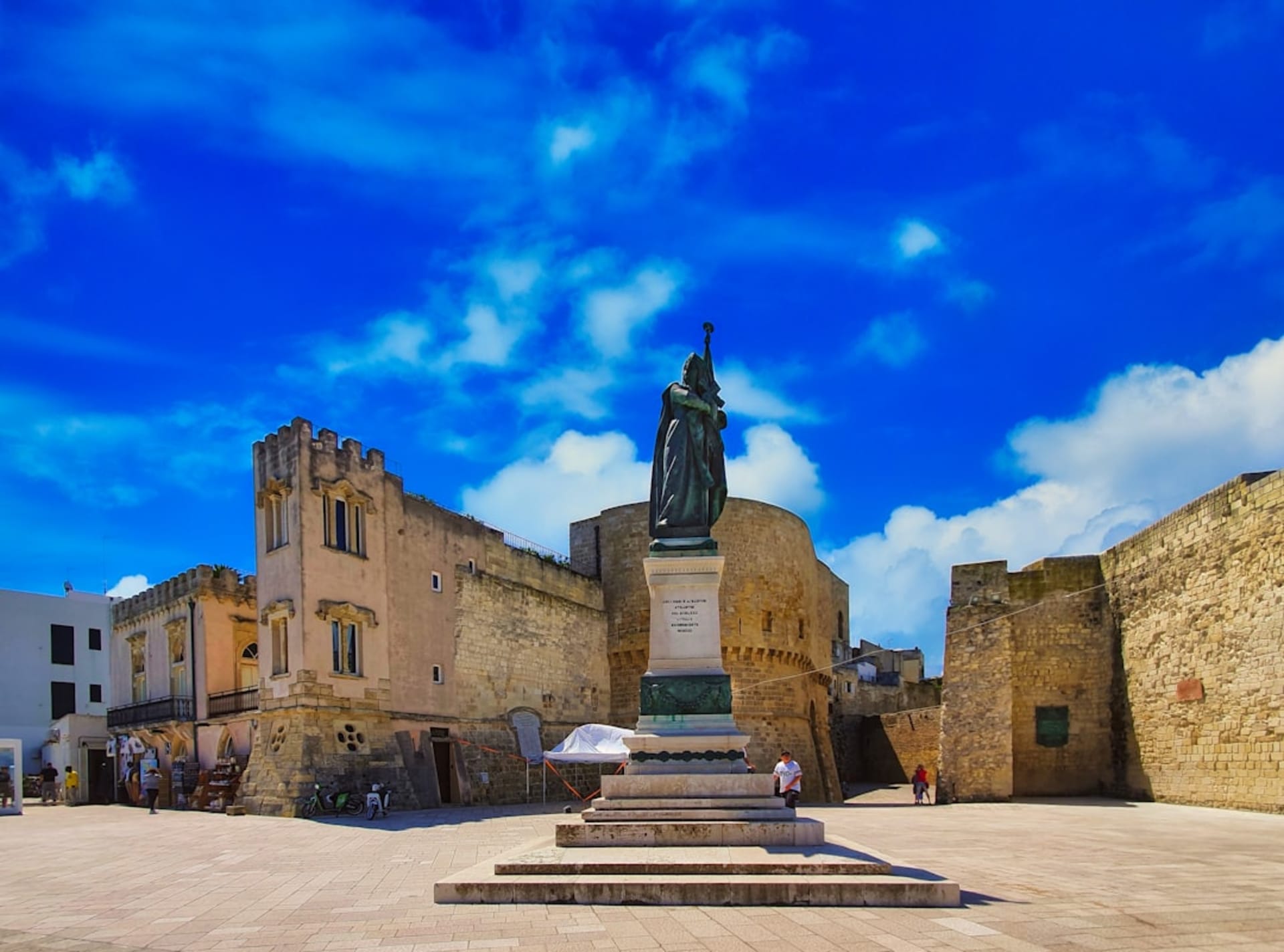
Corato
"In Corato the olive oil isn't a condiment, it's the point of the meal — everything else is arranged around it."
A quiet Murgia town that produces some of Italy's finest extra virgin olive oil, and treats the frantoio the way other places treat a cathedral.
I had assumed, wrongly, that olive oil was olive oil — that the bottles labelled extra virgin at the supermarket represented some baseline quality that varied only slightly by price. Corato disabused me of that within an hour of arriving. This is a town of roughly fifty thousand people on the Murgia plateau, unremarkable to look at from the ring road, that happens to sit inside one of the most decorated olive oil zones in Italy, producing coratina — a cultivar so pungent and peppery it can make you cough on the first taste if you are not braced for it.
A friend of Lia’s family runs a small frantoio outside town, and we visited during the November harvest, when the whole operation runs at a pace that seemed frantic to me and entirely normal to everyone who worked there. Olives picked that morning were being pressed within hours, because the oil’s quality depends on speed — every hour that passes between harvest and pressing lets oxidation chip away at what makes coratina special. The smell inside the frantoio was extraordinary, green and sharp and almost aggressive, nothing like the mild smell I associated with olive oil before that afternoon.
We tasted the oil straight from the press, still warm, poured over toasted bread with nothing else — no salt, no tomato, nothing to distract from it — and it burned the back of my throat in the way that experienced tasters told me is a sign of quality, the polyphenols announcing themselves. Coratina is famously high in these compounds, which is part of why it travels well and keeps its character for years rather than fading, and part of why it has become a favourite ingredient for chefs elsewhere in Italy who want an assertive oil rather than a polite one.
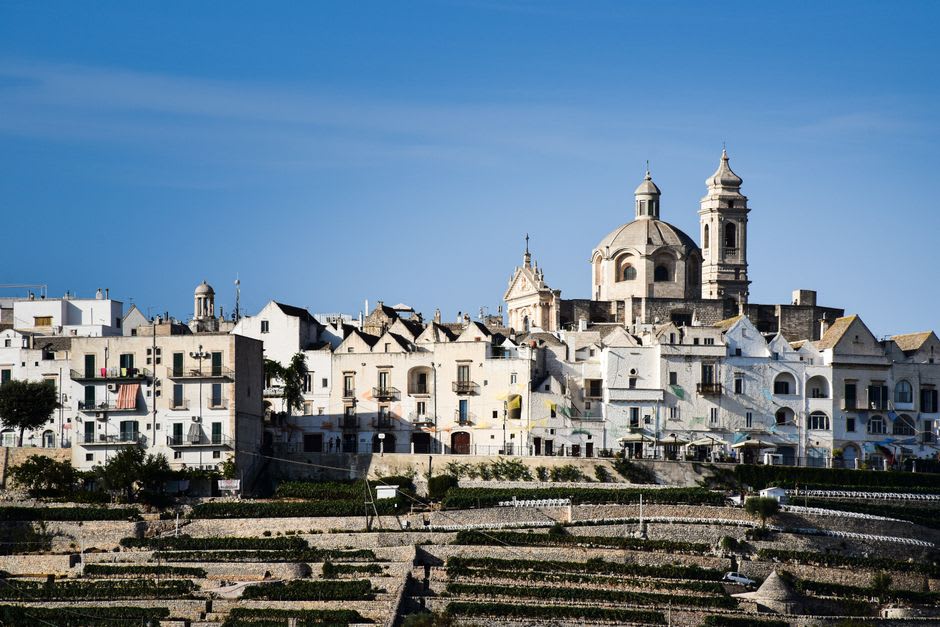
The town outside the harvest season is sleepier, its centro storico modest compared to the Baroque theatrics of Lecce or Martina Franca, but it carries itself with the confidence of a place that does not need to perform for visitors because its reputation among people who actually cook is already secure. We ate lunch at a trattoria where the only menu decision that seemed to matter was which of three house oils the owner would drizzle over the finished plate, and he walked us through the difference between them with the seriousness other places reserve for wine pairings.
When to go: Late October through November is harvest season and the only time to see the frantoi at full operation and taste the oil at its freshest and most peppery. The rest of the year the town is quiet but the oil, bottled and rested, is still very much worth seeking out.