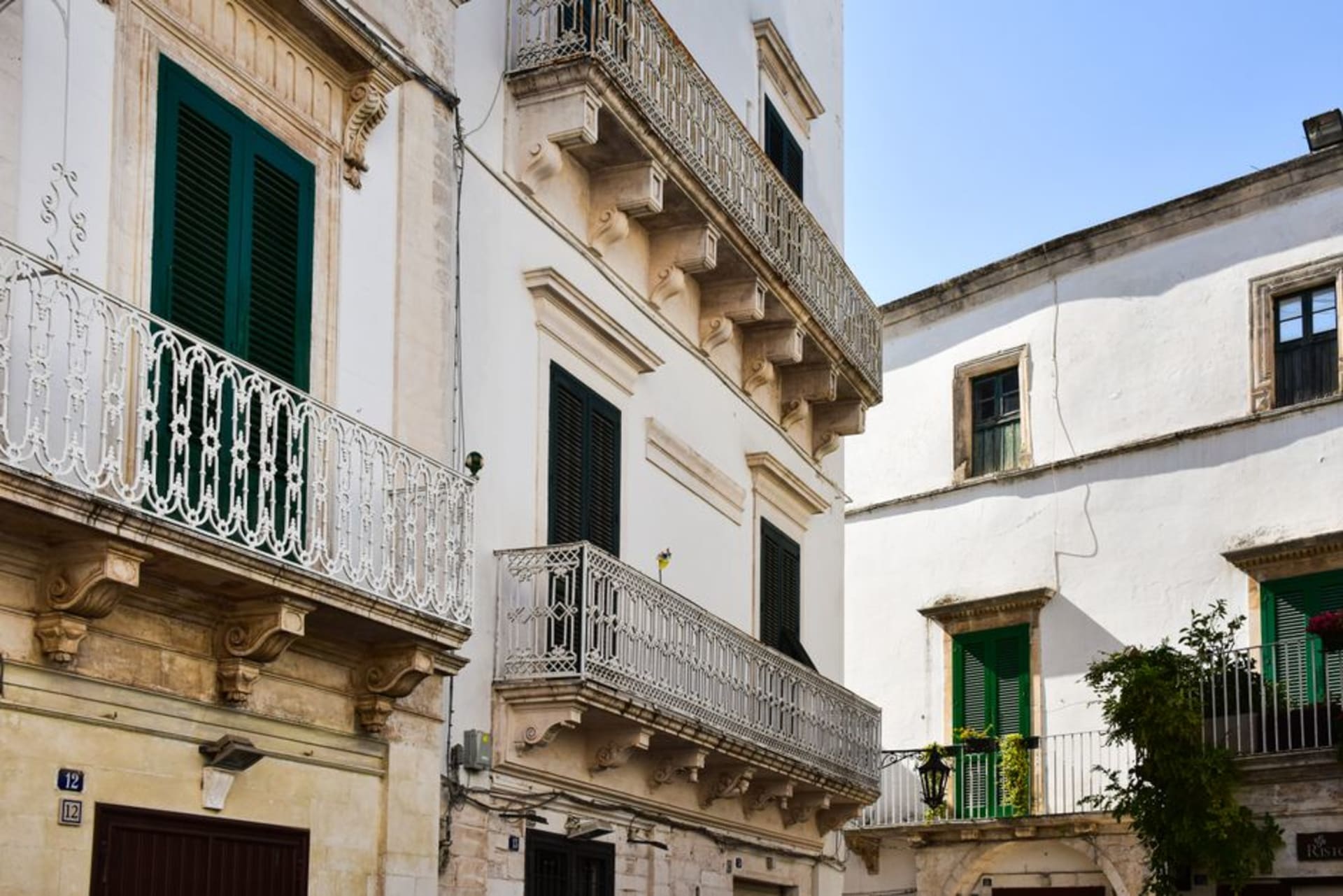
Copertino
"Copertino's Negroamaro was one of Italy's first DOC wines, and the town has been quietly making it well ever since, mostly unbothered by outside attention."
A Salento wine town beneath a moated Aragonese fortress, home to one of Puglia's oldest DOC appellations and a Negroamaro built for the table, not the cellar.
Copertino’s castle is the kind of building that makes you stop the car without meaning to. A genuine moat, still filled with water, surrounds an Aragonese fortress with corner bastions shaped like arrowheads, built to withstand cannon fire in an era when most Puglia castles were still designed against swords and siege ladders. We arrived at dusk and the whole structure sat mirrored in the moat, lit gold, with almost nobody else around to see it — a scene that in Lecce, twenty minutes away, would have had a crowd with cameras.
The wine is what actually brought us here. Copertino was among the first Italian appellations to receive DOC status, back in 1976, built almost entirely around Negroamaro, the dark-skinned grape that dominates Salento reds. What struck me tasting it at a cantina near the castle was how unshowy it was compared to some of the Primitivo we had been drinking further north around Manduria — softer tannins, a slightly bitter almond note on the finish that the winemaker told us was the grape’s namesake trait, negroamaro meaning something closer to “black and bitter,” though the origin of the name is debated. It is built, unmistakably, as a food wine, made to sit alongside a plate rather than to be studied on its own.
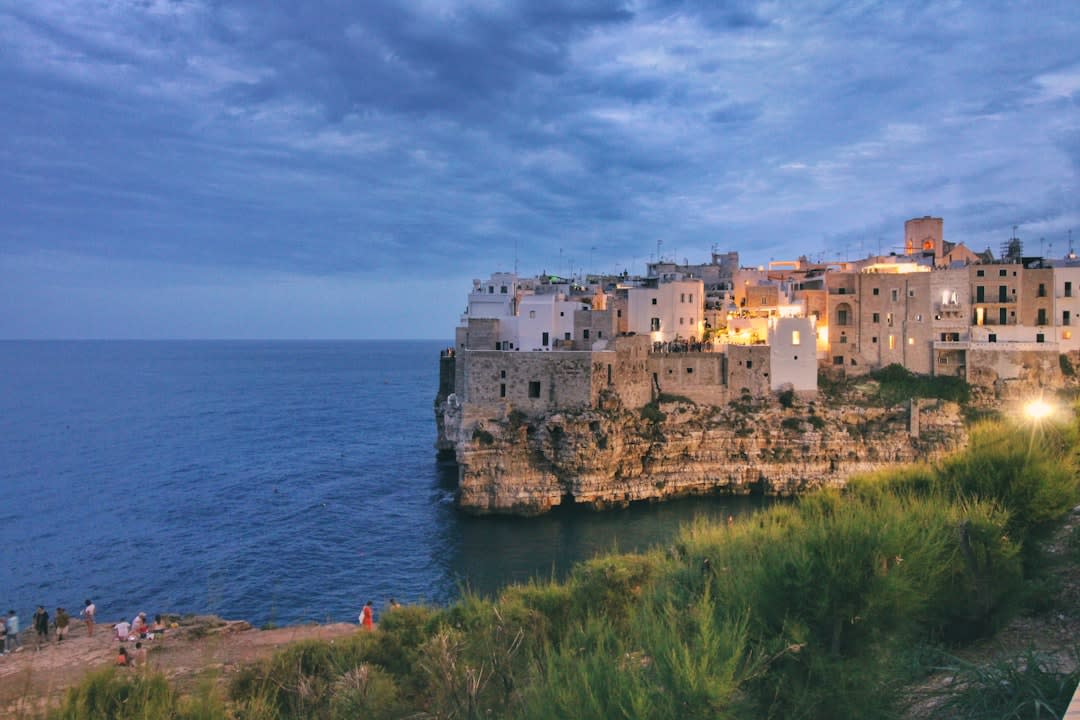
We ate dinner at a small restaurant near the town’s edge that paired the local Negroamaro rosato — Copertino makes a notable rosé as well as the red — with ciceri e tria, chickpeas and a rustic fried-and-boiled pasta that a waiter described as older than most of the town’s standing architecture, a dish that predates the Aragonese castle by centuries even if nobody can say by exactly how many. The rosato cut through the dish’s richness in a way I had not expected from a wine I associated mostly with summer patios.
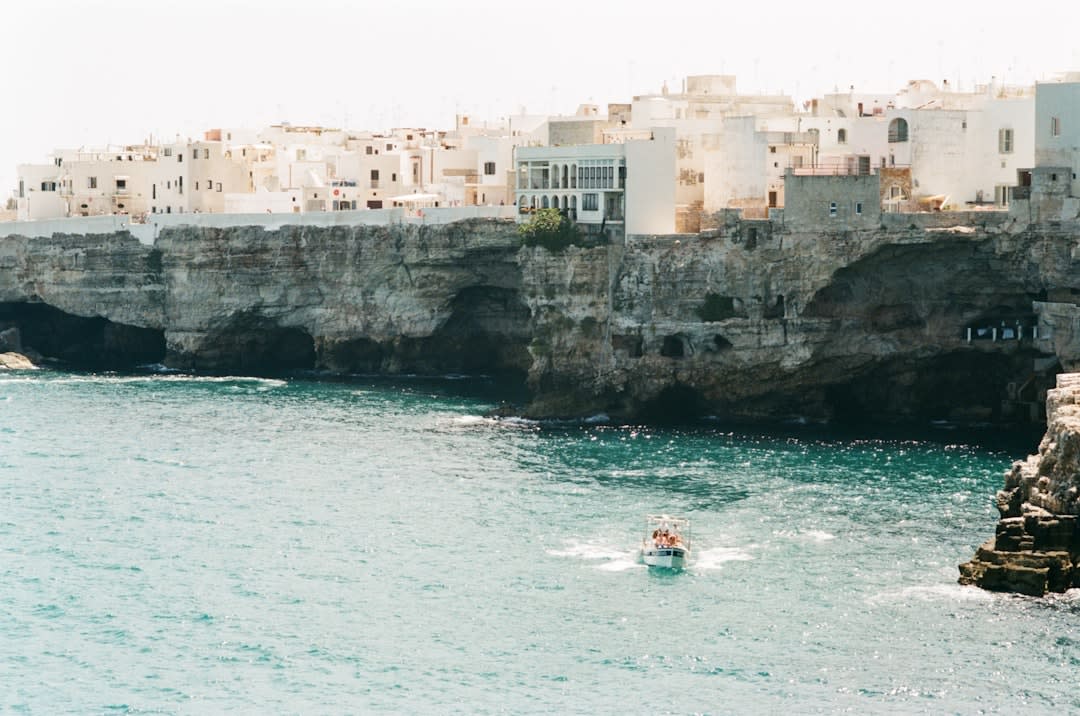
The town beyond the castle and the cantine is quiet and largely residential, without the dense historic centre of Lecce or Ostuni, and that turned out to be part of the appeal — Copertino does not ask you to admire it as a whole, only to notice the two or three things it does exceptionally well, and then get out of the way.
When to go: September’s harvest is the liveliest time for the cantine, but the castle and moat are worth a visit in any season, and are especially striking at golden hour.