Conversano
"Conversano is Puglia without the itinerary — a working hill town that never bothered performing itself for anyone."
A hilltop town in the Terra di Bari crowned by a Norman-Aragonese castle, surrounded by drystone walls, almond orchards, and the countryside masserie that supply half of Bari's markets.
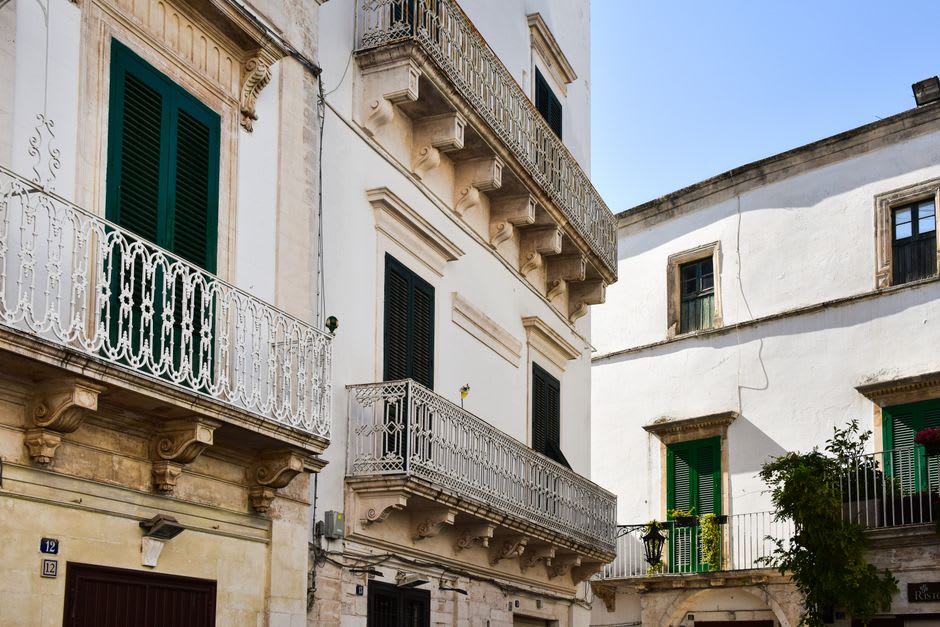
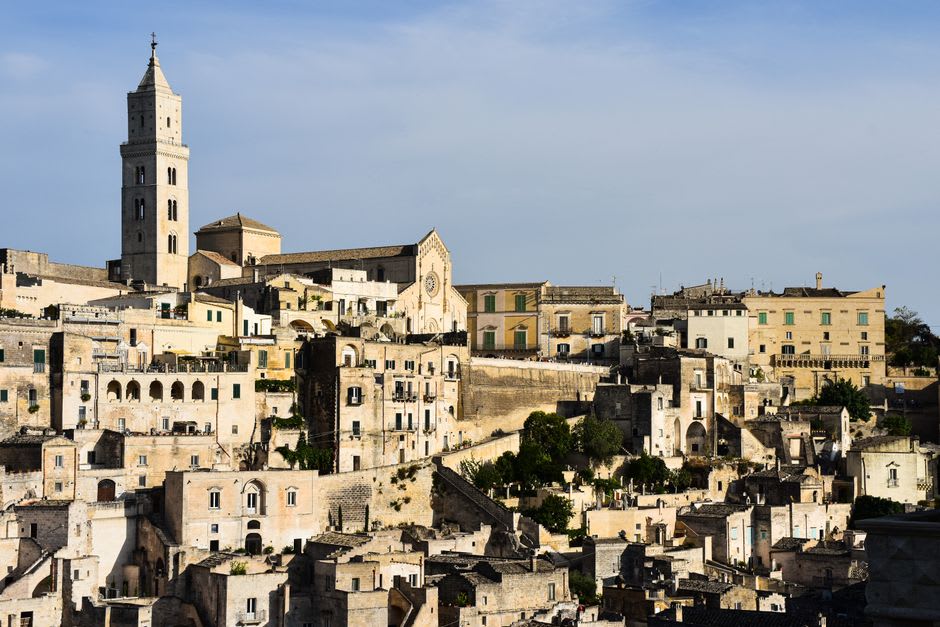
Lia found Conversano first, actually, scrolling through some regional food blog looking for burrata producers, and she read me the name over breakfast with the particular satisfaction she gets when she’s found somewhere I haven’t heard of. I hadn’t. That alone made me want to go. We drove up from the coast one Tuesday morning, through a landscape of drystone walls stitching together olive groves and almond orchards, the kind of countryside that looks unplanned but is in fact centuries of careful subdivision, until the town appeared on its hilltop with the castle first — a blocky, fortified thing that has been a Norman keep, an Aragonese residence, and is now a museum, all without losing its air of mild suspicion toward visitors.
The old town wraps around the castle in the tight, defensible spiral typical of the Terra di Bari’s inland hill towns, and it took us maybe forty minutes to walk the whole thing, but we spent three hours there because every third alley produced something worth stopping for — a shrine to a saint we didn’t recognize, an old man setting out crates of small hard pears, a bakery selling taralli still warm enough to fog the cellophane bag.
What actually justified the detour, though, was lunch. A masseria maybe fifteen minutes outside town, converted just enough to serve guests without losing its working character — chickens audible from the dining terrace, a row of olive presses that still run in season stacked against one wall like retired machinery nobody had the heart to remove. We ate burrata that had been made that morning, orecchiette with a sauce of tomato and horse meat (a Bari specialty I approached with more hesitation than it deserved), and a bottle of local rosé that the owner poured himself while explaining, unprompted and at length, why Conversano’s cheese was better than Alberobello’s. I have no way to adjudicate that claim. I believed him anyway.
The town also has a minor claim to musical history — it hosted one of Italy’s earliest music conservatories for orphaned girls, back in the eighteenth century, and there’s a faded plaque about it near the cathedral that most people walk straight past. Lia read the whole thing out loud while I tried to find shade. It’s that kind of place: layered, undersold, entirely unbothered by whether you notice.
When to go: April through June or September through October, when the almond orchards and countryside are at their best and the masserie restaurants are serving from their own gardens. Avoid the deep summer midday heat if you’re walking the hill town — there’s very little shade in the upper streets.
Keep exploring
More from Puglia
 puglia
 Copertino
A Salento wine town beneath a moated Aragonese fortress, home to one of Puglia's oldest DOC appellations and a Negroamaro built for the table, not the cellar.
Explore puglia
 Corato
A quiet Murgia town that produces some of Italy's finest extra virgin olive oil, and treats the frantoio the way other places treat a cathedral.
Explore puglia
 Fasano
A coastal-adjacent town split between an atmospheric old centro, the trulli hamlets of the Selva, and a drive-through safari park that is, against all my expectations, genuinely good.
Explore puglia
 Foggia
The unglamorous capital of the Tavoliere, flattened by earthquakes and bombs and rebuilt in a plain, working grid — Puglia's least photogenic city and, oddly, one of its most honest.
Explore puglia
 Foresta Umbra
The ancient mixed forest at the heart of the Gargano massif — beech, oak, and hornbeam thick enough to feel Alpine, a jarring, wonderful contrast with the sun-baked coast below.
Explore puglia
 Francavilla Fontana
A Baroque town at the heart of Puglia's wine and masserie country, its ducal castle overlooking a rural landscape of vineyards and stone farmhouses.
Explore