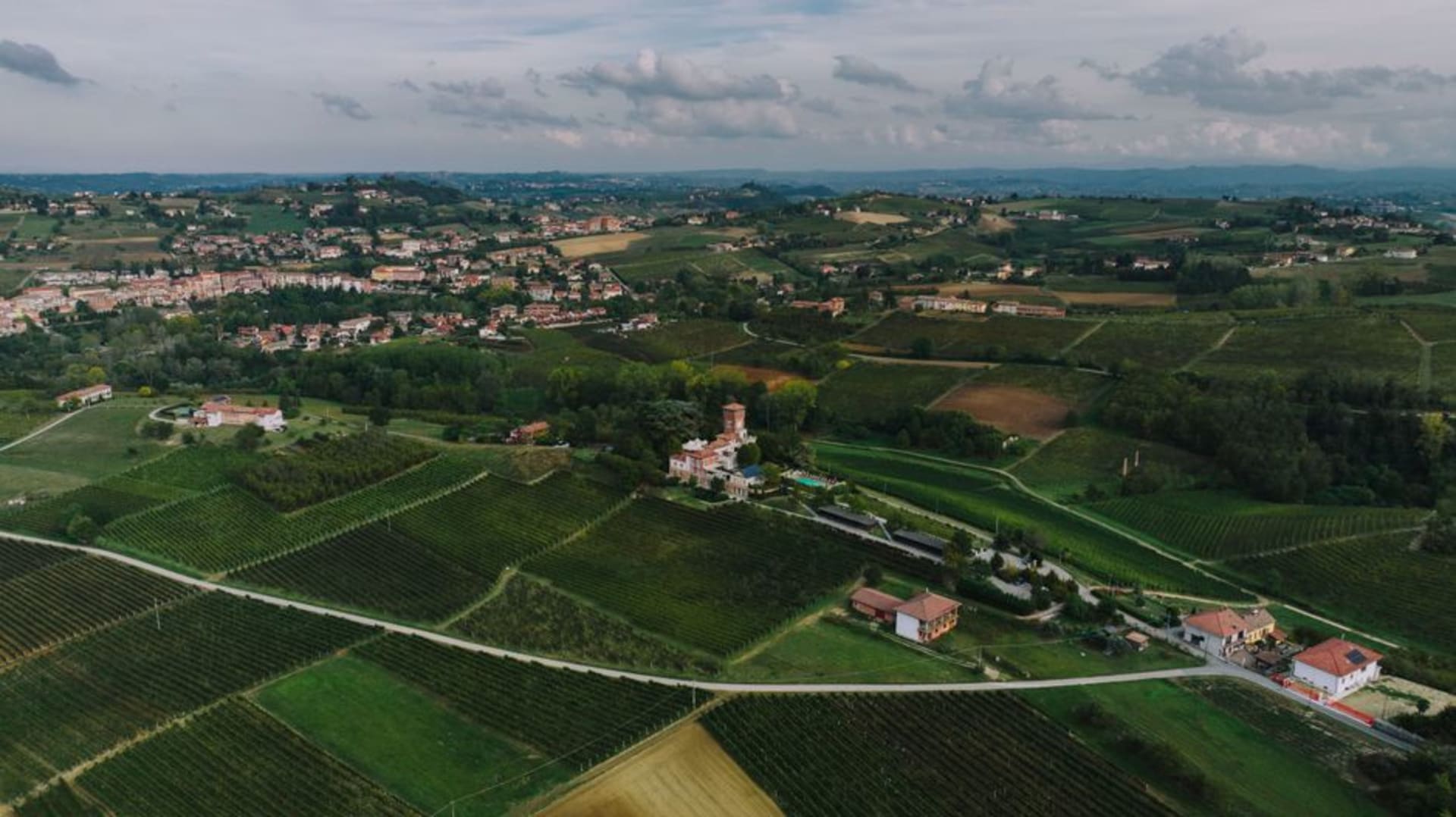
Cerignola
"Cerignola grows olives the size of small plums and somehow that fact alone justified the entire detour."
The self-declared olive capital of Italy, a sprawling agrotown on the Tavoliere built almost entirely on giant green Bella di Cerignola olives and a fiercely local, unglamorous pride.
Cerignola came up because of a jar of olives, honestly. Lia had bought a jar labeled Bella di Cerignola at a shop in Bari weeks earlier — enormous, meaty, bright green olives, bigger than any I’d seen sold whole — and when we saw the town’s name on the map heading north through the Tavoliere, we looked at each other and just turned the car toward it. This is not, I’ll admit, most people’s reason for a detour. It turned out to be a good one anyway.
Cerignola is a genuine agrotown — one of the largest in Italy by land area, its population historically organized entirely around working the surrounding wheat and olive latifondi, the vast estates that once dominated this stretch of the Tavoliere. The town center, unexpectedly, holds real architectural ambition: a neoclassical cathedral with a dome visible from well outside town, and the Teatro Mercadante, a small but genuinely elegant nineteenth-century opera house built on the profits of the olive and grain trade, still hosting a full season today.
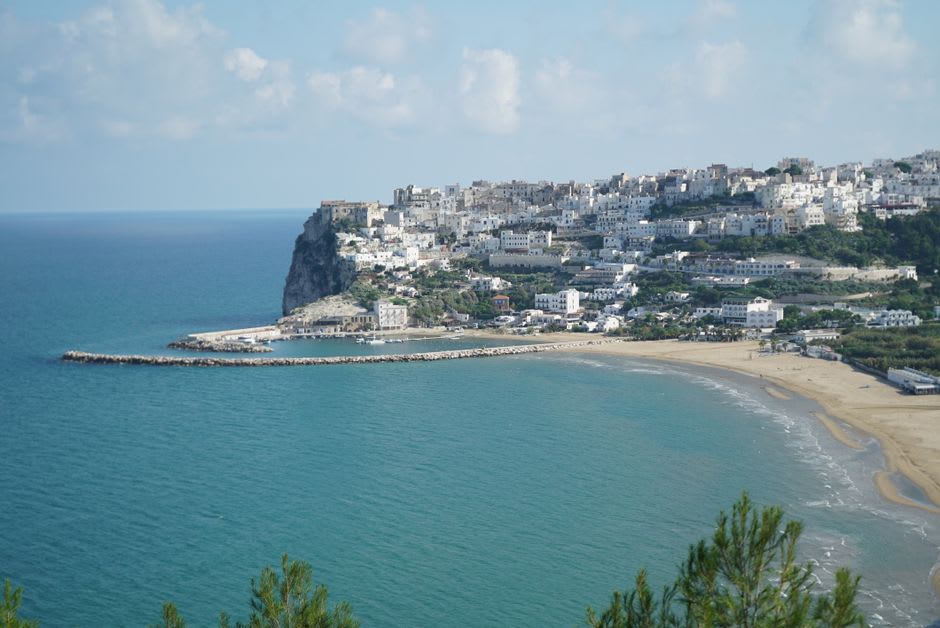
We drove out past the edges of town into the groves themselves — kilometers of olive trees on flat, dark Tavoliere soil, some of the trunks gnarled and clearly very old, the giant Bella di Cerignola variety grown specifically for eating rather than pressing, harvested by hand while still green because the fruit bruises easily. A farmer let us walk a row of his trees when we stopped to ask directions and ended up giving us an impromptu, half-English half-Italian lecture on brining technique that ran twenty minutes longer than either of us expected.

The town also carries a harder history that’s worth knowing — Cerignola was a center of the early twentieth-century peasant labor movement, birthplace of the socialist leader Giuseppe Di Vittorio, and the agrotown model here was built on genuinely brutal conditions for the field laborers who worked those latifondi. There’s a bluntness to the place that comes from that history, a lack of interest in performing charm for outsiders, which after the polish of the coast felt honestly like a relief.
When to go: October through November for the olive harvest itself, when the groves are at their most active and the town’s food culture is in full swing. Outside harvest season, come for the Teatro Mercadante’s autumn opera program if the timing allows.