Bovino
"Drive twenty minutes out of the Tavoliere and the whole landscape changes its mind about what Puglia is supposed to look like."
A medieval hill town clinging to the Apennine foothills at the edge of the Tavoliere, its Norman-Swabian castle and truffle-scented woods a world away from the flat wheat country below.
The Tavoliere gives no warning that it’s about to end. You’re driving through flat wheat fields to the horizon and then, somewhere past Foggia heading toward the Campanian border, the land simply tilts upward and you’re in the foothills of the Apennines, and twenty minutes later you’re climbing a switchback road into Bovino, a stone town wrapped around a hill at nearly six hundred meters, cooler air coming through the car windows, the whole register of the trip shifting from coastal Puglia to something closer to Abruzzo.
Bovino’s Ducal Castle sits at the highest point, Norman in origin and rebuilt by the same Swabian dynasty responsible for Lucera’s fortress down on the plain — smaller in scale but similarly commanding, looking out over a folded landscape of oak forest and pasture that felt, after weeks of flat coast and flatter Tavoliere, like a genuinely different country. The cathedral below holds Roman-era spoils built directly into its walls — a reused pagan altar, fragments of inscriptions — the kind of casual architectural cannibalism that medieval builders across Puglia treated as simply practical.
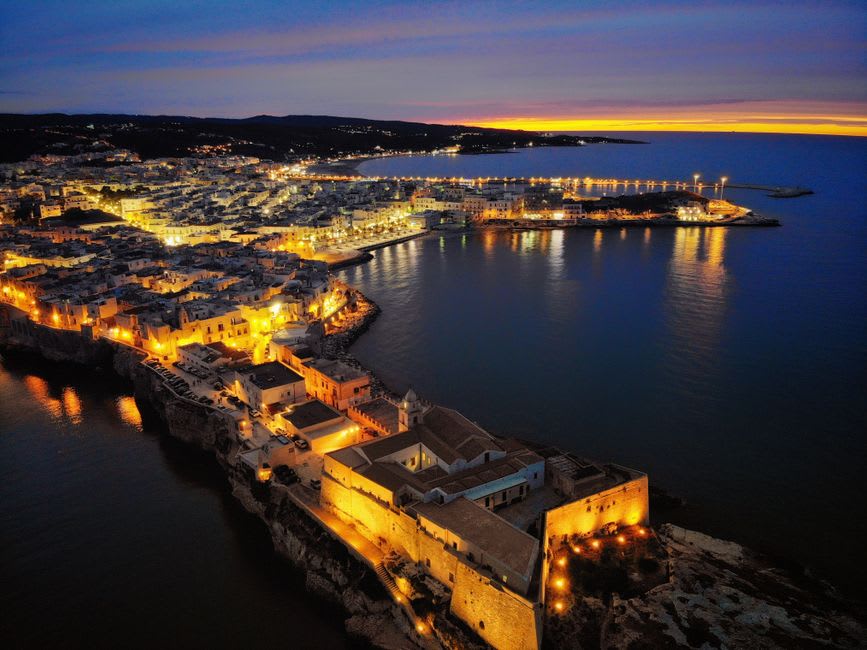
What actually made the detour worthwhile, though, was the truffles. The Daunian Apennines around Bovino produce black truffles — the local specialty, harvested in the surrounding oak woods, less famous internationally than the whites of Alba but genuinely excellent and considerably cheaper. We ate at a small trattoria on the edge of the old town where the owner shaved fresh truffle over handmade cavatelli with a lack of ceremony that made the extravagance feel almost incidental, and Lia, who had been saving her one big splurge meal of the Puglia trip for exactly this kind of surprise, declared it the best plate of pasta of the entire month.
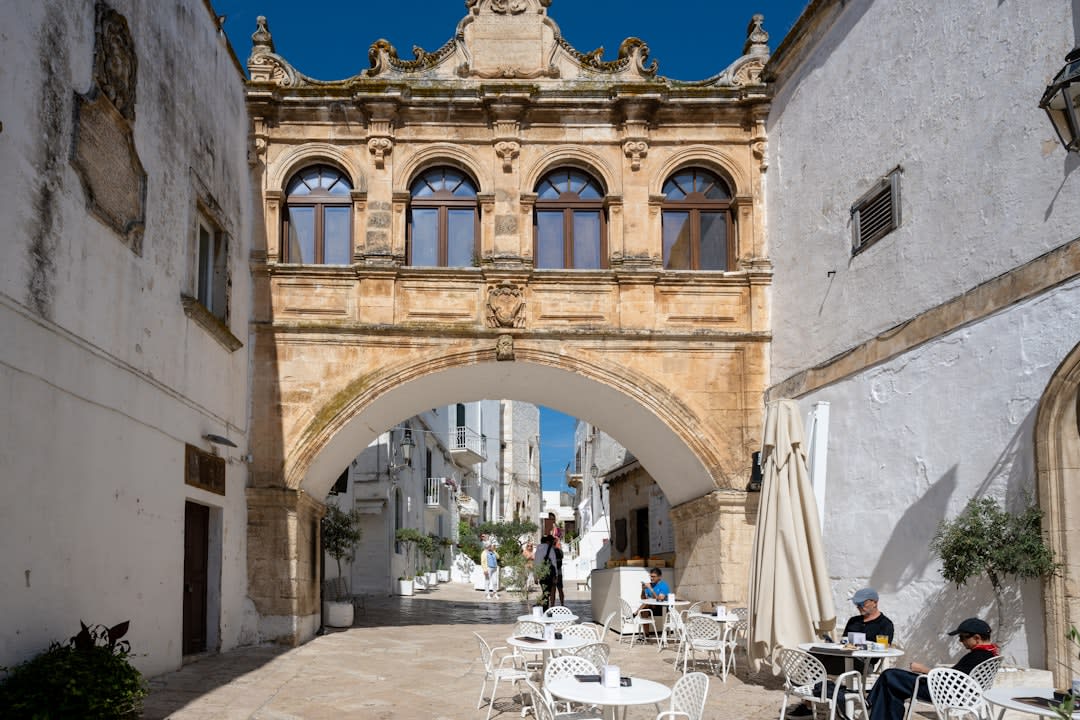
We walked the town afterward in the blue evening light, the temperature noticeably lower than anywhere we’d been on the coast, woodsmoke somewhere on the air, and understood something about Puglia’s geography that the coastal itineraries never quite communicate: this region isn’t only sea and trulli and Baroque towns. It has a mountainous, forested, almost alpine edge too, and it’s twenty minutes from wheat fields that stretch to the horizon.
When to go: October and November, for truffle season, when the local restaurants are at their most generous with the fresh harvest and the surrounding oak forest turns color. The altitude means summers are noticeably cooler and more comfortable than the Tavoliere below, making Bovino a good relief valve during a hot Puglia July.
Keep exploring
More from Puglia
 puglia
 Campomarino
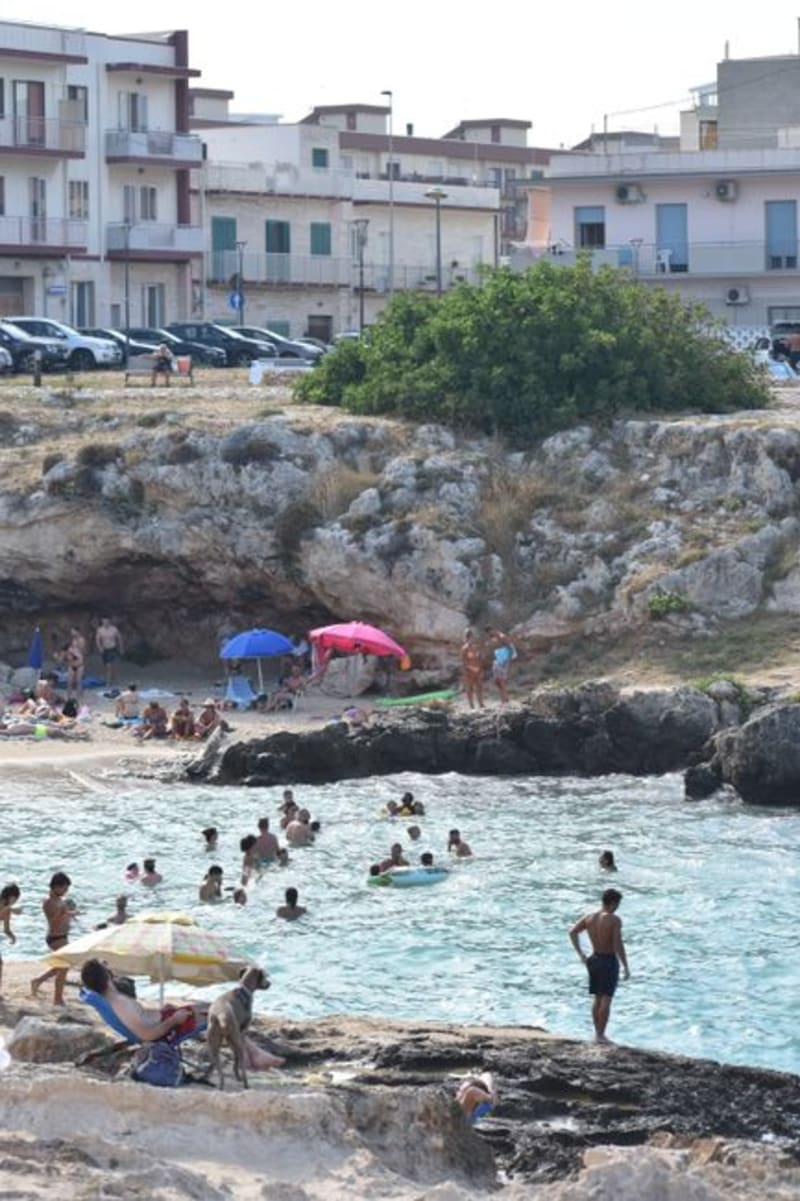
A low-rise Ionian beach town near Maruggio built almost entirely around summer, with pine-backed sand and a laid-back crowd that skews heavily local.
Explore puglia
 Casamassima
A small town outside Bari painted almost entirely blue — the Borgo Blu — for reasons nobody can fully agree on, and one of the strangest, most photogenic surprises in the region.
Explore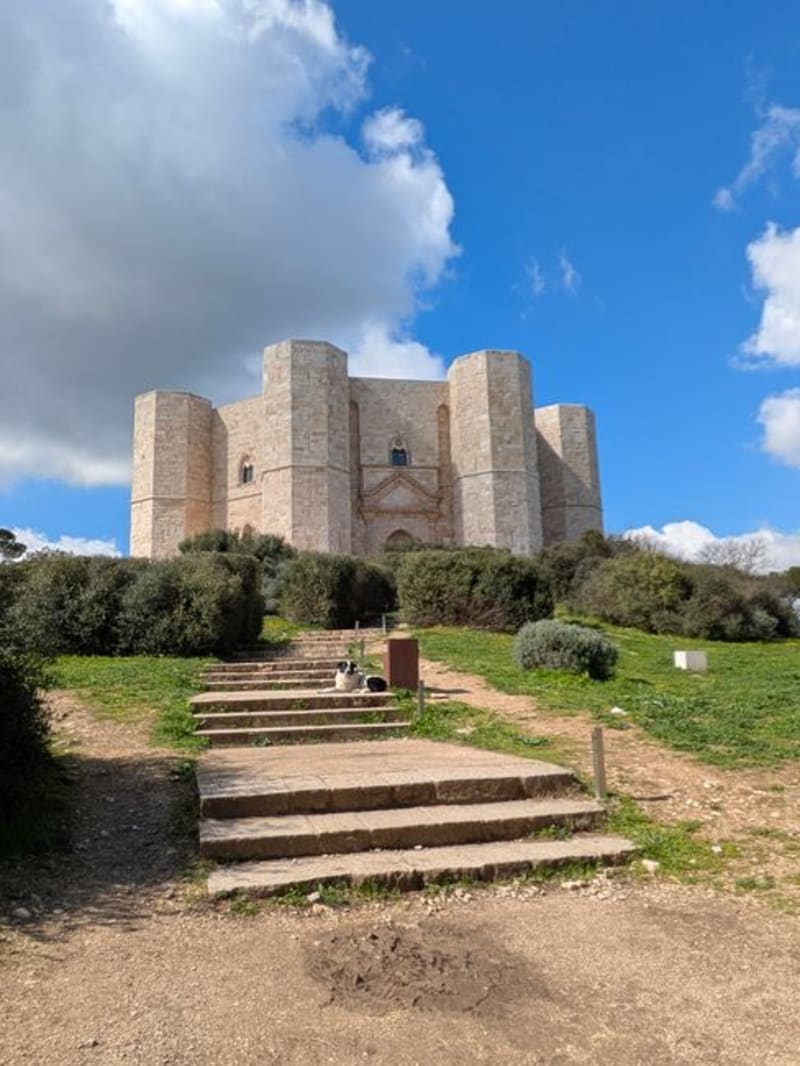 puglia
 Castel del Monte
Frederick II's octagonal riddle of a castle, alone on a hilltop in the Murge with no moat, no defensive purpose anyone can quite agree on, and a geometry that still unsettles mathematicians.
Explore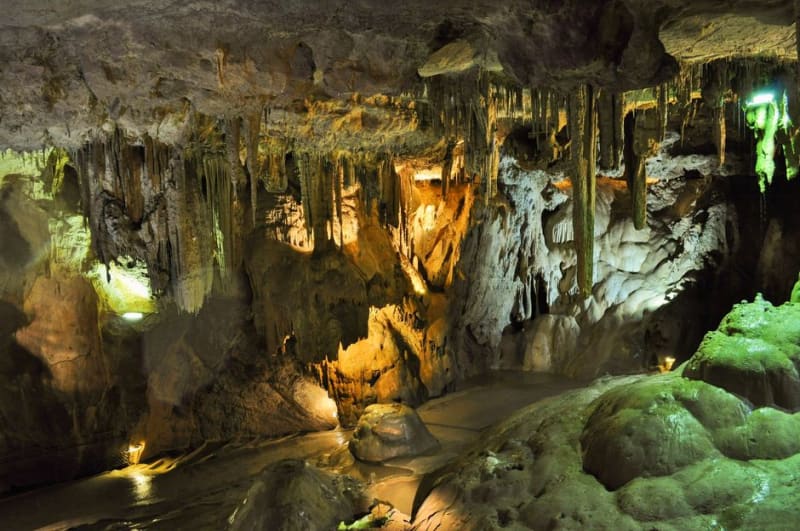 puglia
 Grotte di Castellana
Italy's largest show cave system, ninety metres underground, where a passage called the Grave opens into a cavern big enough to make you whisper without meaning to.
Explore puglia
 Castro Marina
A cliffside Adriatic village whose real attraction lies underneath it — the Zinzulusa cave, a limestone grotto of stalactites, blind fish, and passages still being explored.
Explore puglia
 Ceglie Messapica
A quiet whitewashed town between Ostuni and Martina Franca that Pugliesi quietly call the region's best table — no coastline, no crowds, just extraordinary food.
Explore