Bitonto
"Bitonto has one of the finest cathedrals in Puglia and, on the Tuesday I visited, I had it entirely to myself."
The 'city of olives,' where a Romanesque cathedral almost identical to Bari's stands with none of the crowds, surrounded by some of the densest olive groves in Italy.
Bitonto sits about fifteen minutes inland from Bari, close enough that it barely registers as a separate destination on most maps of the region, and this proximity is exactly why almost nobody stops there. Which is a mistake, because the Cattedrale di San Valentino is, by any honest comparison, on the same level as the more famous Apulian-Romanesque cathedrals in Trani and Bari, and I had the entire nave to myself on a weekday afternoon with only the sound of my own footsteps for company.
The cathedral’s facade is a masterclass in the local Romanesque style — three portals, a rose window, blind arcades carved with figures and beasts that reward close attention, and a pulpit inside, dated 1229, so intricately carved with reliefs of Frederick II and his court that art historians consider it one of the finest surviving examples of medieval sculpture in southern Italy. I stood underneath it for a long while, tracing the carved figures with my eyes, and a caretaker sweeping the side aisle told me, unprompted, that the pulpit had survived earthquakes, wars, and centuries of neglect essentially untouched, which felt like it should be more widely known than it apparently is.
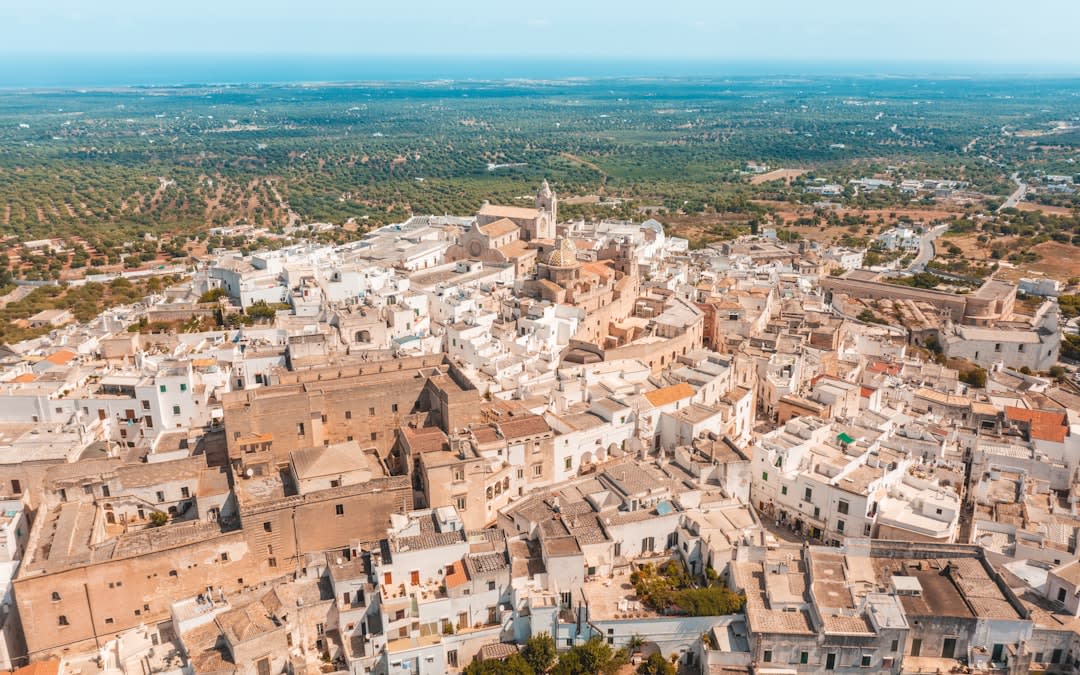
Outside the historic center, Bitonto’s real identity asserts itself: this is olive country in the most literal, industrial sense. The comune calls itself the città dell’olio, the city of oil, and the surrounding countryside is a near-continuous carpet of olive groves, some of the trees genuinely ancient, gnarled trunks that split and twist into shapes that look sculpted rather than grown. I drove out along the back roads past frantoi — the olive presses — during harvest season in late autumn and watched trucks arrive loaded with crates of just-picked olives, the whole town smelling faintly, pleasantly, of crushed fruit and machinery.
I bought oil directly from a small producer on the edge of town, a man who insisted I taste it first from a spoon before he would sell me anything, watching my face for a reaction with the seriousness of a sommelier. It was intensely green, peppery at the back of the throat in the way that indicates real quality, and nothing like the flat oils sold under Puglia’s name in French supermarkets. I bought two litres and rationed them for months after getting home.
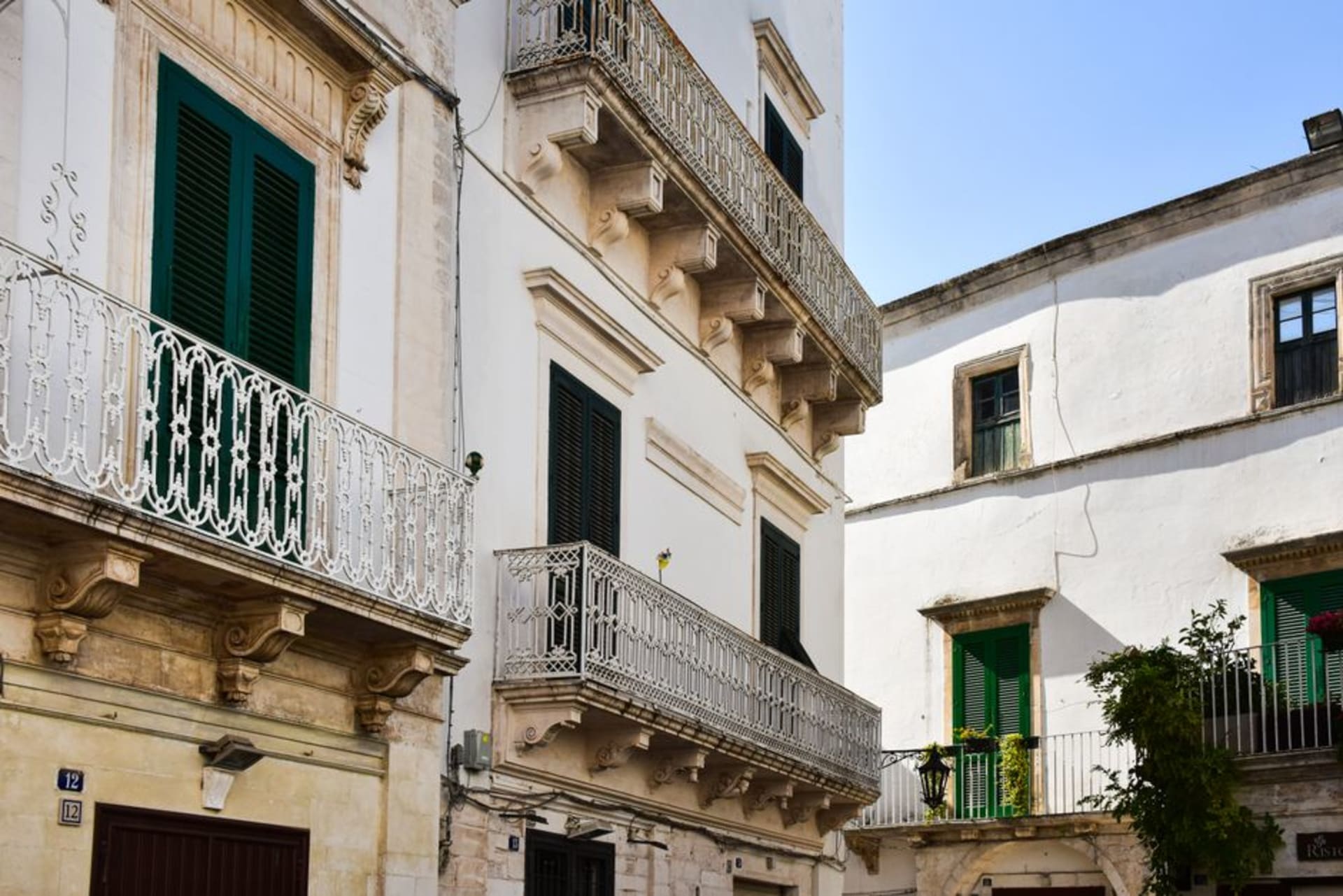
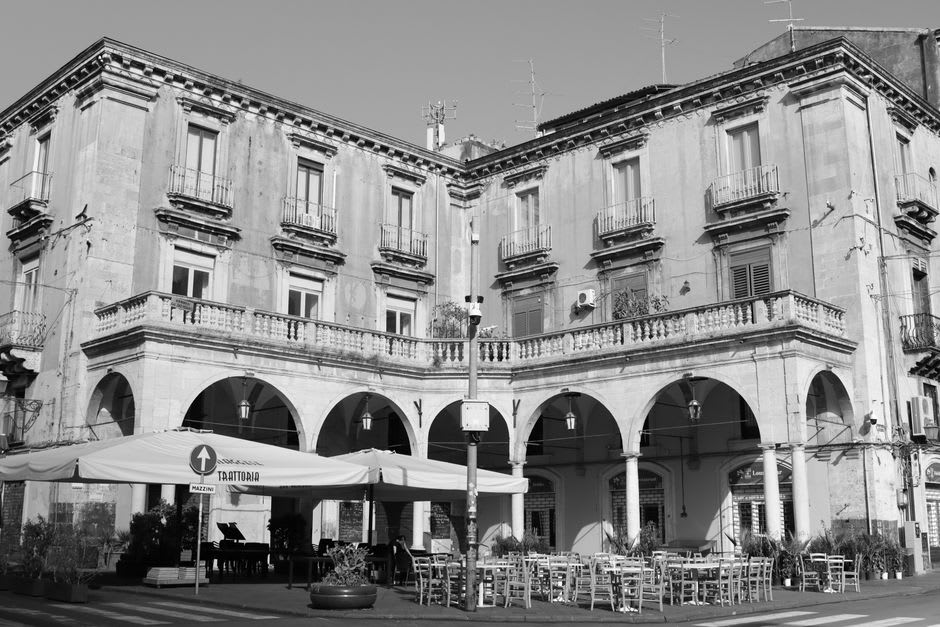
The old town itself, wrapped around the cathedral in a knot of medieval alleys, has a handsome, lived-in quality — balconies with ironwork, small piazzas where old men play cards in the shade, none of it performing for an audience because there mostly isn’t one. It made for a strange contrast with Bari’s old town twenty minutes away, thick with visitors doing exactly the same walk Bitonto offers in near silence.
When to go: Late October through November for the olive harvest, when the frantoi are working and the new oil is available to taste. Spring is equally good for the cathedral and the quieter version of Puglia’s historic centers, without the harvest-season traffic on the country roads.