Altamura
"I drove forty minutes out of my way for a loaf of bread and I would do it again tomorrow."
Home of the DOP bread so good it has its own protected designation, a Norman-Swabian cathedral, and a 250,000-year-old Neanderthal skeleton found in a cave nearby.
I will admit the reason I went to Altamura was bread, specifically Pane di Altamura, the first bread in Europe to receive DOP protected designation of origin status, made from durum wheat semolina grown on the surrounding Murge plateau, with a thick, almost architectural crust and a dense golden crumb that stays fresh for over a week — a property that in the past let shepherds and farm workers carry a loaf into the fields for days at a time. I had read about it for years. I did not understand it until I bought one still warm from a wood-fired oven near the cathedral and ate a piece standing in the street, which is not something I usually do with bread.
The bakeries that make it properly — and there is a real difference between the traditional forno-baked version and the mass-produced stuff sold as “Altamura style” elsewhere — stamp their loaves with a wooden seal identifying the baker, a tradition dating back to when families would shape their dough at home and carry it to a communal oven, marking it so nobody’s loaf got mixed up with anyone else’s. Some of the ovens in Altamura’s old town have reportedly been in continuous operation since the thirteenth century, which is a claim I cannot verify but wanted very much to believe while standing in the doorway breathing in that smell.
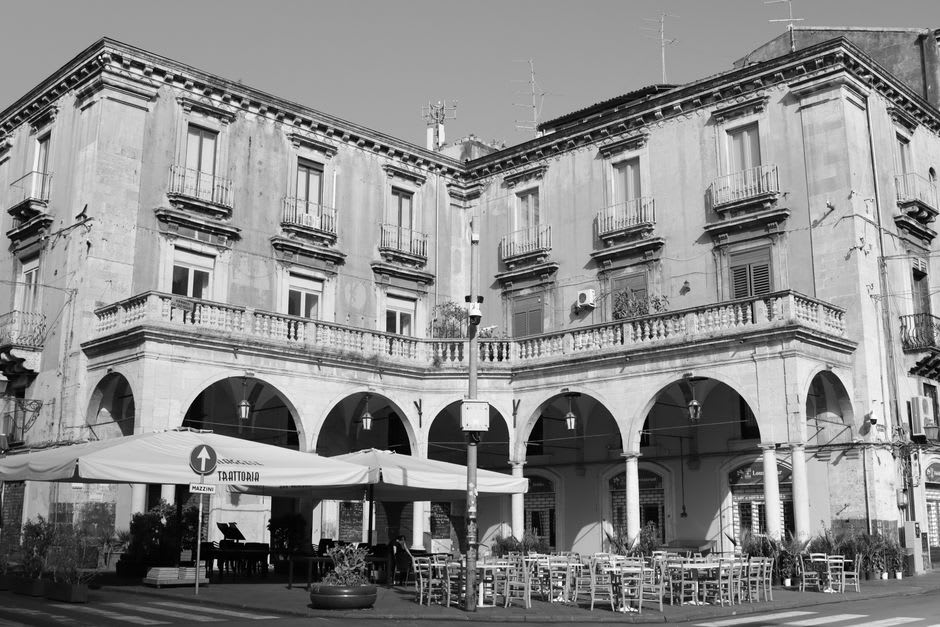
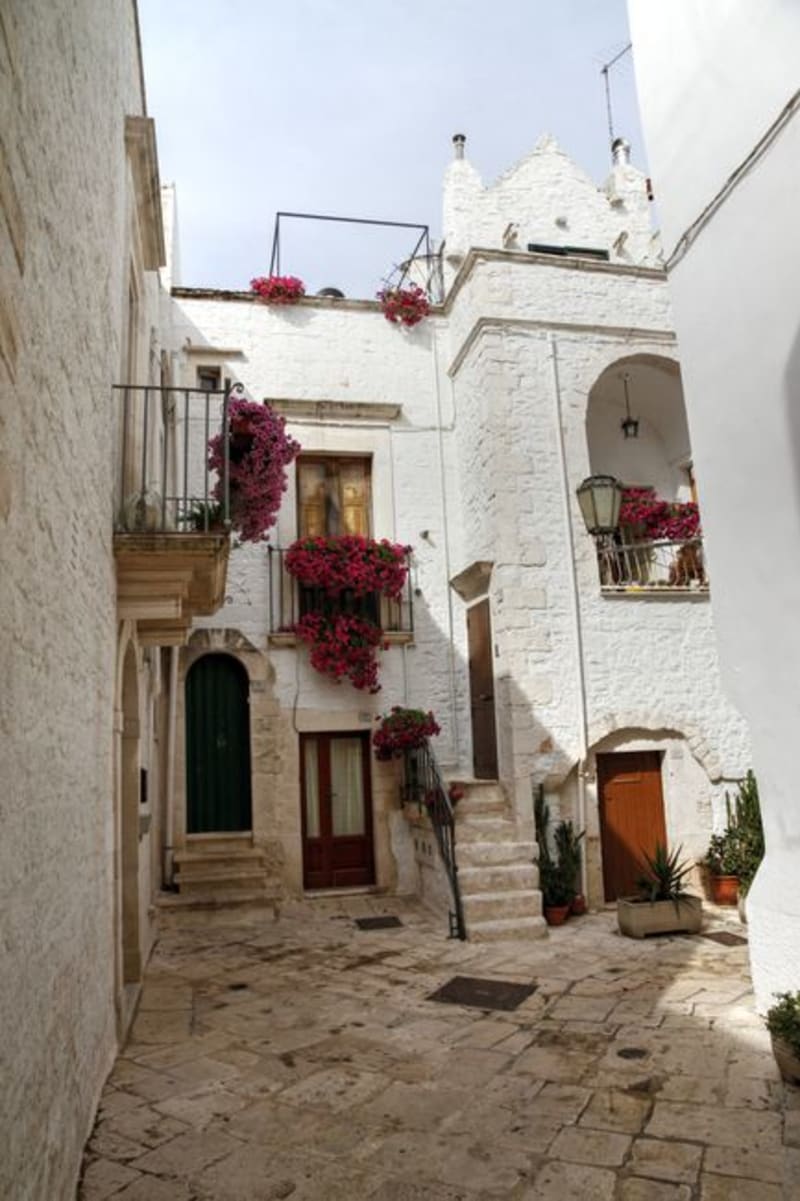
The town itself, beyond the bread, has a handsome Cattedrale di Santa Maria Assunta commissioned by Frederick II in the thirteenth century, its rose window and carved portal done in the same regional Romanesque-Gothic idiom as Bitonto and Ruvo but with a distinctly grander, more assertive facade, appropriate for a cathedral an emperor personally ordered built. The old town around it, the claustri — a distinctive local urban form of interconnected courtyards behind unassuming street facades, originally built dense and defensible against raids — rewards wandering with a map put away, ducking through archways into unexpected shared courtyards where laundry hangs and children play.
What actually put Altamura on the international map, though, has nothing to do with bread or cathedrals: in 1993, potholers exploring the Lamalunga cave system just outside town found a nearly complete Neanderthal skeleton, encased in calcite formations that had grown over roughly 150,000 years, making it one of the oldest and best-preserved Neanderthal specimens ever discovered. “Altamura Man” is still embedded in the cave rather than removed, too fused to the rock to extract safely, and a small visitor center nearby explains the find with a mix of local pride and genuine scientific significance that I found unexpectedly moving.
When to go: Any season for the bread, which is baked daily year-round, but spring and autumn are best for exploring the claustri courtyards and the Alta Murgia National Park just beyond town on foot without summer heat working against you.
Keep exploring
More from Puglia
 puglia
 Andria
The city that gave the world burrata, still made a few kilometres away in Murgia dairies, and the gateway to the octagonal fortress of Castel del Monte.
Explore puglia
 Ascoli Satriano
A quiet Daunian hill town that turned out to be sitting on top of one of the richest archaeological finds in southern Italy — a pair of Greek marble griffins looted, recovered, and now on proud display.
Explore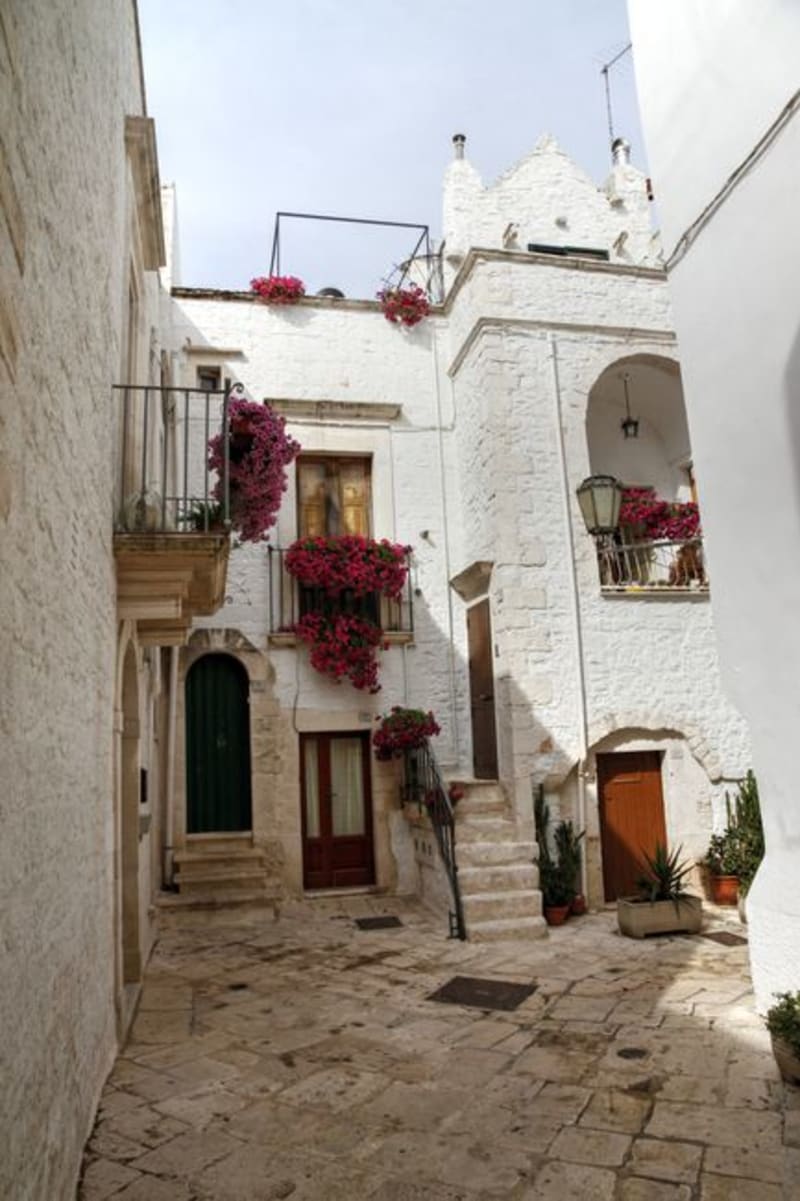 puglia
 Avetrana
A small agricultural town between Taranto and the Ionian coast, ringed by vineyards and almond groves, where nothing much happens and that turns out to be the appeal.
Explore puglia
 Baia delle Zagare
One of the Gargano's signature coves, a crescent of pale sand split by two sea stacks and reached only by a long staircase cut into the cliff.
Explore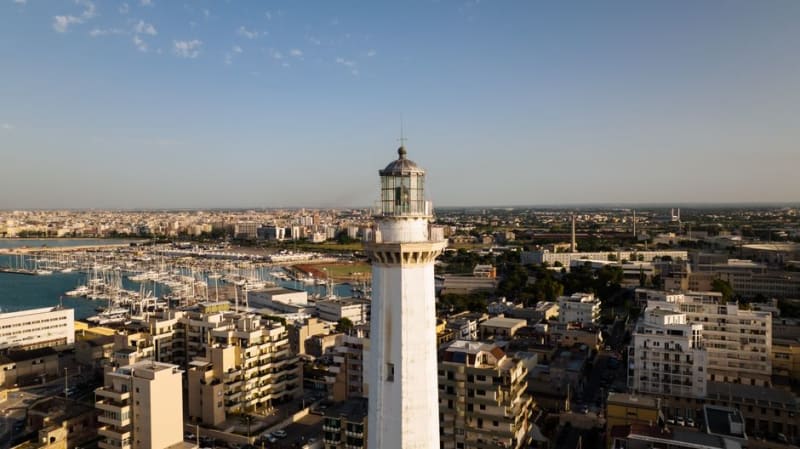 puglia
 Bari Vecchia
The tangled old town of Bari, where nonnas dry orecchiette on tables in the street and every alley seems designed to make you lose your phone signal and your sense of direction at once.
Explore puglia
 Barletta
A northern Adriatic port guarding a five-metre bronze colossus of a Roman emperor, a castle rebuilt by Frederick II, and the site of a medieval duel still celebrated as a matter of national honour.
Explore