Acquaviva delle Fonti
"Acquaviva delle Fonti has one of the last real livestock markets in the region, and I stumbled into it entirely by accident."
A countryside town in the Terra di Bari known for its cured meats and its Wednesday livestock market, ringed by farmland and the masserie that supply the region's butchers.
I had not planned to be in Acquaviva delle Fonti on a Wednesday, and it was only by accident of scheduling that we were, driving through on our way somewhere else when the town’s weekly livestock market spilled out across the edge of the historic center — pens of sheep and small cattle, farmers in worn jackets arguing prices with the specific rhythm of a negotiation that has been happening in more or less the same form for a very long time. We parked and simply followed the noise, an hour we hadn’t budgeted for turning into most of the morning.
The market exists because this stretch of the Terra di Bari has long been serious farming and butchering country, and the town’s cured meat tradition follows directly from it — a local salami and a distinctive style of capocollo that rivals the more famous versions from further south. We found a salumeria just off the main piazza where the owner, overhearing us discuss the market outside, insisted on a tasting before we bought anything, slicing off samples of four different cuts with a knife that looked older than either of us.
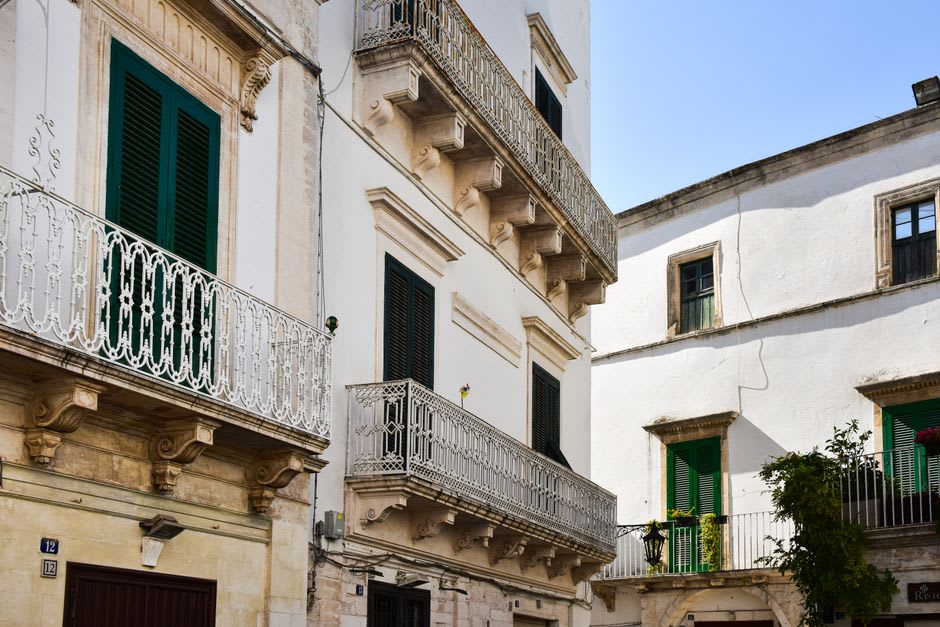
The historic center itself has a genuinely handsome cathedral, rebuilt in the Renaissance over a much older structure, its facade catching a particular gold light in the late morning that made us linger with cameras longer than the rest of our itinerary really allowed. Beyond the cathedral, the streets fall into the same pattern as most of the Terra di Bari’s inland towns — pale stone, tight and defensible, built for a countryside that has not always been peaceful.
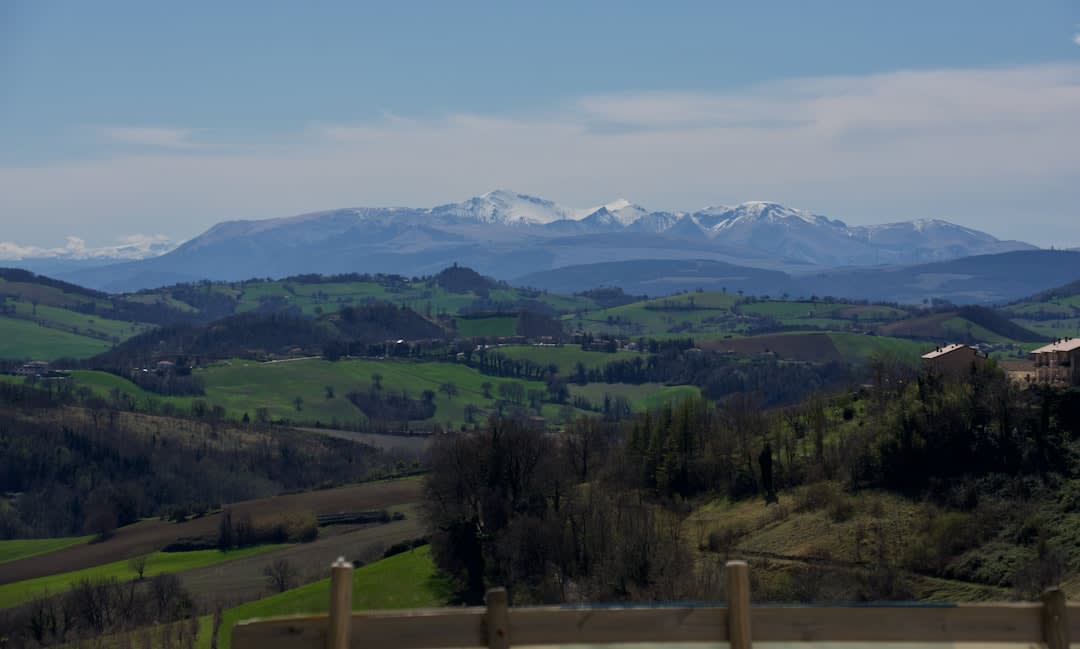
We ate lunch at a masseria just outside town that supplied meat to the same salumeria we’d visited that morning, a lunch built almost entirely around the animals raised on the property — grilled lamb, a rich meat sauce over cavatelli, and a plate of the cured meats we’d already sampled once that day, tasting somehow better in context, eaten at the source rather than off a slicing board in town.
When to go: Wednesday, specifically, if the livestock market is part of the draw — it runs weekly and is the liveliest the town gets. Otherwise, any season suits the historic centre and surrounding masserie equally well.
Keep exploring
More from Puglia
 puglia
 Alberobello
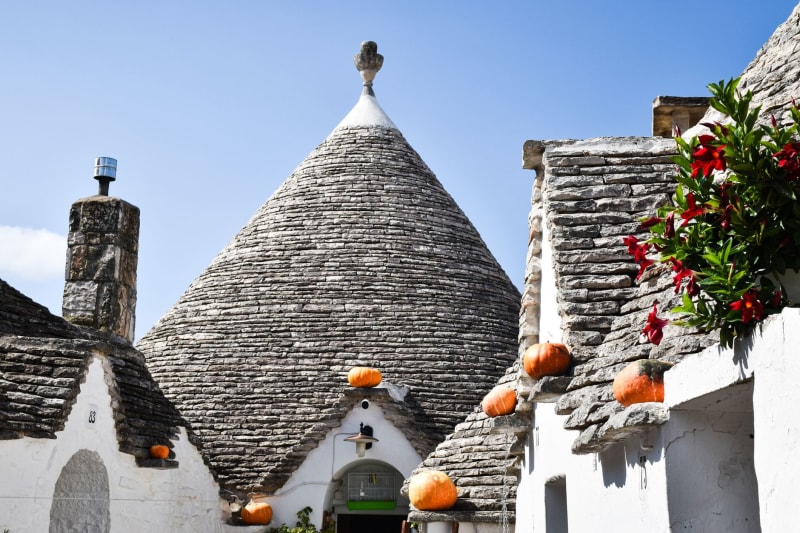
The only town in Europe where the houses look like something a child drew from memory — and somehow it works completely.
Explore puglia
 Altamura
Home of the DOP bread so good it has its own protected designation, a Norman-Swabian cathedral, and a 250,000-year-old Neanderthal skeleton found in a cave nearby.
Explore puglia
 Andria
The city that gave the world burrata, still made a few kilometres away in Murgia dairies, and the gateway to the octagonal fortress of Castel del Monte.
Explore puglia
 Ascoli Satriano
A quiet Daunian hill town that turned out to be sitting on top of one of the richest archaeological finds in southern Italy — a pair of Greek marble griffins looted, recovered, and now on proud display.
Explore puglia
 Avetrana
A small agricultural town between Taranto and the Ionian coast, ringed by vineyards and almond groves, where nothing much happens and that turns out to be the appeal.
Explore puglia
 Baia delle Zagare
One of the Gargano's signature coves, a crescent of pale sand split by two sea stacks and reached only by a long staircase cut into the cliff.
Explore