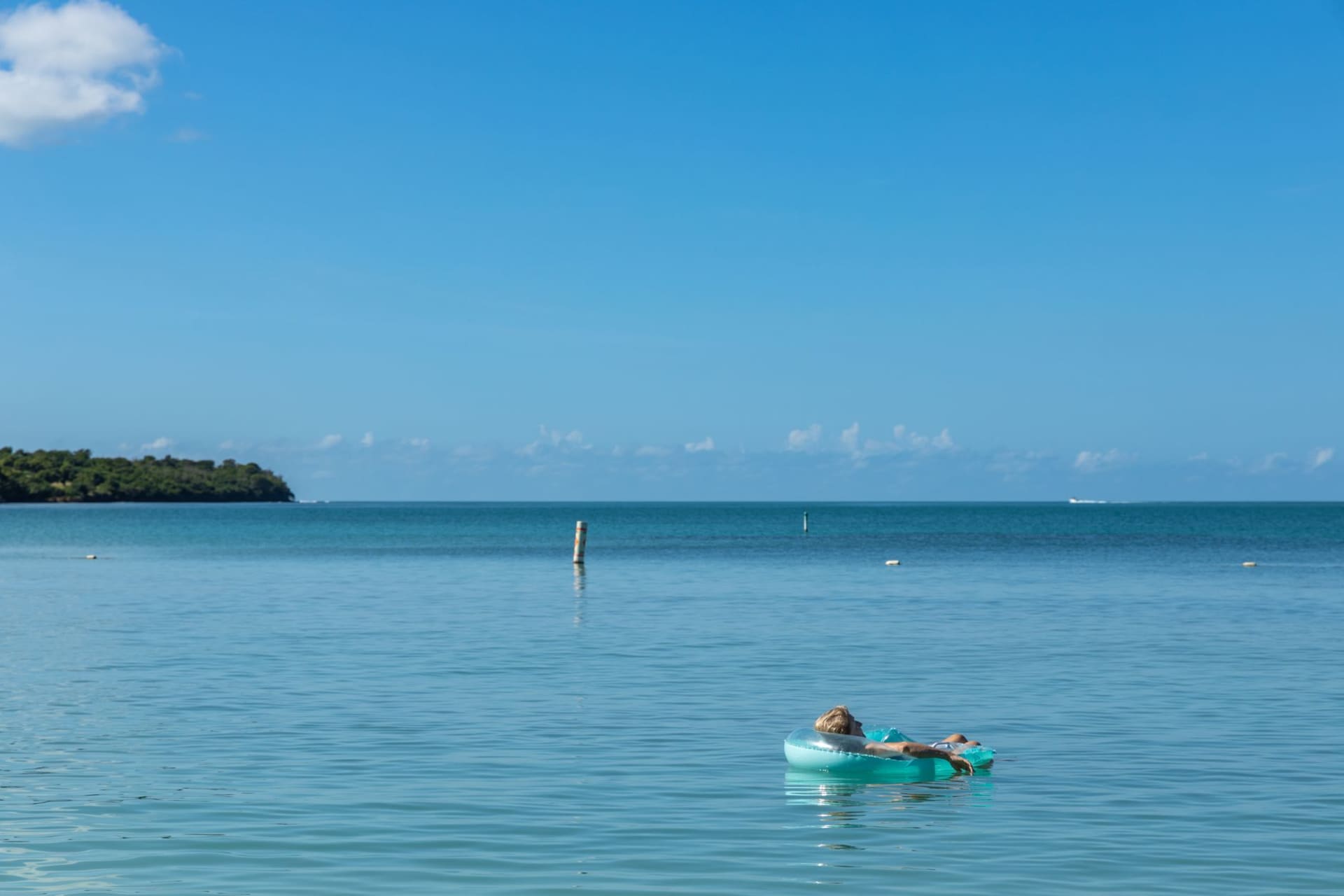
Vieques
"I dragged my fingers through the water and my hand glowed. I did it thirty more times."
The ferry from Ceiba takes about an hour, long enough for the mainland to disappear completely and for Vieques to appear as a dark shape against a sky that seems, out here, about twenty percent larger than anywhere else. The island was used by the US Navy as a training and bombing ground from 1941 to 2003, which means it spent six decades being blown up and left alone in equal measure. The result is a strange and beautiful place — most of the island is now a National Wildlife Refuge, the beaches are largely undeveloped, and the particular wildness of Vieques feels earned rather than curated. There is still unexploded ordnance in parts of the forest. The off-limits signs are sincere.
The wild horses are the first thing most people mention, and they deserve the mention. They roam freely — along beaches, through scrubland, occasionally down the main road — and they have the unhurried manner of animals that have never needed to be afraid of anything. I came around a bend on my rental scooter at dusk and found three horses standing in the road, entirely uninterested in moving. I turned the engine off and waited. They regarded me briefly and walked on, which felt like the correct outcome for both of us.

Mosquito Bay — officially Bioluminescent Bay, locally just “the bio bay” — is the reason most people make this trip, and it earns the pilgrimage entirely. Single-celled organisms called dinoflagellates, living in extraordinary concentration in this enclosed body of water, respond to physical disturbance by emitting blue-green bioluminescence. The science is clear enough. What happens when you put your hand in the water and watch it glow is not a matter of science. I went on a moonless night, in a kayak, with a guide who had done the tour perhaps ten thousand times and still seemed genuinely moved by it. The kayak paddle dipped and came up trailing light. Fish darted below the surface in streaks of cold fire. I swam — some operators allow this, some don’t — and the water ran off my arms in rivulets of blue. Mosquito Bay is the brightest bioluminescent bay in the world. It is the kind of place that makes you reconsider what the word “natural” really means.
Beyond the bio bay, Vieques has beaches that would be world-famous if they were easier to reach: Playa Negra, a black sand beach on the east end; Sun Bay, a half-moon of pale sand near Esperanza town; the confusingly-named Secret Beach, which is neither secret nor hard to find but is genuinely beautiful. The island’s two towns — Isabel Segunda in the north and Esperanza in the south — are small, unhurried, and possessed of the slightly provisional quality of places that spent decades being someone else’s property and are still figuring out what they want to be now that it’s theirs again.

I ate at a place in Esperanza one evening — a small room with good rum drinks and fish caught that day, the windows open to the malecón — and sat outside afterward watching the fishing boats and the lights of the mainland reflecting off the water. The mainland is visible from Vieques on clear nights, close enough to see, far enough to feel genuinely elsewhere. It is the kind of evening that has no particular event at its center and is nonetheless the kind you keep returning to in memory.
When to go: The bio bay is best on moonless nights — plan around the lunar calendar, not just the calendar. December through April is the dry season and the water is at its clearest. Ferries from Ceiba sell out; book ahead for holiday weekends and Friday afternoons. The island rewards staying at least two nights — most people who come for a day trip end up wishing they hadn’t.