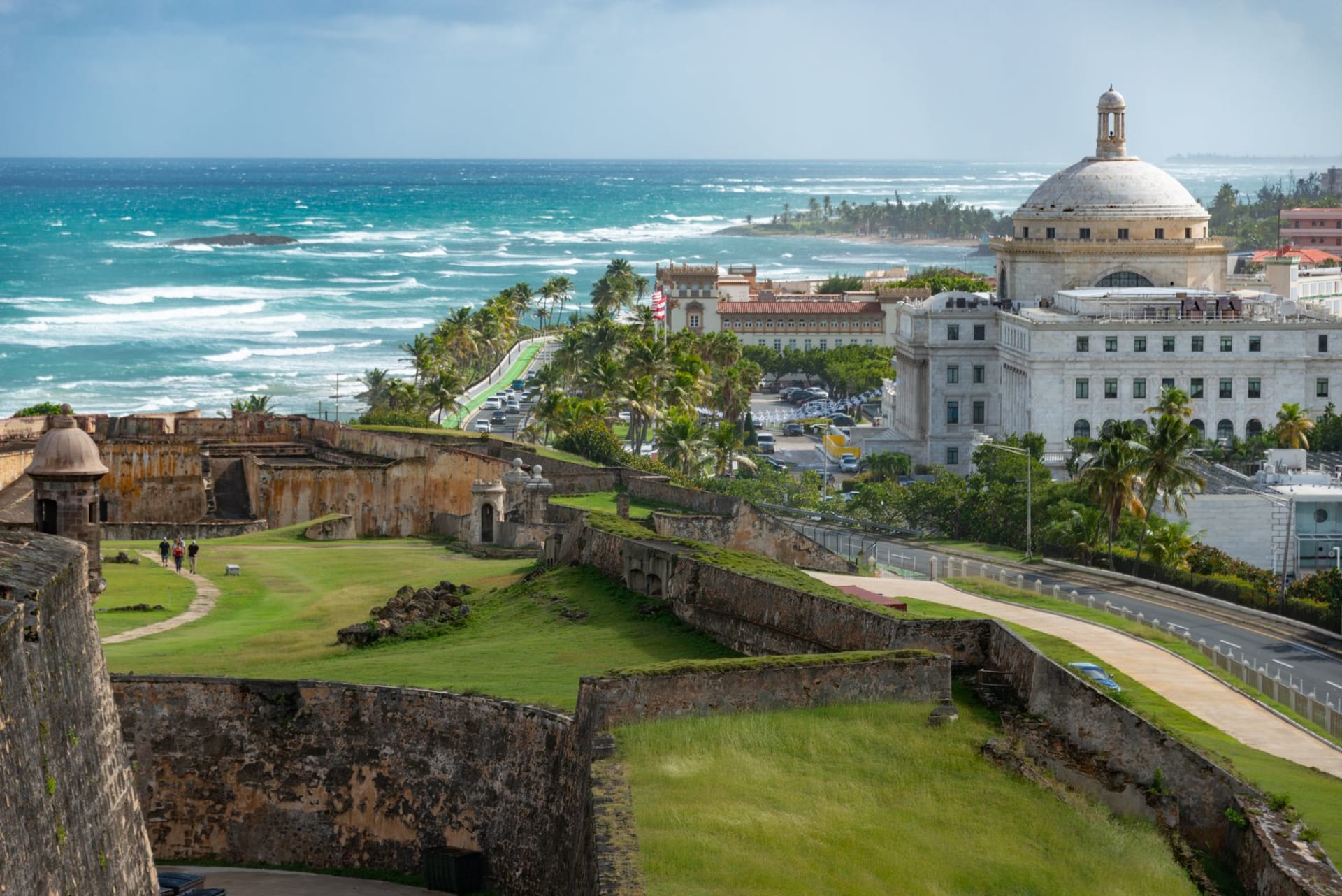
San Germán
"Old San Juan gets the cruise ships. San Germán gets the afternoon to itself."
By the time Lia and I reached San Germán, we’d had our fill of Old San Juan — the beauty of it is undeniable, but so are the cruise crowds and the queues for mallorca pastries. So we drove southwest, across the island and away from the coast, to the town that almost nobody on a typical Puerto Rico trip ever sees. San Germán is the second-oldest settlement on the island, founded in 1573, and it sits on a hill in the agricultural southwest with the unhurried air of a place that stopped competing for attention a long time ago. I loved it almost immediately.
Two plazas and a yellow chapel
The town’s whole character lives in its historic core, which is unusual in that it has two adjoining plazas rather than the standard one. The lower one, Plaza Francisco Mariano Quiñones, is shaded and social; the upper one climbs toward the parish church. But the building everyone comes for is the Porta Coeli — the “Gate of Heaven” — a small ochre-yellow chapel at the top of a flight of brick steps, dating in part to the 17th century and one of the oldest church structures in the Americas.
We climbed the steps in the flat 4 p.m. heat. Inside, it’s now a small museum of religious art, all dark ausubo-wood beams and faded santos, and almost completely silent. An older guardian sat fanning herself by the door and let us wander without a word. Lia, who collects quiet rooms the way other people collect souvenirs, sat on a pew and refused to leave for twenty minutes. I understood. The place has a stillness that the famous churches of San Juan, for all their grandeur, have had polished out of them.
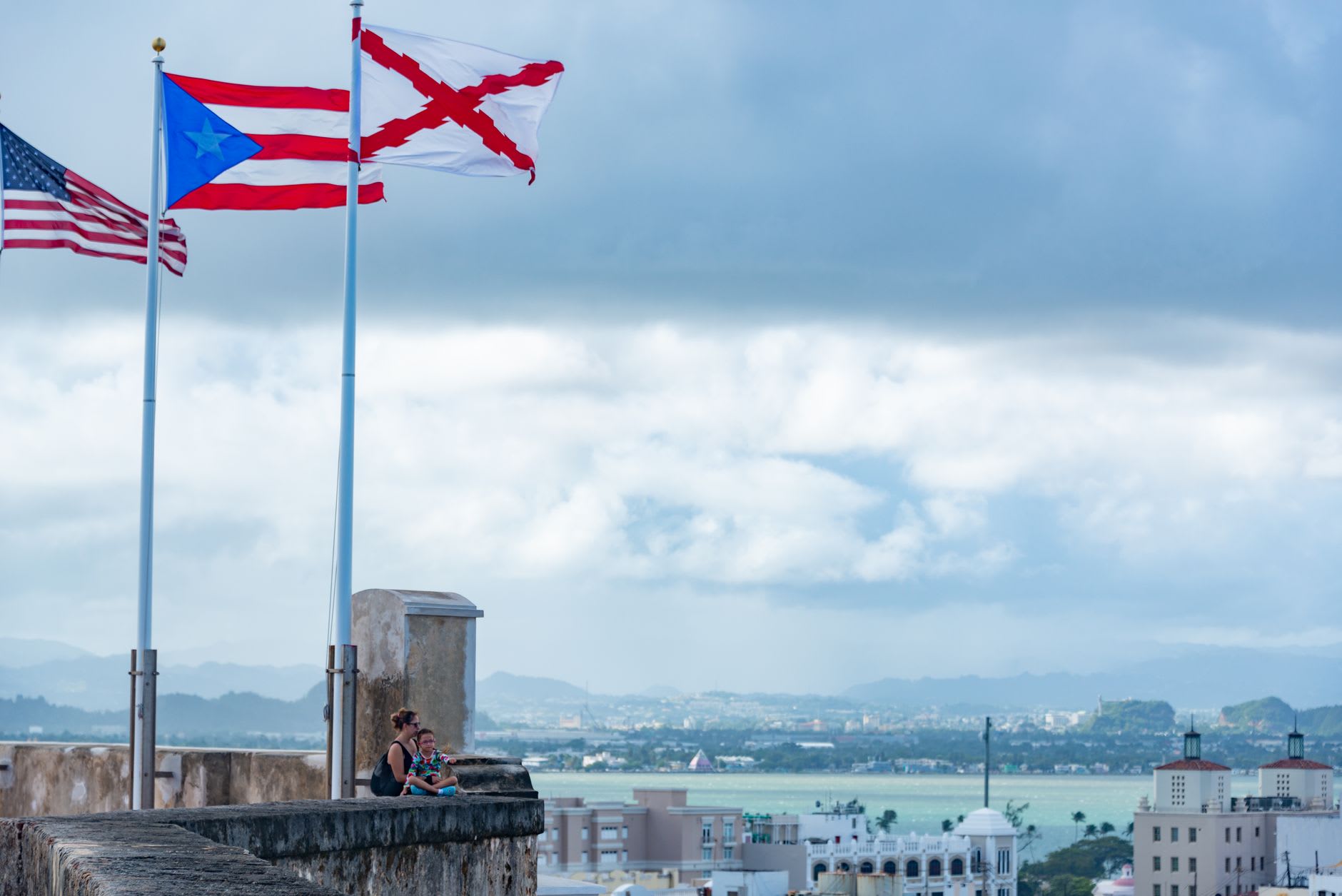
Wandering the colonial streets
Beyond the plazas, San Germán rewards exactly the kind of aimless wandering that I think is the whole point of travel. The streets are lined with houses in faded pastel — coral, mint, butter-yellow — many of them Spanish colonial or criollo in style, with wooden balconies and high shuttered windows. There’s a Neoclassical church, the Iglesia de San Germán de Auxerre, dominating the upper plaza, and around it a tangle of lanes where people actually live: laundry on lines, a man fixing a moped, a domino game underway on someone’s porch.
We found a tiny lunch spot off the plaza where the owner served us mofongo stuffed with shrimp and an aggressively sweet coffee, and lectured us — warmly — on why the southwest is the real Puerto Rico and the tourists are fools to stay in San Juan. He may be biased. He may also be right.
The town makes a perfect base for the wilder southwest, too: the dry forest and salt flats of Cabo Rojo are a short drive, and the bioluminescent bay near La Parguera glows on dark nights. But honestly, the town itself, with its two plazas and its yellow chapel, was enough for me.
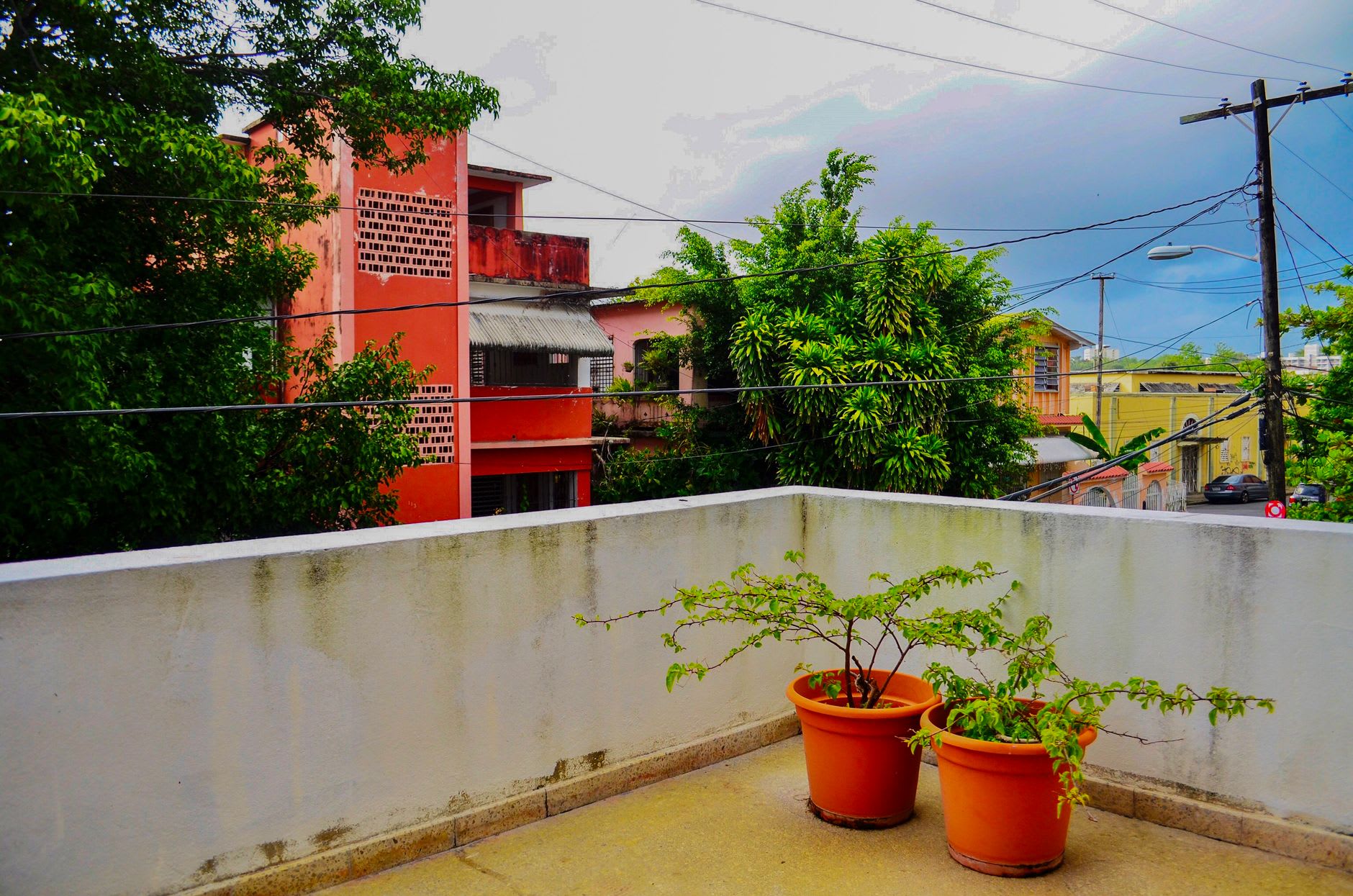
Going, practically
San Germán is best as a half-day on the way between San Juan and the southwest coast, or as a slower overnight if you want the streets to yourself at dusk. Porta Coeli’s museum keeps limited hours and tends to close midday, so come morning or late afternoon. Bring water and good shoes for the hills, and don’t expect much in the way of nightlife — that is, after all, the entire appeal.