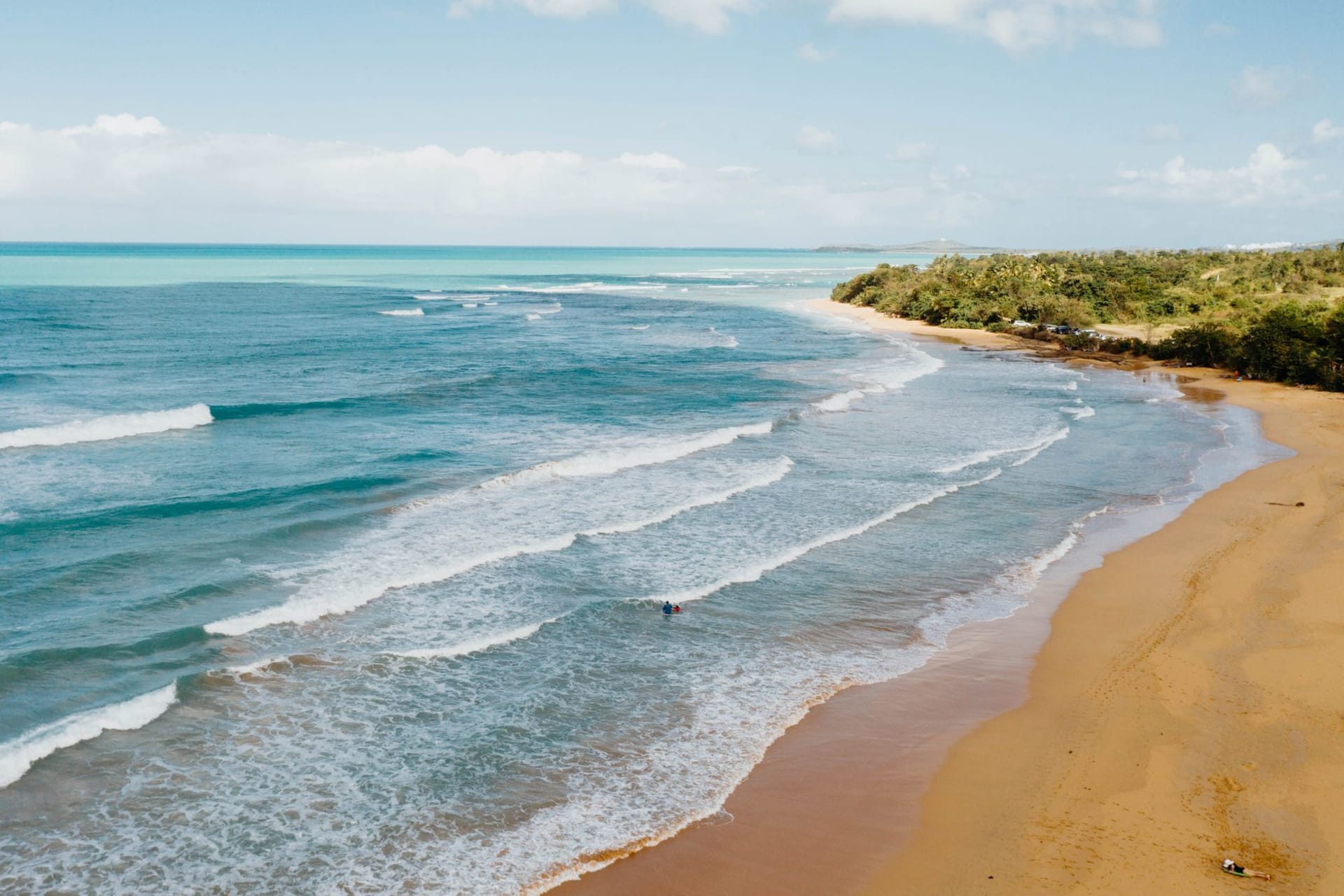
Rincón
"You can watch whales from the beach here. From the beach. This fact has not sunk in yet."
The surf capital of the Caribbean, where humpback whales pass offshore in January and nobody seems to think this is particularly remarkable.

I drove to Rincón from San Juan on a January afternoon, the highway giving way eventually to the narrow coastal road that runs along the west coast, and by the time I pulled into town the sun was setting over the Mona Passage in a configuration of color that felt, honestly, like showing off. Rincón faces west, which means it catches sunsets that the rest of Puerto Rico misses entirely, and this geographical accident has shaped the town’s personality: unhurried, slightly hippie, organized around the rhythm of waves and light rather than business hours.
The surf here is the reason Rincón exists as anything other than a small coastal town. The World Surfing Championship came here in 1968, and the reputation it built never fully left. From November through March, the Atlantic swells hit the northwestern tip of Puerto Rico — particularly at breaks like Tres Palmas, María’s, and The Indicators — with a size and consistency that attract serious surfers from everywhere. I don’t surf, which put me in the position of watching from the beach, a position I found entirely sufficient. There is something hypnotic about watching competent people move through large waves: the timing, the reading of water, the occasional spectacular failure that ends in a churning of white and a surfboard shooting skyward.

January and February bring humpback whales to the Mona Passage, migrating between their North Atlantic feeding grounds and their Caribbean breeding waters. I hadn’t planned around whale season, but I found myself at Punta Higuero lighthouse — a working lighthouse next to the rusted dome of a 1960s nuclear reactor that was decommissioned before ever producing power, one of Puerto Rico’s more surreal landmarks — when a humpback breached maybe 400 meters offshore. Then another. I stood there for forty minutes, and in that time I counted seven separate breaches. Whale-watching boats offer formal tours from the Rincón waterfront, but standing on the point with the surfers working the break below and the whales beyond them is arguably the better version of this experience.
The town itself — the cluster of bars and restaurants along the beach road known as Sunset Strip — has the amiable chaos of a place that has been a surf town long enough to have developed its own culture separate from tourism. There are excellent restaurants, guesthouses where the owners know the surfboard rental guys by name, and a craft beer scene that arrived with the mainland expats and stayed. Puerto Ricans from San Juan come here for long weekends and bring their families. The mix is genuine rather than engineered.

Domes Beach, named for the reactor, has a different wave character than the northern breaks — gentler, more forgiving — and on weekday afternoons you can swim there with a handful of people and feel like you have the western coast entirely to yourself. The small fishing town of Añasco, a few minutes south, sells fish from boats pulled up on the beach. I bought a snapper from a fisherman who was also texting someone and appeared entirely unconcerned about the transaction, which felt like the right energy.
When to go: For surf, November through March is the main season — the larger swells arrive from the north. For whale watching, January and February peak, but sightings can happen from December through March. Summer brings calmer water, less wind, and easier swimming but smaller waves. Weekend nights at the restaurant bars are lively year-round; weekday Rincón is considerably more quiet and correspondingly more pleasant.
Keep exploring
More from Puerto Rico
 puerto-rico
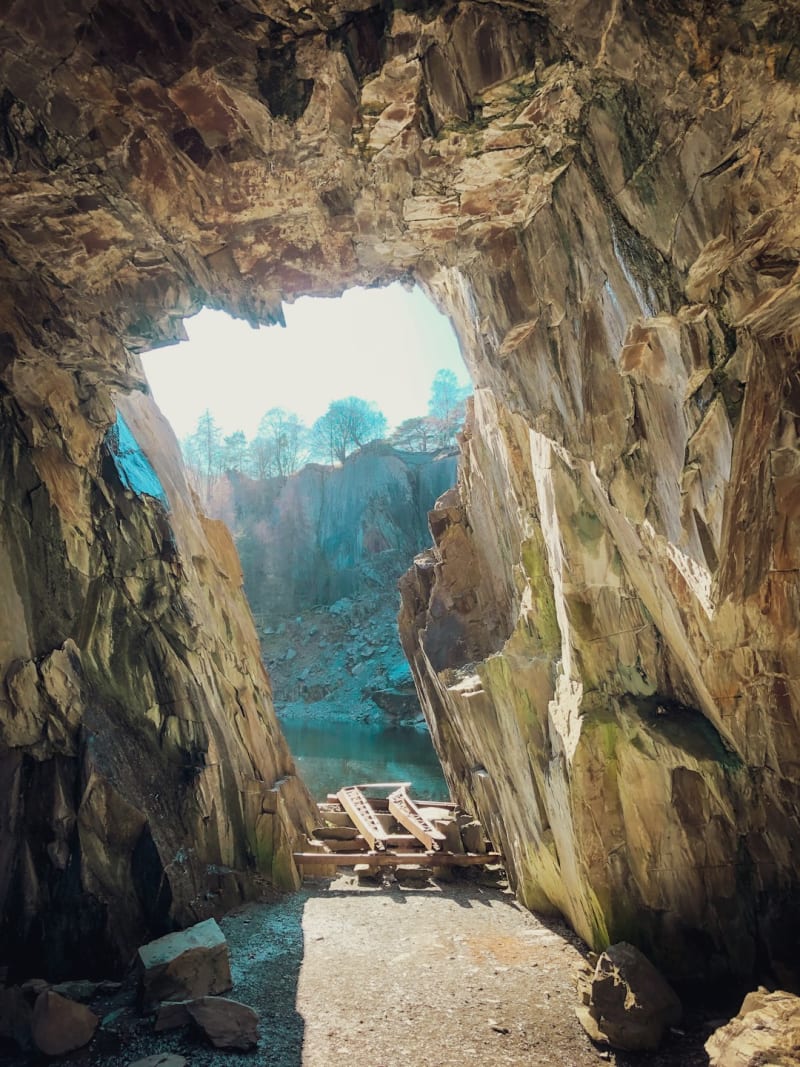
 Rio Camuy Cave Park
Deep in Puerto Rico's karst country, a million-year-old cave swallows a river and a chunk of daylight along with it.
Explore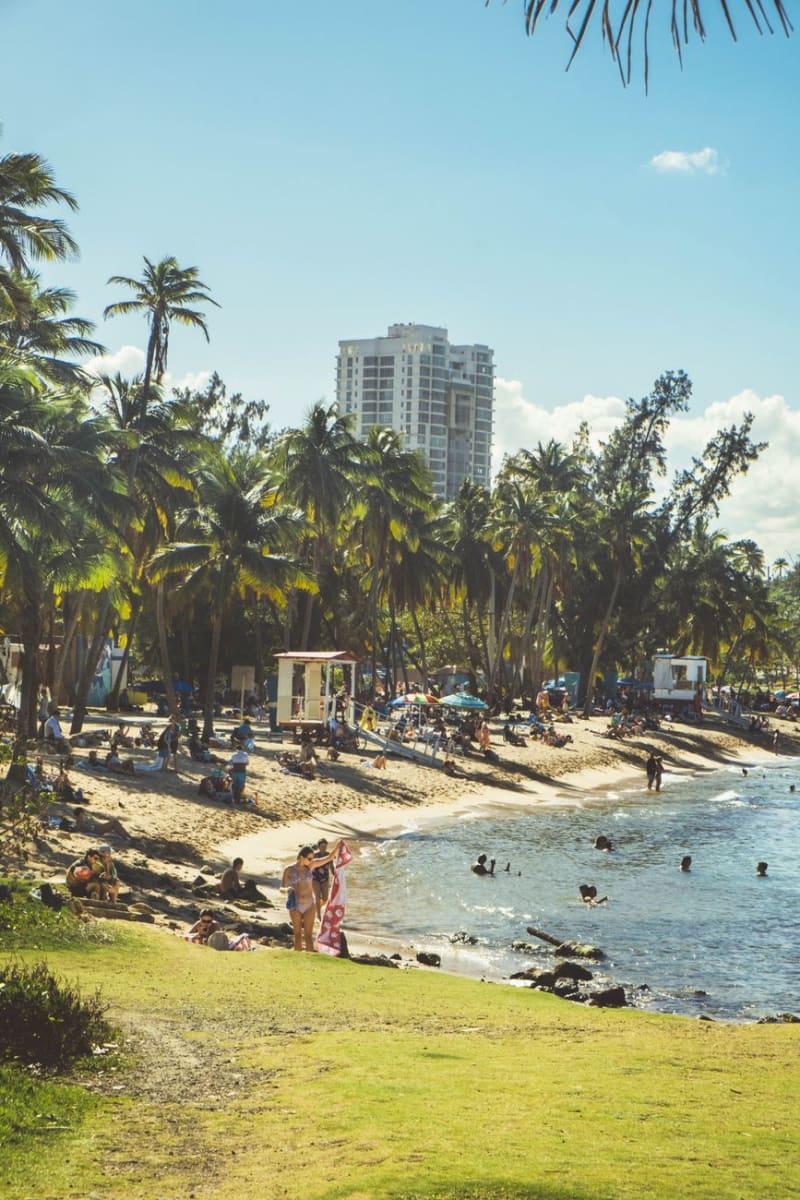 puerto-rico
 San Germán
Puerto Rico's second-oldest town, a hill of pastel colonial houses and twin plazas where the island's history sits quietly away from the coast.
Explore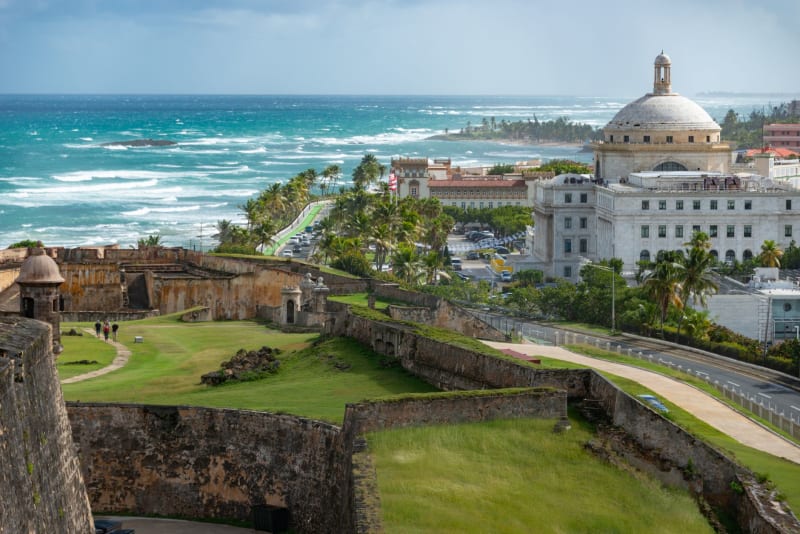 puerto-rico
 Santurce
San Juan's most honest neighborhood — a street-art-covered arts district by day that turns into the island's loudest outdoor party by Thursday night.
Explore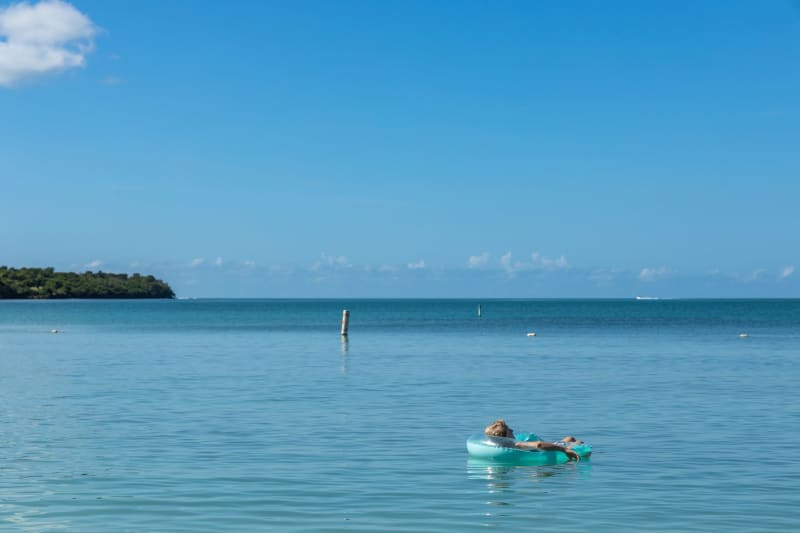 puerto-rico
 Vieques
A former US Navy bombing range turned wildlife refuge, where wild horses roam the beaches and the bay glows electric blue at night.
Explore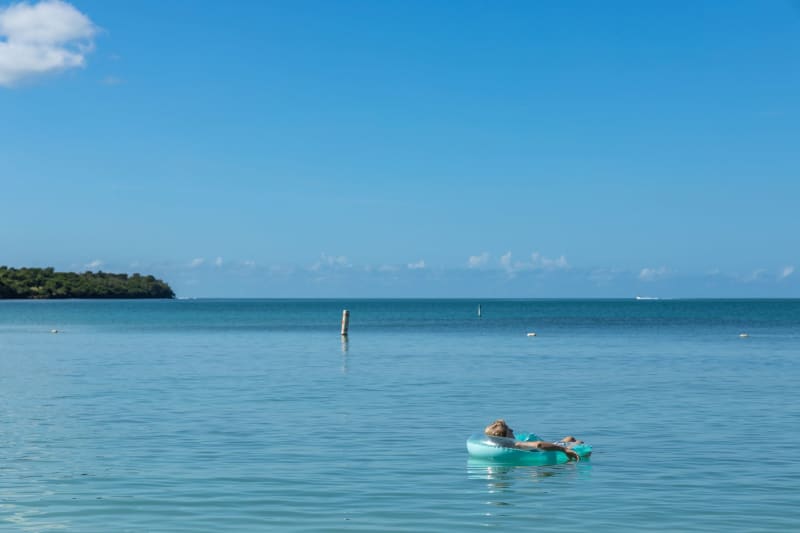 puerto-rico
 Cabo Rojo
At Puerto Rico's southwestern tip, red limestone cliffs drop into turquoise water beside salt flats that turn deep pink at dusk — a landscape unlike anywhere else on the island.
Explore puerto-rico
 Cordillera Central
The mountain spine of Puerto Rico, where coffee grows in the fog, lechón roasts by the roadside, and the island reveals the self it doesn't show the coast.
Explore