
Guanica State Forest
"This is the Puerto Rico nobody puts on a postcard, and that's exactly why I loved it."
A UNESCO-protected pocket of cactus and limestone on Puerto Rico's southwest coast, where the island goes dry, spiky, and quiet.
Everyone who visits Puerto Rico gets sold the same postcard: El Yunque’s dripping green canopy, waterfalls, ferns the size of umbrellas. Lia and I did that too, on a different trip, and it was beautiful. But when a friend in San Juan told us to drive three hours southwest to Guanica instead, I honestly didn’t believe her. A dry forest in the Caribbean? It sounded like a contradiction. Then we stepped onto the Ballena trail at nine in the morning, sweat already prickling under a sun that felt unfiltered, and I understood. This is the largest remaining tract of subtropical dry forest left in the Caribbean, something like 10,000 acres, and UNESCO named it a Biosphere Reserve back in 1981. Nothing here drips. Everything here conserves.
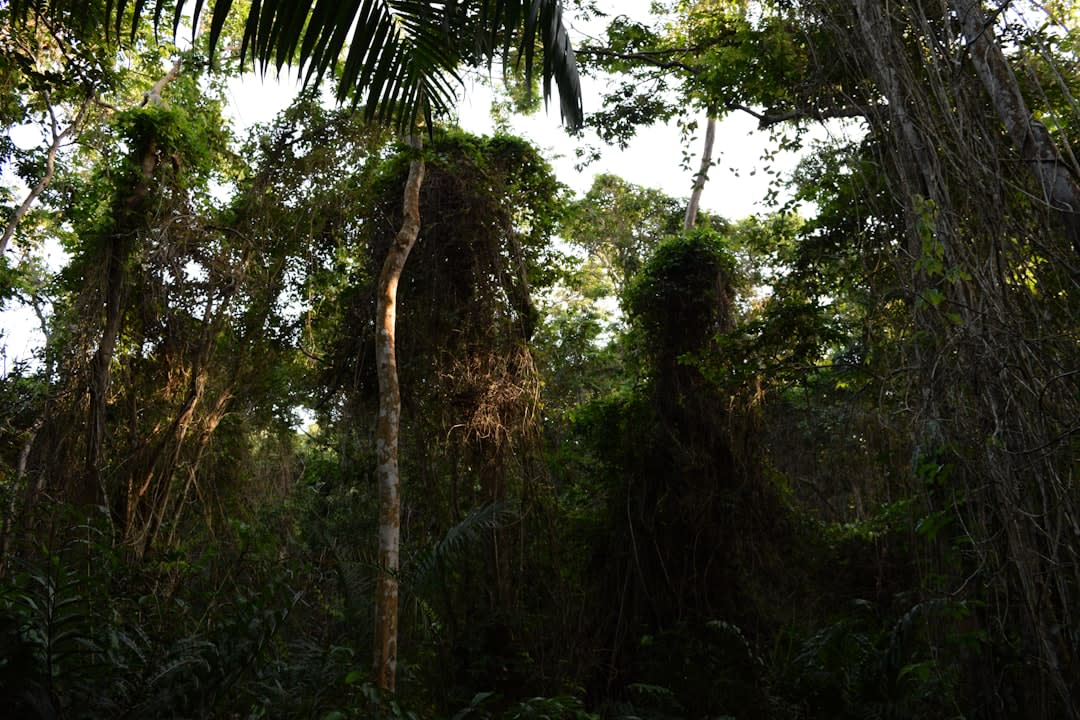
What got me was the density of life packed into something so austere-looking. Over 700 plant species live in this forest, and more than 100 bird species, which is an absurd number for terrain that reads, at first glance, as scrubland and rock. We were hunting, half-seriously, for the Puerto Rican nightjar, an endemic bird that’s nearly impossible to spot but not so hard to hear at dusk. We never saw one. We heard something call twice near the ridge above the bay, and Lia grabbed my arm like we’d found buried treasure. Maybe it was the nightjar. Maybe it wasn’t. I’ve decided to believe it was.
The trails themselves wind over limestone hills that feel almost lunar compared to the rest of the island, pale rock underfoot, organ-pipe cacti leaning at odd angles, hardly any shade past mid-morning. We brought twice the water we thought we’d need and still finished the bottles. Toward the end of the hike the trail drops you near Guanica Bay, and standing there I kept thinking about the fact that this calm stretch of coastline is where the United States began its 1898 invasion during the Spanish-American War. It’s strange, looking at pelicans gliding over flat turquoise water, to picture warships anchoring there instead. History doesn’t announce itself in a place like this. You have to already know to feel it.
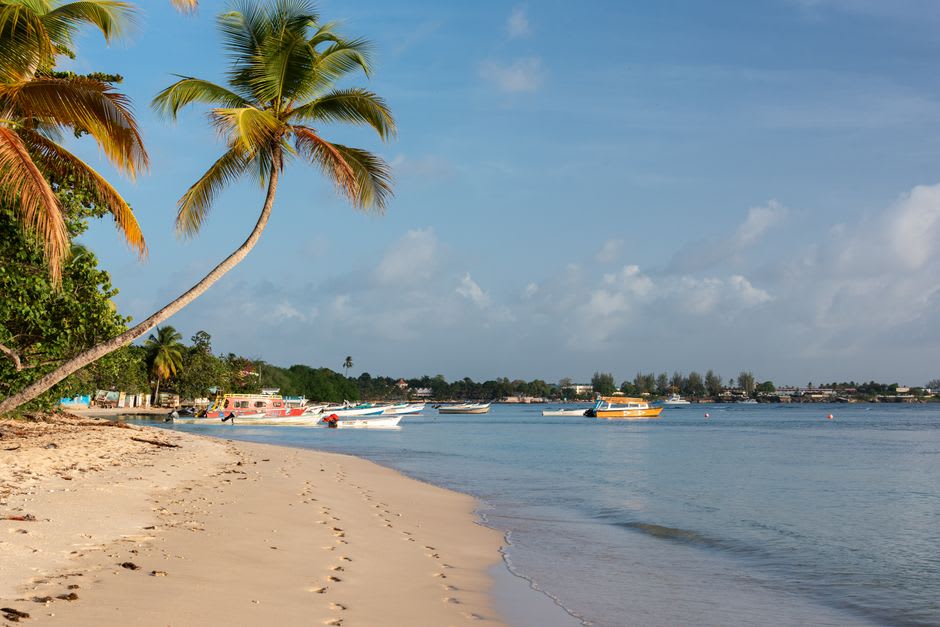
We ended the afternoon at a roadside kiosk near La Parguera eating fried mahi and drinking cold Medalla, comparing notes on how different this side of Puerto Rico felt from the rainforest we remembered. Guanica doesn’t try to impress you the way El Yunque does. It’s quieter, harder, more particular, and I think that’s why it stuck with me more.
When to go: We went in February, and it’s really the only sensible window — aim for the dry season, December to April, since the trails turn punishing and the heat gets relentless outside of it.