Culebra
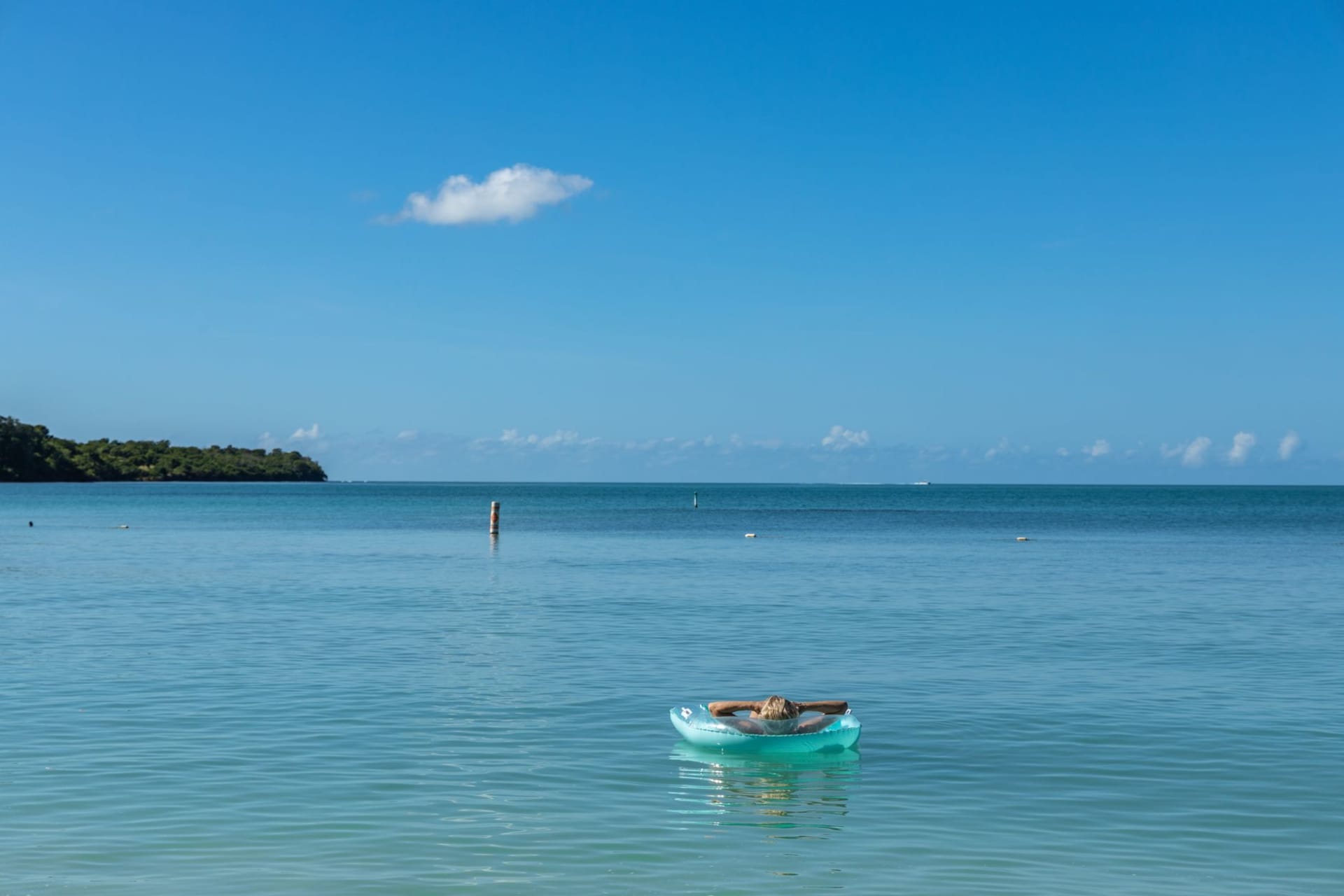
"Flamenco Beach at seven in the morning, before anyone else arrives — this is what the Caribbean was before it knew about itself."
The ferry from Ceiba drops you in Dewey, Culebra’s only real town, at a dock so small and low-key that it takes a moment to register as a port of entry to anywhere. Dewey is a handful of streets: a pharmacy, a grocery store that runs low on things by Friday, a few guesthouses, the canal where boats sit tethered in the green water. The whole island has about 2,000 residents. There are almost no traffic lights. There is, on the northwest corner, one of the most beautiful beaches in the Caribbean.
Flamenco Beach is a horseshoe of white coral sand — fine enough to squeak underfoot — backed by green hills and facing water that shifts through five or six shades of blue depending on depth and angle of light. I arrived on a Thursday morning early enough to have a long stretch of it essentially to myself, which required only mild effort: a twenty-minute bike ride from Dewey and arrival before ten. By noon the beach fills. By two it empties again, because this is Culebra, and nothing stays busy for long.

The two abandoned WWII-era military tanks rusting at the far end of Flamenco Beach are among the most compelling objects in Puerto Rico. Painted in murals — psychedelic fish, political slogans, portraits, abstractions that have weathered into something accidental and beautiful — they sit incongruously at the edge of paradise, their presence unexplained to first-time visitors and entirely unremarkable to anyone who’s been here before. I spent an unreasonable amount of time looking at them. The juxtaposition — military rust and reef water and spray paint — felt very Puerto Rican: history showing up uninvited and being absorbed rather than resolved.
The real snorkeling is at Carlos Rosario Beach, a fifteen-minute walk over a small headland from Flamenco. A reef runs close to shore in water so clear that from the surface you can read the species: elkhorn coral, parrotfish in their iridescent green, sergeant majors defending invisible territories with great seriousness. There is a coral shelf that drops off abruptly to deeper blue, and hovering at that edge with fins on and mask down — the wall below you, the bright shallow fish above — is one of the cleanest sensory experiences Puerto Rico offers. Culebrita, the small island off Culebra’s east coast, can be reached by water taxi and has another beach — Playa Tortuga — where leatherback turtles nest from spring through summer.

Dewey in the evenings has the feeling of a town that has accepted its limitations and made peace with them. There are maybe six restaurants operating at any given time, two or three bars, a handful of guesthouses. One of the bars shows movies on a projector against an outside wall on certain nights. I ate grilled snapper at a picnic table under a plastic roof and drank a cold Medalla, and the person at the next table was telling someone about a mahi they had caught that morning, and it all felt exactly as provisional and correct as it should.
When to go: December through April is reliably dry and the water is calm. Summer brings more local visitors and occasional easterly swells, but the water stays warm and blue year-round. Ferries from Ceiba run several times daily but sell out fast on holiday weekends — book online in advance. If you’re going for more than a day trip, stay at least two nights; the island’s rhythm requires time to settle into, and leaving too soon feels like having left a conversation in the middle.