A honey-stone Luberon village where Renaissance towers, a Nobel laureate's grave, and a Friday market slow every clock to noon-wine pace.
Lia and I arrived in Lourmarin the way you’re supposed to arrive anywhere in the Luberon: too fast, windows down, and completely unprepared for how the light changes once you cross into the Vaucluse. We’d been chasing lavender fields all morning and got there by early afternoon, parked outside the walls because the streets are barely wide enough for a bicycle, let alone our rental, and walked in not really knowing what we were looking for. What we found was one of Les Plus Beaux Villages de France doing exactly what that title promises — stone houses leaning into each other over alleys so narrow the shadows never fully lift, even at 2pm in June.
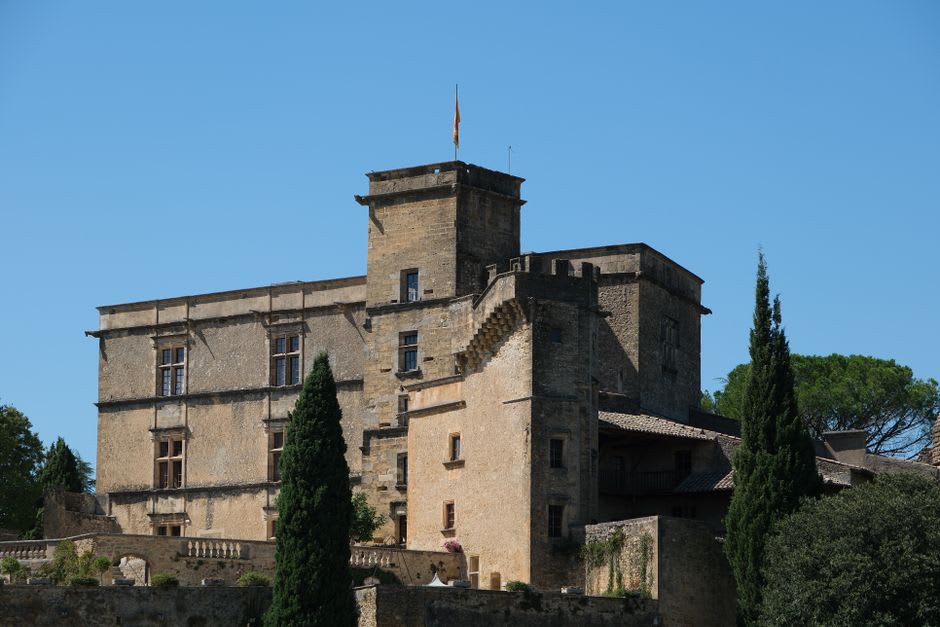
The Chateau de Lourmarin is what pulls you toward the edge of the village, and it deserves the pull. Built across the 15th and 16th centuries, it’s considered one of the first Renaissance-style chateaux raised in Provence, and you can feel the shift in it — this isn’t a defensive medieval keep, it’s something built to be beautiful on purpose, with a spiral staircase and a sculpted ceiling that made Lia stop mid-sentence. I remember standing in the courtyard trying to explain to her why this mattered architecturally and giving up halfway through because the stone was doing a better job of explaining it than I was.
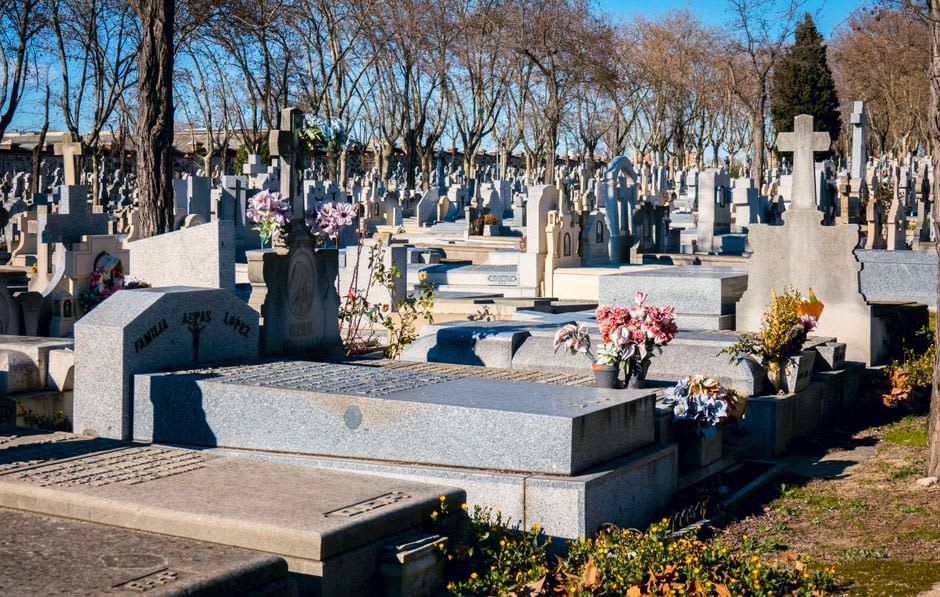
What I didn’t expect was how much the cemetery would stay with me. Albert Camus lived nearby, in a house he bought with his Nobel Prize money, and he’s buried in the village cemetery along with the novelist Henri Bosco — two very different writers, resting a few rows apart, under a sun that doesn’t ask permission. I’m not a particularly sentimental traveler, but I sat on the low wall there for a while, thinking about L’Etranger and how strange it felt to read Camus in a French classroom as a teenager and then, twenty years later, stand next to his actual grave with dust on my shoes.
We ended the day the only reasonable way: a glass of rosé at a café table angled just enough to catch the last sun, watching shopkeepers roll down their shutters. Lourmarin sits at the edge of Luberon wine and lavender country, and you taste that geography in everything — the wine, obviously, but also the honey and the tapenade a vendor pushed on us at a stall that was already half-packed up. It’s a village built for lingering, not checking boxes.
When to go: Aim for May or June, when the weather is mild, the Friday market is in full swing, and the summer crowds haven’t yet found their way up into the hills.
Keep exploring
More from Provence
 provence
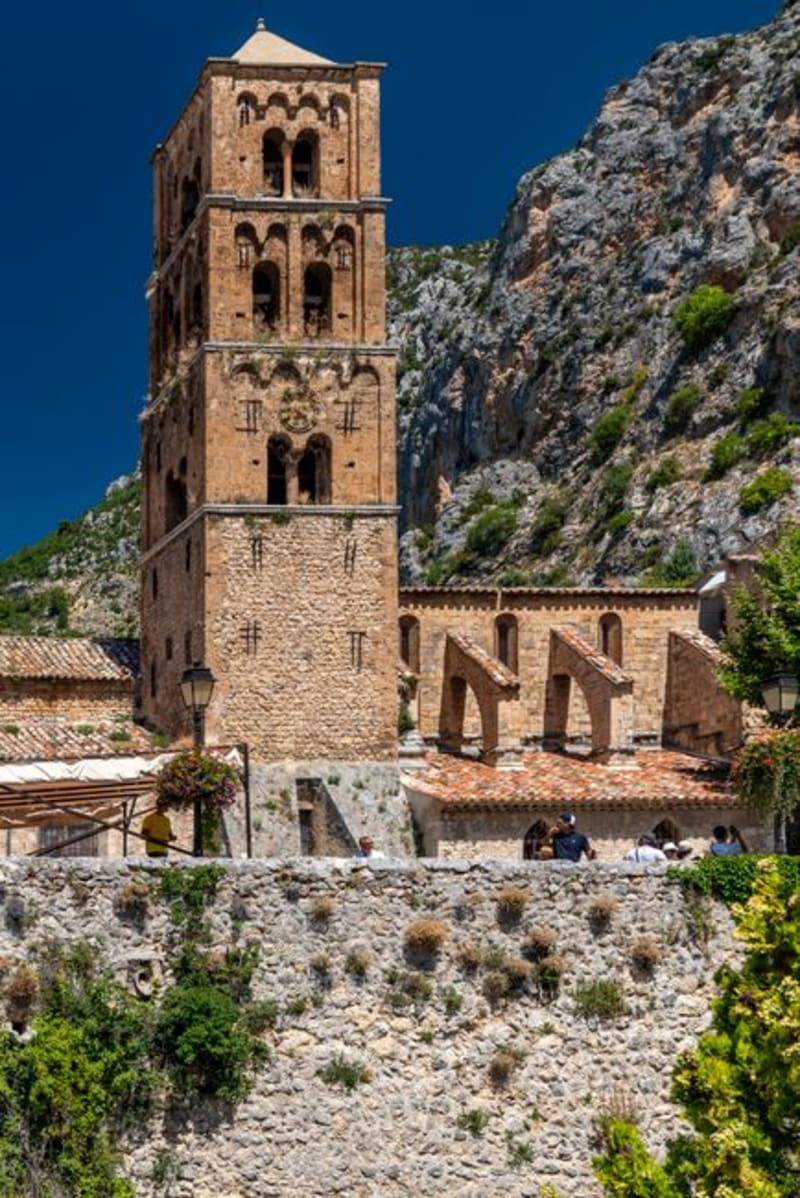
 Moustiers-Sainte-Marie
A cliffside village of glazed pottery and stone bridges, watched over by a gilded star strung between two limestone peaks.
Explore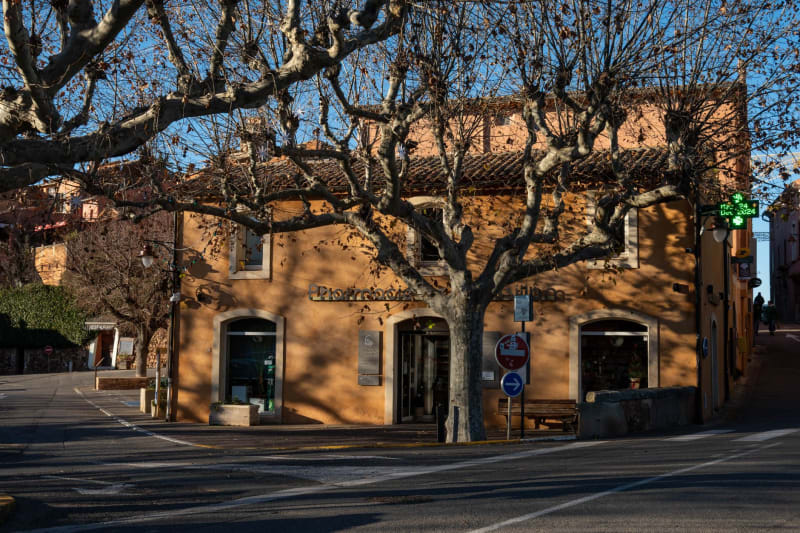 provence
 Roussillon
A village built from its own earth, where seventeen shades of ochre run from the cliffs through every wall and doorframe.
Explore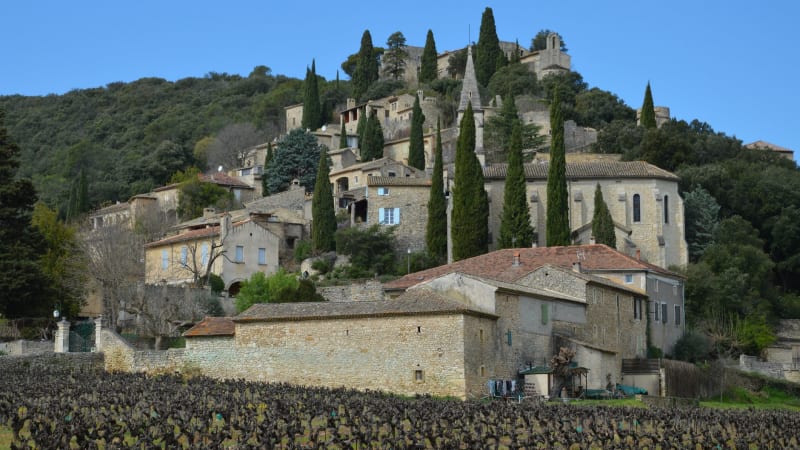 provence
 Vaison-la-Romaine
A town where Roman streets and medieval lanes share the same valley, separated by a single-arch bridge that has outlasted every government.
Explore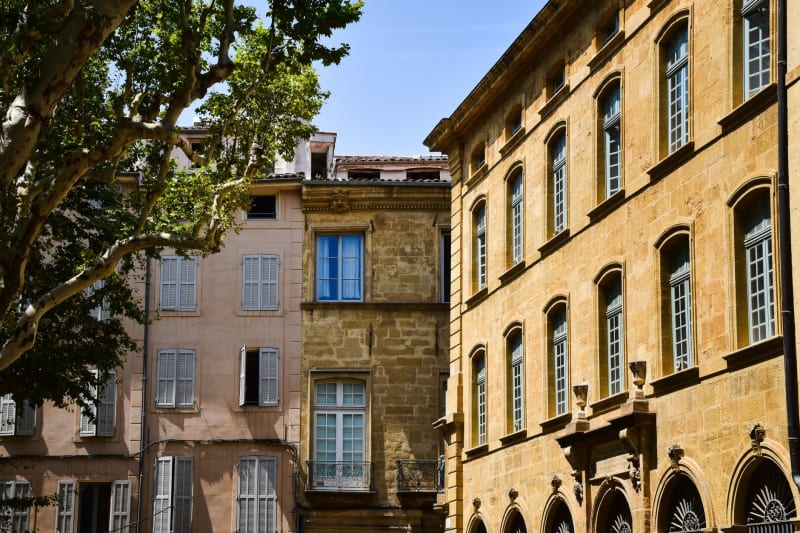 provence
 Aix-en-Provence
Cézanne's city of fountains and plane trees, where the Saturday market on Cours Mirabeau runs like a civic ritual.
Explore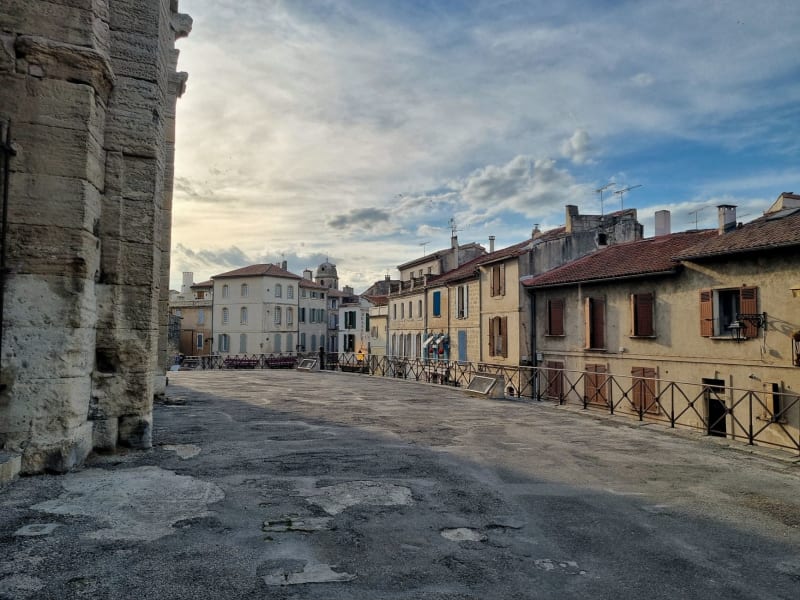 provence
 Arles
A Roman city still operating on Roman time, where an amphitheatre holds bullfights and Van Gogh painted his best yellows.
Explore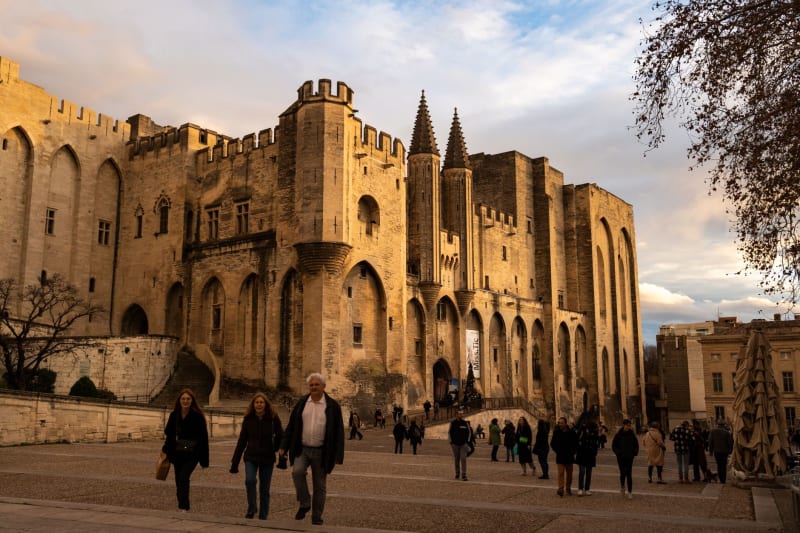 provence
 Avignon
A medieval city still living inside its papal walls, where the Rhône curves close and the mistral never quite leaves.
Explore