Almada
"Everyone photographs Lisbon from the water — almost nobody bothers to cross it and look back, which is exactly why you should."
The unglamorous side of the Tejo, where a giant Christ statue watches over Lisbon and a rickety panoramic lift drops you straight onto a working riverfront.
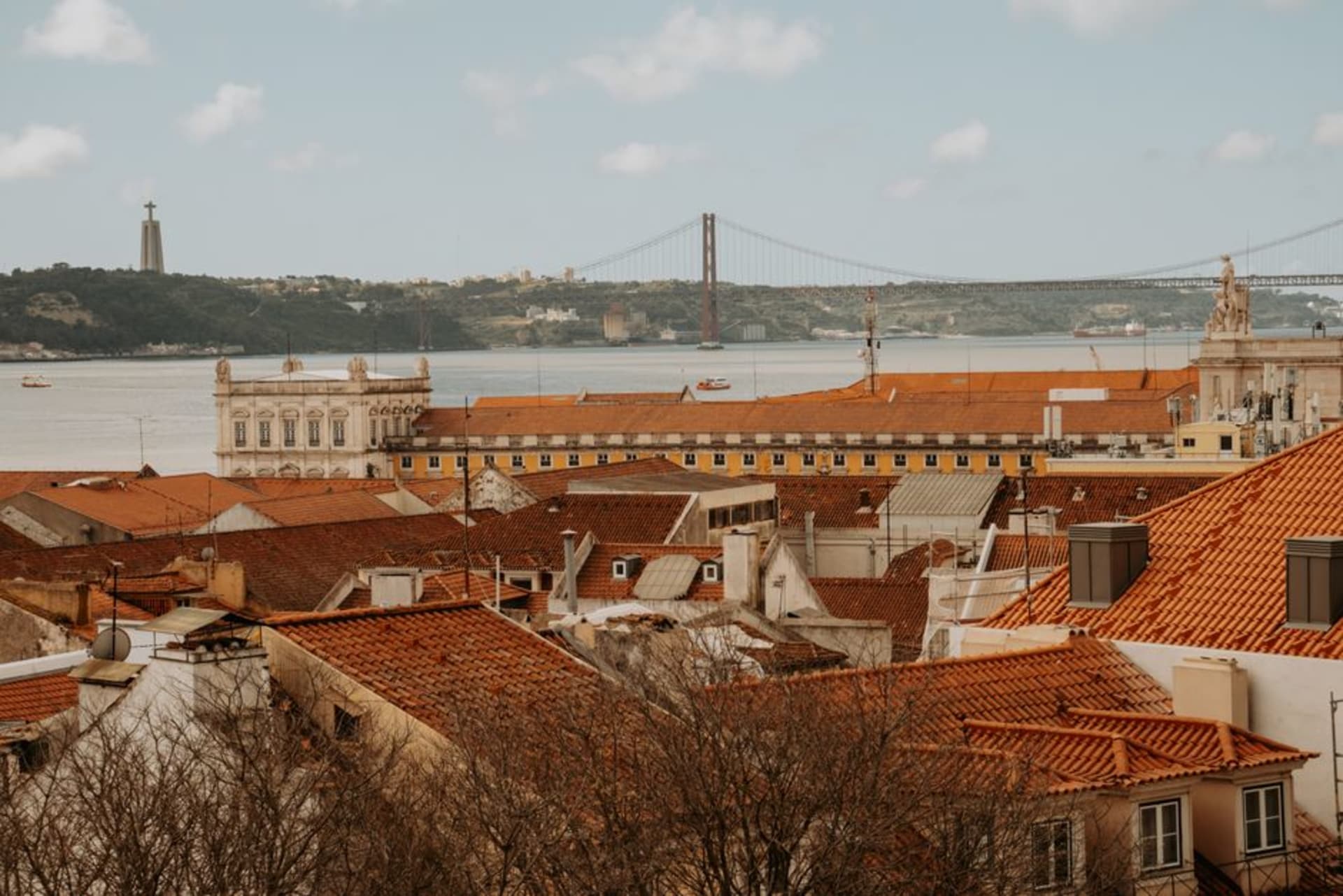
I took the ferry from Cais do Sodré, ten minutes across brown-green water that smelled faintly of diesel and salt, and watched Lisbon’s hills recede into that postcard skyline everyone photographs from exactly the spot I was leaving. Almada sits directly across the Tejo from the capital, close enough that most visitors never bother crossing, which is a shame, because the view back toward Lisbon from this side — the castle, the pastel buildings climbing the hills, the 25 de Abril bridge slung red-orange overhead — is better than any angle you get from the Lisbon side itself. I came up out of the ferry terminal at Cacilhas into a neighborhood of shipyards and dockworker bars, nothing dressed up for tourists, men drinking small glasses of wine at ten in the morning without a hint of self-consciousness.
Christ the King, Watching Over the River
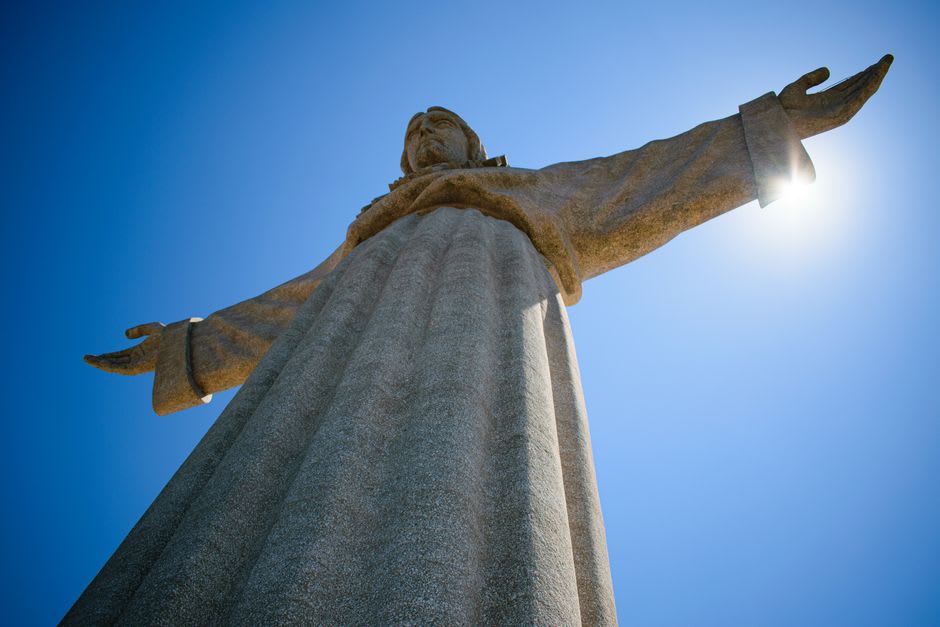
The Cristo Rei statue stands on a bluff above Almada, arms outstretched over the Tejo in direct visual conversation with Rio’s Christ the Redeemer, which isn’t a coincidence — it was built in 1959 after Portuguese bishops promised the monument if the country was spared the destruction of the Second World War. I rode the elevator up inside its pedestal and stepped out onto a viewing platform a hundred meters above the river, wind strong enough to make me grip the railing, the whole of Lisbon laid out across the water like a scale model — the bridge below looking almost delicate from that height, ferries crossing back and forth as small white smudges.
The Elevator That Time Forgot
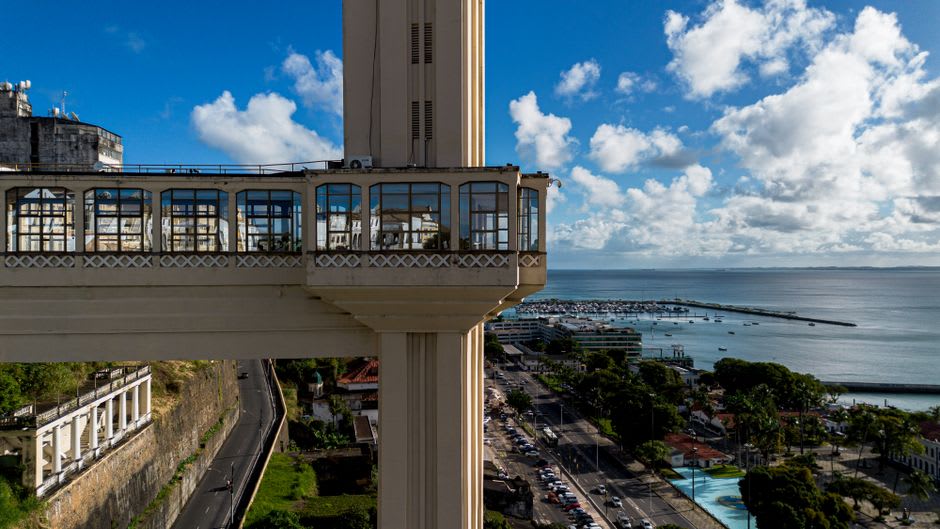
Back down at river level, I found the Elevador Panorâmico da Boca do Vento, a public lift built into the cliff face in the 1990s that carries you down from the old town to the riverfront promenade for the price of a coin, its glass shaft giving a slow, unhurried view over the docks and the water the whole way down. It’s a strange, slightly rickety little piece of infrastructure that most Lisbon-focused guidebooks skip entirely, but locals use it constantly, and riding it down alongside a woman carrying groceries home felt more like real Almada than anything I’d have found staying only across the river.
When to go: Any clear afternoon works, but go right before sunset — the light hits Lisbon’s hills from Almada’s side of the river in a way that makes the ferry ride back feel like the best part of the day.