
I will admit, up front, that I came to Wieliczka expecting a tourist trap. A salt mine, fifteen kilometers from Kraków, that has been on every Polish coach-tour itinerary since the 1700s — how good could it be? Lia booked the tickets anyway, ignored my muttering, and dragged me to the entrance on a grey morning. By the time we climbed back into daylight three hours later, I had stopped complaining entirely. Wieliczka is, against all my instincts, genuinely one of the strangest and most beautiful places I have ever walked through.
Down the wooden stairs
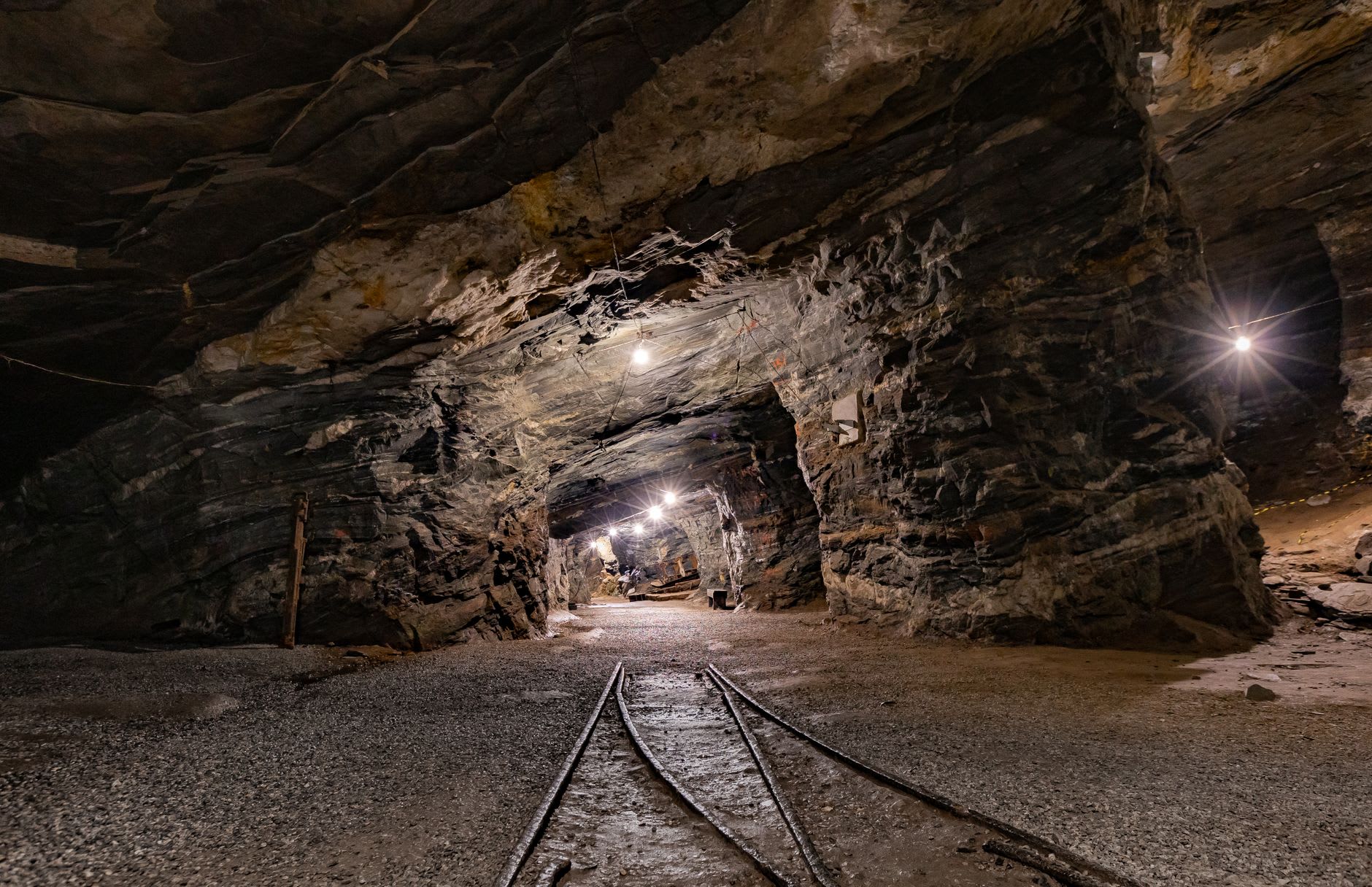
The descent starts with 380 wooden steps spiralling down a shaft, and somewhere around step 200 you lose count and start to feel the temperature drop and the air go still. The whole thing smells faintly mineral, like the inside of a thermal spring. The guide kept up a patter about medieval miners and royal monopolies, but what struck me was the scale — over 300 kilometers of tunnels honeycomb the rock here, dug over seven centuries, and we were seeing maybe two of them.
I did, at one point, drag a discreet finger along the tunnel wall and taste it. It was salt. Of course it was salt. Lia walked three paces ahead and pretended to read a plaque. The walls aren’t grey rock the way you imagine — they’re a dark, glassy grey-green, polished by centuries of hands doing exactly what I just did.
The cathedral underground
Then you reach the Chapel of St. Kinga, and any cynicism you brought down with you simply evaporates. It is an entire church — 54 meters underground, the size of a small cathedral — carved out of salt by miners working in their spare time over nearly 70 years. The chandeliers are salt crystals, dissolved and re-formed to clarity. The floor underfoot looks like tile but is hewn salt. There are bas-reliefs of the Last Supper and the Nativity cut into the walls with astonishing delicacy, all by men who were not sculptors but laborers, working by lamplight after their shifts.
I am not a religious man, but I stood there longer than I expected to. There is something about the patience of it — the sheer accumulated hours of people making beauty out of the rock they were paid to remove — that gets under your skin. Lia, who had been so smug about the tickets, went quiet too.
The deeper levels hold underground lakes so still and saline they look like black glass, and a brine so dense you could float on it like the Dead Sea, though they won’t let you. There’s even a restaurant and event hall down there, which is the kind of detail that should feel tacky and somehow doesn’t.
Going, practically
Book the guided tour in advance, especially in summer, when Kraków empties itself into this place. The standard route takes about three hours and involves a lot of stairs going down and a creaky lift coming up — wear real shoes. It’s around 13°C year-round, so bring a layer. And do the morning slot if you can; the afternoon crowds turn the chapels into a slow shuffle. Skip the gift-shop salt lamps. The walls have already given you everything they have.