Muang Khoun (Old Xieng Khouang)
"Some places don't need to be rebuilt to tell you what happened here."
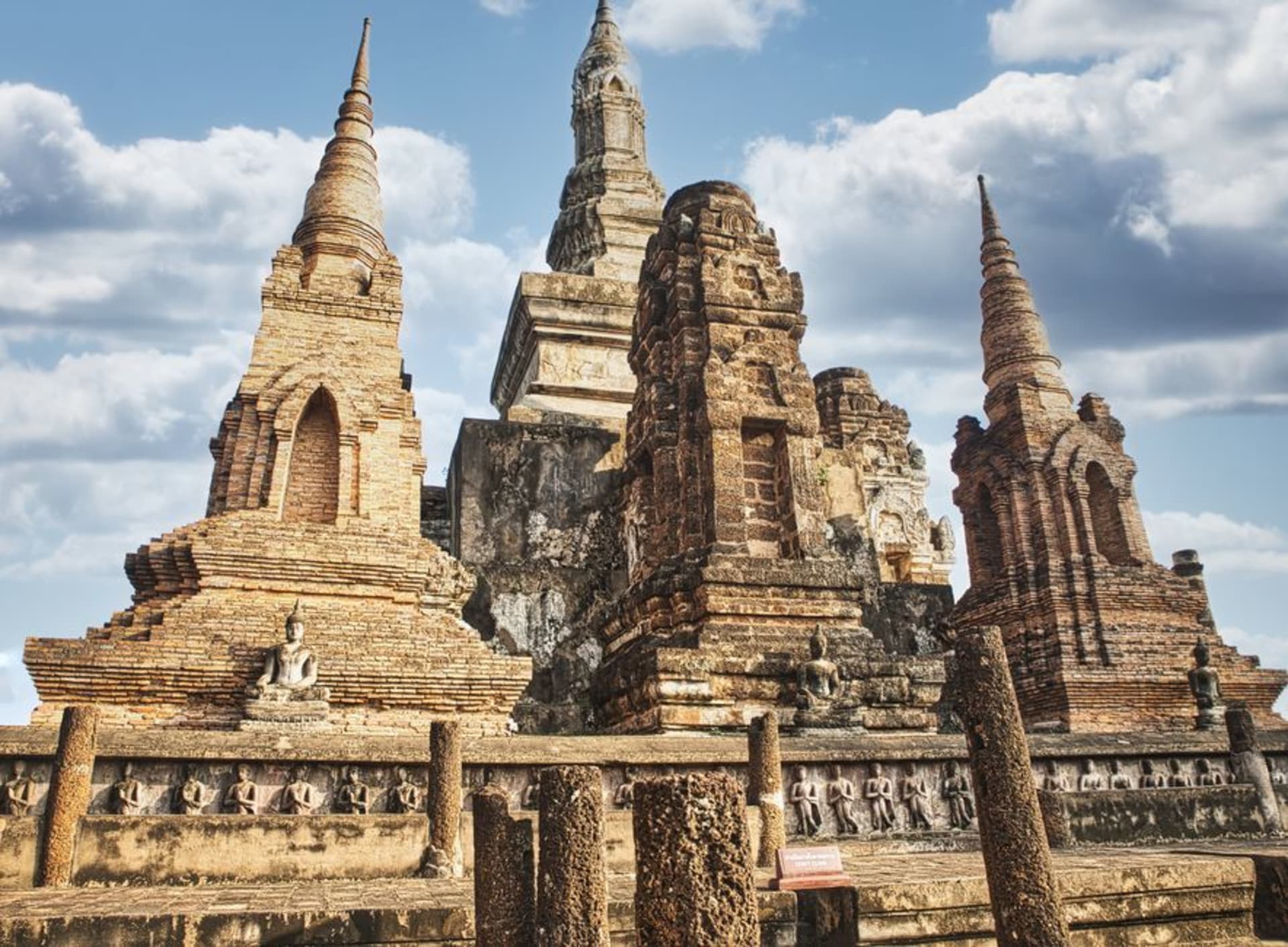
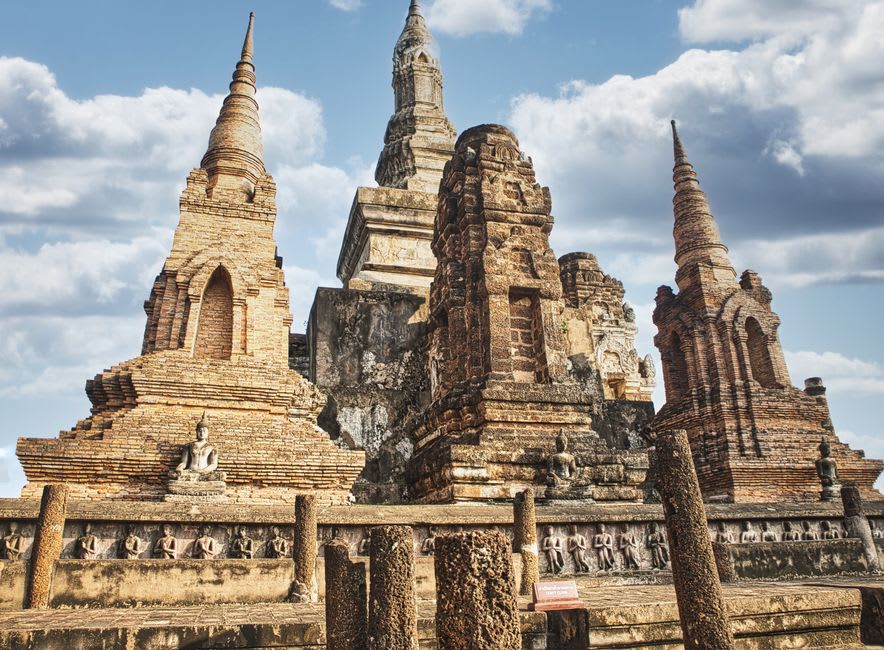
The bombed-out former capital of Xieng Khouang, where a lone stupa and a headless Buddha sit quietly among the ruins.
We’d already spent two days ticking off jar sites near Phonsavan when our guide, Bounmy, asked if we wanted to see “the old capital” before heading back. I pictured another cluster of stone jars, honestly, and almost said no. Lia was the one who pushed for it, and I’m still grateful she did, because Muang Khoun turned out to be the most quietly devastating stop of the whole Xieng Khouang trip. The drive down Route 7 took about 45 minutes from Phonsavan, winding past dry-season rice terraces gone gold and brown, and I remember Bounmy going quiet as we got close, like he was bracing us for something.
That Foun appears almost without warning at the edge of the rebuilt town, a weathered brick stupa that’s somehow still standing after everything. It’s said to hold relics carried over from Vientiane centuries ago, back when Muang Khoun was the seat of the Tai Phuan principality, not the sleepy crossroads it is now. I put my hand flat against the brick for a second, warm from the sun, and tried to do the math on how many centuries and how many bombs it had survived to still be upright. Bounmy told us the town used to sprawl across the whole valley before the Secret War flattened nearly all of it in the 60s and 70s. Standing there, looking at the empty fields where a capital once was, that number stopped being an abstraction.
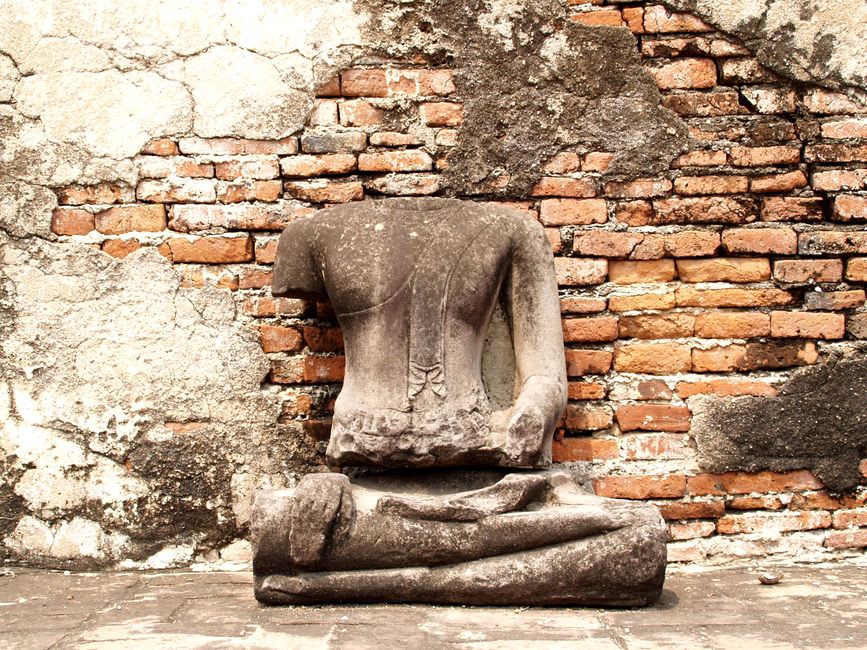
Wat Piawat is the part that actually stopped me mid-sentence. We walked over broken columns and rubble to reach the giant seated Buddha at the center of what used to be the temple, and it takes a moment to register that the statue has no head — sheared off by a bomb decades ago, left that way ever since. Lia didn’t take a single photo for a good five minutes, which for her is basically a moment of silence. I sat on a fallen column and just looked at it, this huge patient figure missing the one thing that should define it, still sitting there anyway. It’s not dramatic in the way ruins in a movie are dramatic. It’s just sad, and honest, and worth seeing precisely because nobody’s dressed it up for visitors.
We had noodle soup afterward at a tiny stall on the town’s main road, run by a woman who barely looked up from her pot, and I remember feeling grateful for how ordinary that moment was — a hot bowl, plastic stools, motorbikes passing — after standing in the wreckage of what this town used to be. Phonsavan gets all the attention because that’s where the provincial capital moved once Muang Khoun was destroyed, but I’d argue you haven’t really understood the Plain of Jars region until you’ve stood in front of That Foun and that broken Buddha.
When to go: Aim for November through February, when Route 7 is dry and easy going and the cooler air makes wandering the ruins a lot more pleasant than it would be in the sticky heat of the wet season.
Keep exploring
More from Plain of Jars
 plain-of-jars
 Nam Ngum Valley
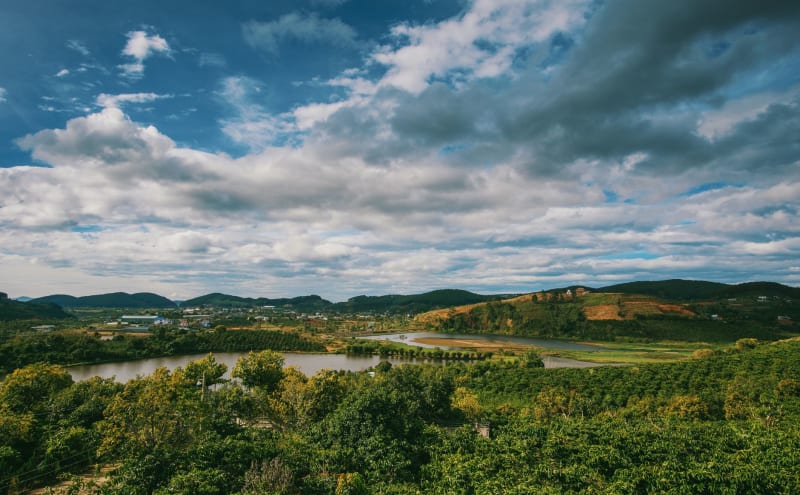
The river valley that cuts below the plateau where local fishermen work the current at dawn and the mountains on either side turn violet at dusk.
Explore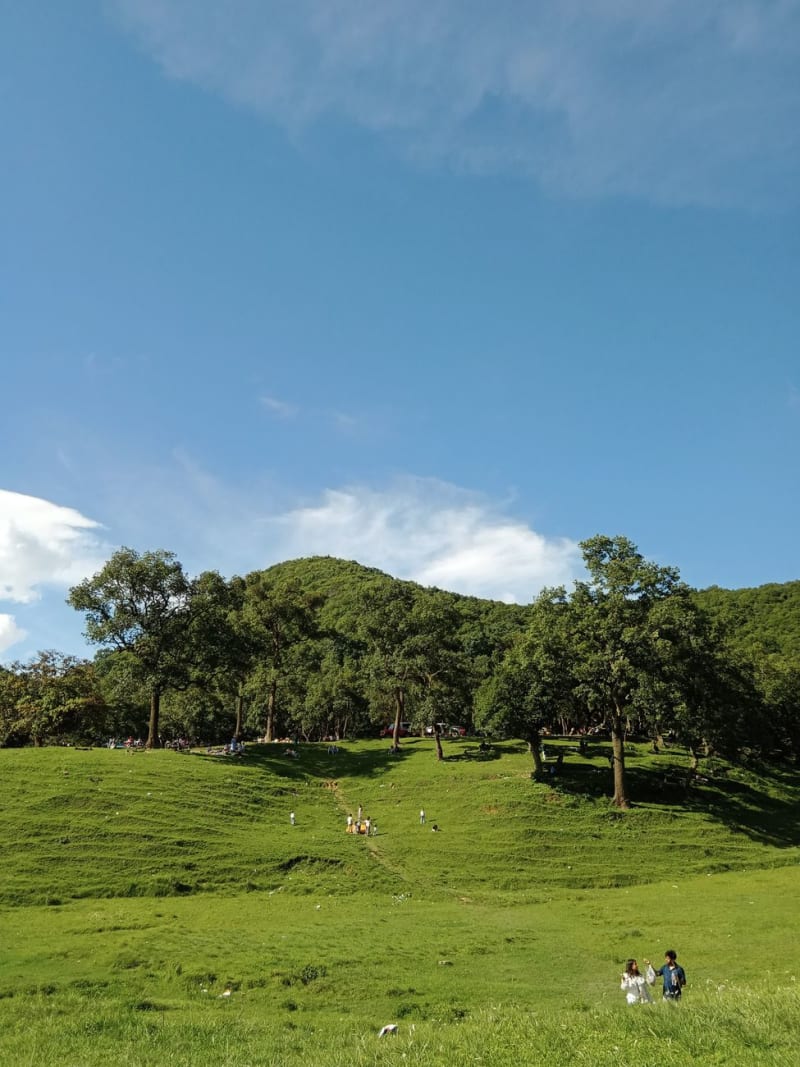 plain-of-jars
 Nong Tang
A still, dark lake ringed by limestone karst in the highlands of Xieng Khouang, where the war-scarred plateau briefly forgets itself and turns quietly beautiful.
Explore plain-of-jars
 Phonsavan
A Lao market town rebuilt from rubble that carries the weight of the Secret War in its streets, its scrap-metal stalls, and the plainspoken honesty of its people.
Explore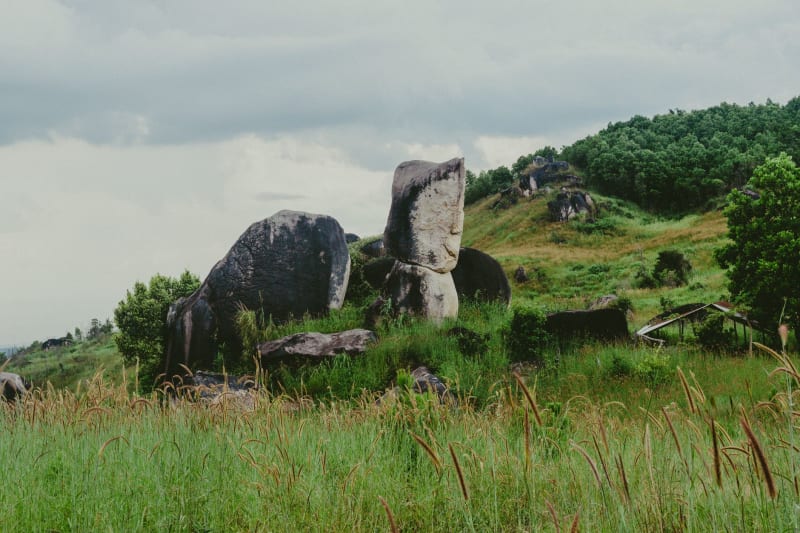 plain-of-jars
 Phu Khe Nature Reserve
A highland pine forest reserve above the plateau where the air is sharp and cold and gibbons call from somewhere you can never quite locate.
Explore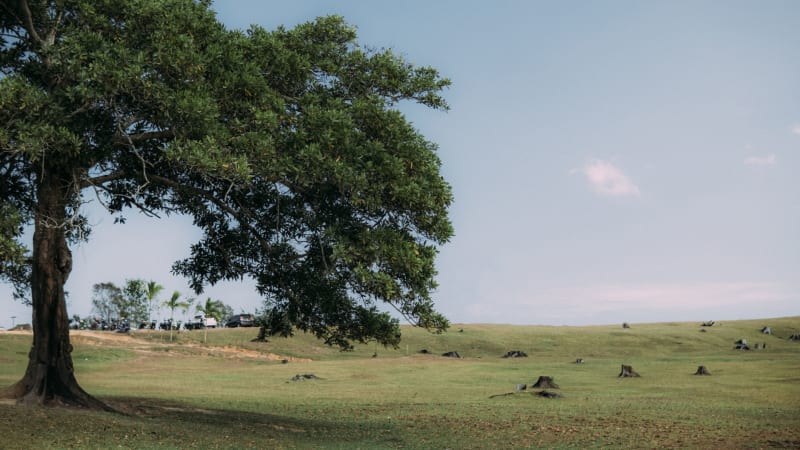 plain-of-jars
 Site 1 — Ban Ang
The largest and oldest of the jar sites, where 334 stone vessels sit in mist-soaked grass with bomb craters for company.
Explore plain-of-jars
 Site 2 — Phu Salato
A hillside jar site tucked under forest canopy where the silence is complete and other visitors are a rumour.
Explore