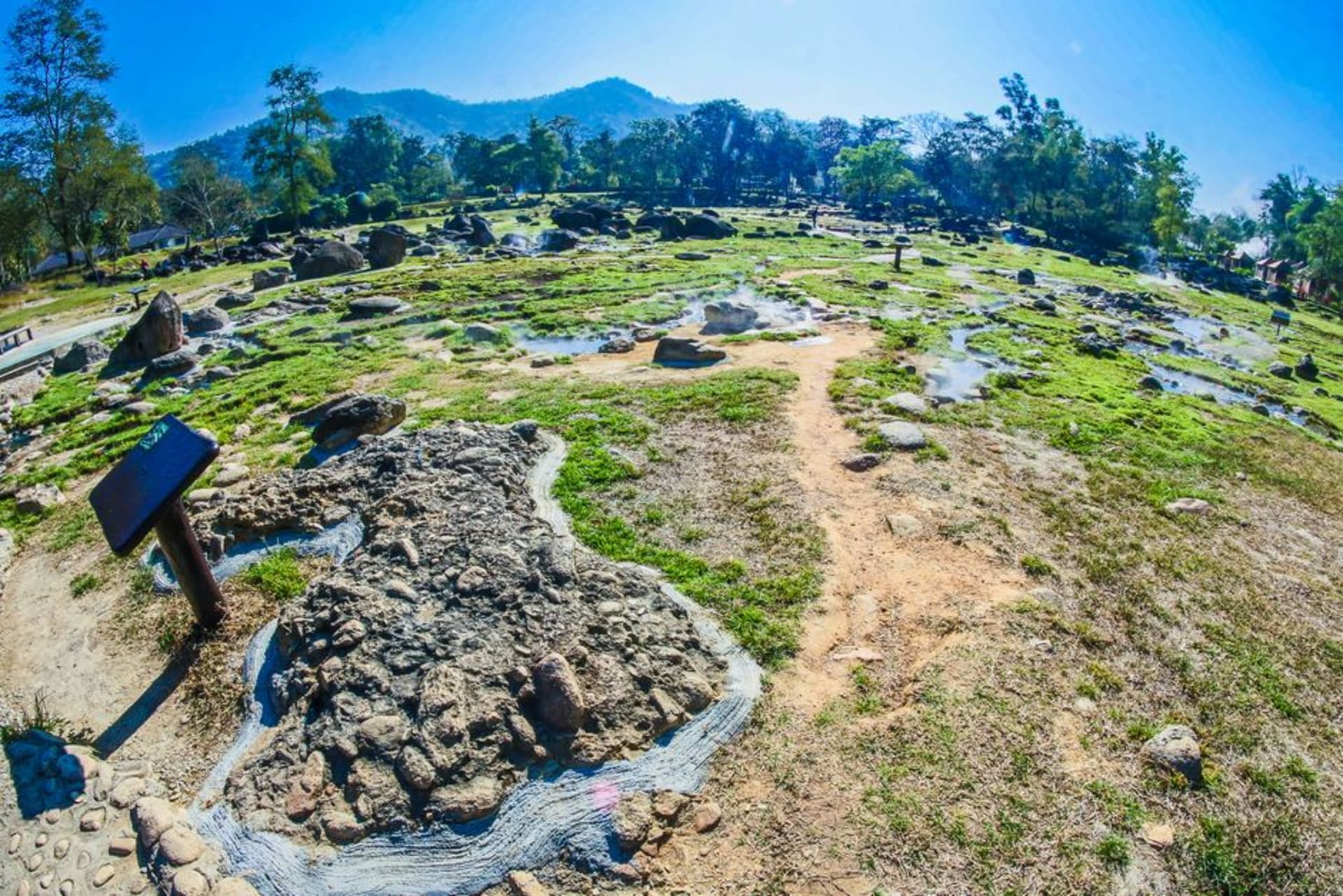
Muang Kham Hot Springs
"After three days of craters and jar fields, I just wanted to sit in water that didn't ask anything of me."
A forested valley east of Phonsavan where mineral water surfaces near boiling and pine trails offer a quiet counterpoint to the jar sites.
We drove out to Muang Kham on our fourth morning in Xieng Khouang, about 69 kilometers east of Phonsavan on a road that climbed and dipped through pine-covered hills. Lia had read about Nam Hom, the local name for the springs, and after days of squinting at bomb craters and megalithic jars under a flat gray sky, the idea of hot mineral water in a forest sounded almost indecent. The drive itself took longer than the map suggested — the roads out here are rural and unhurried, and we were glad we’d come in the dry months when the ruts hadn’t turned to mud.
What struck me first wasn’t the pools but the heat coming off them before we’d even parked. Locals told us the water can reach 60 degrees Celsius at the source, and standing near the main spring I believed it — the air itself felt thick and mineral, faintly sulfurous, curling up into the pine branches overhead.
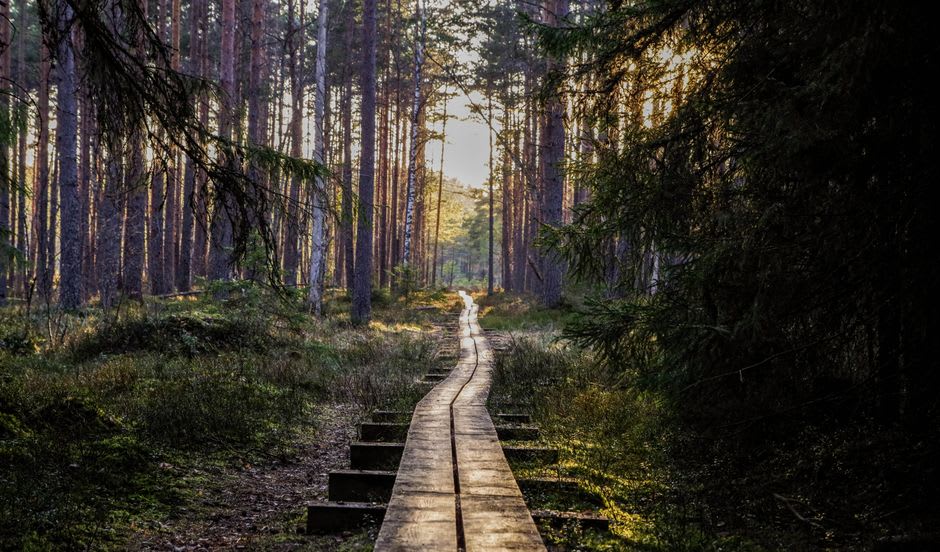
There’s a small guesthouse and a set of basic concrete pools where the water has been channeled and cooled enough to sit in, and that’s where we spent most of the afternoon. An older Tai Dam woman running the entrance told us, through a mix of Lao words and gestures, that the forest around the springs is sacred to her community and to nearby Hmong villages — not just a source of warm water but a place you’re meant to treat with some quiet. I noticed how few people spoke loudly here, unlike at the jar sites where groups tend to chatter over the megaliths. Lia soaked her feet first, wincing, then eased in up to her waist, and I followed once I’d convinced myself the temperature wouldn’t actually cook me.
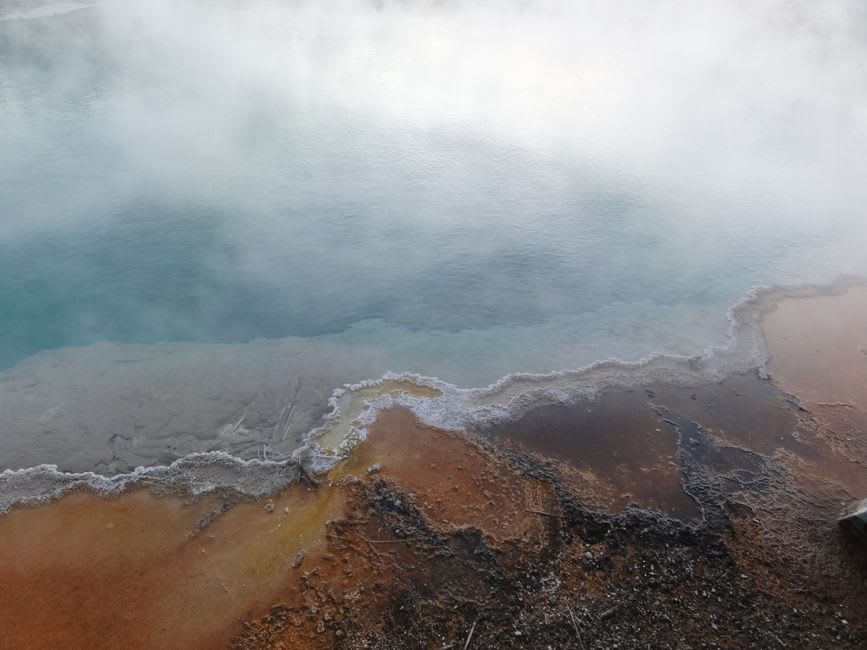
We stayed until the light went soft and gold through the pines, walking a short trail afterward that looped past more bomb-scarred ground — a reminder that this whole district absorbed some of the heaviest American bombing during the Secret War, and that the forest’s calm sits directly on top of that history. People come here believing the minerals help the skin, and maybe they do, but what I remember is simpler: the smell of pine sap, the sulfur on my skin for the rest of the day, and the first real quiet we’d found in the Plain of Jars.
When to go: Aim for the dry season between November and February — the rural roads into Muang Kham are far kinder then, and a clear cool evening makes the hot water feel even better.
Keep exploring
More from Plain of Jars
 plain-of-jars
 Muang Khoun
The bombed-out former capital of Xieng Khouang, where a giant Buddha sits in the ruins of a temple that wasn't rebuilt because some losses shouldn't be erased.
Explore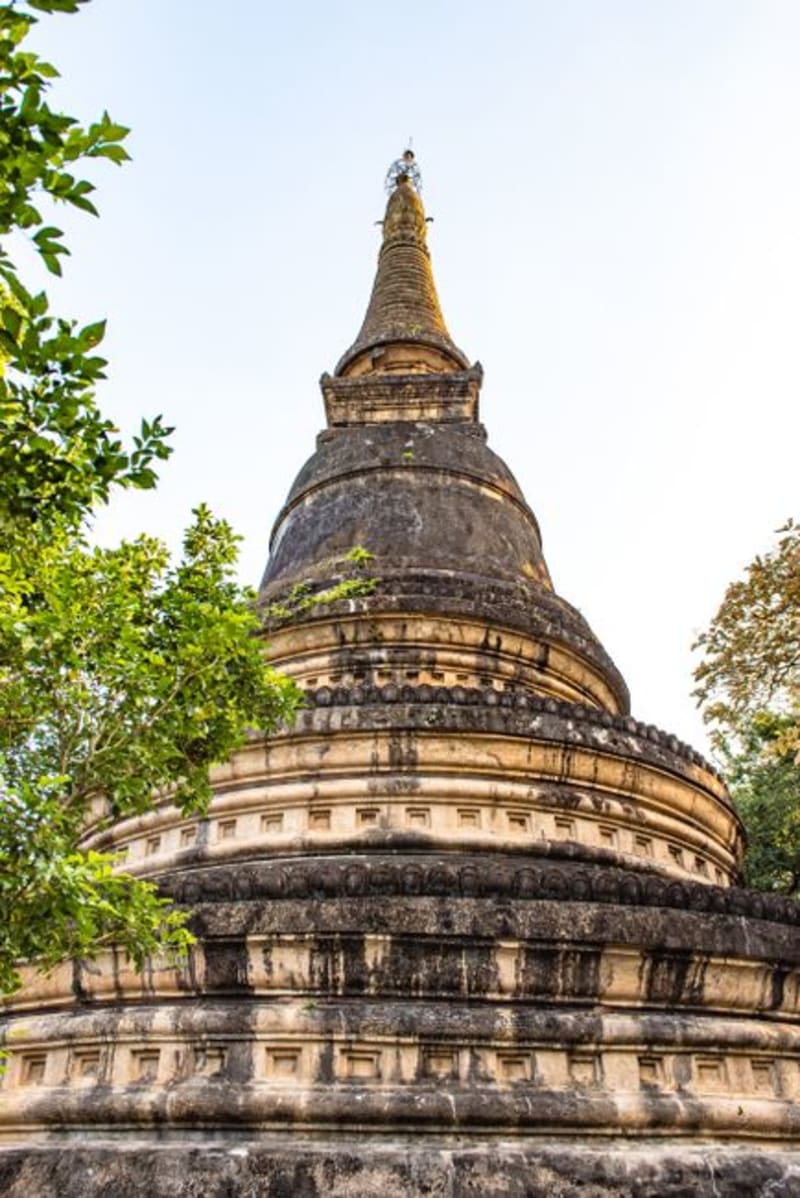 plain-of-jars
 Muang Khoun (Old Xieng Khouang)
The bombed-out former capital of Xieng Khouang, where a lone stupa and a headless Buddha sit quietly among the ruins.
Explore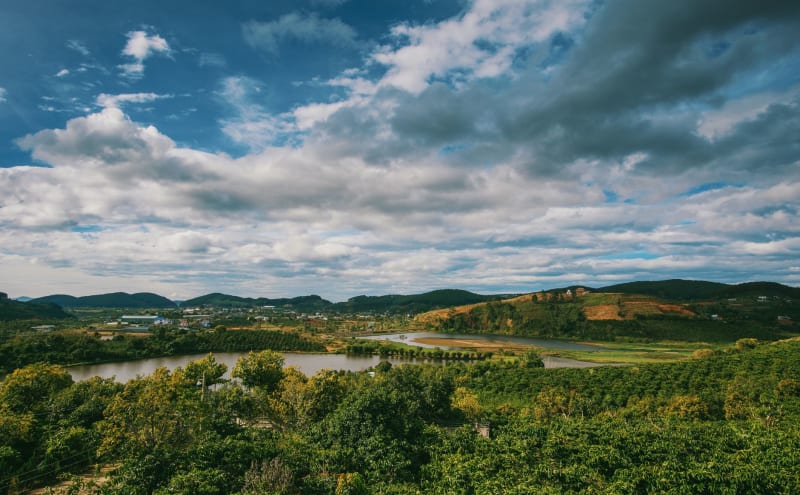 plain-of-jars
 Nam Ngum Valley
The river valley that cuts below the plateau where local fishermen work the current at dawn and the mountains on either side turn violet at dusk.
Explore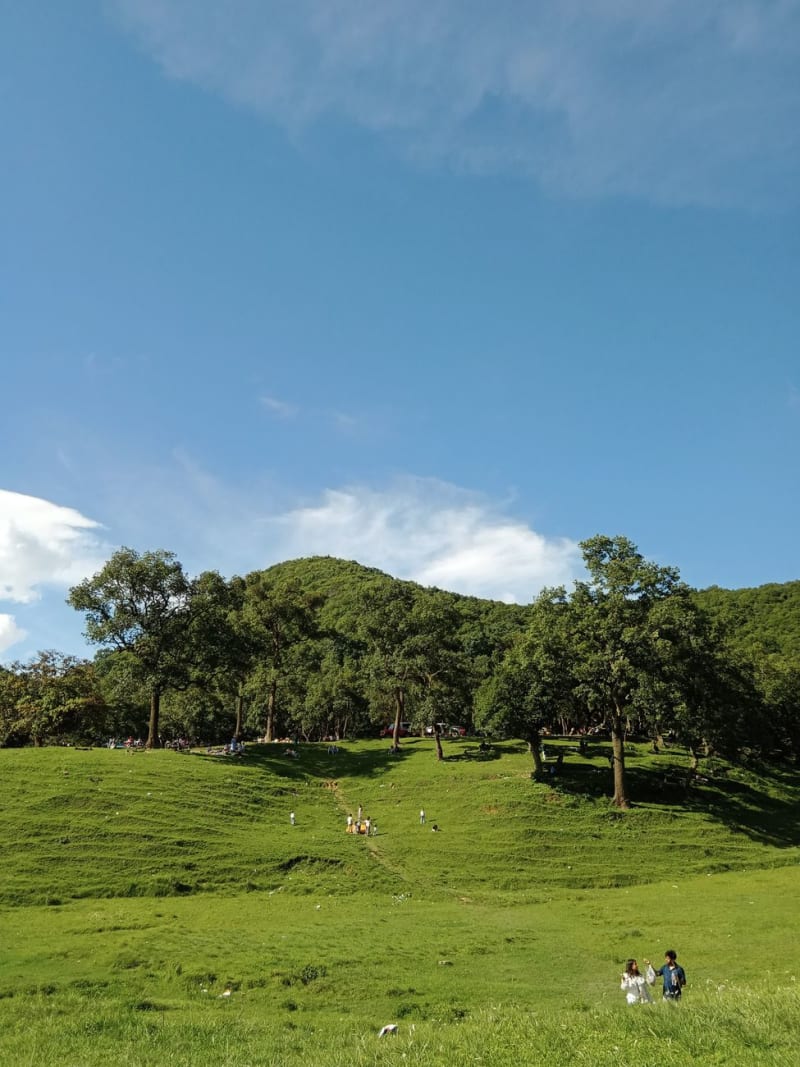 plain-of-jars
 Nong Tang
A still, dark lake ringed by limestone karst in the highlands of Xieng Khouang, where the war-scarred plateau briefly forgets itself and turns quietly beautiful.
Explore plain-of-jars
 Phonsavan
A Lao market town rebuilt from rubble that carries the weight of the Secret War in its streets, its scrap-metal stalls, and the plainspoken honesty of its people.
Explore plain-of-jars
 Phu Khe Nature Reserve
A highland pine forest reserve above the plateau where the air is sharp and cold and gibbons call from somewhere you can never quite locate.
Explore