
The ferry from Bang Rong pier on the northeast coast of Phuket takes forty minutes and deposits you on a wooden jetty on the western shore of Koh Yao Noi. The journey across the channel passes between the first limestone karsts, which from sea level look even more improbable than they do from a tourist boat in Phang Nga Bay — you are at eye level with formations that belong to a different geological category than anything on the mainland, and the water between them is the green of old glass. By the time the jetty comes into view, Phuket already feels far away.
Koh Yao Noi — the Small Long Island, as it translates — is thirteen kilometres long and has a population of around five thousand people, nearly all Muslim, most involved in fishing or rubber cultivation. There are no large resorts. The guesthouses are small and mostly family-run, set back from the water in gardens of frangipani and coconut palm, with mosquito nets over the beds and the sound of the call to prayer as your alarm clock. I stayed at a family guesthouse in the village of Tha Khao and ate breakfast every morning at the coffee shop next door where the menu was written in Thai on a whiteboard and the iced coffee was served in a bag with a straw, as God intended.
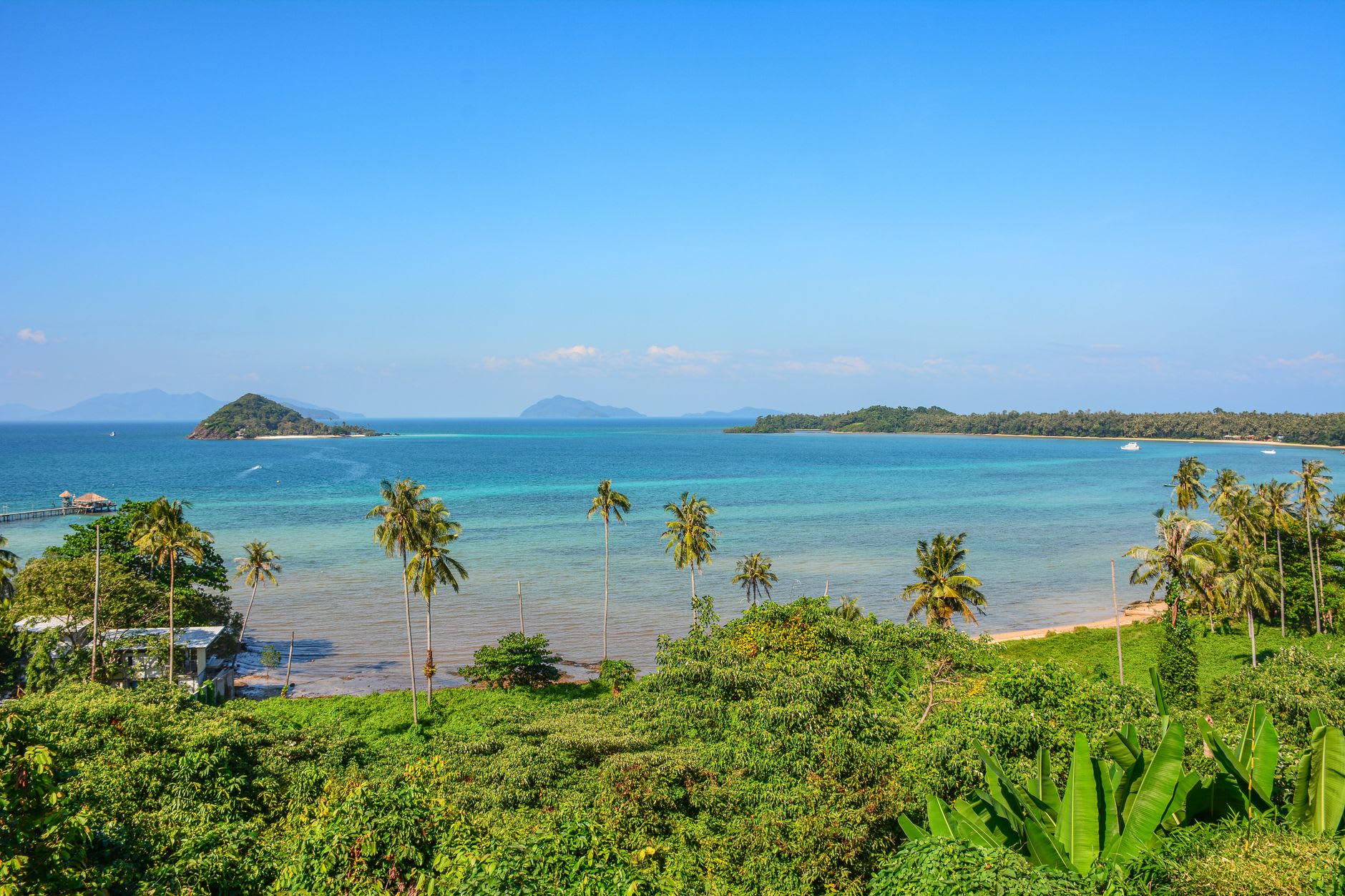
The island is best explored on a bicycle, which you can rent from several shops near the main pier for the kind of price that makes you feel slightly guilty. The road that loops the island’s southern half passes through rubber plantations where the trees are tapped in the early morning — small metal cups catching the latex, the cuts in the bark arranged in herringbone patterns, the smell of raw rubber mixing with the sea air. The east coast of the island faces a different bay, away from the karsts, and here the beach is longer and flatter and emptier, backed by casuarinas rather than development.
Kayaking among the karsts from Koh Yao Noi is the experience that justifies the detour from Phuket. The island sits at the southern edge of Phang Nga Bay, and the limestone formations begin almost immediately off the northwest shore. You can rent kayaks from the beach at Tha Khao and paddle out among them yourself, which is entirely preferable to the guided tours that run from Phuket — you choose your own pace, you stop when the light is right, and there is no one counting you back onto a boat.
The village at the northern end of the island — Koh Yao Noi Town, though that name feels ambitious for its modest size — has a morning market that runs from five to eight and sells the usual Thai market contents alongside grilled fish wrapped in banana leaf and coconut pancakes cooked on a griddle by a woman who doesn’t look at the cakes when she flips them. I spent an afternoon watching a sepak takraw game in the village square, the players bicycling their legs over their heads to kick a rattan ball in ways that seemed to violate the terms of the human body.
When to go: November to April for calm sea crossings and clear water for kayaking. The ferry from Bang Rong runs daily year-round, but the crossing is rougher in the monsoon months and the karst kayaking is only worth doing in calm conditions. A two-night stay is the minimum to do the island justice.