Asia
Phuket
"The moment the karsts came out of the mist, I forgave Phuket everything."
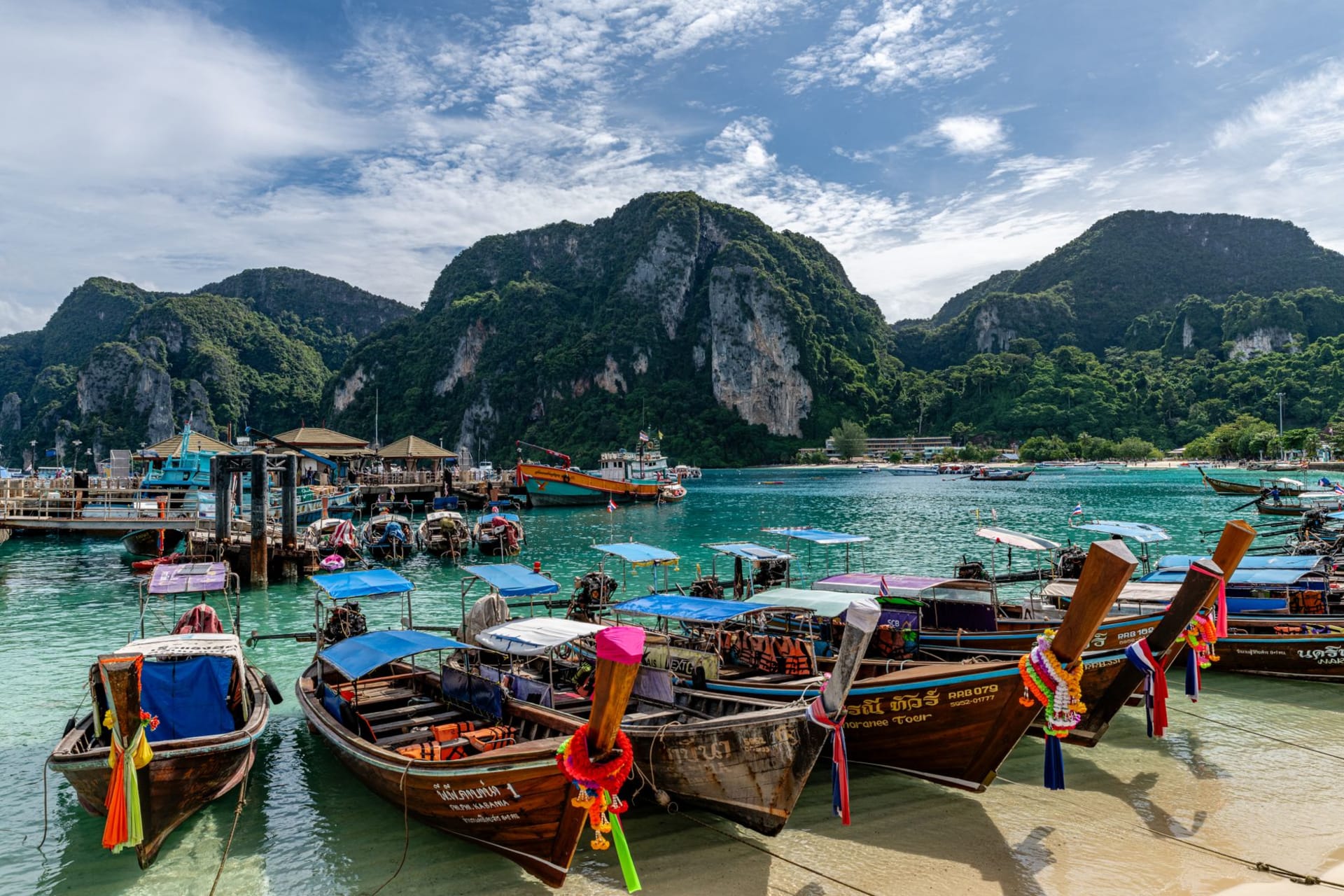
I arrived at Ao Nang by speedboat at six in the morning, the sky still charcoal, and the limestone towers of Phang Nga Bay were just shapes in the fog. Then the sun caught the water and turned the whole scene into something that felt too dramatic to be real — the kind of light that makes you check whether you are still on the same planet. That is Phuket’s trick. The island itself is overdeveloped and noisy, yes, but it is also a gateway to one of the most otherworldly seascapes in Asia, and once you understand that distinction, you start to enjoy it on its own terms.
The old town of Phuket City is where the island earns its second reputation. The Sino-Portuguese shophouses along Thalang Road and Soi Romanee were built by the families of Chinese tin miners in the nineteenth century, and they have survived more or less intact — pale yellow and pastel blue, peeling gracefully, with iron-shuttered ground floors that now house coffee shops, gallery spaces, and restaurants serving mee hokkien with a clarity of flavor that puts Bangkok noodle shops to shame. Saturday Walking Street fills the whole neighborhood with vendors and lanterns and the kind of organized chaos that feels genuinely local rather than staged for tourists. The food stalls near Rang Hill serve kanom jeen — rice noodles with southern curry sauces — that I still think about with specific longing.
The beaches require strategy. Kata Noi, at the southern end of the island, is the one that actually delivers — a small crescent of soft sand backed by a single beachside restaurant, calm enough in the morning to swim in, dramatic enough in the late afternoon to watch the surf roll in from the Andaman. Rawai, further south, is where the local fishing community still operates and where the seafood markets sell the morning’s catch by weight. Buy a bag of tiger prawns, take them to one of the cooking shacks behind the market, and pay them to grill it. That meal costs less than a coffee in Patong and tastes like the island actually meant it.
When to go: November through April is the dry season — calm seas, reliable sun, the window for island-hopping by longtail to Phang Nga Bay. May through October brings the southwest monsoon: rougher water on the west coast, lower prices everywhere, and the east coast beaches around Koh Lon and Ao Yon that stay swimmable. Avoid the Christmas–New Year peak if you have any flexibility at all.
What most guides get wrong: They sell Phuket as a beach destination when it is really a base camp. The island itself is not the point — the bay is the point. Hire a longtail for the day, pack snorkeling gear, and go find Koh Hong or the caves of James Bond Island before ten in the morning. The guides who arrived at noon will tell you it was crowded. They are not wrong. They were just too late.