
An Thoi Archipelago
"The water here has a color I don't have a word for — somewhere between teal and the inside of an abalone shell."
Eighteen tiny islands off the southern tip where the water goes three shades of blue and coral grows where nobody expected it to.

You reach the An Thoi Archipelago by boat from the southern port, and the transition happens almost immediately. The ferry pulls away from the dock and within fifteen minutes you are surrounded by islands that appear to have risen from the sea at random — limestone formations draped in scrub vegetation, their bases white where the waves have worn them smooth. The water between them shifts through colors that the photographs never quite capture: a shallow turquoise over sand, deeper indigo in the channels, and something almost iridescent in the coves where the light bounces off white-sand bottoms.
I joined a day trip that combined snorkeling with fishing and lunch on one of the larger islands, which is the practical way to see the archipelago since private boat hire adds up quickly. The group was small — eight people on a wooden boat that looked older than some of the islands — and our first stop was a snorkeling site off the southern face of a small uninhabited island. The coral wasn’t pristine — some bleaching, the usual damage from warming waters — but the fish life was astonishing. Parrotfish the size of my forearm, schools of clownfish in their anemones, a sea turtle that drifted past me so slowly it seemed to be thinking about something.
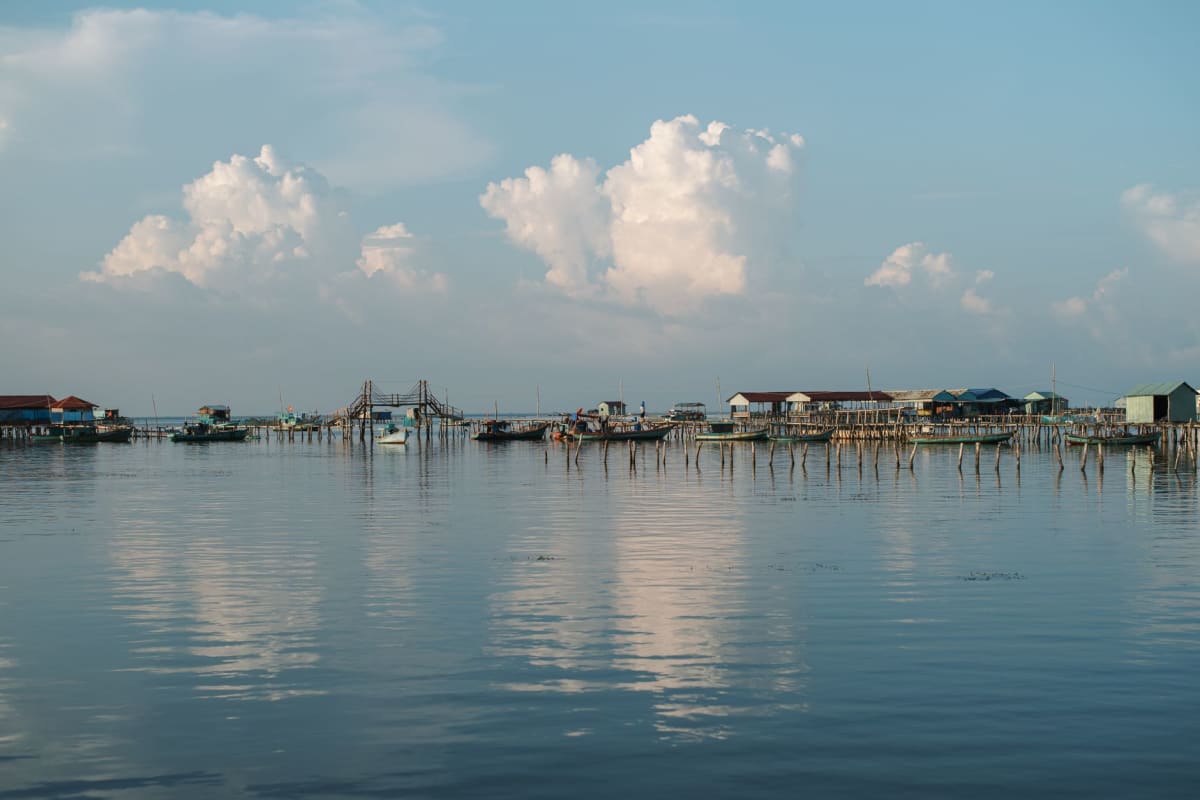
Lunch happened on a beach so small the boat had to anchor offshore and wade in. The crew grilled fish over coconut husks, and we ate in the shade of a single large tree — the only shade available — with our feet in the sand. The fish was barramundi, caught that morning, cooked whole with lemongrass inside the cavity, served with rice and a sauce of fermented shrimp paste and lime. It was one of those meals where the perfection is inseparable from the circumstance: the right food, the right place, the right light, the inability to be anywhere else.
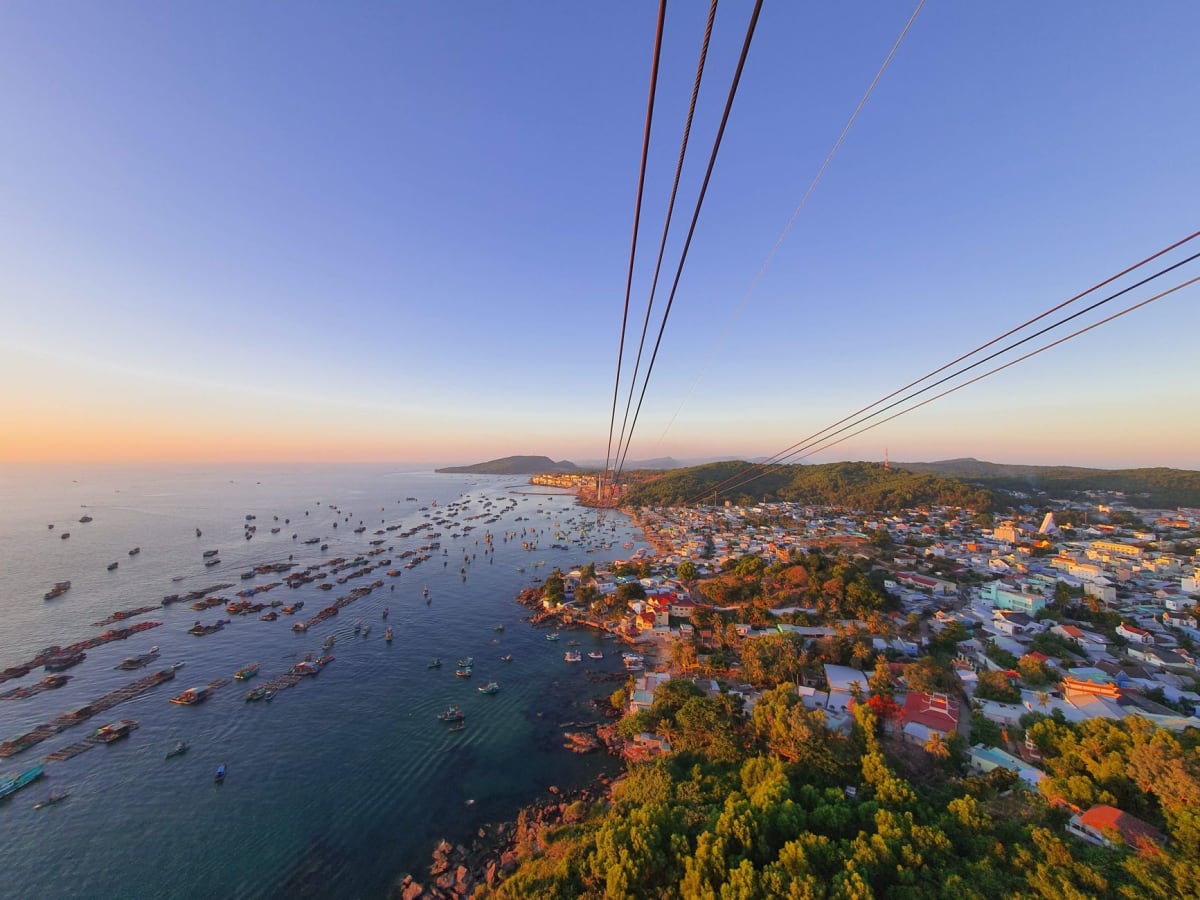
The islands toward the southern end of the archipelago — Hon Dua, Hon Roi, Hon Thom — are the larger ones, and Hon Thom has a cable car from the main island that has brought more visitors in recent years. The crowds concentrate at the cable car beach. The boat-accessible islands and coves on the archipelago’s edges remain quiet, and the snorkeling sites that require a twenty-minute run from the port see only the smaller operators who keep lists of returning visitors.
For diving, the An Thoi waters offer several sites at ten to twenty meters depth with good visibility in the dry season. The currents run stronger here than the interior waters, which brings nutrients and, consequently, larger pelagic species. A dive operator in Duong Dong mentioned that whale sharks have been spotted in the channel between the islands in March and April — unpredictable, but the possibility exists.
When to go: November through April brings the calmest seas and best visibility — essential for snorkeling and diving. The south-facing waters of An Thoi are less affected by the southwest monsoon than the west coast, but May through October can still bring rough crossings. Book a small-group tour rather than a large party boat; the difference in snorkeling site quality is significant.
Keep exploring
More from Phú Quốc
 phu-quoc
Bai Sao Beach
The island's most beautiful beach — white powder, water like pressed glass — and it still empties out by late afternoon.
Explore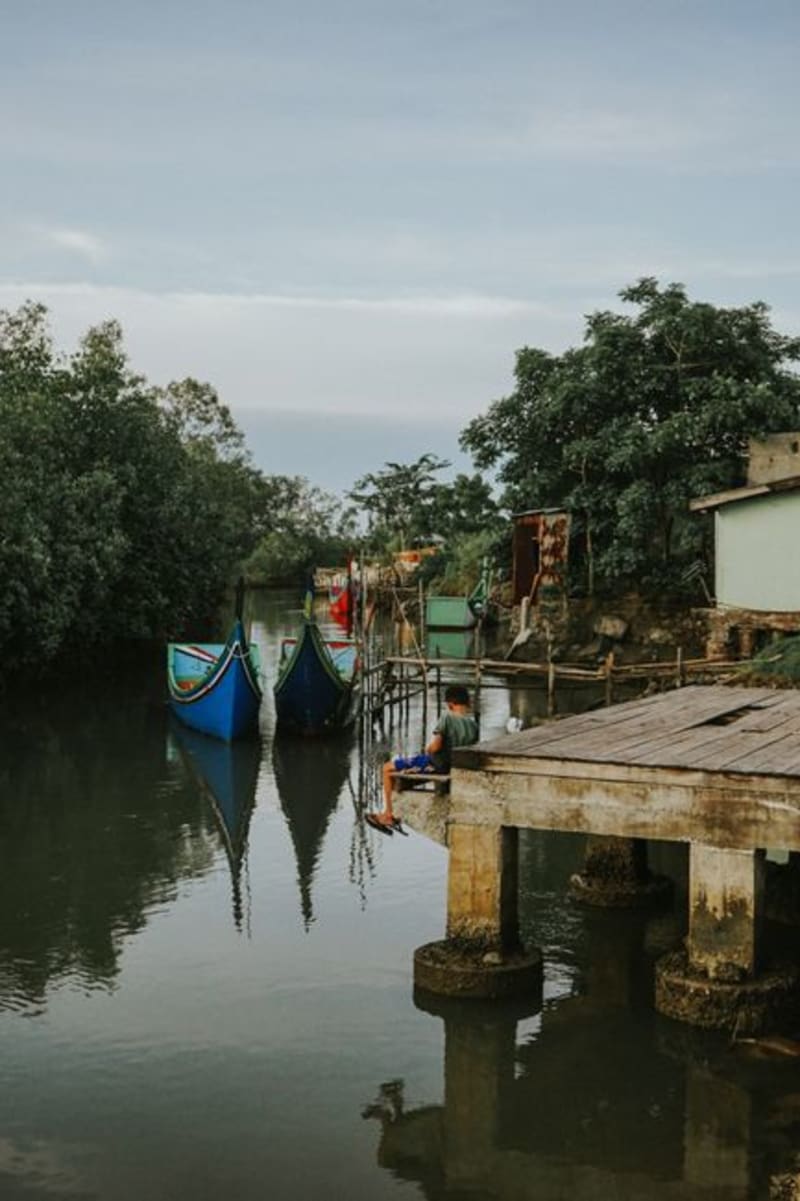 phu-quoc
Cửa Cạn
A slow fishing village at the mouth of Phú Quốc's longest river, where wooden boats and stilt houses outnumber tourists.
Explore phu-quoc
Duong Dong Town
The island's beating heart, where fish sauce barrels age on the waterfront and the night market runs on smoke and noise.
Explore phu-quoc
Ganh Dau
The island's northwestern cape, where Cambodia is visible on clear days and the pepper farms run to the cliff edge.
Explore phu-quoc
Ham Ninh Fishing Village
The east coast's oldest fishing community, where houses run on stilts over the water and the crab is served with your feet in the sea.
Explore phu-quoc
Hòn Thơm
A small green island off Phú Quốc's southern tip, reached by the longest over-sea cable car in the world and ringed by water so clear it feels like a rumour.
Explore