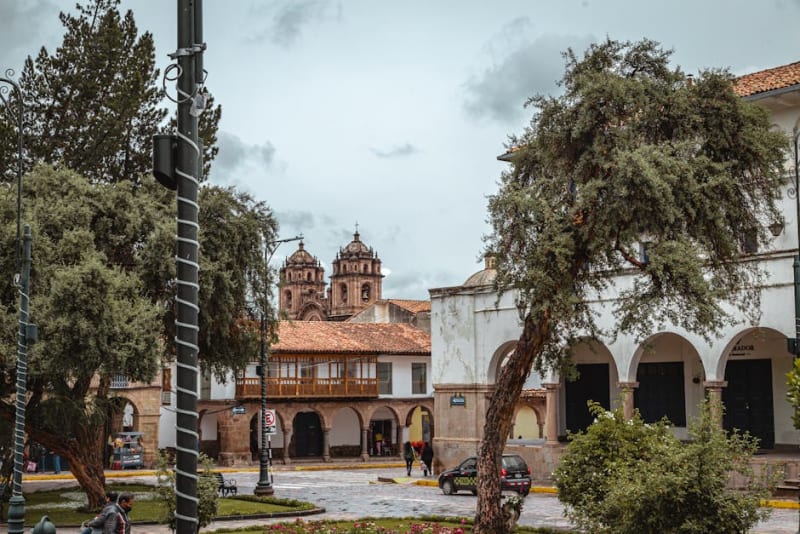
Cusco at 3,400 Metres — Learning to Breathe in the Navel of the World
Altitude sickness, Inca stonework, San Pedro Market at dawn, and the slow revelation that Cusco is not a gateway to Machu Picchu but a destination that demands surrender.
Americas
"Peru taught me that altitude changes everything — the light, the food, the way you breathe."
Machu Picchu is the reason people come — Lima's kitchens, the Sacred Valley's light, and the Amazon's chaos are the reasons they return.

Peru is the rare country where the most famous attraction actually delivers. Machu Picchu is not overrated. It cannot be. You round that final corner on the Inca Trail or step through the Sun Gate at dawn, and the city appears below you — stone terraces cascading down a ridge between two peaks, cloud forest falling away in every direction, condors riding thermals above — and whatever cynicism you brought with you simply evaporates. It is one of the great human achievements, and the setting is one of the great geological ones. Together, they are unanswerable.
But Peru is far more than its most photographed ruin. Lima has become one of the great food cities of the world, a claim that would have seemed absurd twenty years ago and now feels like understatement. The ceviche alone — bright, acidic, built on the freshest seafood the Humboldt Current delivers — is worth the flight. The Nikkei tradition, blending Japanese technique with Peruvian ingredients, produces food of startling originality. And the neighbourhood restaurants of Barranco and Miraflores offer a quality-to-price ratio that makes other food capitals feel like extortion.
The Sacred Valley between Cusco and Machu Picchu deserves more than a transit stop. Ollantaytambo’s Incan stonework is astonishing. The salt terraces of Maras look like an Escher drawing carved into a mountainside. And the light in the high Andes — thin, golden, impossibly clear — makes everything appear as if lit by a Renaissance painter who had access to better colours.
When to go: May through September is dry season in the Andes and the best window for trekking and Machu Picchu. Lima is overcast from May to November but pleasant year-round. The Amazon is always wet, but the dry-ish season (June to October) makes wildlife viewing easier as animals gather near shrinking water sources.
What most guides get wrong: They skip acclimatization. Cusco sits at 3,400 metres, and altitude sickness is real and indiscriminate. Spend at least two days adjusting before any serious activity. The Sacred Valley is lower and makes a better first stop than Cusco itself — a trick experienced travellers have known for years.
Explore
 peru
peru The largest city in the world unreachable by road — Peru's gateway to the western Amazon basin.
Explore peru
peru The White City — colonial elegance carved from volcanic stone beneath the watchful gaze of El Misti.
Explore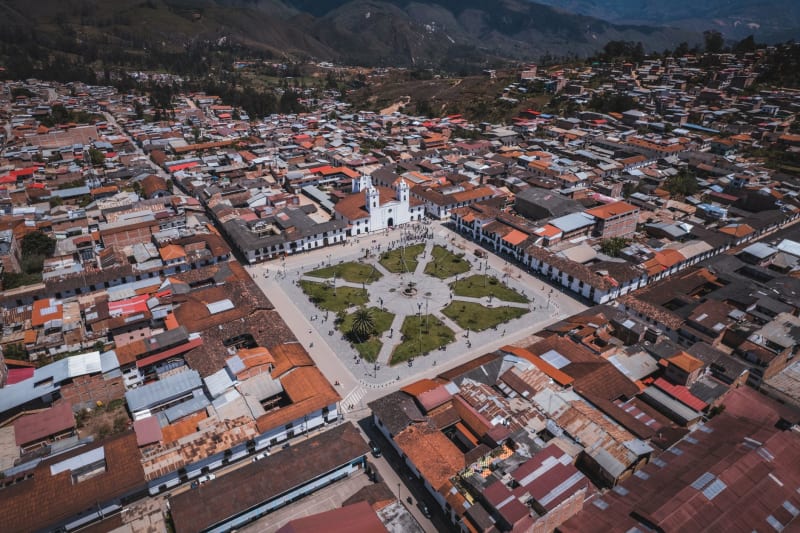 peru
peru Cloud forest ruins of the Chachapoya people cling to impossible ridgelines in Peru's least-visited corner.
Explore peru
peru One of the world's deepest canyons — terraced hillsides, condor thermals, and ancient villages.
Explore peru
peru The ancient Inca capital — cobblestone streets, Inca walls, and the gateway to Machu Picchu.
Explore peru
peru A desert oasis surrounded by towering sand dunes — Peru's most surreal and photogenic pit stop.
Explore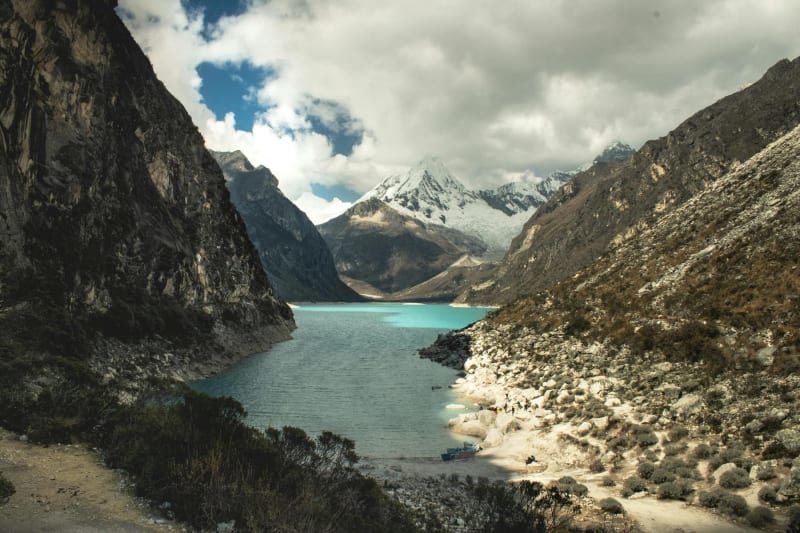 peru
peru The gateway to the Cordillera Blanca, where Andean peaks above 6000m form the world's greatest tropical trekking.
Explore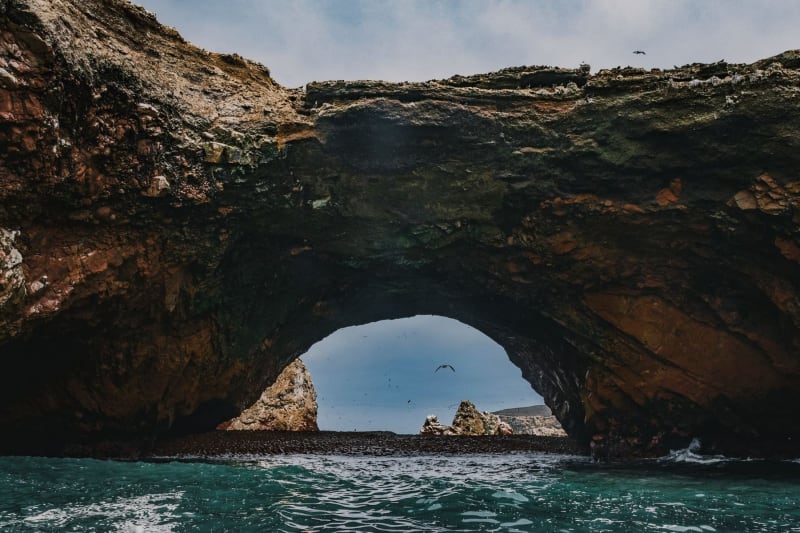 peru
peru Rocky islands near Paracas carpeted in sea lions, penguins and boobies, reached by a short boat ride through cold Pacific mist.
Explore peru
peru The world's highest navigable lake — deep blue water, floating islands, and ancient Andean traditions.
Explore peru
peru South America's gastronomic capital — a sprawling coastal city where ancient temples meet world-class ceviche.
Explore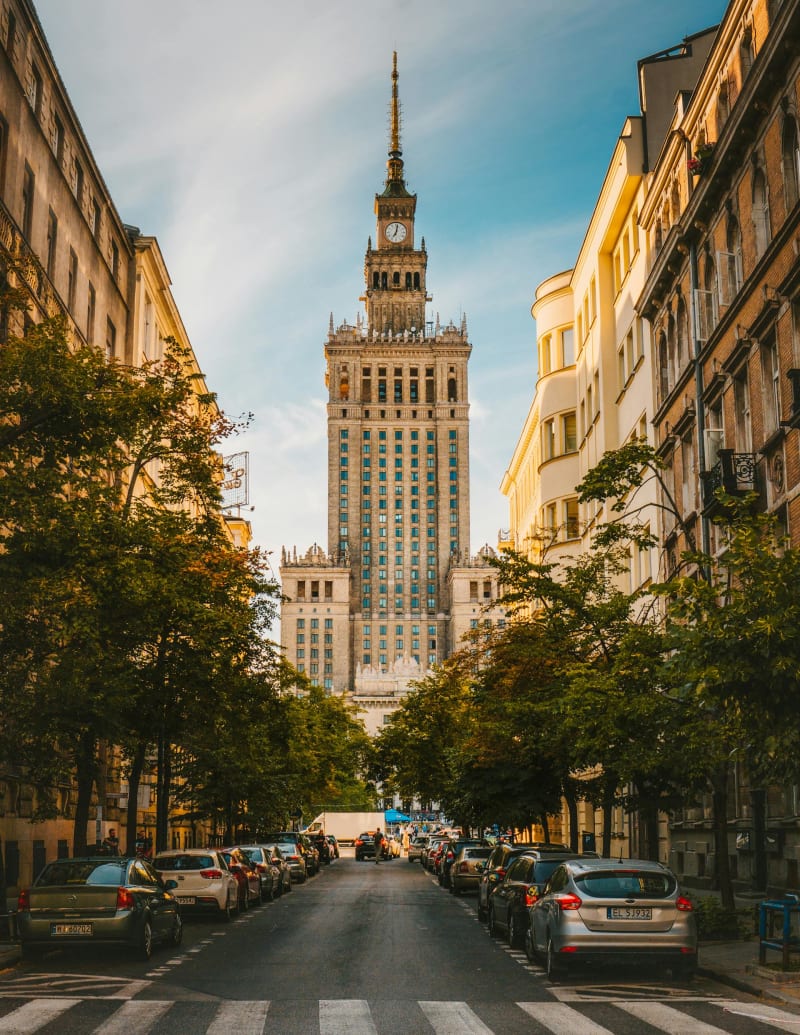 peru
peru The lost city of the Incas — a stone citadel perched impossibly above the cloud forest.
Explore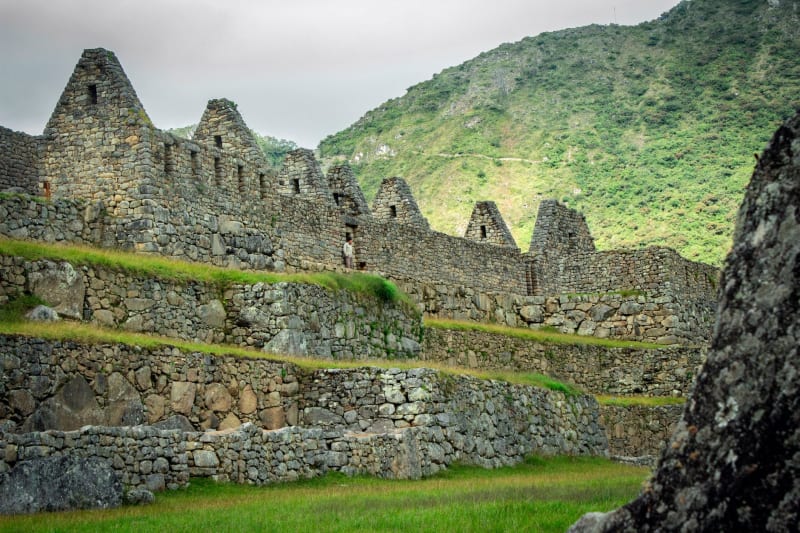 peru
peru The Inca citadel emerges from morning clouds above the Sacred Valley in a vision that still defies explanation.
Explore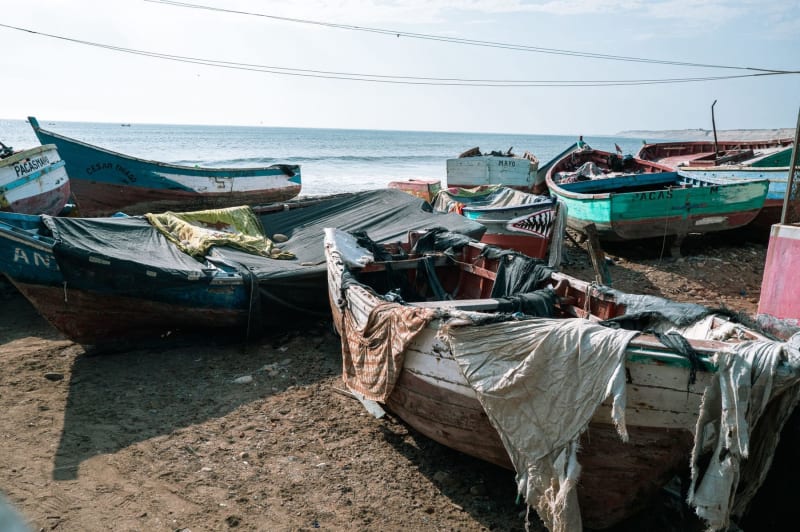 peru
peru Peru's sunniest beach town where warm Pacific water, fresh ceviche, and surf culture converge year-round.
Explore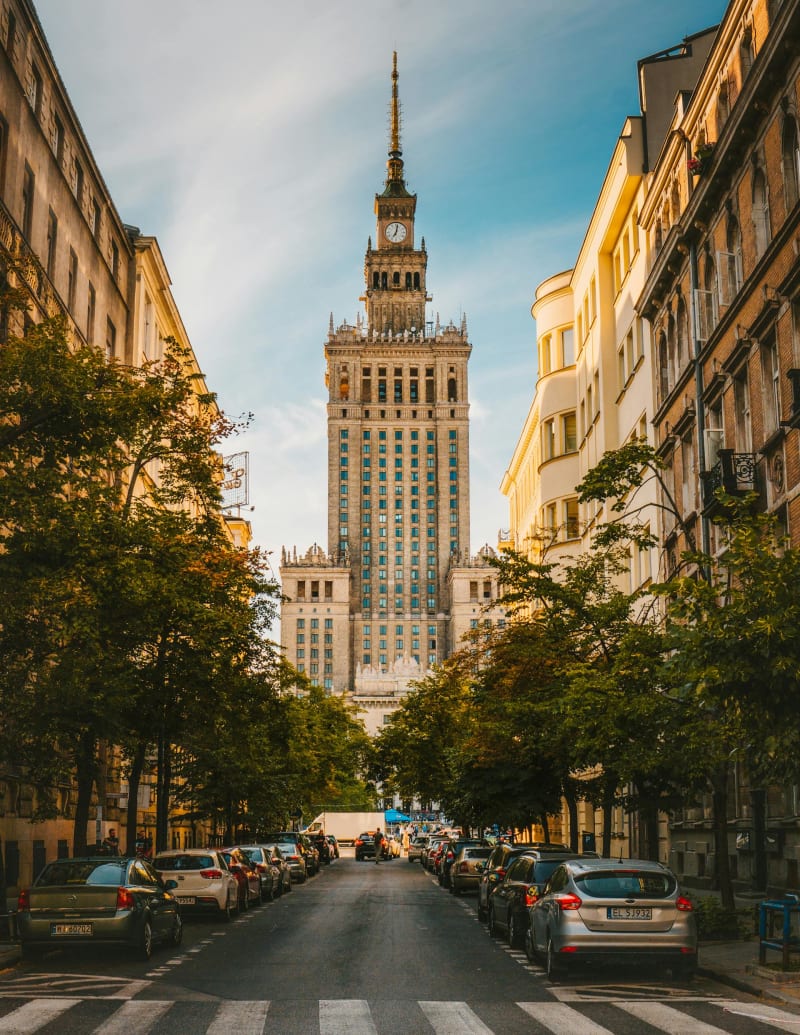 peru
peru Mysterious geoglyphs etched into the desert — enormous ancient designs visible only from the sky.
Explore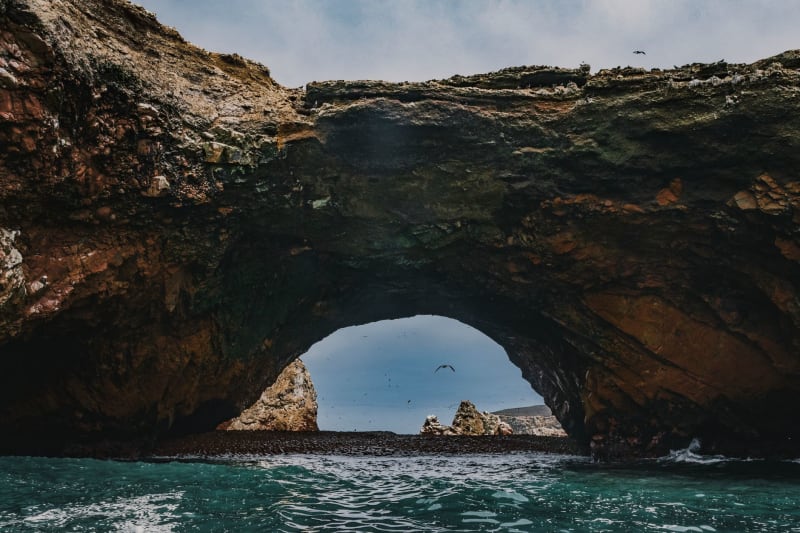 peru
peru A stark desert peninsula where sea lions, flamingos, and the Humboldt Current share the Peruvian coast.
Explore peru
peru The fertile heartland of the Inca empire — terraced hillsides, living markets, and ruins above the Urubamba.
ExploreFree download
A curated PDF itinerary with honest picks, real restaurants, and the details that matter — the kind you'd actually print and bring.
Download the guide