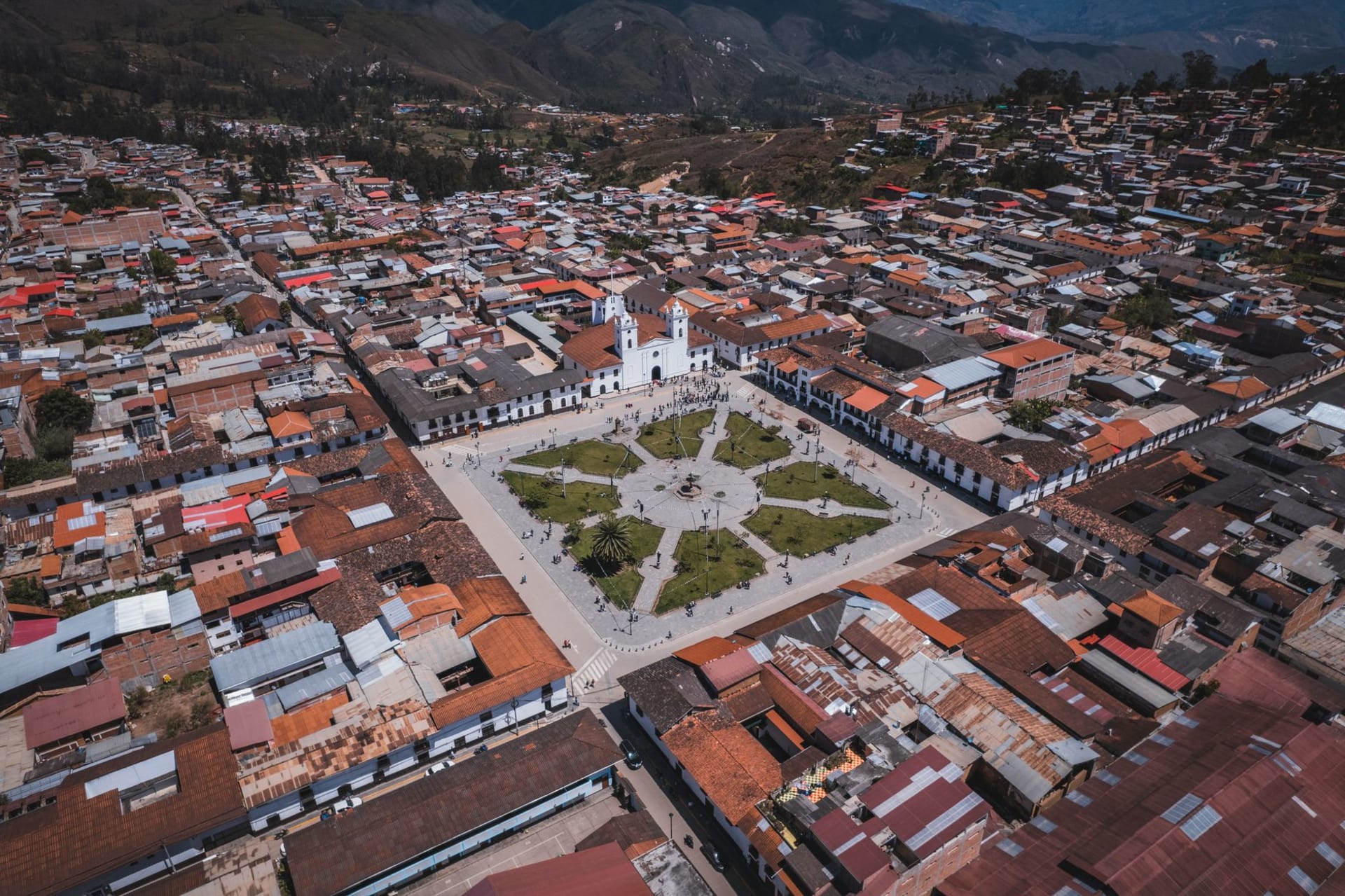
Cloud forest ruins of the Chachapoya people cling to impossible ridgelines in Peru's least-visited corner.

The bus from Celendín took nine hours on a road that felt improvised. Twice we stopped while a man with a shovel cleared rubble from the shoulder. Lia slept through most of it, her head against the fogged window. I watched the vegetation thicken as we climbed — dry scrub giving way to cloud forest, the air turning cold and resinous, the kind of cold that smells like wet bark and altitude.
Chachapoyas itself is a small colonial city that doesn’t try very hard to impress. The Plaza de Armas is pleasant in the way all Peruvian plazas are pleasant — the cathedral, the pigeons, the shoe-shiners. But the town is really just a staging ground. Everything worth seeing is on the ridges above.
Three Days in the Cloud
I had allotted one day for Kuelap. I gave it three. The fortress sits at 3,000 meters on a narrow ridge above the Utcubamba Valley, its defensive walls — up to nineteen meters high in places — so massive they look geological from below. The first morning, I hiked in from the cable car station and found the ruins entirely inside a cloud. Visibility: perhaps fifteen meters. I could hear my own footsteps echoing off walls I couldn’t see.
The second morning was the same. I ate caldo de gallina at a concrete counter near the trailhead, the broth steaming and dense with yuca, and waited.
The third morning, around ten, the cloud dropped below the ridge. Suddenly Kuelap was there — three hundred circular stone structures, funerary towers, the narrow triple-walled entrance corridor — all of it burning gold in the highland sun. I stood at the eastern wall and looked out over the valley for a long time.
The Sarcophagi Nobody Visits
The unexpected discovery came not at Kuelap but at Karajía, a forty-minute drive north on a dirt road so narrow our driver folded in his wing mirror. Set into a limestone cliff face, seven metres above a ravine, are six sarcophagi shaped like elongated human figures — pointed heads, folded arms, faces painted in what remains of ochre. They have been there for seven centuries. We were the only people there. A hawk circled once and left.
I had read about Karajía in passing. It stayed with me longer than anything else.
Eating in the Evenings
Back in town each evening, I’d find a seat at one of the restaurants off Jirón Amazonas and order cecina — dried, smoked pork, served with boiled yuca and a tangle of pickled onion. The combination is unremarkable in description and somehow exactly right after a day at altitude. By eight o’clock the plaza was quiet. The mountains disappeared into the dark.
When to go: May through September is the dry season and the most reliable for clear views at Kuelap — though even then the cloud moves on its own schedule. Avoid February, when the access roads can close entirely.
Keep exploring
More from Peru
 peru
peru Colca Canyon
One of the world's deepest canyons — terraced hillsides, condor thermals, and ancient villages.
Explore peru
peru Cusco
The ancient Inca capital — cobblestone streets, Inca walls, and the gateway to Machu Picchu.
Explore peru
peru Huacachina
A desert oasis surrounded by towering sand dunes — Peru's most surreal and photogenic pit stop.
Explore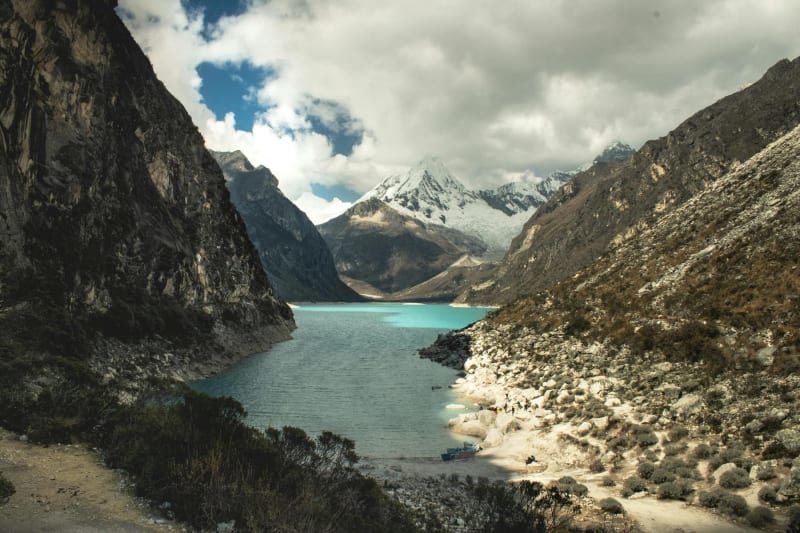 peru
peru Huaraz
The gateway to the Cordillera Blanca, where Andean peaks above 6000m form the world's greatest tropical trekking.
Explore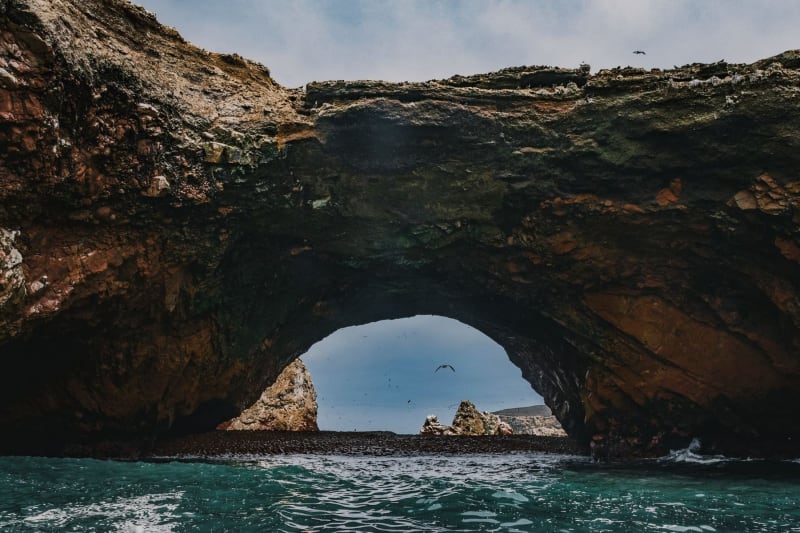 peru
peru Islas Ballestas
Rocky islands near Paracas carpeted in sea lions, penguins and boobies, reached by a short boat ride through cold Pacific mist.
Explore peru
peru Lake Titicaca
The world's highest navigable lake — deep blue water, floating islands, and ancient Andean traditions.
Explore