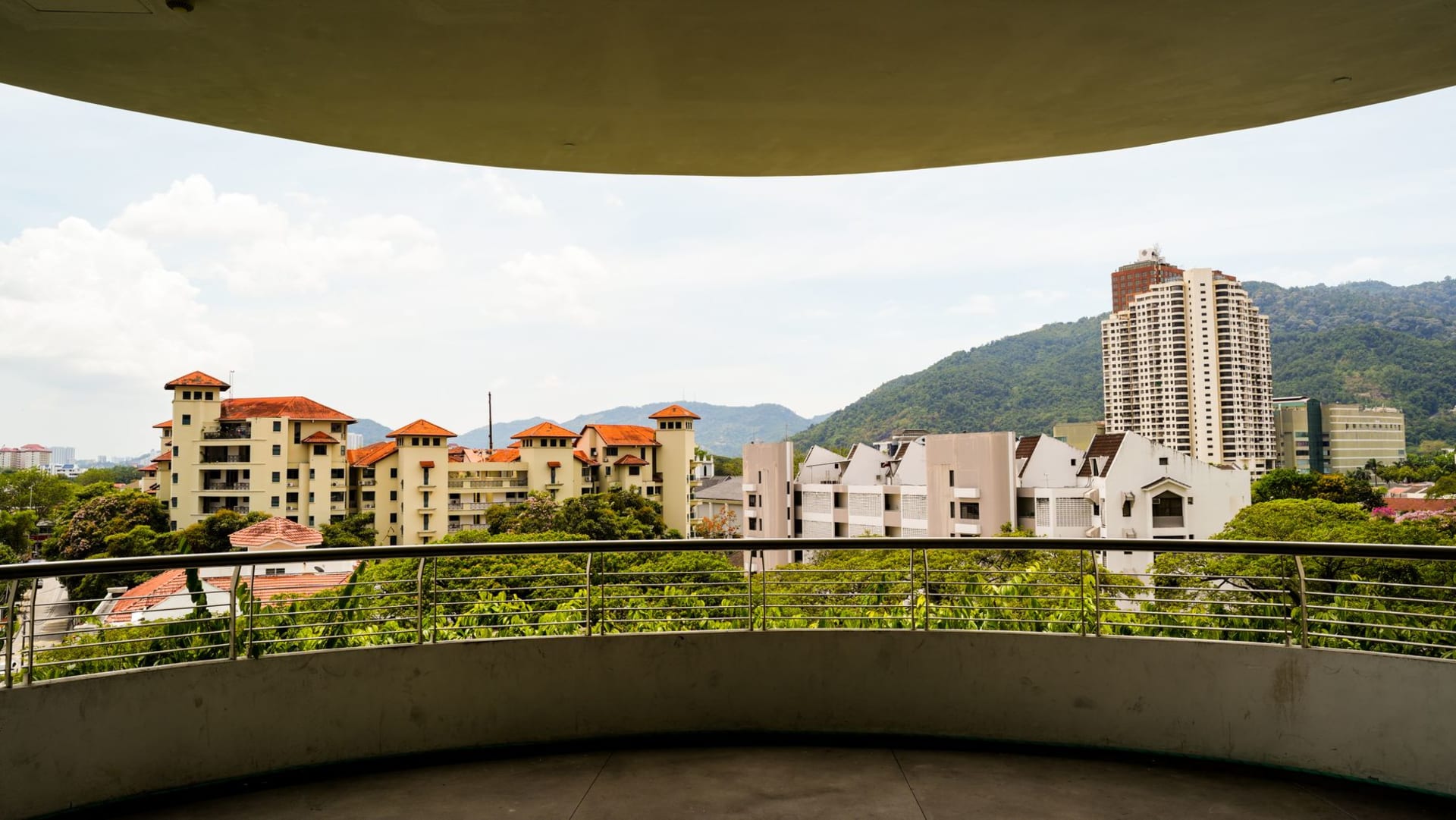
Teluk Bahang
"The trail to Pantai Kerachut is two hours each way. I did not think about my phone once."
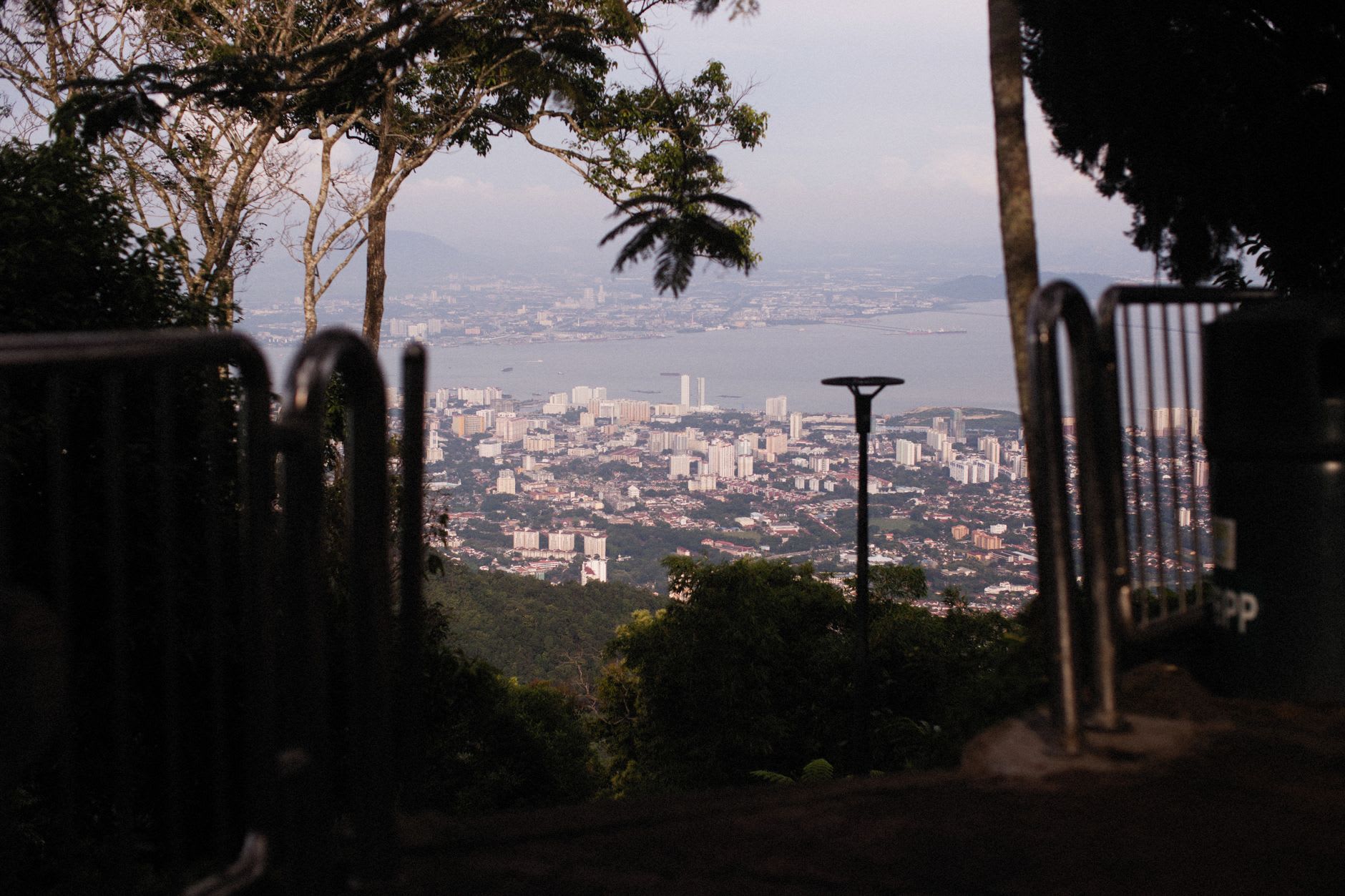
The road ends at Teluk Bahang. You’ve passed the last of the Batu Ferringhi hotels, then a stretch of undeveloped coast where the jungle comes almost to the road edge, then the fishing village itself — a compact cluster of Chinese shophouses, a mosque, a few seafood restaurants with their tanks of live grouper and crab visible through the front windows, and a small jetty where the fishing boats come and go according to no schedule you can easily read. There is a sense here, at this far end of the north coast, of having reached somewhere that did not expect you particularly and is getting on with its own affairs regardless.
The Penang National Park begins just past the village, where a wooden sign marks the beginning of the trail network and a small ranger station collects your entrance details. I had not done enough research to know that the park contains the only mixed mangrove-beach forest in the world, but I had heard about Pantai Kerachut — a remote beach accessible only on foot or by boat, where green turtles nest between May and September — and that was enough. I signed in and started walking.
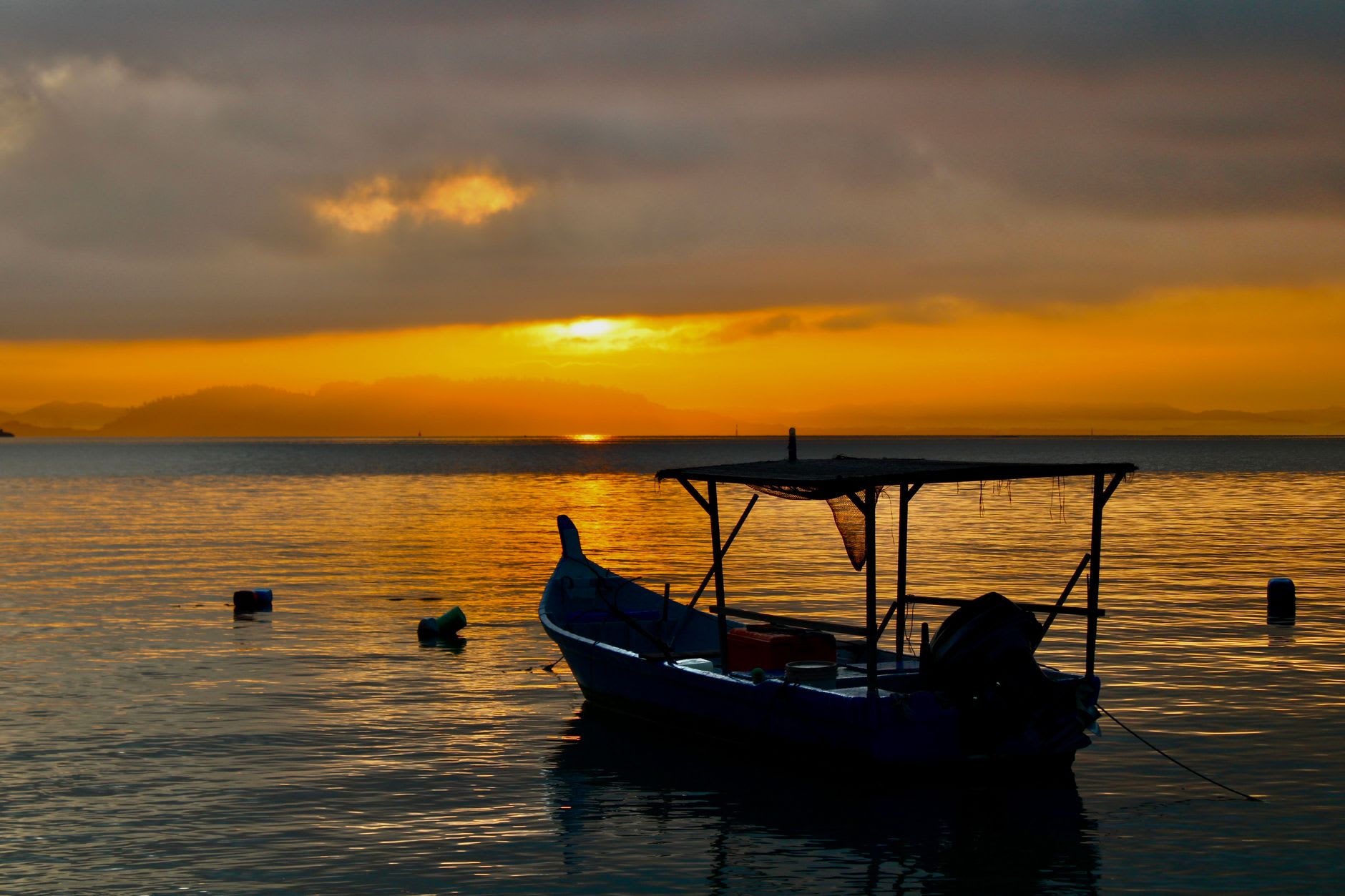
The trail to Pantai Kerachut takes about two hours at a comfortable pace through primary jungle that is genuinely old. The canopy was thick enough that the light arrived in shafts, changing direction constantly as I moved, and the sounds shifted from the background hum of the village to something deeper and more complex — insects, the distant percussion of a woodpecker, branches settling, the occasional crack that might be an animal or might just be the forest adjusting its weight. I passed a family of long-tailed macaques who watched me with the calm assessment of creatures who have clearly decided that humans are neither interesting nor threatening, and moved on without comment.
Pantai Kerachut itself arrived suddenly — a gap in the jungle, then a steep descent, then white sand and the most translucent water I had seen in a week of Penang travel. The beach is backed by a meromictic lake (a lake whose layers don’t mix, creating a distinct freshwater layer that floats above the saltwater), and during turtle nesting season the beach is managed by rangers who conduct their work with minimum disturbance. I arrived out of season and had the beach almost entirely to myself, save for a Malaysian family picnicking at one end and a ranger patrol checking something further up the shore.
Back in Teluk Bahang at dusk, I ate at a seafood restaurant on the main street — steamed garoupa with ginger and soy, kangkung with chilli, a bowl of prawn soup. The restaurant had no menu. The owner came to the table, told me what was fresh, and I said yes to all of it. The total came to less than I had paid for coffee in George Town the previous morning. This is how the value of distance works at the end of a road.
When to go: May to September is turtle nesting season at Pantai Kerachut — park rangers are more active and sightings are possible, though never guaranteed. The jungle trails are walkable year-round but can be heavy going after rain. Start early to complete the Pantai Kerachut return before the midday heat. Bring water; there is no food on the trail.