Pulau Jerejak
"The jetty is ten minutes from a city of half a million, and yet the loudest thing on the island was a hornbill."
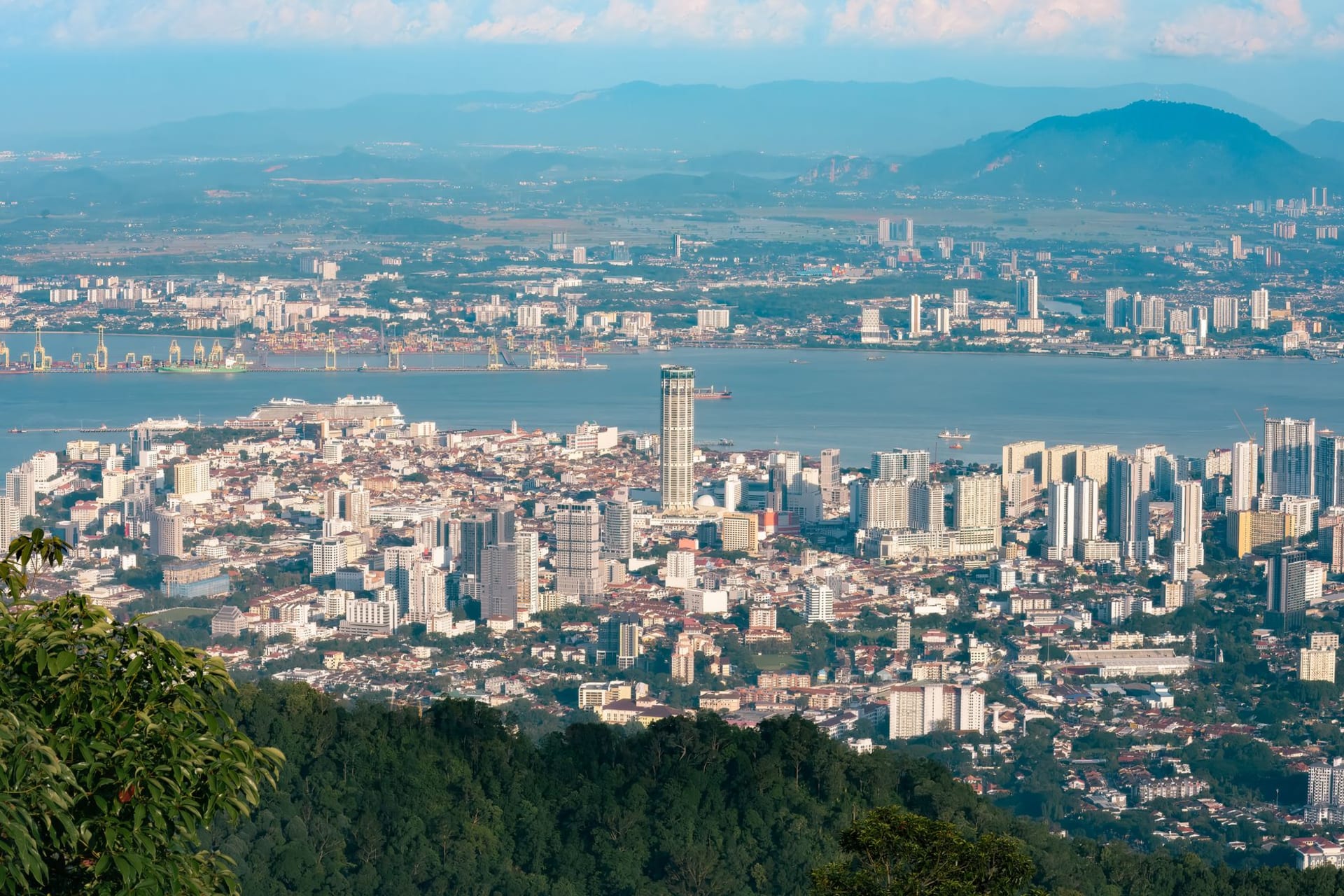
You can see Pulau Jerejak from the mainland side of Penang — a green hump in the channel, with the great span of the Penang Bridge arcing over the water just to the north of it. It’s close, almost suburban-close, and for most of the twentieth century that proximity was exactly the point: close enough to supply and supervise, far enough that nobody would swim back. The island was Penang’s quarantine station from the 1870s, screening immigrants arriving by sea, then a leprosarium, a tuberculosis sanatorium, and finally, into the 1990s, a high-security prison that locals still half-jokingly call the Alcatraz of Malaysia. We took the short boat over expecting a curiosity and came away genuinely unsettled, in the good way that the best dark-history places manage.

An island that remembers
The strangeness of Jerejak is the contrast between what it was and what it has become. The jungle has come roaring back over most of it, and the trails that wind up through the forest pass the bones of the old institutions — crumbling wards, a forgotten cemetery where quarantined immigrants who never made it to shore were buried, foundations being slowly digested by tree roots. A guide on the jetty told us, matter-of-factly, that this was the last stop for a lot of people who arrived in Penang full of hope and never left the island. You feel it. The place has the particular heaviness of somewhere a great deal of human suffering happened quietly, out of public sight, on purpose.
And then a great hornbill flapped across the trail in front of us and the heaviness lifted for a moment, because the wildlife here is genuinely good. Long-tailed macaques, monitor lizards, sea eagles, and a forest loud with insects and birds — the island became an accidental nature reserve precisely because people were kept off it for so long. Lia, who reads every plaque, pieced together the timeline as we walked, and I mostly just listened to the trees, which is its own kind of attention.
Going across
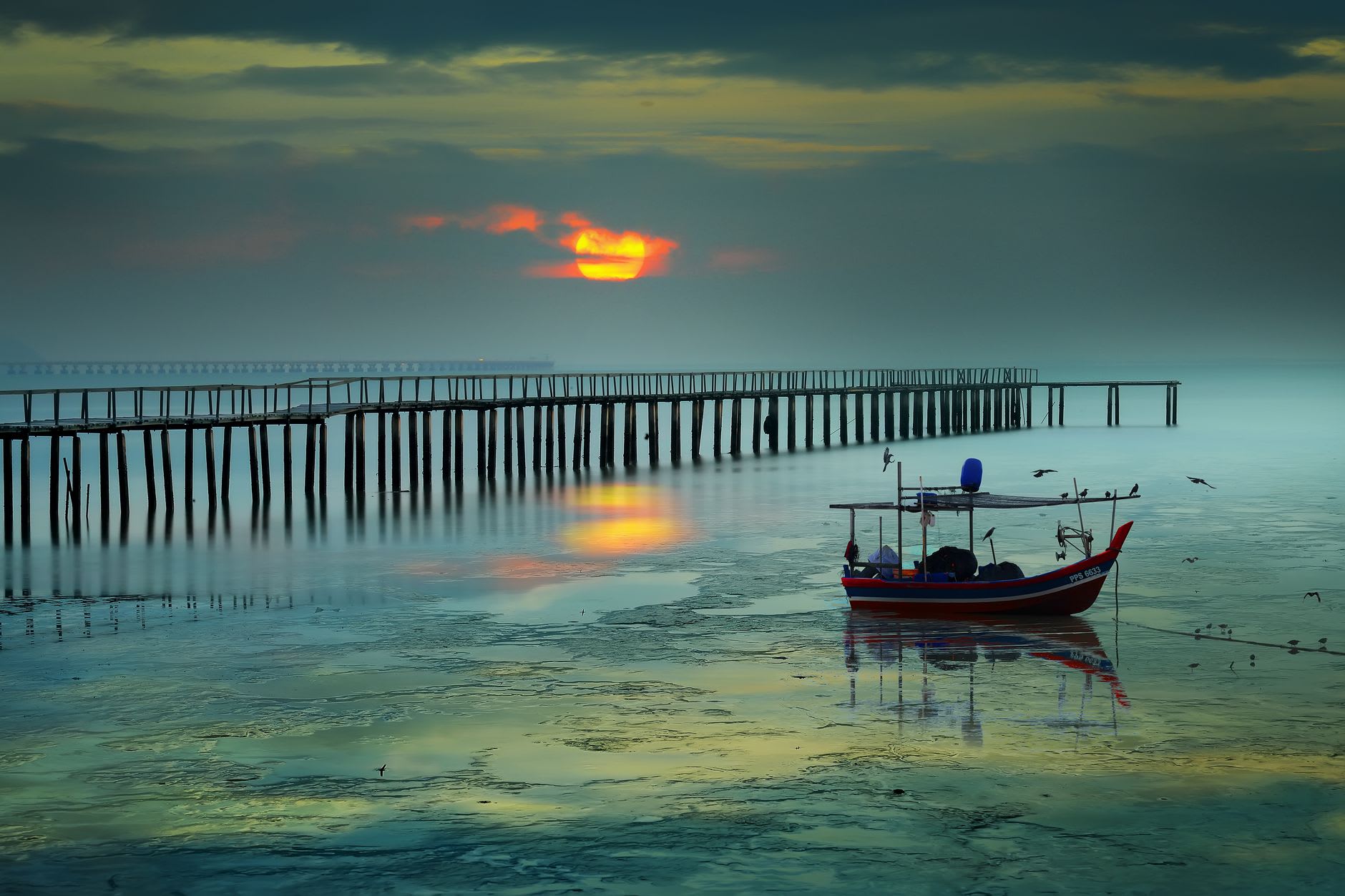
Access is straightforward — boats run from a jetty on Penang’s east coast near Bayan Lepas, and the crossing takes well under fifteen minutes. There’s a resort on one part of the island and various plans have come and gone over the years to develop it more aggressively, which gives the visit a slight now-or-never quality. I’d treat it as a half-day: go for the trails and the ruins, take a guide if you can because the history is most of the point and the unmarked sites are easy to miss, and bring water and decent shoes because the forest paths are humid and uneven. It is not a beach day. It’s a strange, quiet, sobering few hours ten minutes from a city of half a million, and it stuck with me longer than most of the prettier things I saw on Penang.
When to go: December to March, Penang’s drier stretch, when the trails are firmer and the crossings calm. Mornings are best — cooler for the forest walk and better for spotting birds and macaques before the heat sends everything into the shade. Avoid the wettest months around September and October, when the paths turn slick.