
Penang Hill
"The moment the funicular clears the treeline and the whole strait opens below you — that one earns its place in memory."
A colonial hilltop retreat where the air is fifteen degrees cooler, the views stretch to the mainland, and the funicular still feels like a minor miracle.

The funicular departs from Moon Gate station at the hill’s base every half hour, and even before it moves you understand you are in a piece of the colonial world that time decided to leave alone. The station itself is a small tiled building from the 1920s, its interior cool and dim, its notice boards still listing regulations in the formal English of an administration that believed in notices. When the car begins climbing through the secondary jungle — angled so steeply you grip the seat — the city below falls away faster than you expect. Forty minutes after I had been sweating in George Town, I stepped out at the summit into air that was legitimately cool. Cool like a European spring morning. I stood there for a moment and simply breathed.
Penang Hill — Bukit Bendera — rises 833 metres above sea level and the British understood immediately, when they arrived in 1786, that this was where you went to survive the heat. The colonial bungalows that dot the upper slopes were built as retreats for administrators, planters, and the occasional visiting dignitary. They still stand, some of them, in various states of renovation and decay: white-walled structures with deep verandas and corrugated iron roofs and gardens gone half-wild with heliconia and bird-of-paradise. Walking among them in the early morning, with mist still in the trees and no one else on the path, I had the peculiar feeling of intruding on someone’s abandoned afternoon.

The summit’s main platform is inevitably touristy — a Starbucks, a viewing deck, selfie spots marked with painted arrows on the railing — but it takes approximately seven minutes of walking to leave all that behind. The trails on the upper slopes lead into genuine jungle, where the calls of white-bellied sea eagles and Oriental pied hornbills carry through the canopy. I followed a trail toward the David Brown’s restaurant — a colonial-era tearoom now restored on a lower terrace — and spent an hour watching the clouds build over the strait below me. The humidity of the coast was visible as haze. From up here it looked almost beautiful.
The view is the reason people come and the thing that justifies all the queues. George Town spreads out in its peninsula with extraordinary clarity — you can pick out the Komtar tower, the mosque domes, the container port. Beyond it the Penang Bridge makes its long crossing to the mainland. On exceptionally clear mornings, before the haze builds, the mountains of southern Thailand are visible on the northern horizon. I never quite caught that one. But I did watch the sun set behind the mainland hills twice, and the light it threw across the strait both times was worth every minute of the funicular wait.

The hill has a small mosque, a Hindu temple, a Christian chapel, and a Sikh rest house all within a ten-minute walk of the summit — a miniature version of the coexistence that defines the island below. It seemed fitting, somehow, that even the hilltop retreat had arranged itself in the same layered way.
When to go: Arrive at the summit before 8am to catch the mist and the cooler air before the day crowds arrive. Sunset visits are spectacular on clear days but expect longer queues for the funicular return. The hill is busiest on weekends and Malaysian public holidays. The jungle trails are hikeable year-round but can be slippery after rain.
Keep exploring
More from Penang
 penang
Penang War Museum
A hilltop fort of tunnels and gun emplacements where Lia and I spent a sweaty, sobering morning tracing Penang's darkest years.
Explore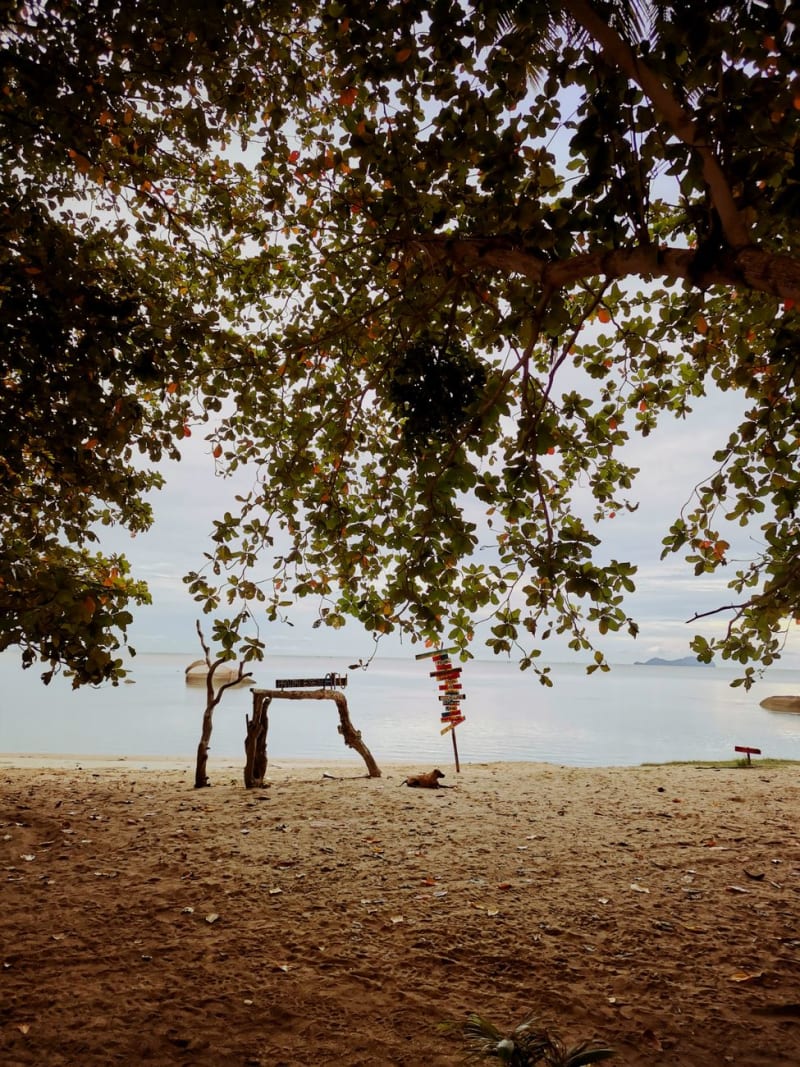 penang
Pulau Jerejak
A small forested island off Penang's southeast coast that spent a century as a quarantine station, leper colony, and prison, and now wears its dark history under a returning blanket of jungle.
Explore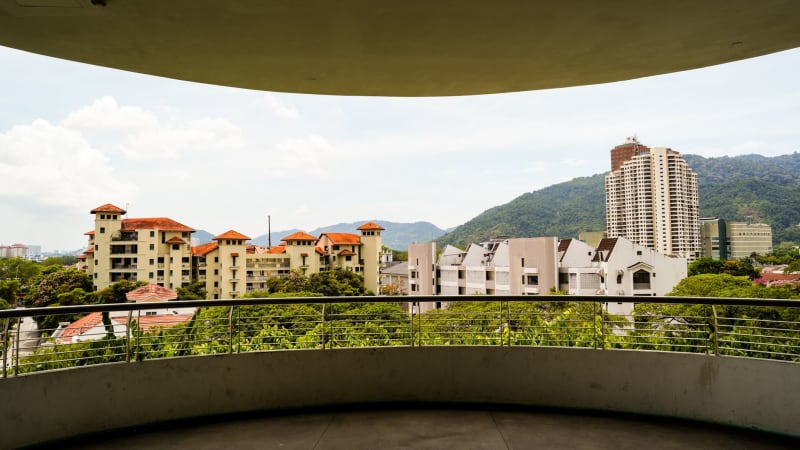 penang
Teluk Bahang
A working fishing village at the end of the north-coast road, gateway to jungle trails, hidden turtle beaches, and a national park that swallows you whole.
Explore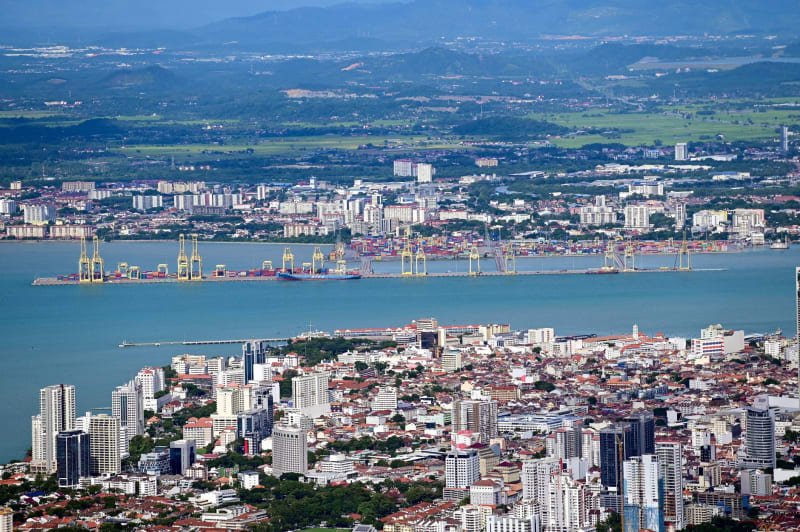 penang
Air Itam
A hillside suburb that holds Penang's most famous laksa stall and its most spectacular Buddhist temple, both equally worth the uphill walk.
Explore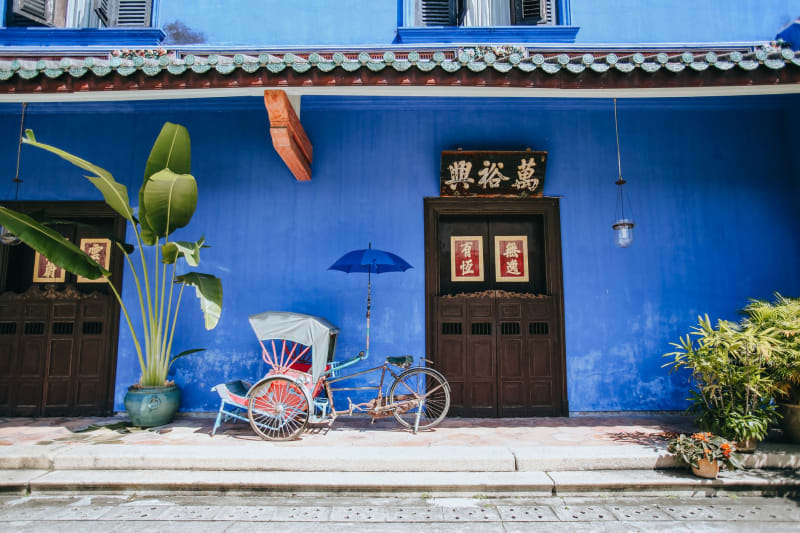 penang
Balik Pulau
The rural interior of Penang's southwest — durian orchards, quiet kampungs, and a pace of life so different from George Town it could be a different island entirely.
Explore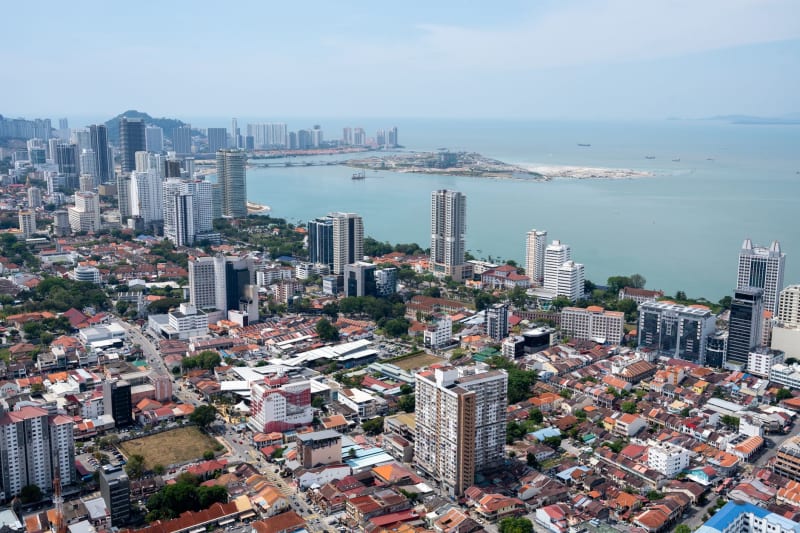 penang
Batu Ferringhi
Penang's long north-coast beach where the coconut palms lean over calm water and the night market stretches further than you intended to walk.
Explore