Balik Pulau
"Balik Pulau is what Penang looks like when no one is performing anything for anyone."
The road to Balik Pulau cuts across the island’s forested spine and drops suddenly into a different world. On one side: the city, the heritage district, the hawker queues, the Instagram murals. On the other: a landscape of durian orchards and nutmeg trees, of Malay kampungs with chickens in the yards and elders sitting in the shade of the late morning, of roadside stalls where the vendor knows every regular by name. I crossed the hill and felt a particular kind of quiet settle over the car — not silence exactly, but an absence of urgency that the urban side of the island carries like a fixed weather system.
Balik Pulau means “the back of the island” in Malay, and the name is exact. This is the rural southwest, the agricultural heart of Penang, the part that the UNESCO heritage designation and the street art tourism circuit do not reach. The Malay fishing villages along the coast here have been catching the same fish from the same stretch of sea for generations. The Chinese orchards in the hills above produce the Musang King durian that Penang is famous for — a variety so prized that its harvest season in June and July turns the whole area into a temporary festival of spiky green fruits and serious-faced buyers testing each one for ripeness with practiced, proprietary knowledge.
I arrived in durian season by accident and I ate more of it than I had intended. The stalls along the main road through Balik Pulau set out their fruits on wooden tables in the shade, the sellers splitting them open with a practiced stroke of a cleaver. The flesh is thick and custard-yellow and its smell is the thing that divides people permanently — sulphurous and sweet simultaneously, like something fermenting in a tropical heat. I find it glorious. I sat at a table under a corrugated roof while rain began falling on the orchards outside and worked through half a fruit, methodically, the way you eat something that demands attention.
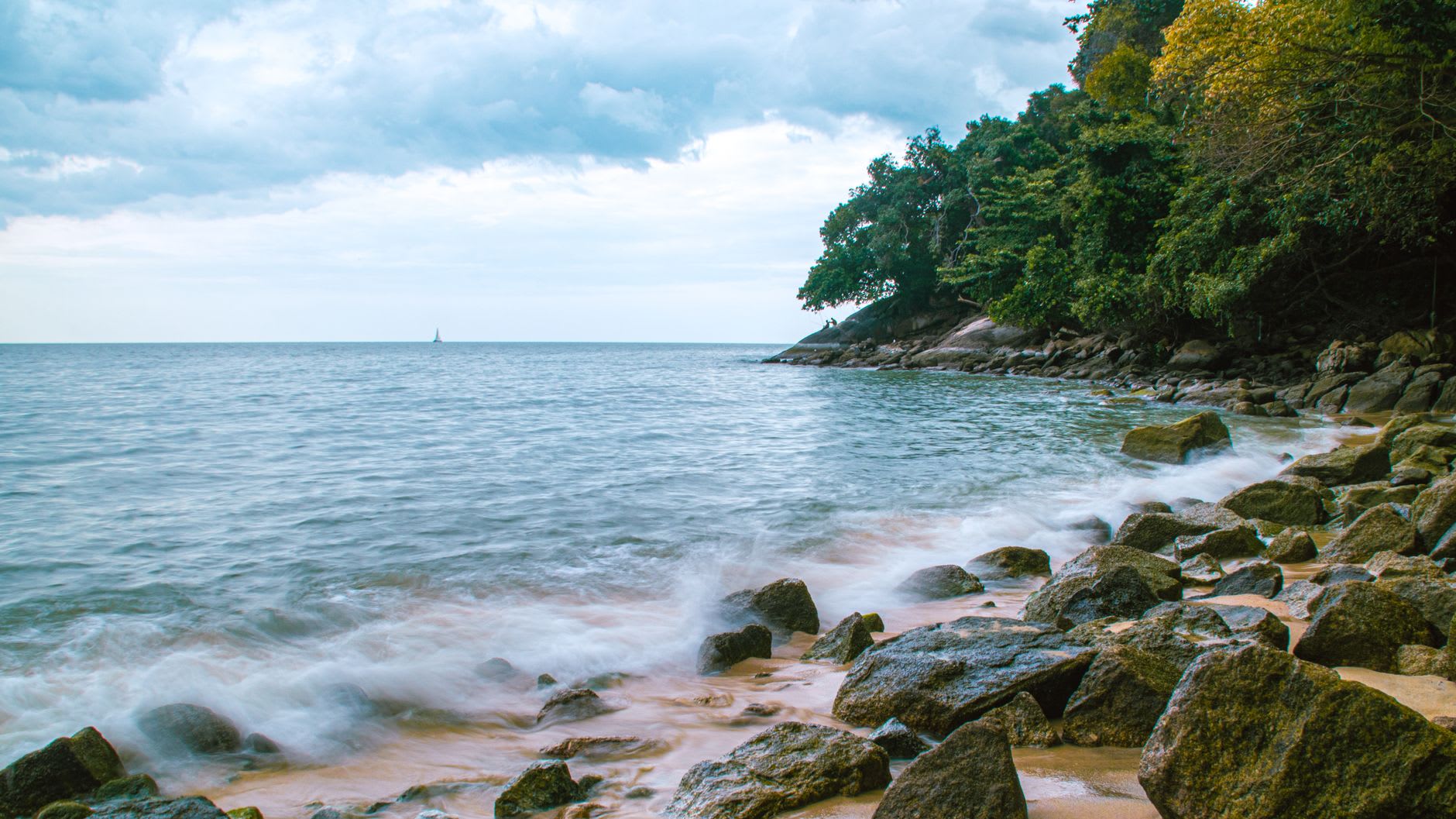
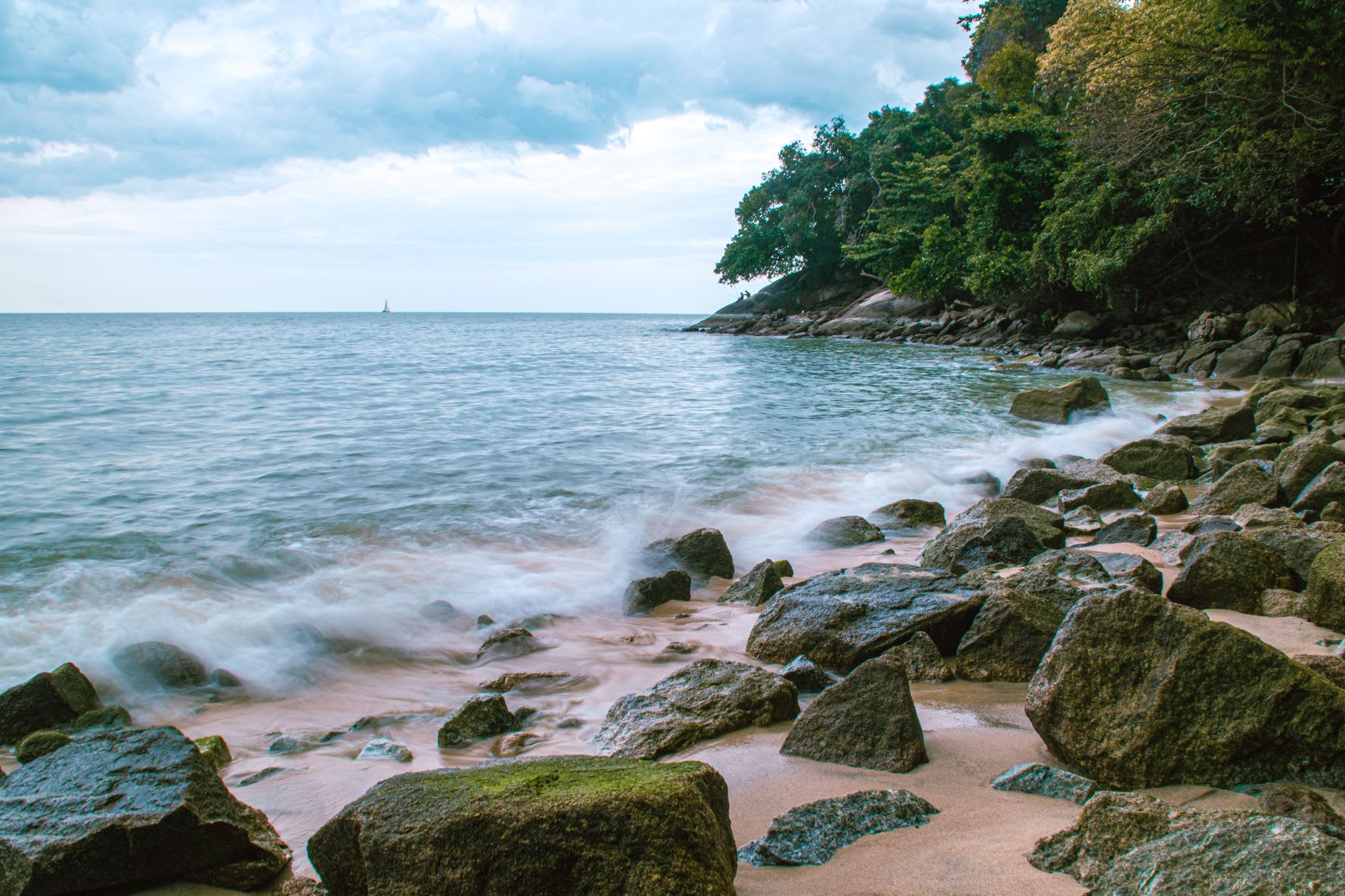
The coast of the southwest is almost empty of tourists. The fishing villages here have the quiet dilapidation of places that have not figured in anyone’s travel plans — boats pulled up on sand, nets drying on lines between palm trees, a shop selling two brands of cigarettes and a single type of cooking oil. I drove slowly along the coastal road south toward Balik Pulau town and passed a makeshift jetty where a man was washing his outboard motor with the patience of someone for whom this was a daily ritual. We waved at each other. That was the entire interaction, and it was enough.
The town of Balik Pulau itself is a small Chinese market town with two competing coffee shops and a good wonton mee stall. I ate lunch there — noodles in a clear soup with pork dumplings, a side of char siu, a cup of iced coffee — surrounded by locals who had been eating at the same table in the same shop for years. The town asks nothing of you and offers everything it has, which is a kind of hospitality that requires a little time to recognise for what it is.
When to go: June and July are durian season — the main reason to visit Balik Pulau specifically. The rest of the year is quieter and pleasant for a half-day drive to escape the city. Avoid the roads on weekends during durian season when Penangites from the city side make the same pilgrimage in large numbers.