A gracious old provincial capital known for choir music, hand-rolled cigars, and a plaza culture that has scarcely changed pace in a century.
Villarrica, the capital of Guairá department, carries itself with the particular self-assurance of a place that once mattered more than it currently does on any map, and I mean that as a compliment. The central plaza is genuinely lovely — royal palms, a whitewashed cathedral with a facade that catches the late light beautifully, benches occupied for the entire day by men who seem to have permanent tenure — and I spent an early evening there simply watching the town’s rhythms resolve around me: a marching band practicing somewhere out of sight, teenagers on bicycles doing slow loops, an ice cream vendor pushing his cart with a bell that rang the same four notes on repeat.
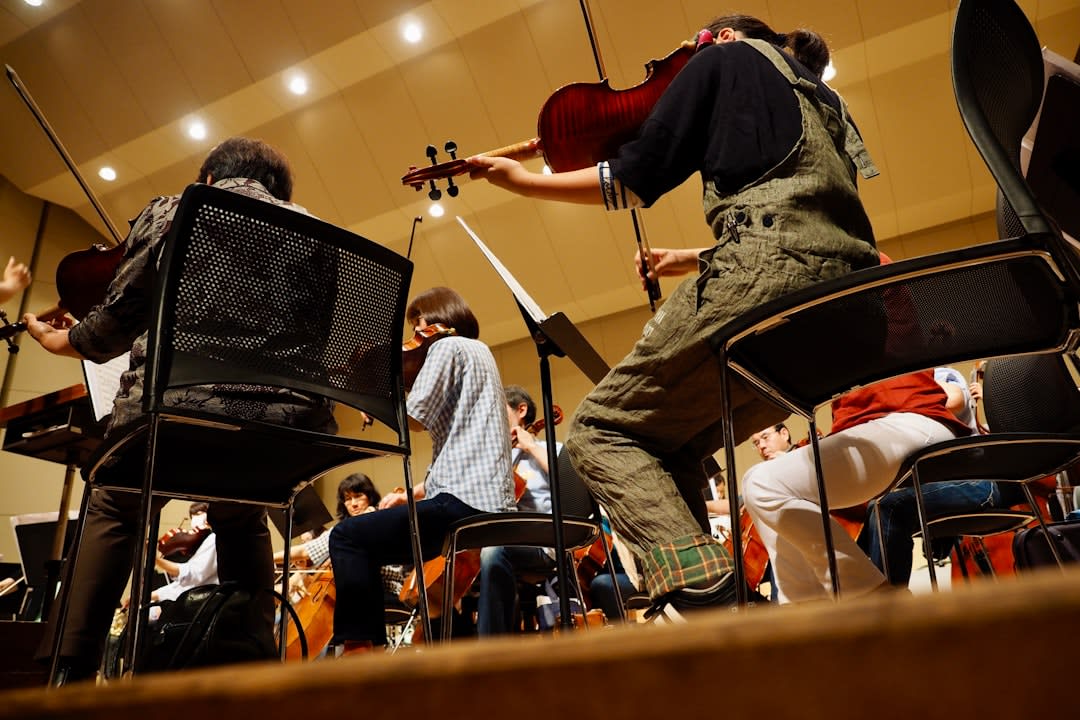
The town has an outsized reputation for choral and orchestral music, something I learned only because Lia, out of curiosity, asked a shopkeeper where the local sound of a trumpet down the street was coming from. It turned out to be a youth orchestra rehearsal at the Escuela de Música, part of a broader Paraguayan tradition of small-town classical music schools that has produced professional musicians well beyond what a town this size would suggest. We stood outside the open windows for twenty minutes listening to teenagers work through a passage of strings, imperfect and earnest, until a teacher noticed us and waved us in to sit at the back.
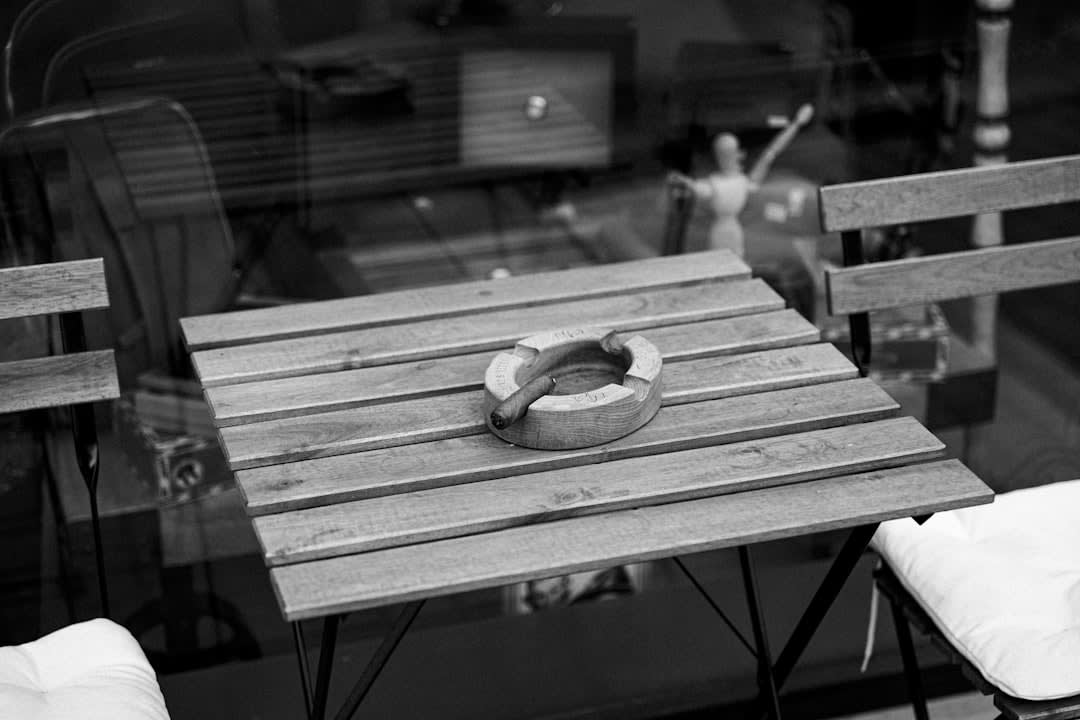
Villarrica is also known for hand-rolled cigars, a legacy of the region’s tobacco farming, and I found a small family workshop where an older man named Aurelio rolled leaves with the unhurried precision of a craft he’d learned from his father. He offered me one to smoke on the spot, which I did badly, coughing through half of it while he laughed generously rather than unkindly. The tobacco smelled sweet and slightly fermented, nothing like the cigars I’d tried elsewhere, and he told me most of what he rolls stays within Paraguay rather than being exported, a small local pride he clearly enjoyed mentioning.
When to go: The dry, mild months from April to October make walking the plaza and surrounding streets far more pleasant than the sticky peak of summer.
Keep exploring
More from paraguay
 paraguay
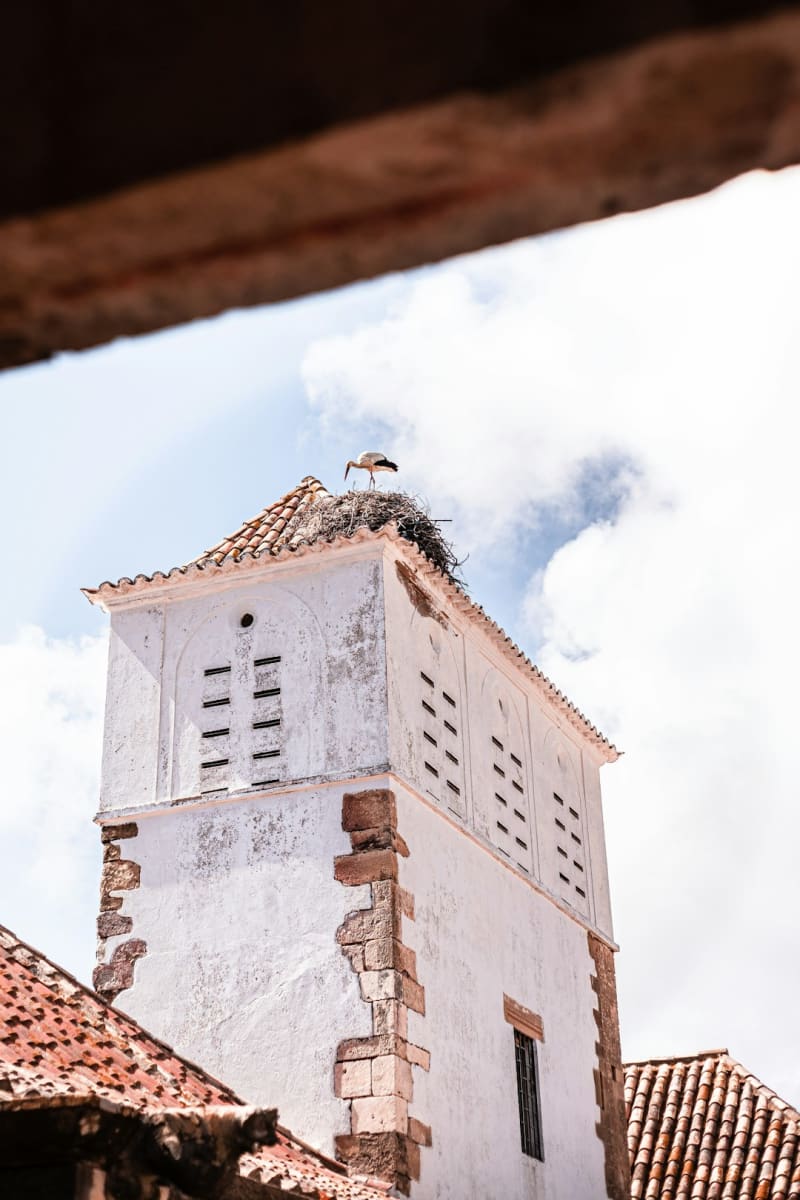
 Yaguaron
A small colonial town holding one of South America's most extraordinary Franciscan churches, its interior carved entirely in gold-leafed native wood.
Explore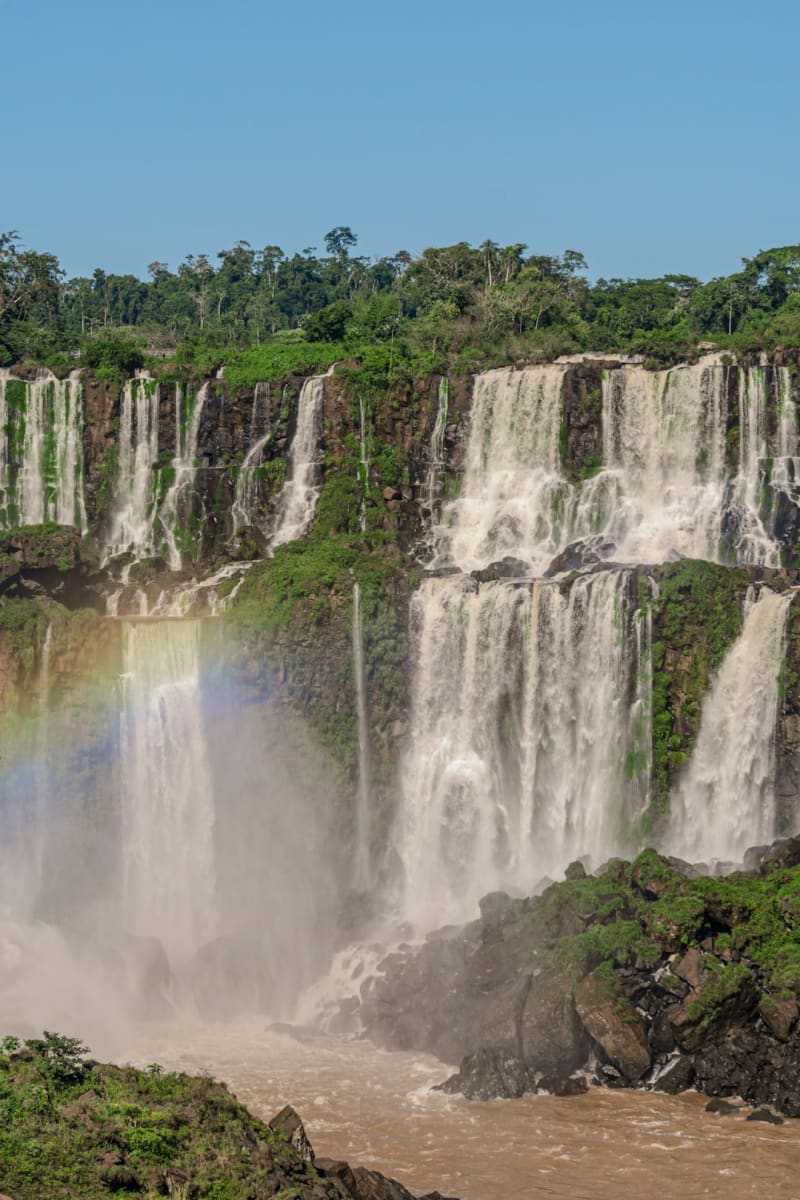 paraguay
 Ybycui National Park
A pocket of Atlantic Forest folded around 19th-century iron ruins, where waterfalls drop through jungle that has quietly reclaimed a war industry.
Explore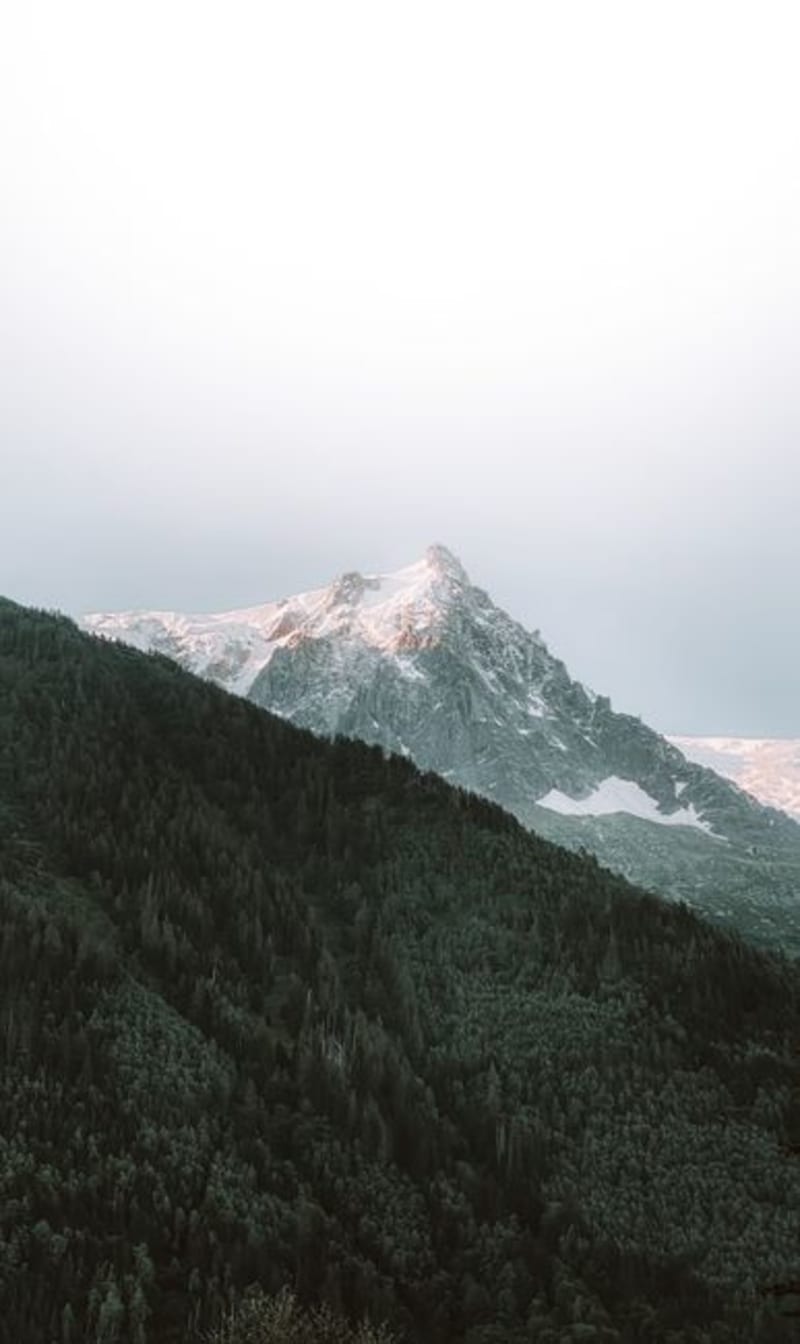 paraguay
 Ybytyruzu Mountains
Paraguay's most dramatic mountain range, forested peaks and waterfalls rising unexpectedly out of the eastern farmland, largely unknown even to Paraguayans further south.
Explore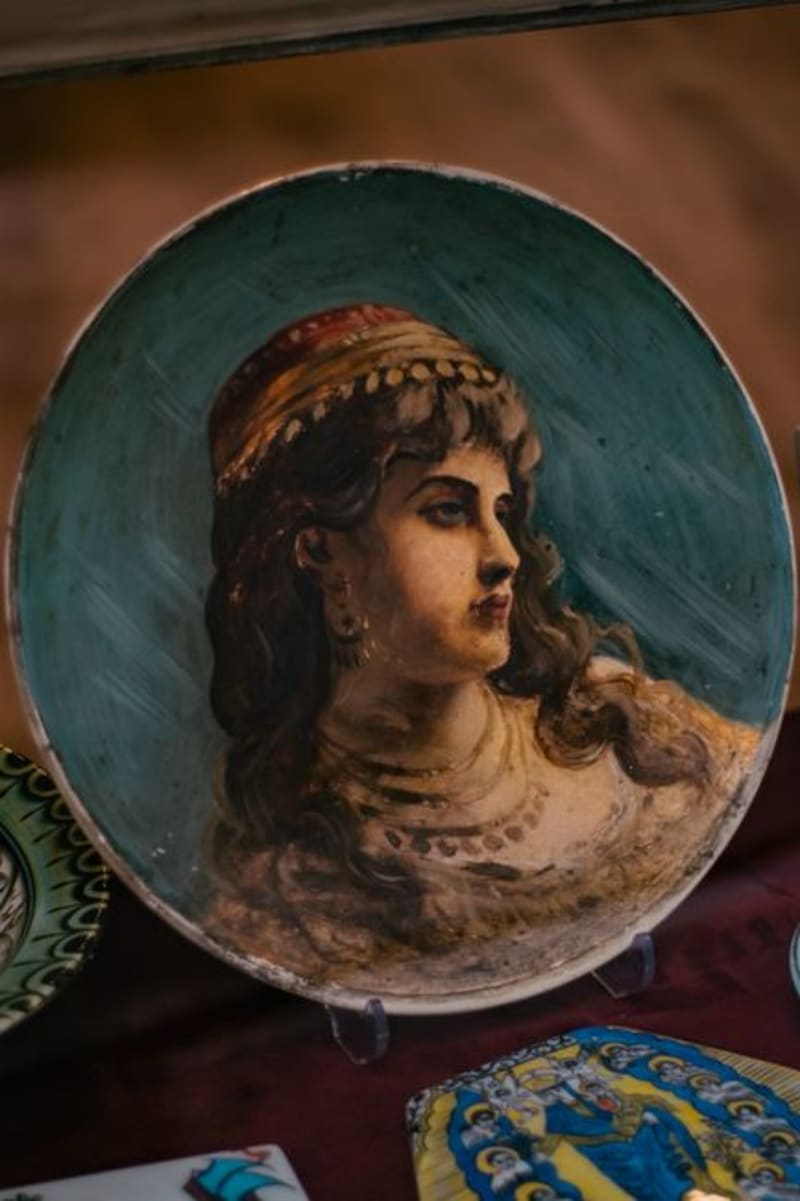 paraguay
 Aregua
A lakeside pottery town on the shores of Lake Ypacarai where red clay hills, strawberry stands, and Sunday crowds from the capital all meet.
Explore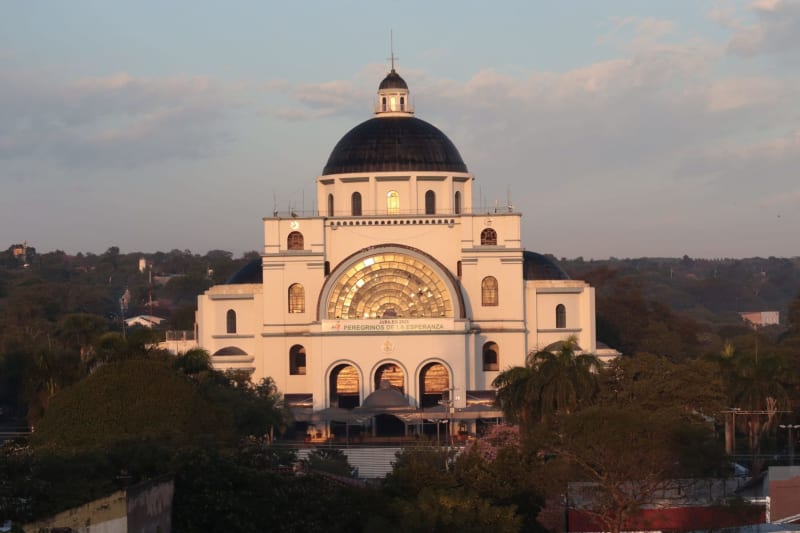 paraguay
 Asuncion
South America's oldest colonial capital sits on the Paraguay River, largely undiscovered and entirely itself.
Explore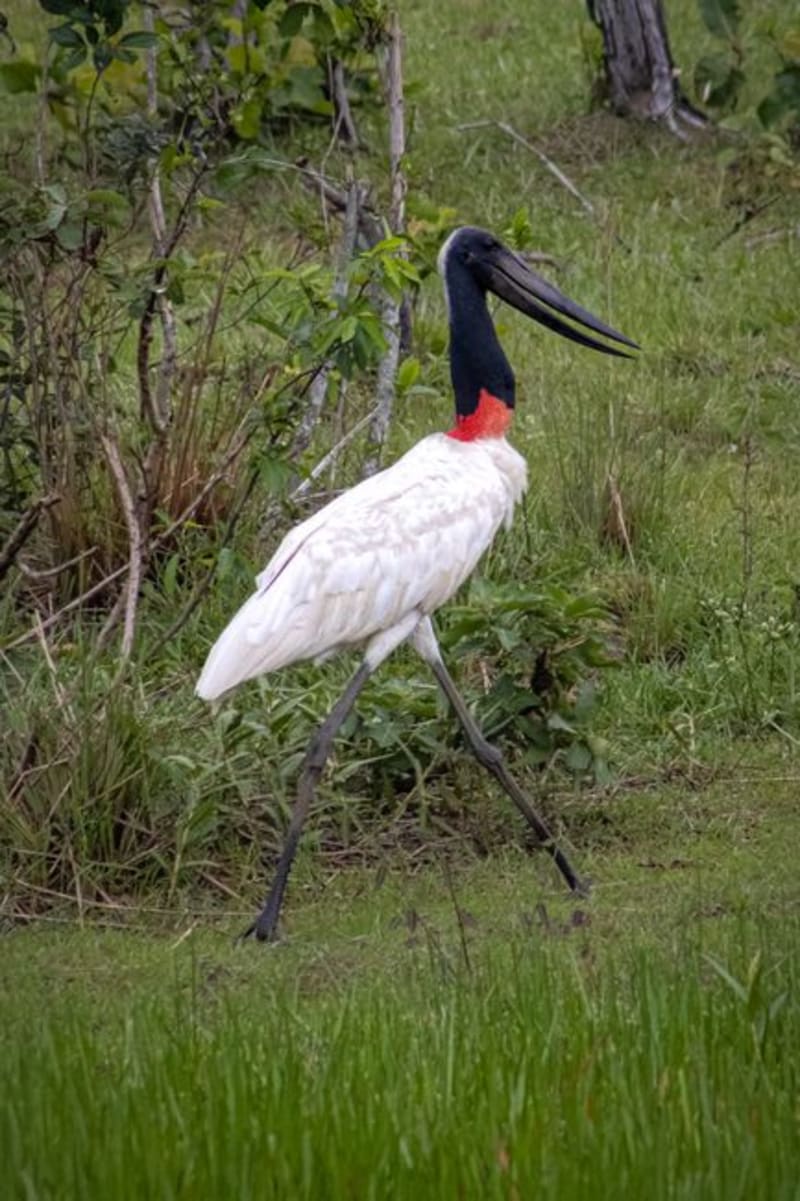 paraguay
 Bahia Negra
Paraguay's northernmost river outpost, gateway to the vast Pantanal wetlands, reachable only by a two-day boat trip or a small propeller plane.
Explore