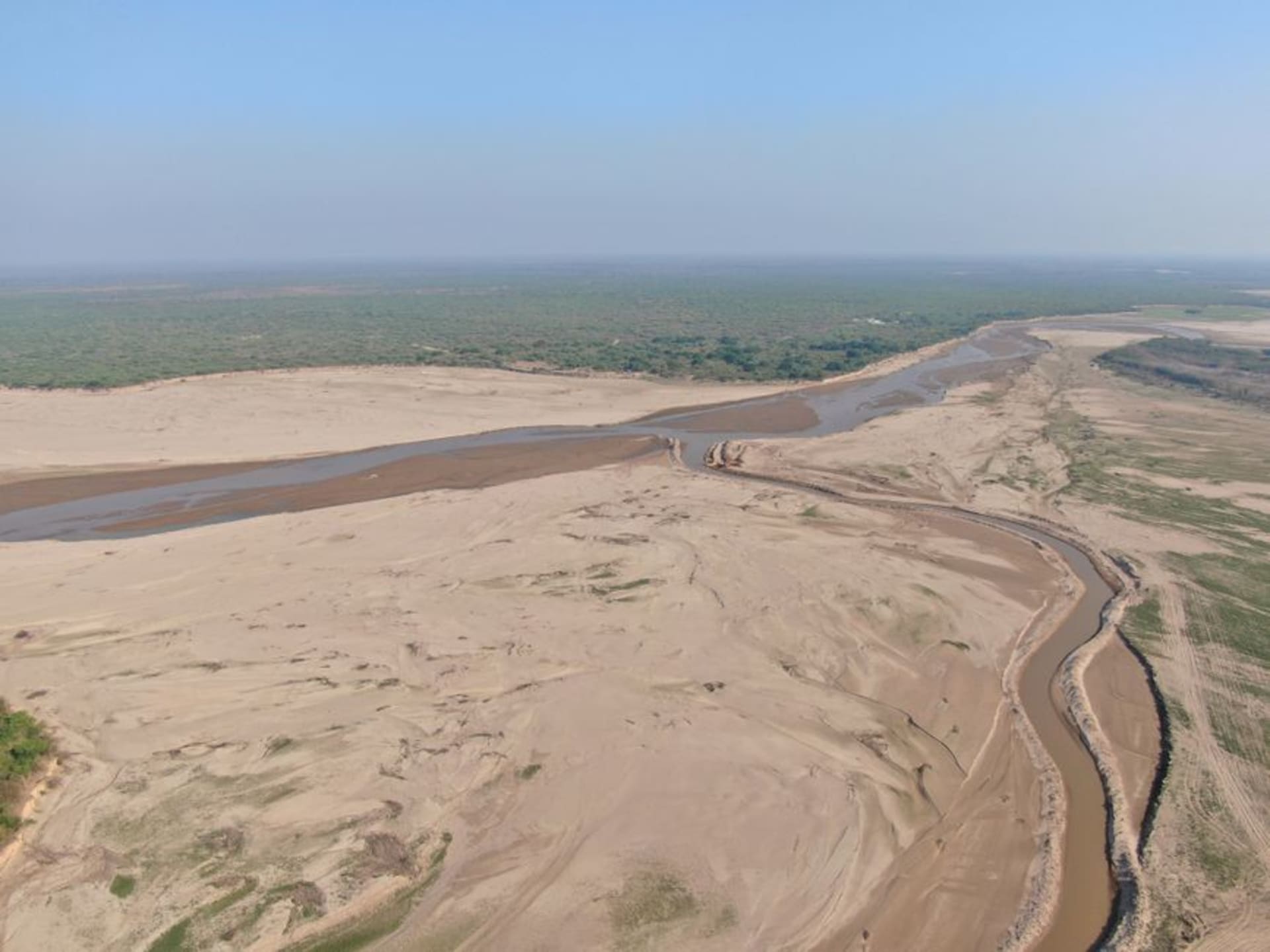
The oldest Mennonite colony town in the Paraguayan Chaco, orderly and green against the surrounding thornbush, with a museum tracing the hardest years of settlement.
Loma Plata is the administrative center of the Menno colony, the first Mennonite settlement in the Paraguayan Chaco, founded in 1927 by Russian Mennonites who arrived here after a brutal journey fleeing Soviet collectivization, and it remains the most visibly orderly town I encountered anywhere in this part of the country — tree-lined streets, tidy brick houses, an almost startling amount of shade for a region defined by thornbush and dust. I arrived expecting something more frontier and found instead something closer to a small, transplanted Central European town, dropped with total incongruity into the middle of dry Chaco scrub.
The Museo Histórico Menno, housed in one of the colony’s original buildings, was the most affecting stop of my visit — displays of the primitive tools the first settlers used to break unyielding Chaco soil, photographs of the desperate early years when disease and drought killed a significant share of the founding population, and a small room dedicated to the harrowing overland trek some later Mennonite refugee groups made fleeing further persecution in the Soviet Union decades after the first wave. A museum guide named Agatha, whose grandparents were among the original 1927 arrivals, spoke about the settlement’s history with a measured gravity that made clear this wasn’t distant history to her family at all.
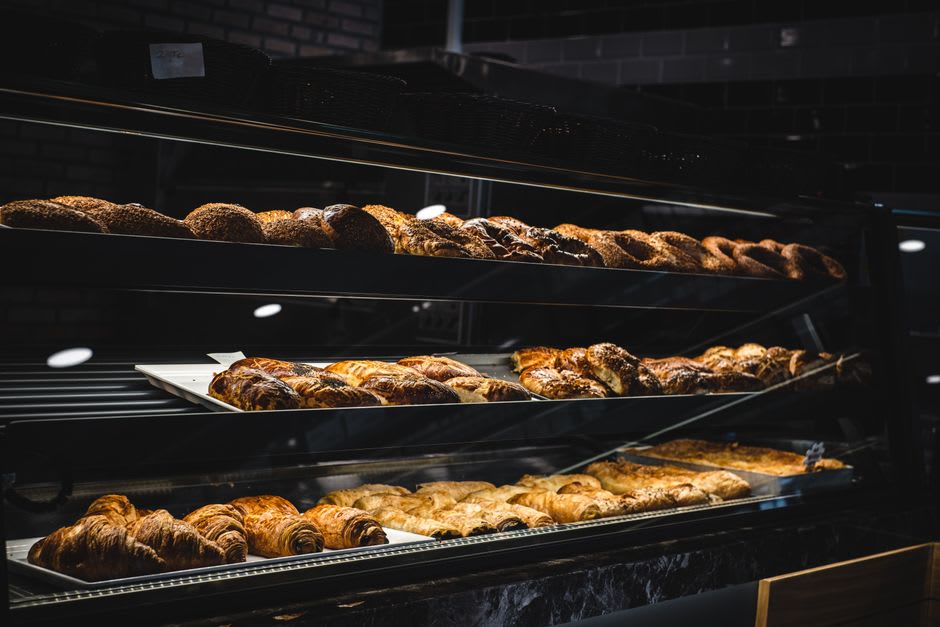
Outside the museum, Loma Plata felt disarmingly ordinary in the best sense — a supermarket stocked with excellent local dairy, a bakery selling plautz and other German pastries alongside chipa, and a cooperative headquarters that functions as the economic engine for cattle, dairy, and grain production across a huge stretch of the central Chaco. I sat at a small café on the main street eating an apple strudel that tasted, improbably, exactly like the ones I remembered from a trip to Germany years earlier, while outside the window a Nivaclé family passed on a horse cart, a genuinely striking juxtaposition of the region’s layered communities moving through the same dusty street.
When to go: May through August offers manageable Chaco temperatures for exploring the town on foot; the museum is open on weekdays and worth calling ahead to confirm hours.
Keep exploring
More from paraguay
 paraguay
 Paraguari
A hill-flanked railway town beneath the Cerro Santo Tomas escarpment, where a rusting steam locomotive and steep forest trails share the same quiet valley.
Explore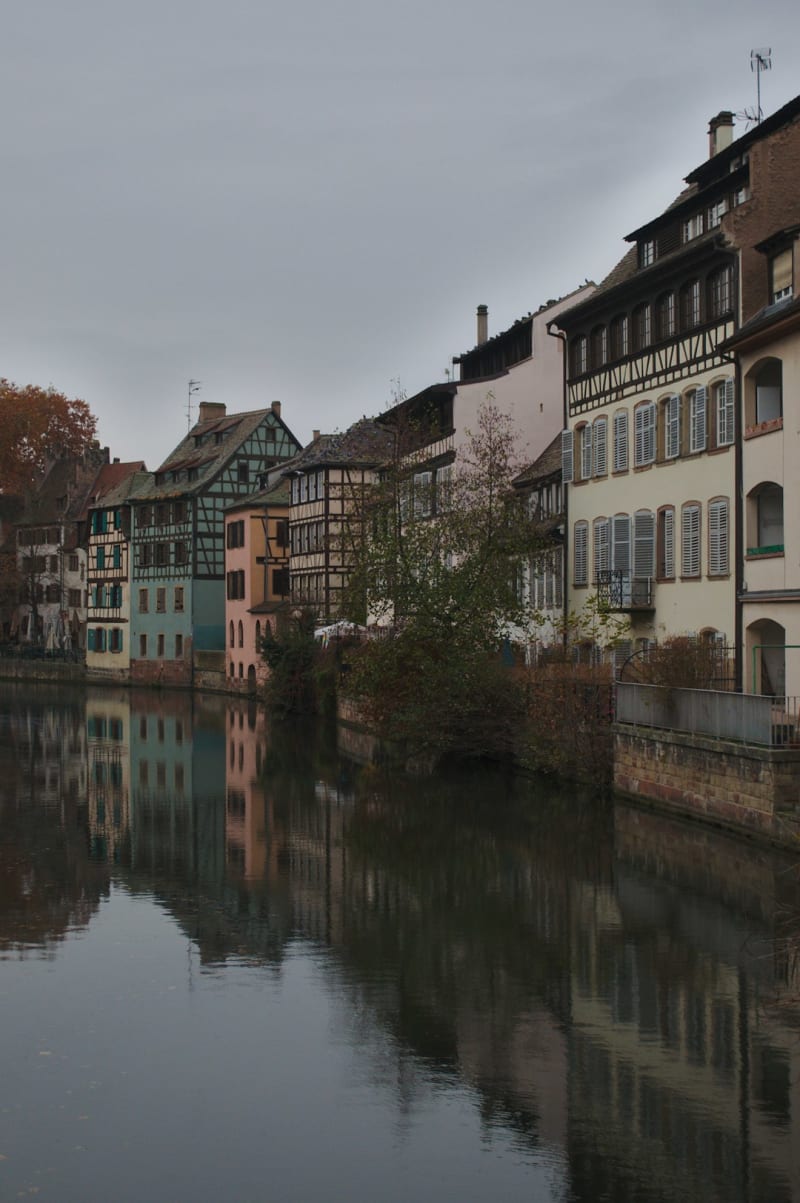 paraguay
 Pilar
A low-lying river town on stilts and levees where the Paraguay River floods a rhythm of life into the streets nearly every year.
Explore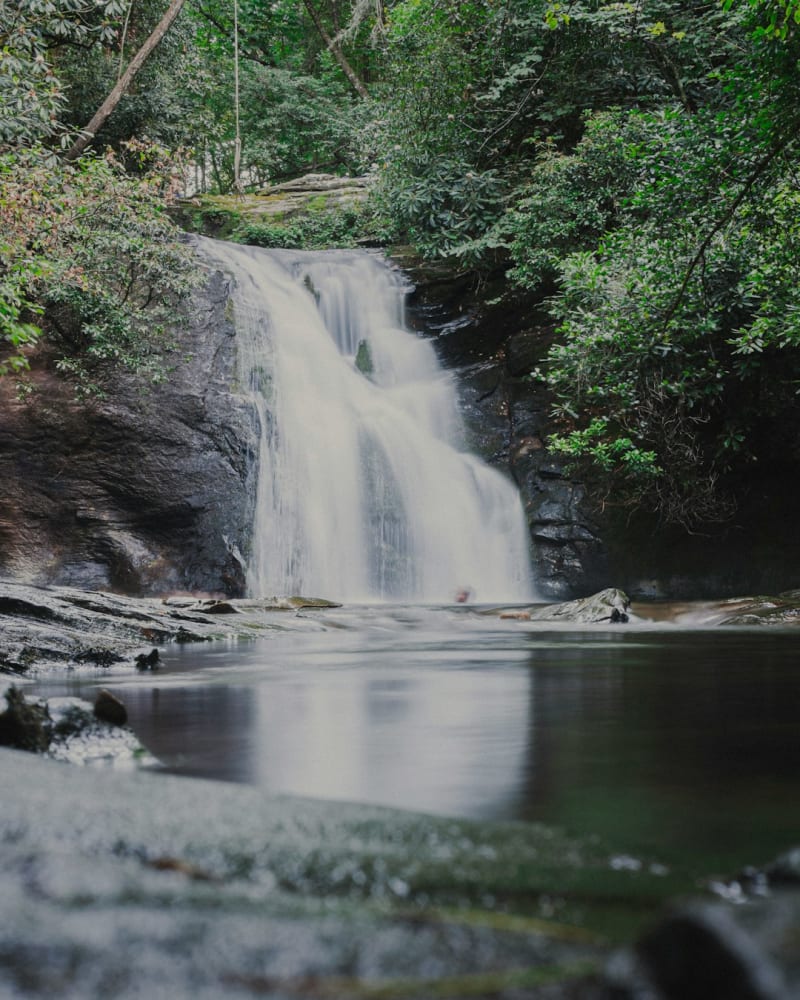 paraguay
 Piribebuy
A hill-country town that served as Paraguay's wartime capital, remembered now for a somber battle museum and waterfalls tumbling through the surrounding countryside.
Explore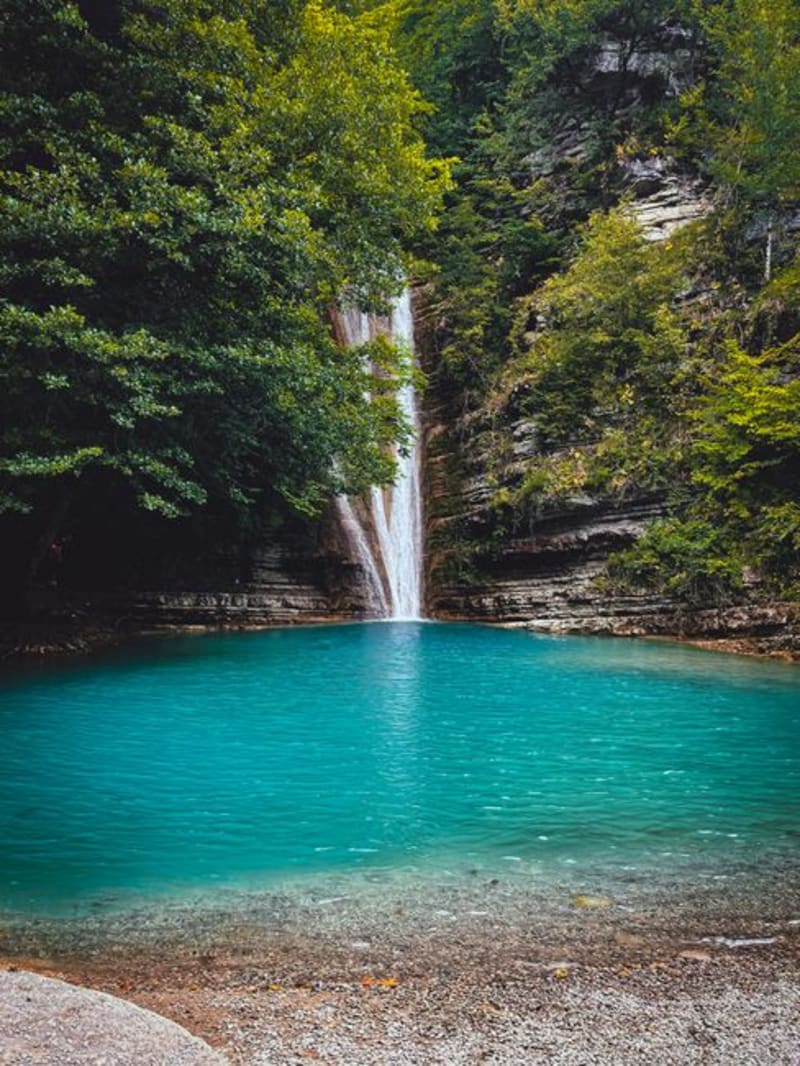 paraguay
 Salto Cristal
A hidden waterfall in the eastern forest reserves near the Brazilian border, its clear pool ringed by palms and reachable only after a genuine hike.
Explore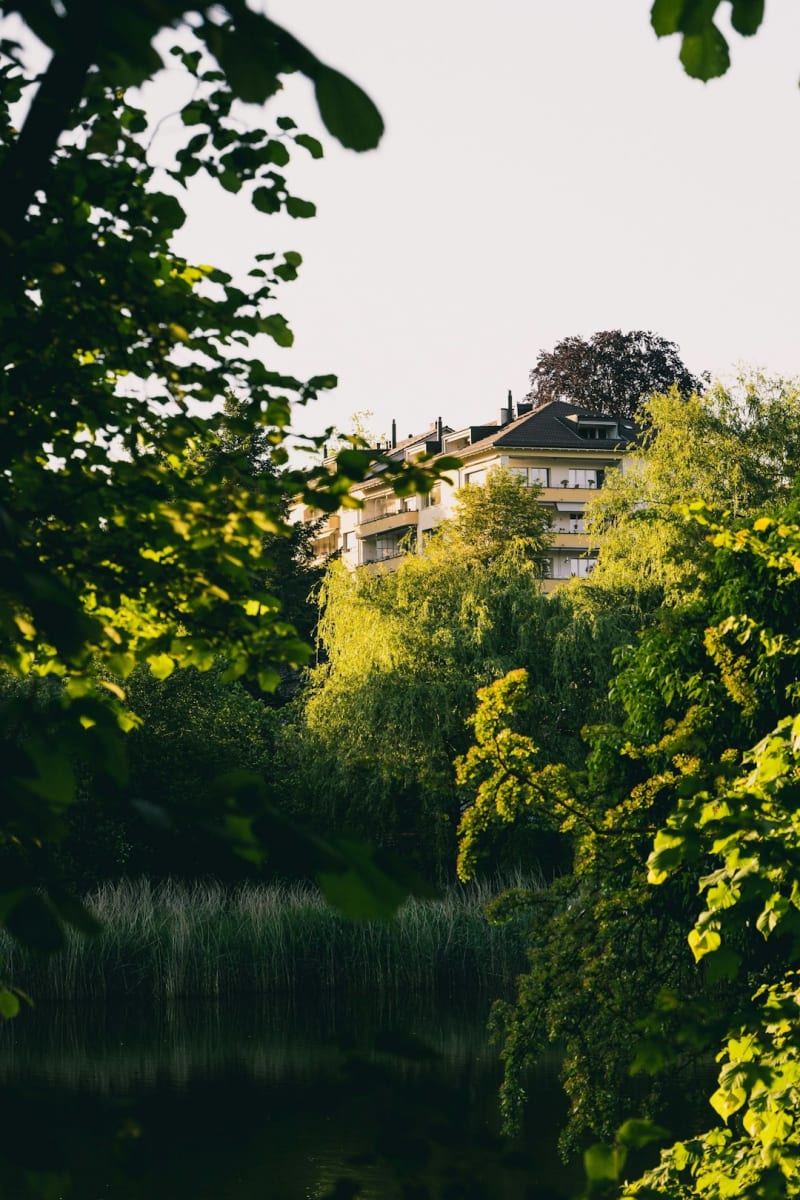 paraguay
 San Bernardino
A German-settled lake resort town where century-old timber villas face Lake Ypacarai and Asuncion's wealthy come to swim away the heat.
Explore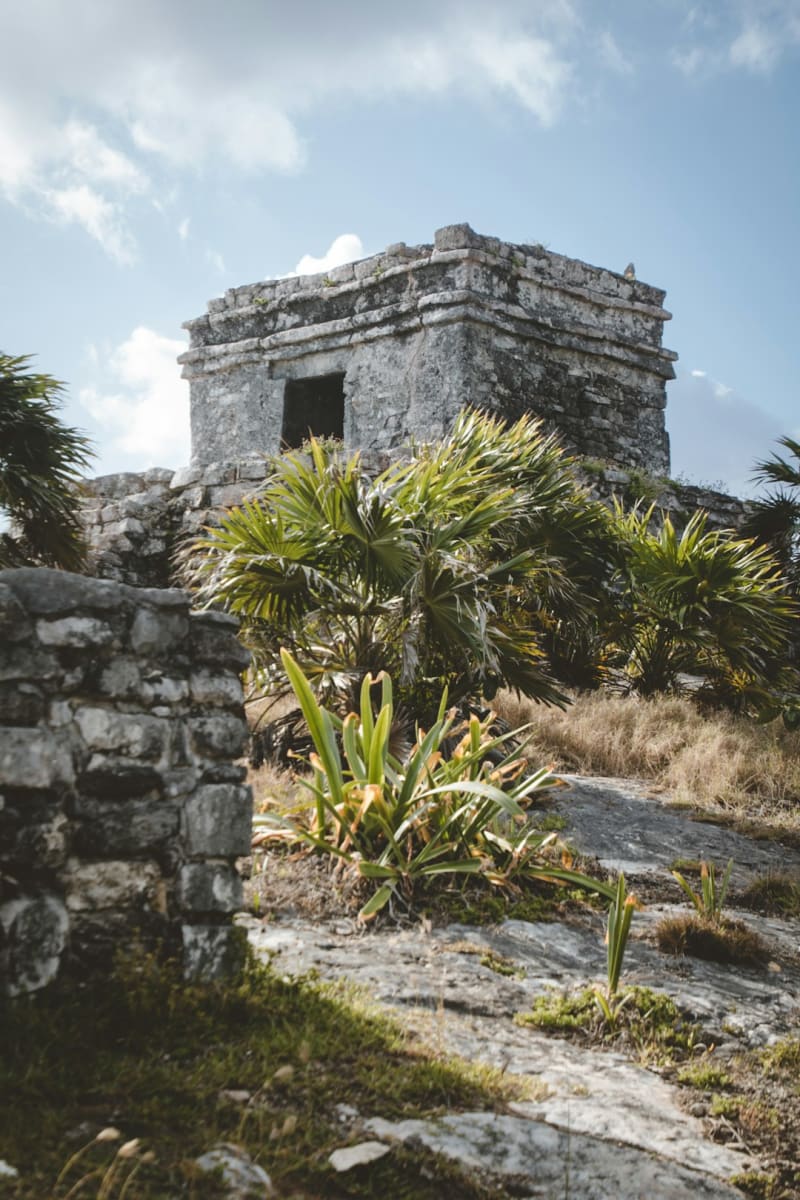 paraguay
 Trinidad Jesuit Ruins
The best-preserved Jesuit mission in Paraguay, its red sandstone church and workshops standing in grassy fields as a UNESCO World Heritage monument to a vanished utopian experiment.
Explore