A ceramics town famous for whimsical clay figurines, where entire streets of family workshops fire kilns from before dawn.
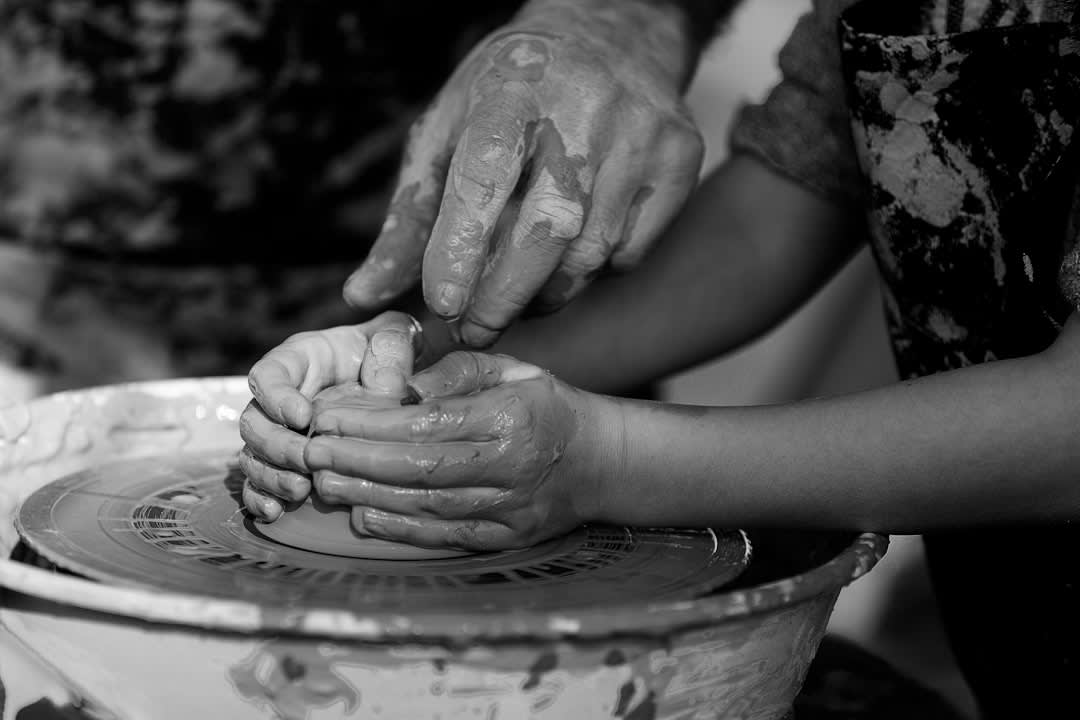
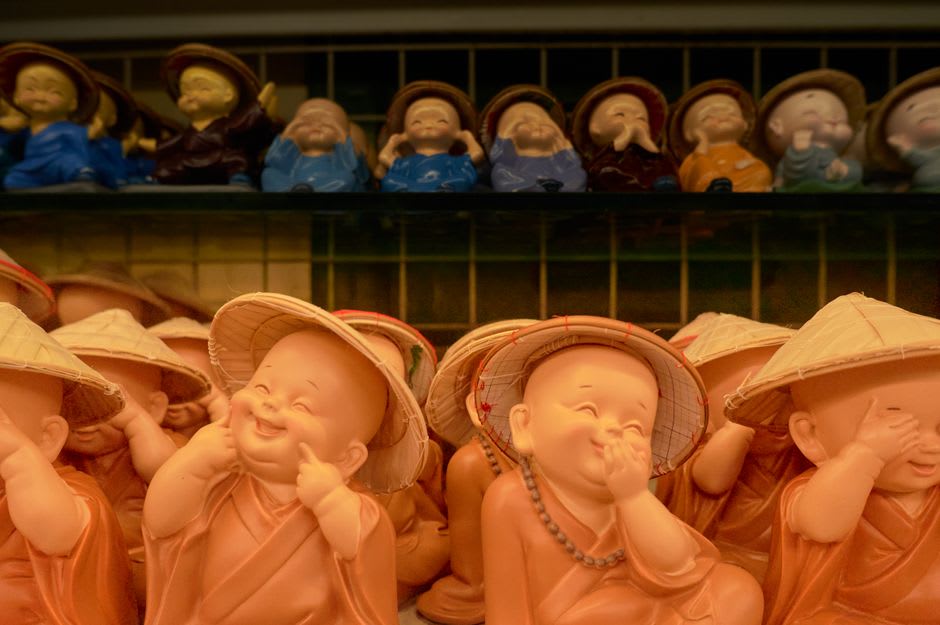
Itá is famous across Paraguay for one very specific thing: the santos and figuritas, small painted clay figures — saints, animals, comically fat mermaids, farmers with oversized hats — that have been produced here by generations of the same families since the colonial period. I arrived expecting a quick browse and stayed most of the day, moving from workshop to workshop along Calle Mariscal López, where nearly every third house seems to have a kiln smoking gently in the back patio and a front room lined with shelves of drying clay figures in various stages of paint.
I spent a long stretch of the morning with a woman named Ramona, whose family has made these figures for four generations, watching her paint tiny facial features onto a mermaid with a brush no wider than a few bristles, her hand utterly steady despite the heat and the flies drifting through the open doorway. She told me the wood-fired kilns are lit before four in the morning so the clay can cure through the cool hours, and that she still mixes her own glazes from a recipe her grandmother taught her, refusing modern paints because they “don’t hold the light the same way.”
Beyond the ceramics, Itá turned out to have a genuinely handsome colonial church — the Iglesia de Nuestra Señora de la Candelaria — with a squat whitewashed facade and a bell tower that rings with a slightly cracked, homely tone that I found more charming than any perfectly-tuned bell would have been. I sat on the church steps at dusk eating a chipa bought from a woman balancing a basket on her head, watching the smoke from a dozen kilns drift up against a sky turning the exact orange of the clay itself.
When to go: Visit on a weekday morning when the workshops are actively firing and painting; the town holds a dedicated ceramics fair each July that draws artisans from across the region.
Keep exploring
More from paraguay
 paraguay
 Jesus de Tavarangue
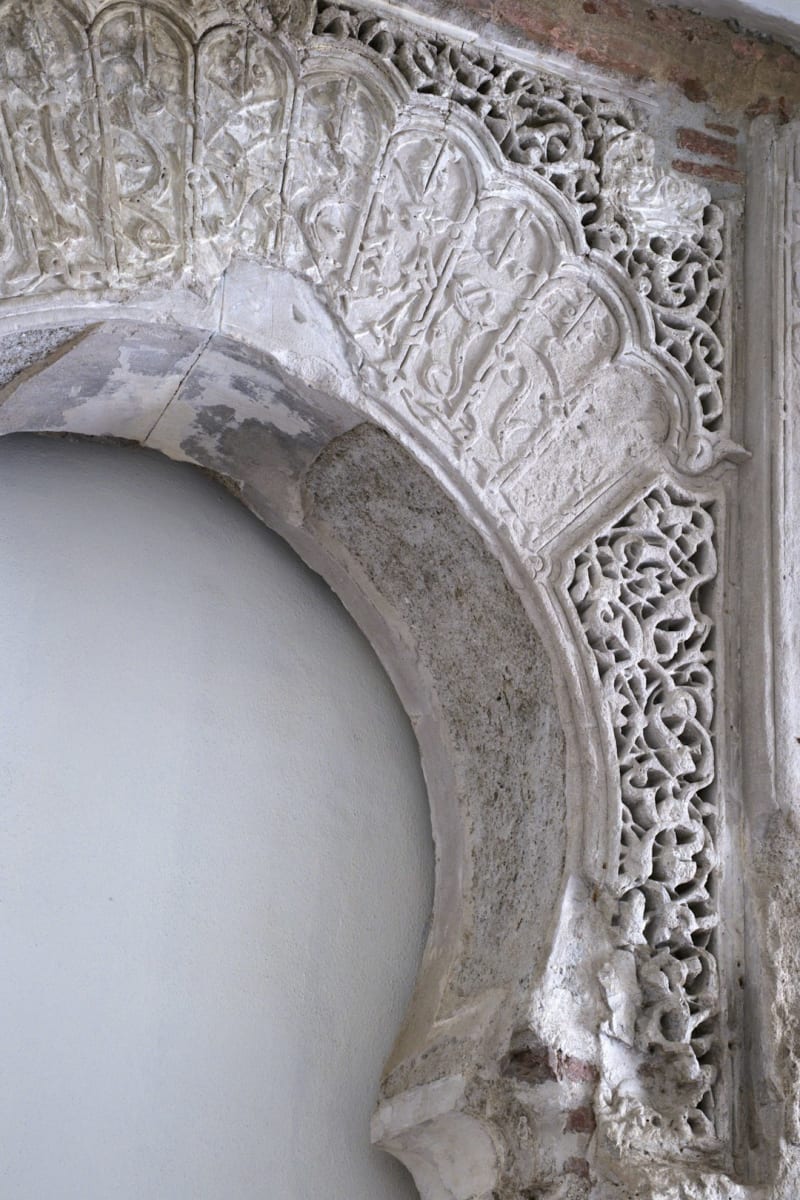
An unfinished Jesuit church whose three Moorish-arched doorways stand open to the sky, halted by expulsion before the roof was ever raised.
Explore paraguay
 Loma Plata
The oldest Mennonite colony town in the Paraguayan Chaco, orderly and green against the surrounding thornbush, with a museum tracing the hardest years of settlement.
Explore paraguay
 Paraguari
A hill-flanked railway town beneath the Cerro Santo Tomas escarpment, where a rusting steam locomotive and steep forest trails share the same quiet valley.
Explore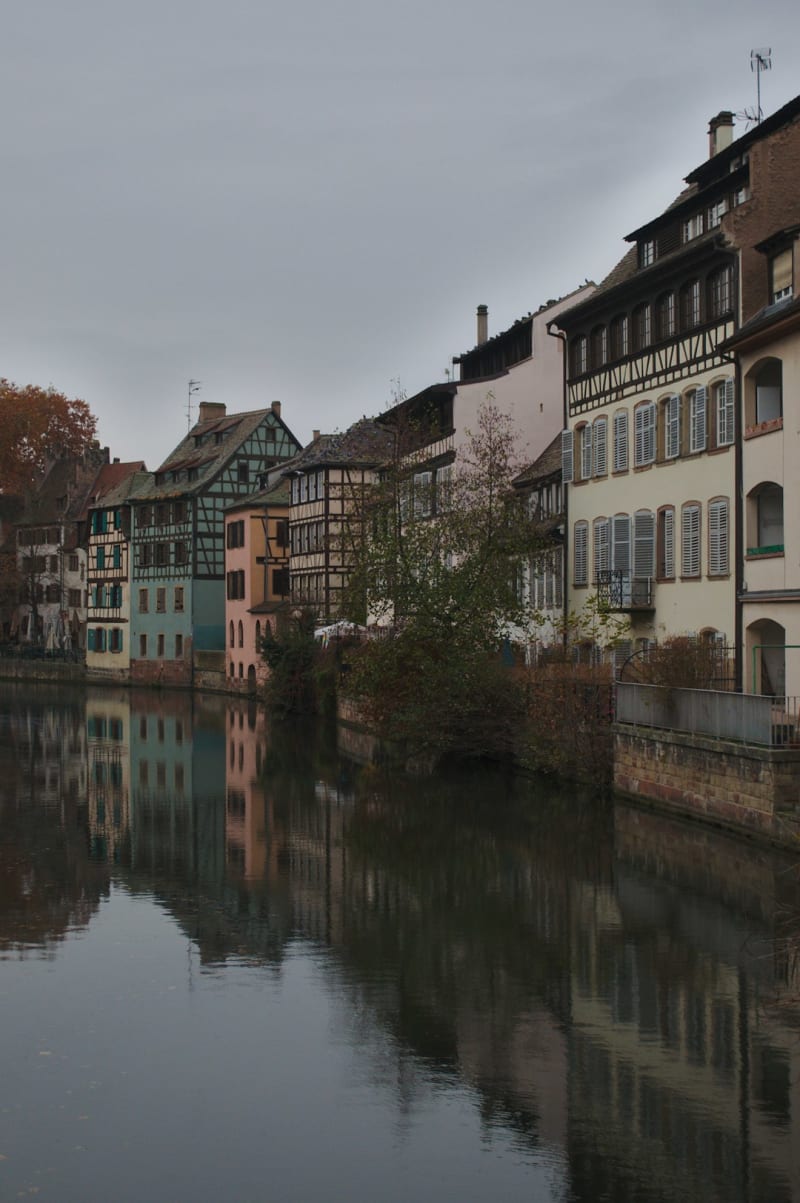 paraguay
 Pilar
A low-lying river town on stilts and levees where the Paraguay River floods a rhythm of life into the streets nearly every year.
Explore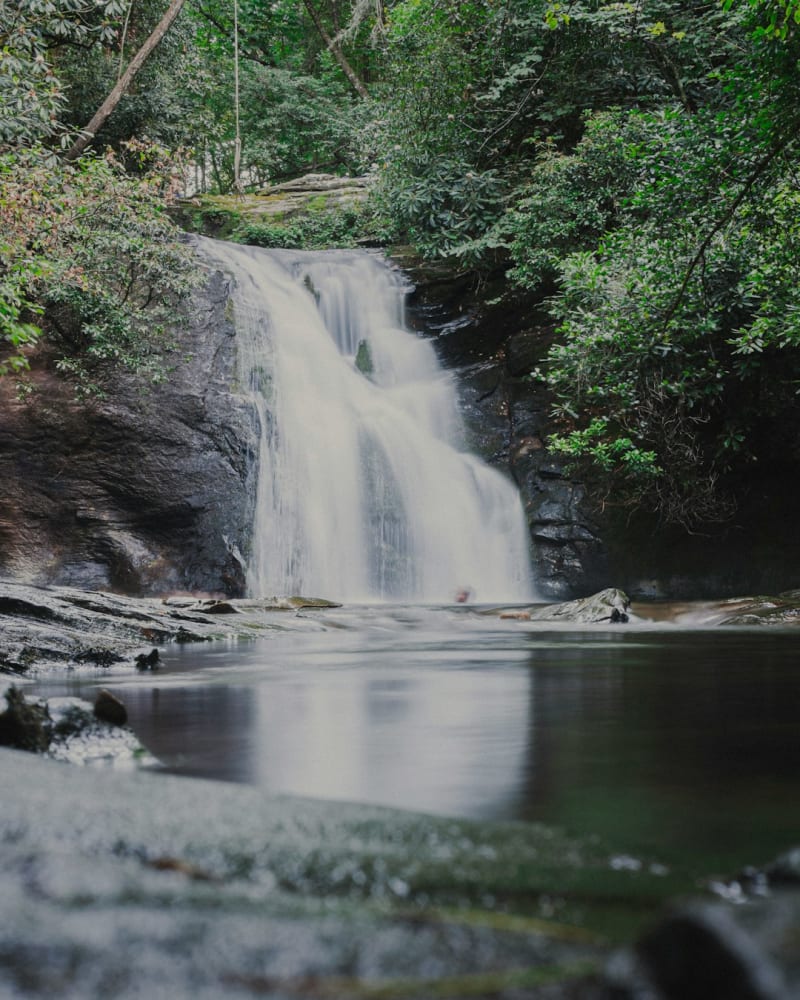 paraguay
 Piribebuy
A hill-country town that served as Paraguay's wartime capital, remembered now for a somber battle museum and waterfalls tumbling through the surrounding countryside.
Explore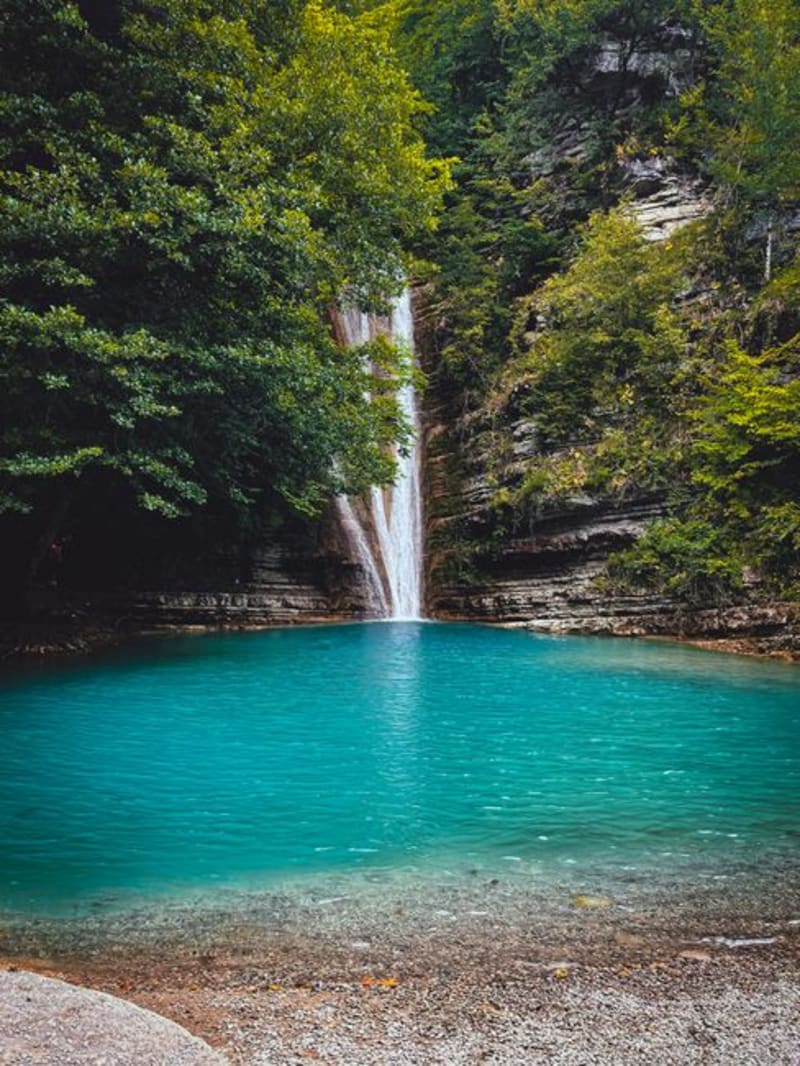 paraguay
 Salto Cristal
A hidden waterfall in the eastern forest reserves near the Brazilian border, its clear pool ringed by palms and reachable only after a genuine hike.
Explore