A Mennonite colony town deep in the Chaco scrubland, where German is still spoken over dairy counters and the desert has been coaxed into surprising productivity.
Filadelfia sits deep in the Chaco, a vast dry scrubland that occupies over sixty percent of Paraguay’s territory yet holds barely two percent of its population, and arriving there after hours of flat thorn forest along the Trans-Chaco highway felt like crossing into a different country entirely. The town was founded in the 1930s by Mennonite settlers fleeing religious persecution in the Soviet Union, and the German dialect Plautdietsch is still spoken here as a first language by many residents, alongside Spanish and Guaraní — a genuinely strange and moving linguistic layering to encounter in the middle of what looked, from the highway, like uninhabitable bush.
I stopped at the Chaco Central cooperative, a dairy and agricultural operation the Mennonite communities built from nothing, and a manager named Hendrik walked me through the milk processing facility, explaining how his grandparents’ generation had arrived with almost no capital and turned scrubland unsuitable for most conventional agriculture into productive cattle and dairy country through decades of stubborn adaptation. The cheese produced here, Paraguay’s most famous, is sold across the entire country under the Trébol and Chortitzer brands, which was a fact I found genuinely surprising — that so much of the dairy on Asuncion’s supermarket shelves traces back to this dusty settlement hundreds of kilometers away.
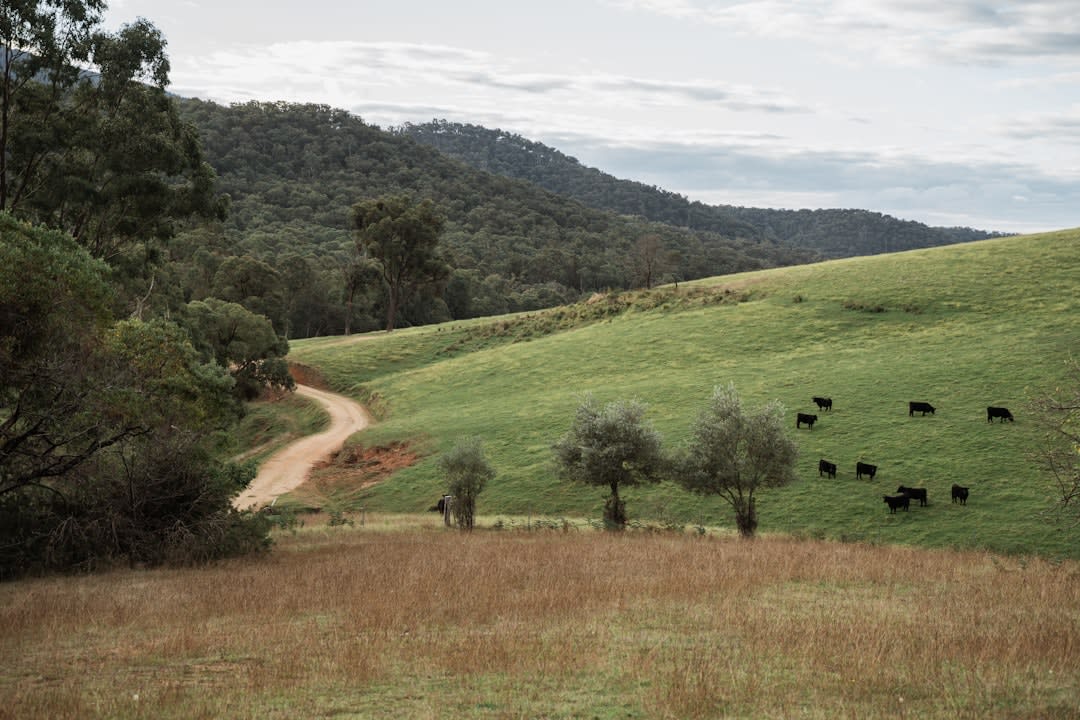
The Museo Jakob Unger, a small history museum documenting the colonists’ arrival and the brutal early years of drought and disease, gave me the fuller emotional context — photographs of families living in dugouts before the first proper houses were built, tools improvised from almost nothing. Outside, indigenous Nivaclé and Enlhet communities, whose ancestral land this originally was and remains contested in complicated ways, sell handwoven bags and carved wood along the main street, a reminder that the Chaco’s story is layered well beyond the Mennonite narrative alone. I ate lunch at a small German bakery, kuchen and strong coffee, while a conversation in Plautdietsch drifted from the next table, utterly incongruous with the heat and dust outside the window.
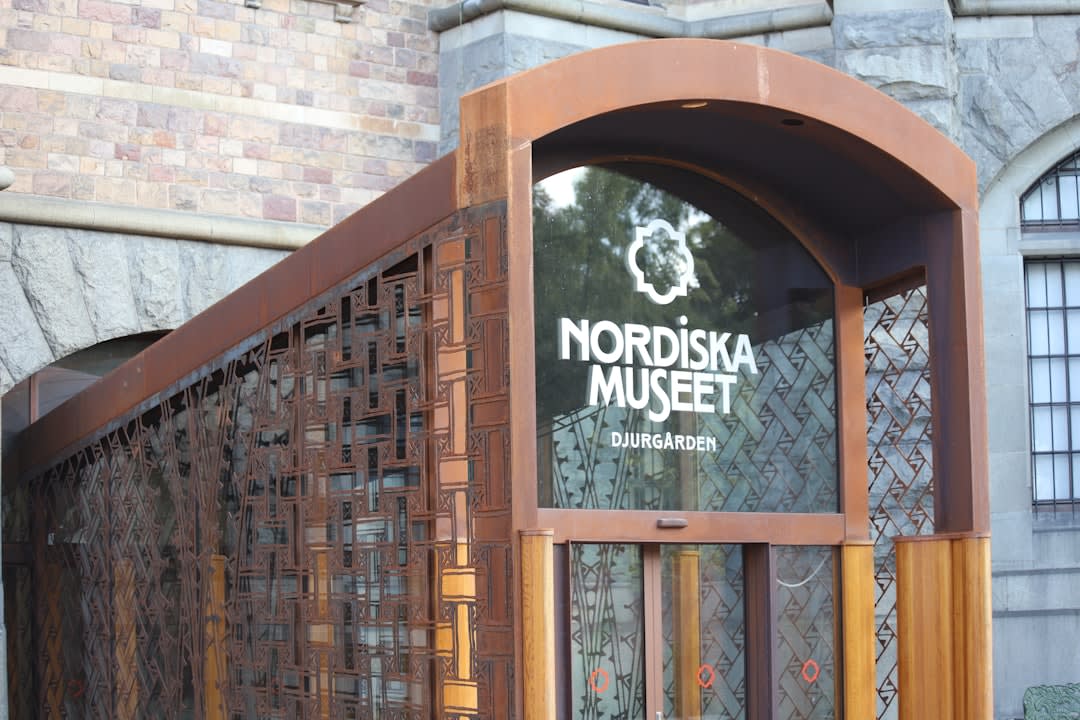
When to go: May through August is the only sane window — the Chaco summer heat between November and March is genuinely dangerous, regularly pushing past 40°C.
Keep exploring
More from paraguay
 paraguay
 Ita
A ceramics town famous for whimsical clay figurines, where entire streets of family workshops fire kilns from before dawn.
Explore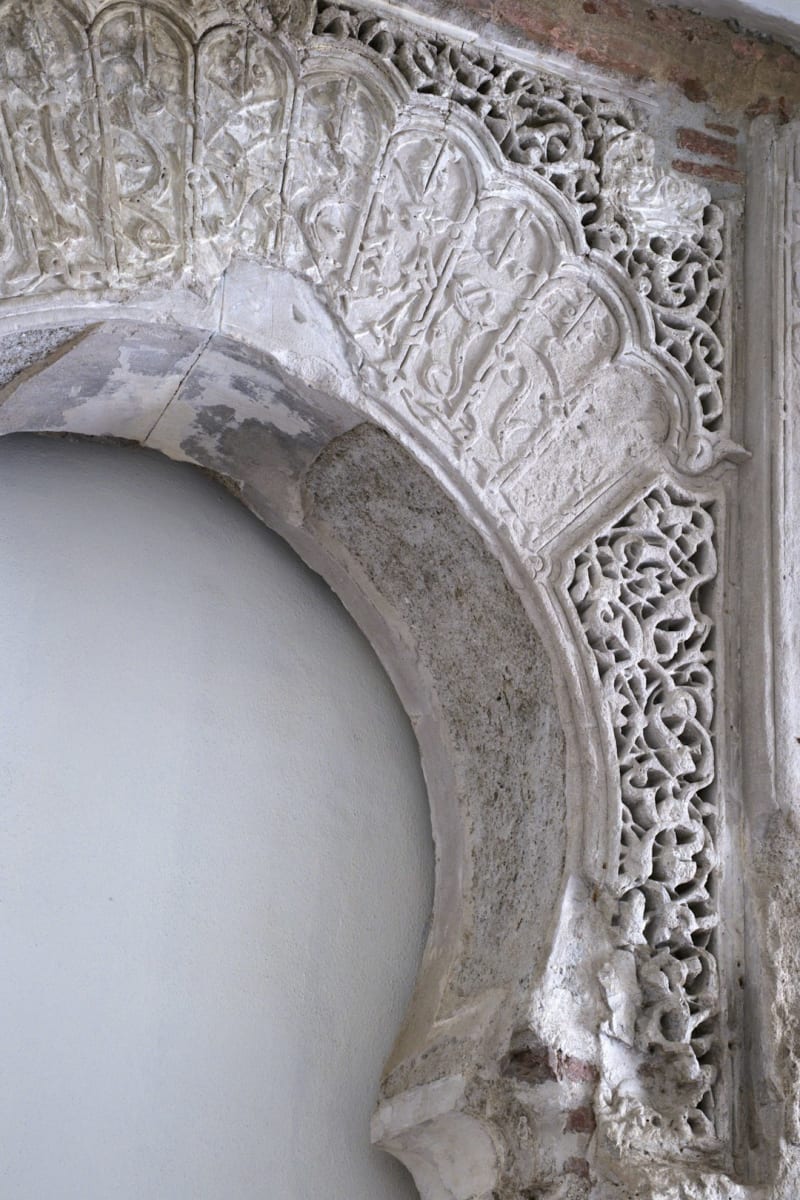 paraguay
 Jesus de Tavarangue
An unfinished Jesuit church whose three Moorish-arched doorways stand open to the sky, halted by expulsion before the roof was ever raised.
Explore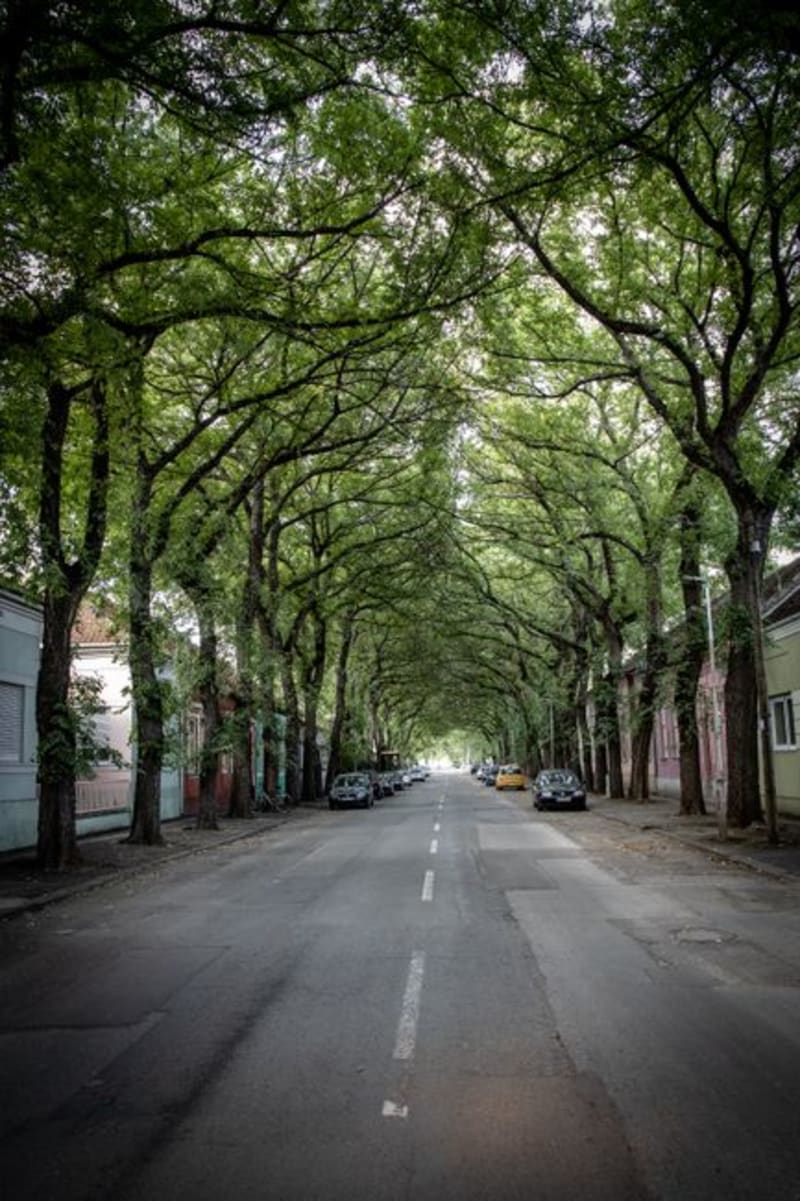 paraguay
 Loma Plata
The oldest Mennonite colony town in the Paraguayan Chaco, orderly and green against the surrounding thornbush, with a museum tracing the hardest years of settlement.
Explore paraguay
 Paraguari
A hill-flanked railway town beneath the Cerro Santo Tomas escarpment, where a rusting steam locomotive and steep forest trails share the same quiet valley.
Explore paraguay
 Pilar
A low-lying river town on stilts and levees where the Paraguay River floods a rhythm of life into the streets nearly every year.
Explore paraguay
 Piribebuy
A hill-country town that served as Paraguay's wartime capital, remembered now for a somber battle museum and waterfalls tumbling through the surrounding countryside.
Explore