Cerro Cora National Park
"Every Paraguayan schoolchild knows this ground before they ever see it."
A remote park of granite hills and cerrado savanna near the Brazilian border, sacred as the site where Paraguay's most catastrophic war ended and its wartime president died.
Cerro Corá sits in the far northeast of Paraguay, close enough to the Brazilian border that the drive there from Concepción felt like the edge of the map, and it holds a weight in Paraguayan national memory that I hadn’t fully understood until I stood inside it. This is where, in March 1870, Mariscal Francisco Solano López — Paraguay’s wartime president and commander — was killed in the final skirmish of the War of the Triple Alliance, a conflict that had already devastated the country’s population beyond almost any war in modern history. A granite monument marks the spot near a small stream, and Paraguayan visitors around me, mostly families on school trips, approached it with a hush I recognized as genuine, not performed.
Beyond the memorial weight, the park itself is a genuinely striking landscape — isolated granite hills, called cerros, rising abruptly out of cerrado savanna grassland unlike anything I’d seen elsewhere in the country, a transitional ecosystem between the Atlantic Forest and the Brazilian cerrado biome. A park ranger named Osvaldo led a small group of us up one of the rock outcrops at dusk, pointing out rupestrian rock formations worn smooth by wind, and from the top the grassland stretched out gold and quiet in every direction, utterly empty of the kind of development that surrounds most historical sites this significant.

We camped that night near the visitor center, and Osvaldo built a small fire and told stories about growing up nearby, about relatives who still remembered grandparents’ grandparents’ accounts of the war’s final desperate years — the strange, layered way oral history compresses generations in a country where this specific catastrophe still shapes national identity. Lia and I walked to the memorial again the next morning before leaving, the granite cool under a sky just beginning to lighten, and found it, in that quieter early light, considerably more affecting than it had been amid the previous day’s small crowd.

When to go: April through September brings cooler, drier conditions for hiking the granite outcrops; the park is remote enough that an early start from Concepción or Pedro Juan Caballero is essential.
Keep exploring
More from paraguay
 paraguay
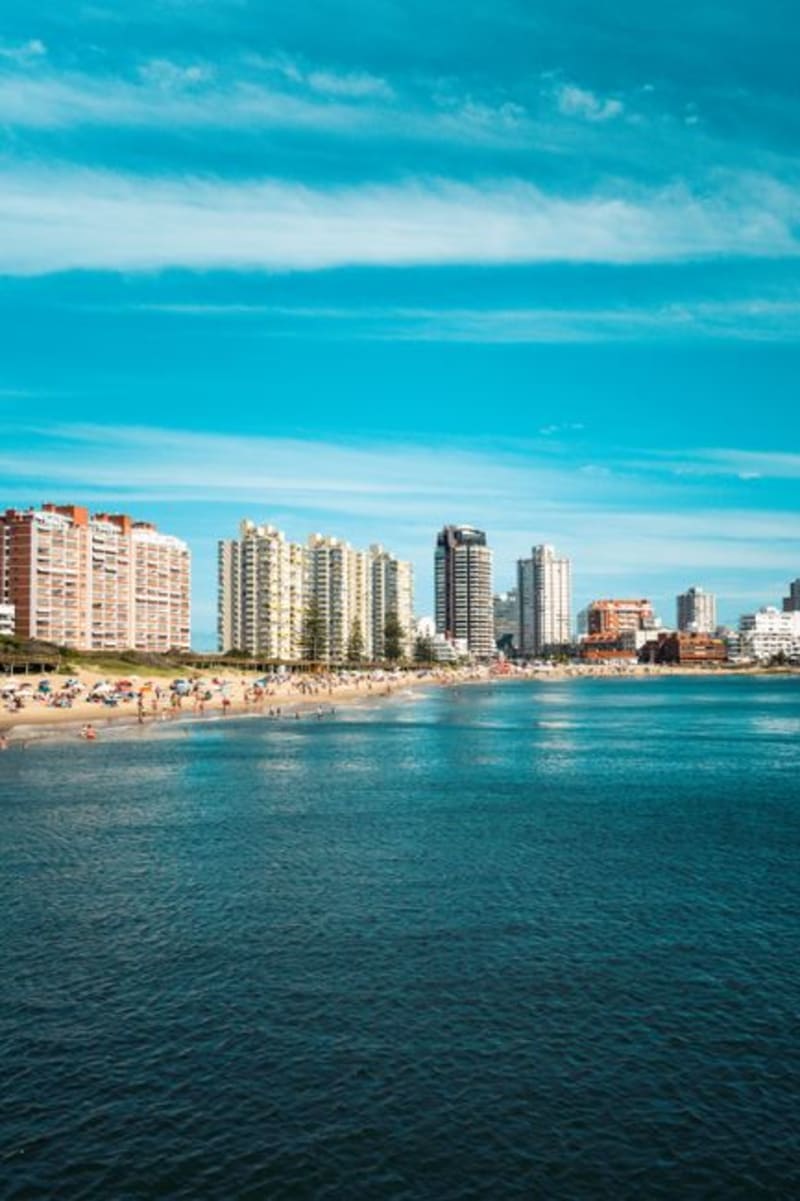
 Ciudad del Este
A frontier city of duty-free malls and river light, standing at the hinge where Paraguay, Brazil, and Argentina almost touch.
Explore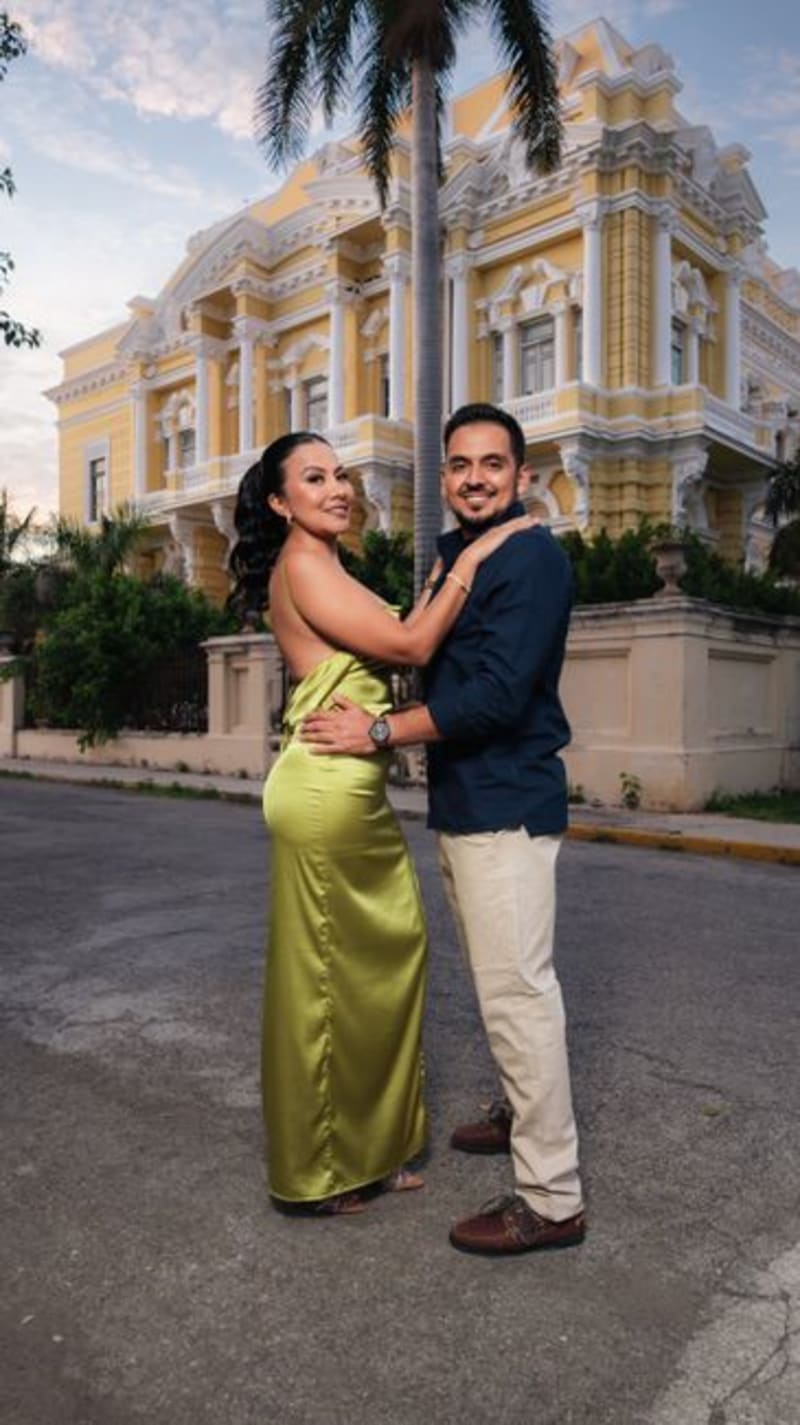 paraguay
 Concepcion
A faded river port on the upper Paraguay, its once-grand mansions and cattle-boat docks holding onto a slower northern frontier world.
Explore paraguay
 Encarnacion
Paraguay's carnival capital on the Parana River, near the UNESCO Jesuit Missions of La Santisima Trinidad.
Explore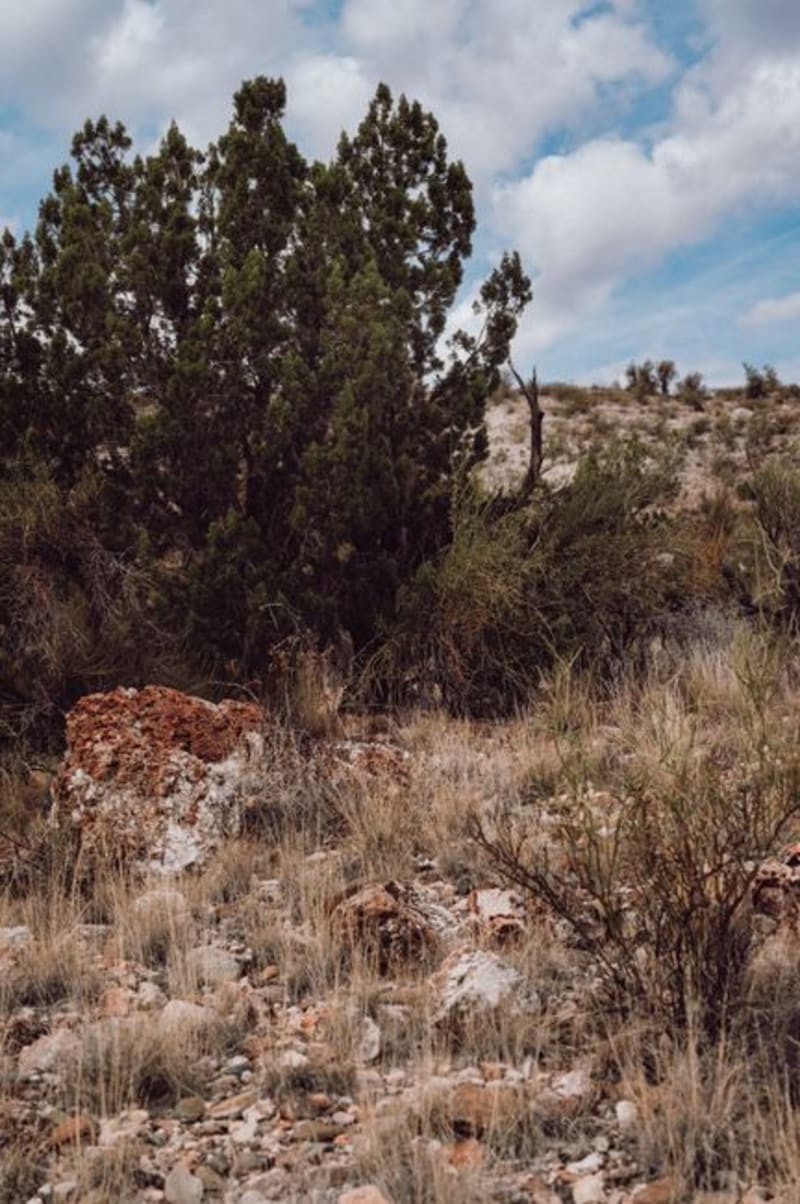 paraguay
 Filadelfia
A Mennonite colony town deep in the Chaco scrubland, where German is still spoken over dairy counters and the desert has been coaxed into surprising productivity.
Explore paraguay
 Ita
A ceramics town famous for whimsical clay figurines, where entire streets of family workshops fire kilns from before dawn.
Explore paraguay
 Jesus de Tavarangue
An unfinished Jesuit church whose three Moorish-arched doorways stand open to the sky, halted by expulsion before the roof was ever raised.
Explore