Wewak
"Wewak sells itself as a stopover for the Sepik. I gave it four days and still left owing it more."
A sun-bleached Sepik coast capital where WWII wreckage rusts quietly under palm trees a short walk from some of the best beaches in the country.
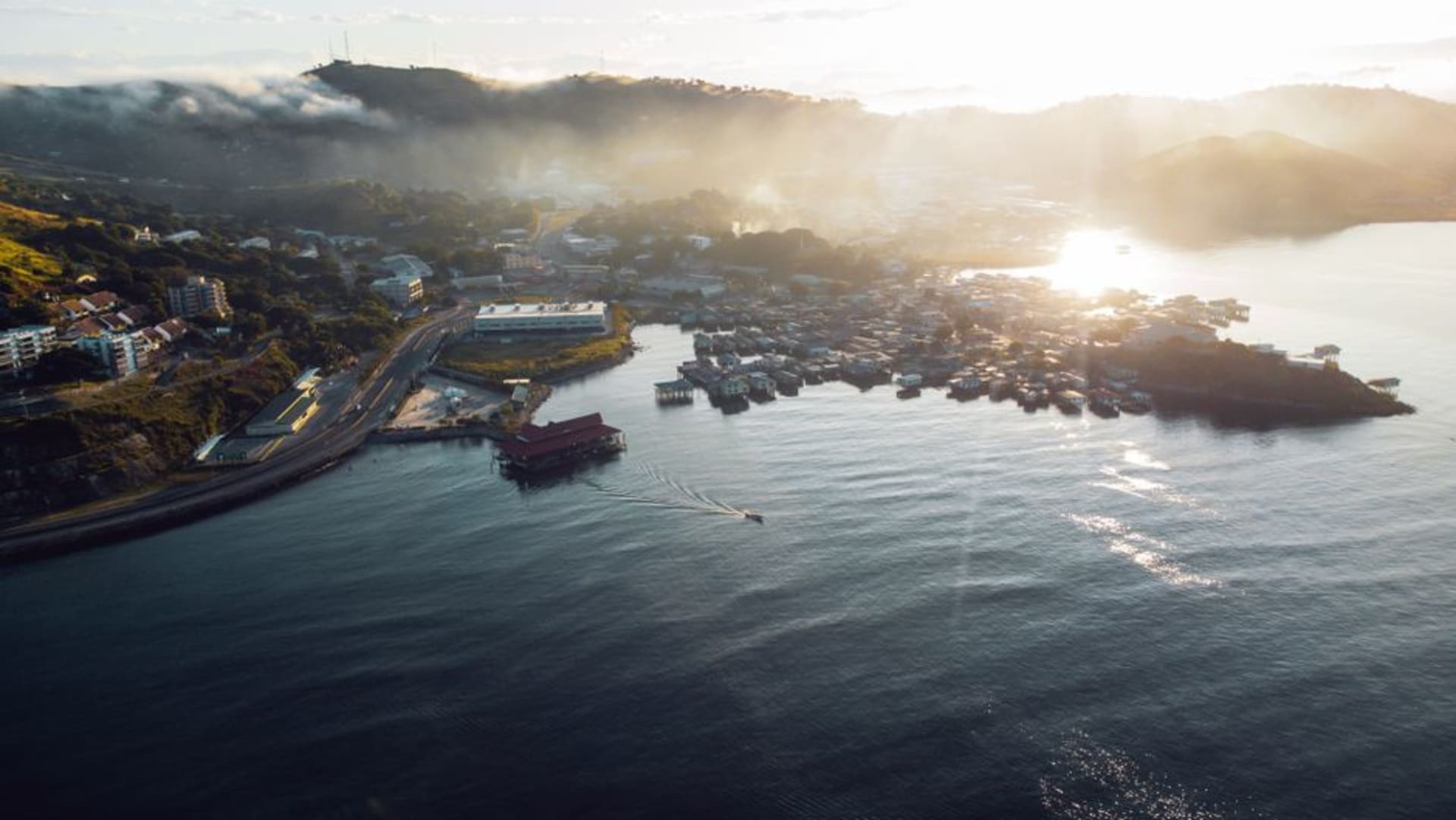
I only booked two nights in Wewak because every guidebook and every fellow traveler I’d met treated it the same way: a refueling stop before the real business of the Sepik River begins. I ended up staying four, and I still think about the extra two more than I think about some places I planned entire weeks around. The town climbs over a series of low headlands jutting into the Bismarck Sea, and from almost any of them you can see Kairiru and Mushu islands sitting offshore, green and volcanic and close enough to swim to if you were a considerably stronger swimmer than I am.
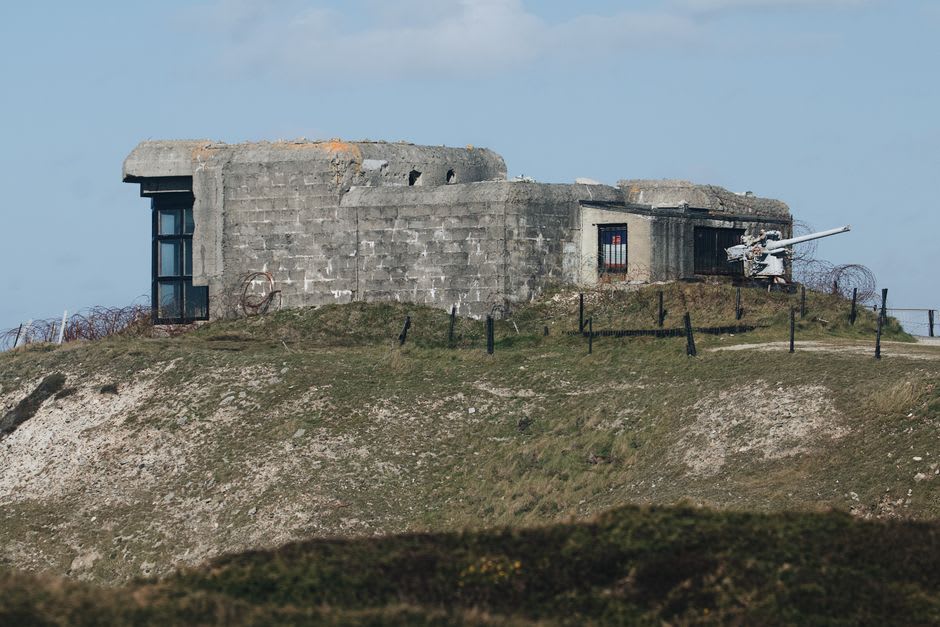
The town itself carries its World War II history close to the surface, sometimes literally. Wewak was a major Japanese base, and the hills above town are still pocked with bunkers and gun emplacements slowly being reclaimed by jungle. I hired a local guide, a soft-spoken man named Simon whose grandfather had worked as a wartime scout, to walk me up to Mission Point, where rusted artillery sits half-buried in grass with a view out over the harbor that must have been strategically perfect and is now simply beautiful. He talked about the war the way people here often do — not with bitterness, but with a kind of careful, factual gravity, as though the story belonged to the land as much as to any nation.
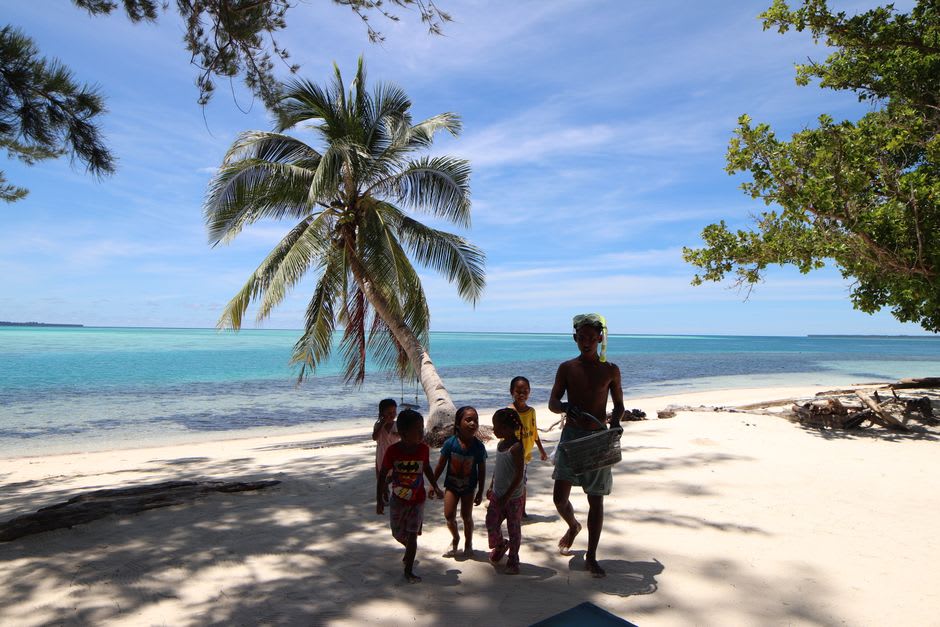
Brandi Beach, just east of town, is the reason I extended my stay. It’s a long stretch of pale sand with almost nobody on it on a weekday morning, backed by casuarina trees that hiss in the wind in a way that sounded, the first time I heard it, almost like rain. I swam most mornings before the heat set in properly, and one afternoon a group of kids from a nearby village showed up with a homemade soccer ball stitched from plastic bags and invited me to play, laughing openly at my footwork, which was fair.
The town market is where Sepik carvers from upriver villages sell their work before it ever reaches a gallery in Port Moresby or overseas — masks, story boards, hook figures — and prices here are honest in a way that felt refreshing after other markets I’ve haggled through elsewhere in the Pacific. I bought a small crocodile carving I probably overpaid for and do not regret it even slightly.
When to go: May through October brings the driest, calmest weather on the Sepik coast, ideal for both beach days and boat trips upriver. Wewak is PNG’s main gateway to the Sepik region, so book onward river transport a few days ahead rather than assuming it will simply appear.