Pacific
Papua New Guinea
"The place that made me realize how recently the world was still unmapped."
I landed in Port Moresby on a Tuesday morning and the city immediately told me nothing about what was coming. POM is a transit point, not a destination — chaotic, a little rough around the edges, not particularly welcoming to the traveler who arrives without a plan. I had a connection to Mount Hagen in two hours. The real Papua New Guinea starts in the Highlands.
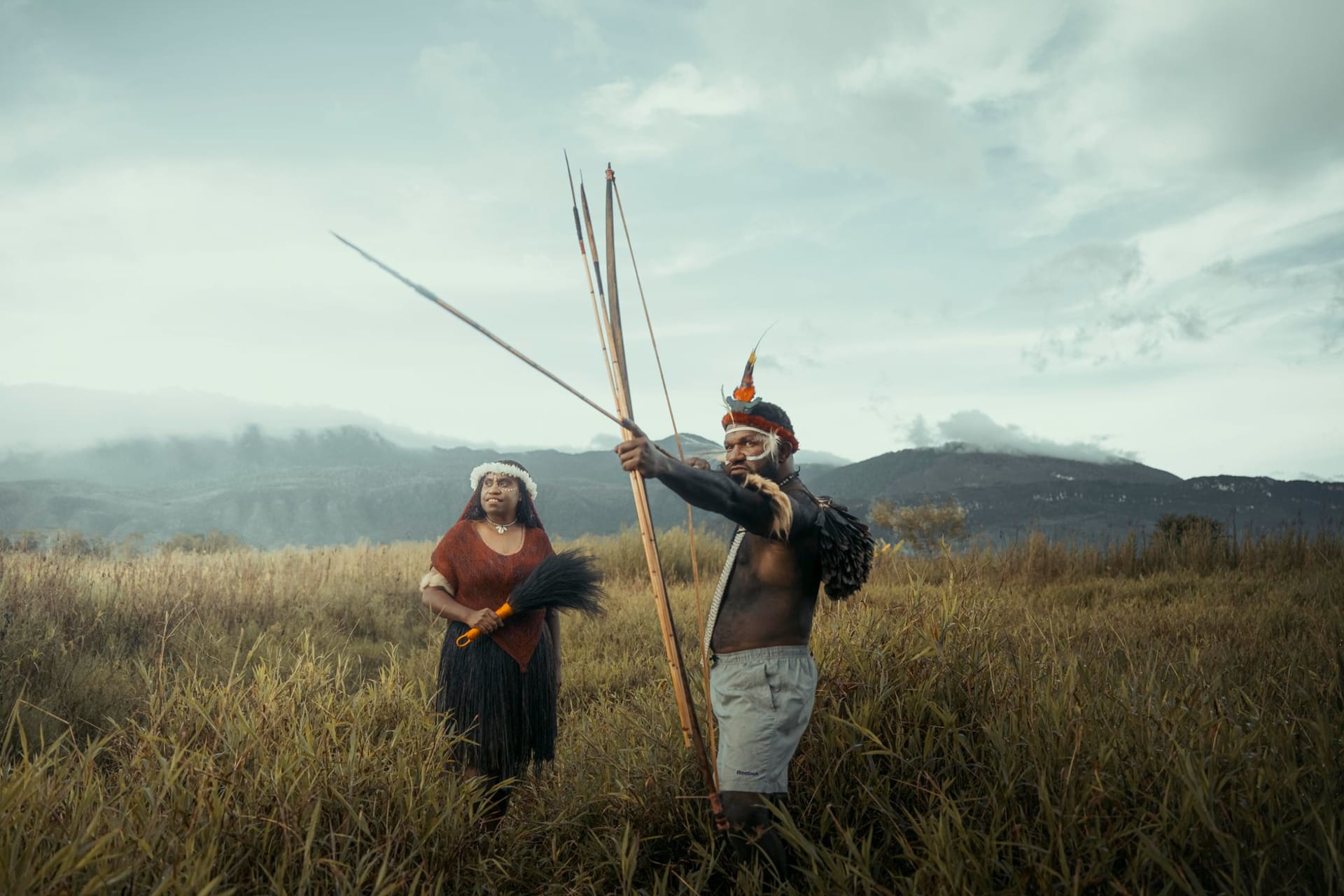
What you find in the Highlands is something that doesn’t exist in many places anymore: a culture that has had less than a century of contact with the rest of the world, and that carries that relative isolation with complete dignity. At the Goroka Show — a sing-sing gathering held each September where tribes from across the Eastern Highlands come together in ceremonial dress — I stood in the mud of a football field watching men and women in face paint, bird-of-paradise feathers, and kina shells perform dances that were never interrupted by tourism, never softened for Western comfort. Nobody was performing for me. I happened to be there. The distinction matters enormously.
The food in the Highlands is elemental: sweet potato cooked in an earth oven, banana leaf parcels of pork steamed with greens, taro mashed with coconut milk when you’re lucky enough to be invited to eat with a family. There is no restaurant culture here the way there is in Southeast Asia. You eat what people eat, or you eat badly. I ate very well because I asked, and because the guesthouses run by local families in Kainantu and Minj operate on a logic of hospitality that predates the tourism industry by several generations. In the Sepik River basin to the north, the crocodile plays a spiritual role so central to Iatmul culture that young men undergo scarification to honor it — the raised scars on their skin representing the scales of the animal that created the world, according to their cosmology. I did not photograph this. Some things you just witness.
When to go: May to October is the dry season across most of PNG, with July and August being the most reliable months for highland trekking and sing-sing festivals. The Goroka Show falls in September and is worth planning around specifically. Avoid December to March in the highlands — mud roads become impassable and small aircraft operations are regularly disrupted.
What most guides get wrong: Papua New Guinea gets described as dangerous and difficult, which creates a self-fulfilling prophecy where only extreme adventurers bother going, which reinforces the idea that it’s inaccessible. It is not easy travel — logistics require patience, infrastructure is thin, and you need to plan with local operators who know their regions. But the country is not a war zone and it is not impenetrable. It is simply a place that hasn’t been pre-digested for you, where arriving with curiosity and humility opens doors that no guidebook can open for you. The travelers who find it transformative are the ones who stopped comparing it to everywhere else they have been.