Wau
"Wau was once PNG's gold rush capital. Now the valley's biggest treasure flies."
A faded highland goldfields town where colonial-era mining relics rust in valleys famous among naturalists for the world's biggest butterflies.
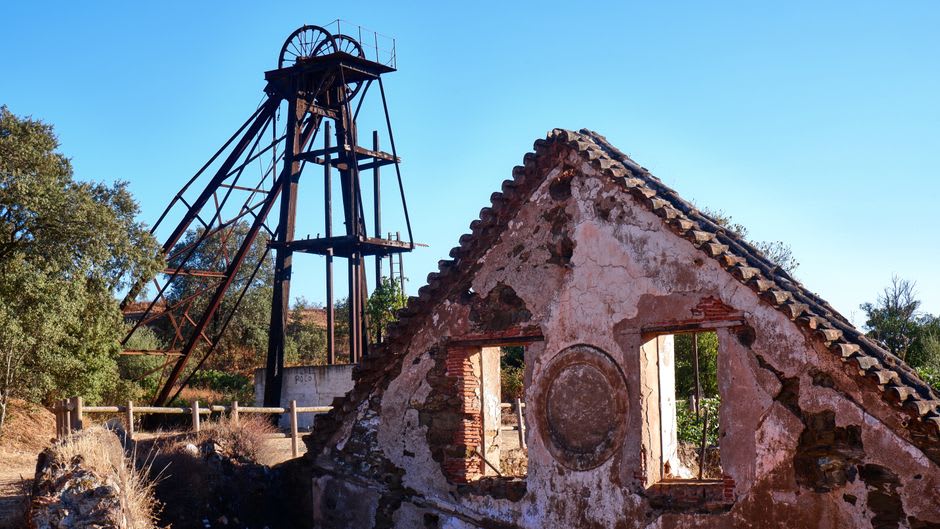
Wau doesn’t get visitors so much as it gets the occasional lost one, and I fell into that category almost by accident, adding a detour from Lae on the recommendation of a botanist I’d met at Lae’s orchid gardens who talked about the Wau valley with the specific intensity of someone who has found their exact niche in the world. The road up climbs steadily through increasingly cool air, and the town that appears is a strange, layered thing — a former gold rush boomtown from the 1920s and 30s, now reduced to a fraction of its former size, with rusting mining equipment and colonial-era buildings sitting quietly among gardens and forest that has crept back in over the decades.
The gold rush history here was significant enough that Wau once had its own airstrip serving regular flights carrying miners and equipment, and the ghost of that boom era is still visible in the shape of the town — wider streets than its current population needs, foundations of buildings that never got rebuilt after they fell into disrepair. I walked past an old stamping mill, rusted almost past recognition, with vines working their way through gaps in the metal in a way that felt less like decay and more like negotiation.
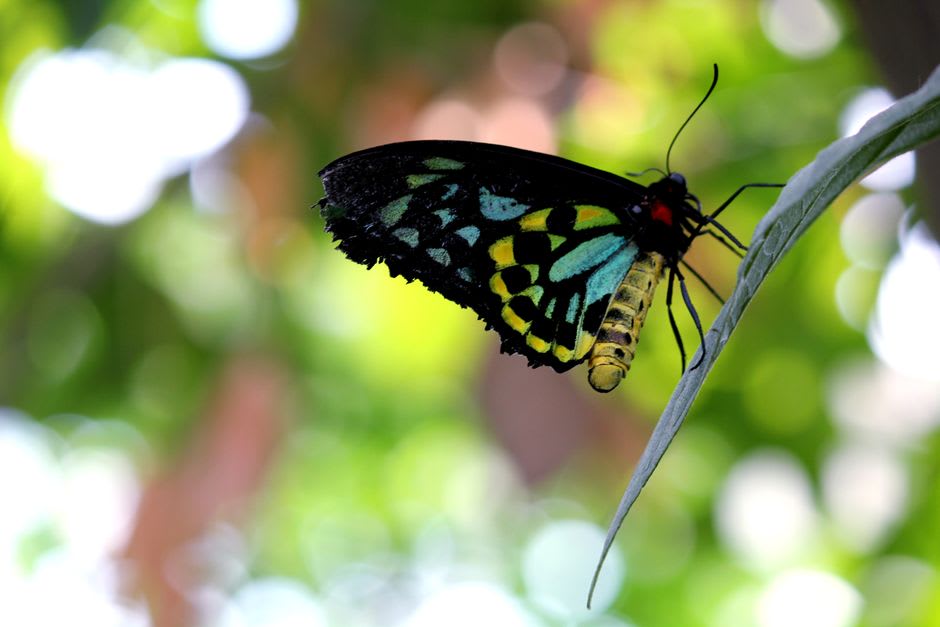
The real draw for the small number of naturalists who make the trip is the Wau Ecology Institute and the surrounding forest, home to the Queen Alexandra’s birdwing, the largest butterfly species on Earth, with a wingspan that made my first sighting feel almost unreal — a female gliding between trees at head height, wings the size of my outstretched hand. I spent a full morning with a local guide who could identify birdsong from an improbable distance and clearly loved every square meter of this valley with an intensity I found contagious.
Dinner that night, at a small guesthouse run by a family whose grandfather had worked the goldfields, was a simple stew of chicken and greens eaten while the owner told stories about gold nuggets his grandfather swore he’d seen the size of a thumbnail, stories that felt half legend and half plausible in equal measure.
When to go: May through October brings drier trails and better butterfly-spotting conditions. Wau is a rough half-day drive or a short flight from Lae; road conditions vary seasonally, so check locally before setting out.
Keep exploring
More from Papua New Guinea
 papua-new-guinea
 Wewak
A sun-bleached Sepik coast capital where WWII wreckage rusts quietly under palm trees a short walk from some of the best beaches in the country.
Explore papua-new-guinea
 Alotau
A quiet harbor town at the foot of Milne Bay's rainforested hills, where a decisive WWII battle is remembered mostly in coconut groves and canoe festivals.
Explore papua-new-guinea
 Goroka
A highland town where, every September, fifty tribes arrive in feathers and face paint to remind the world they still exist.
Explore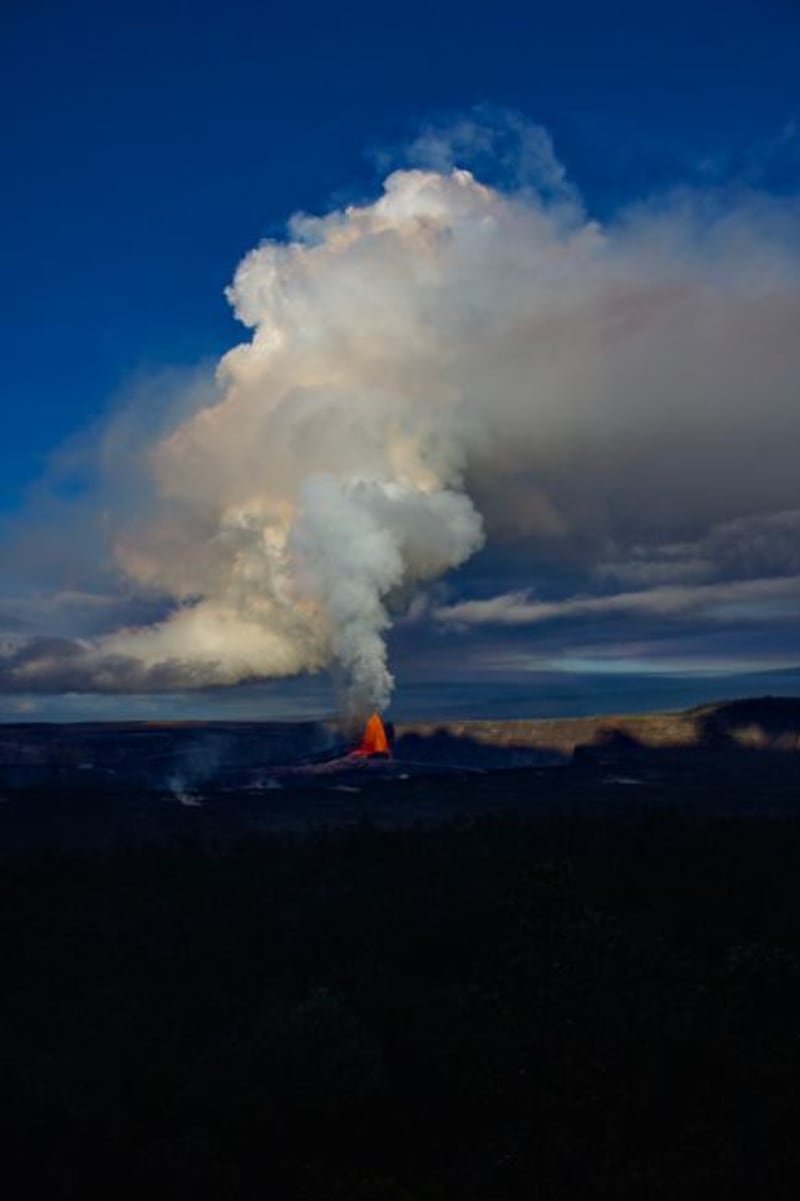 papua-new-guinea
 Karkar Island
A near-perfect volcanic cone rising out of the Bismarck Sea, its fertile slopes farmed in cocoa and copra by villages that rarely see an outsider.
Explore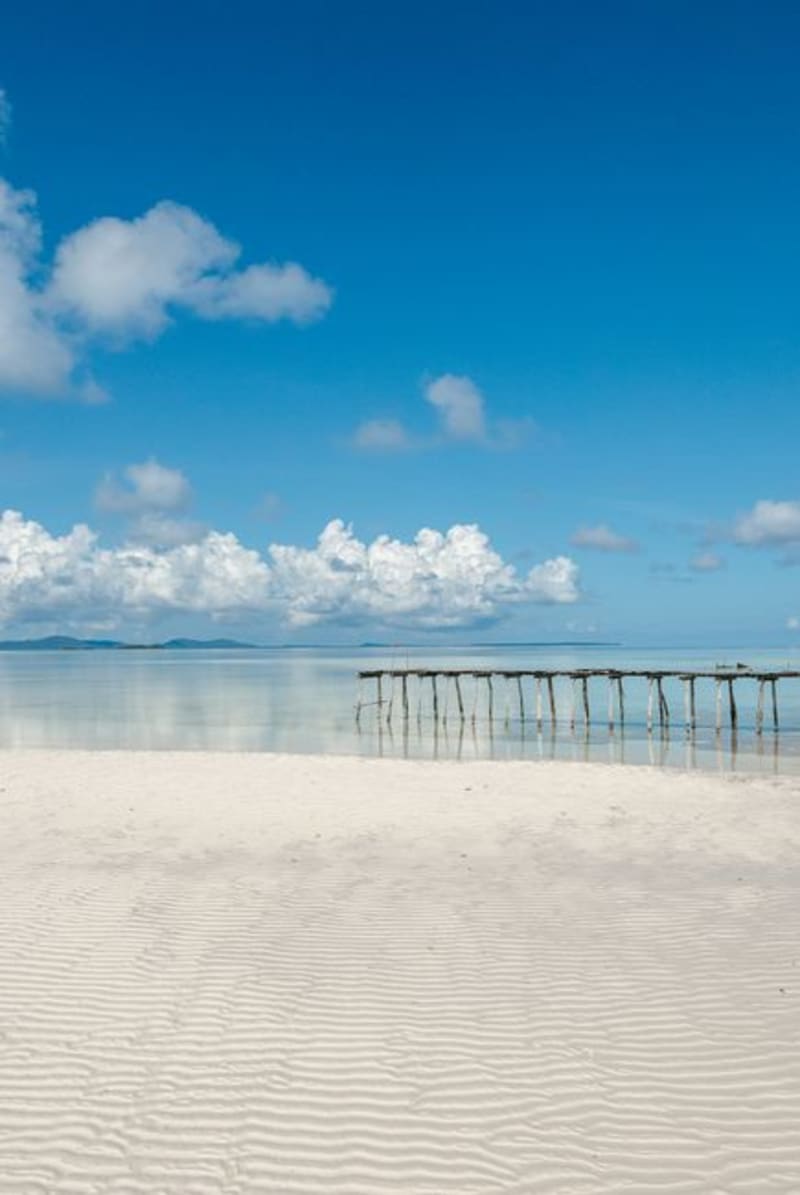 papua-new-guinea
 Kavieng
A laid-back New Ireland fishing town where world-class waves break over reef passages and nobody seems to be in any hurry to tell you about it.
Explore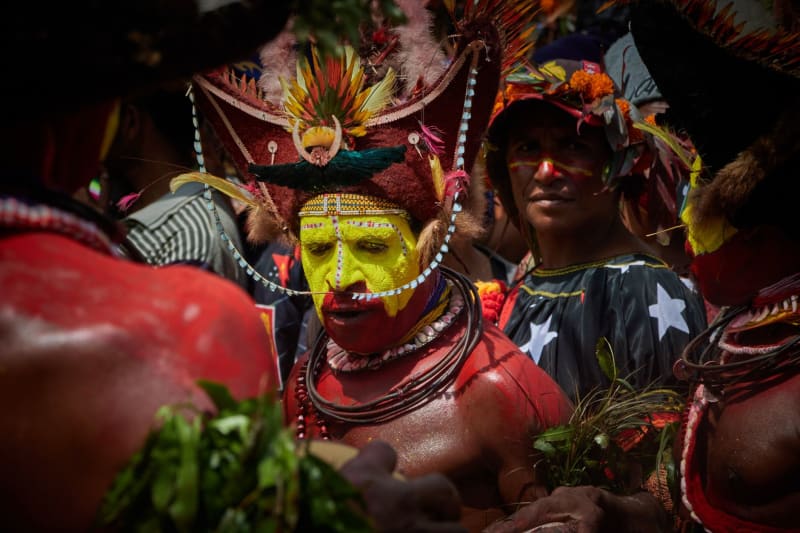 papua-new-guinea
 Kimbe Bay
A volcanic bay in West New Britain that marine biologists consider one of the most biodiverse coral reef systems on the planet.
Explore