Pacific
Papua New Guinea
"The place that made me realize how recently the world was still unmapped."
A country where over eight hundred languages are still spoken, highland valleys were unknown to the outside world until the 1930s, and the line between ceremony and daily life has never been drawn.

I landed in Port Moresby on a Tuesday morning and the city immediately told me nothing about what was coming. POM is a transit point, not a destination — chaotic, a little rough around the edges, not particularly welcoming to the traveler who arrives without a plan. I had a connection to Mount Hagen in two hours. The real Papua New Guinea starts in the Highlands.
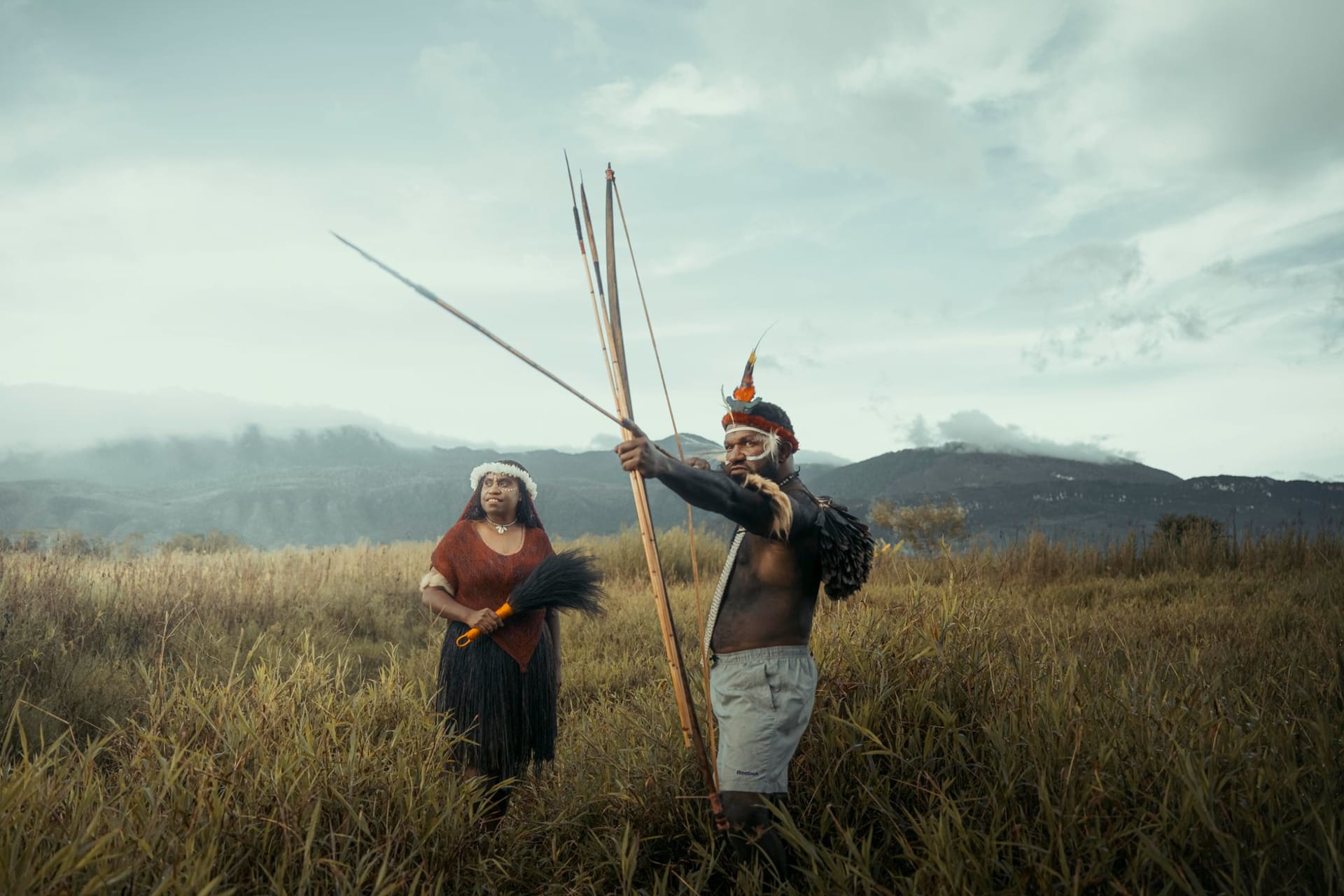
What you find in the Highlands is something that doesn’t exist in many places anymore: a culture that has had less than a century of contact with the rest of the world, and that carries that relative isolation with complete dignity. At the Goroka Show — a sing-sing gathering held each September where tribes from across the Eastern Highlands come together in ceremonial dress — I stood in the mud of a football field watching men and women in face paint, bird-of-paradise feathers, and kina shells perform dances that were never interrupted by tourism, never softened for Western comfort. Nobody was performing for me. I happened to be there. The distinction matters enormously.
The food in the Highlands is elemental: sweet potato cooked in an earth oven, banana leaf parcels of pork steamed with greens, taro mashed with coconut milk when you’re lucky enough to be invited to eat with a family. There is no restaurant culture here the way there is in Southeast Asia. You eat what people eat, or you eat badly. I ate very well because I asked, and because the guesthouses run by local families in Kainantu and Minj operate on a logic of hospitality that predates the tourism industry by several generations. In the Sepik River basin to the north, the crocodile plays a spiritual role so central to Iatmul culture that young men undergo scarification to honor it — the raised scars on their skin representing the scales of the animal that created the world, according to their cosmology. I did not photograph this. Some things you just witness.
When to go: May to October is the dry season across most of PNG, with July and August being the most reliable months for highland trekking and sing-sing festivals. The Goroka Show falls in September and is worth planning around specifically. Avoid December to March in the highlands — mud roads become impassable and small aircraft operations are regularly disrupted.
What most guides get wrong: Papua New Guinea gets described as dangerous and difficult, which creates a self-fulfilling prophecy where only extreme adventurers bother going, which reinforces the idea that it’s inaccessible. It is not easy travel — logistics require patience, infrastructure is thin, and you need to plan with local operators who know their regions. But the country is not a war zone and it is not impenetrable. It is simply a place that hasn’t been pre-digested for you, where arriving with curiosity and humility opens doors that no guidebook can open for you. The travelers who find it transformative are the ones who stopped comparing it to everywhere else they have been.
Explore
Places in Papua New Guinea
 papua-new-guinea
 Alotau
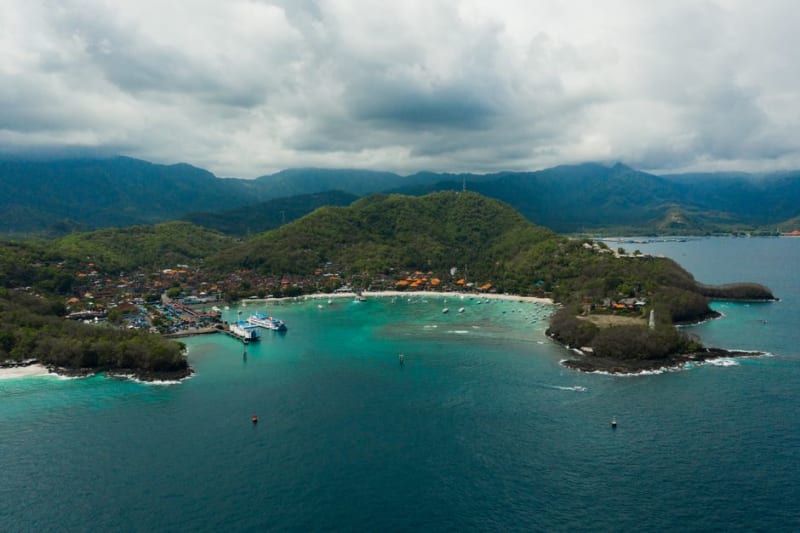
A quiet harbor town at the foot of Milne Bay's rainforested hills, where a decisive WWII battle is remembered mostly in coconut groves and canoe festivals.
Explore papua-new-guinea
 Goroka
A highland town where, every September, fifty tribes arrive in feathers and face paint to remind the world they still exist.
Explore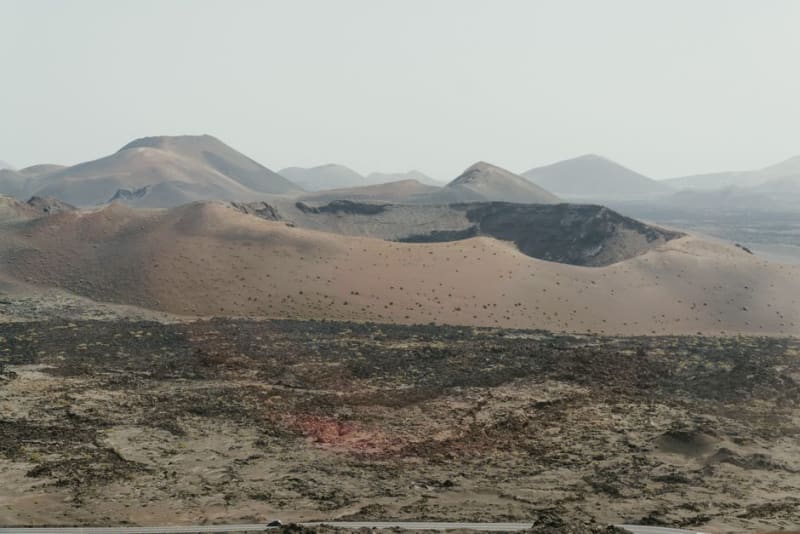 papua-new-guinea
 Karkar Island
A near-perfect volcanic cone rising out of the Bismarck Sea, its fertile slopes farmed in cocoa and copra by villages that rarely see an outsider.
Explore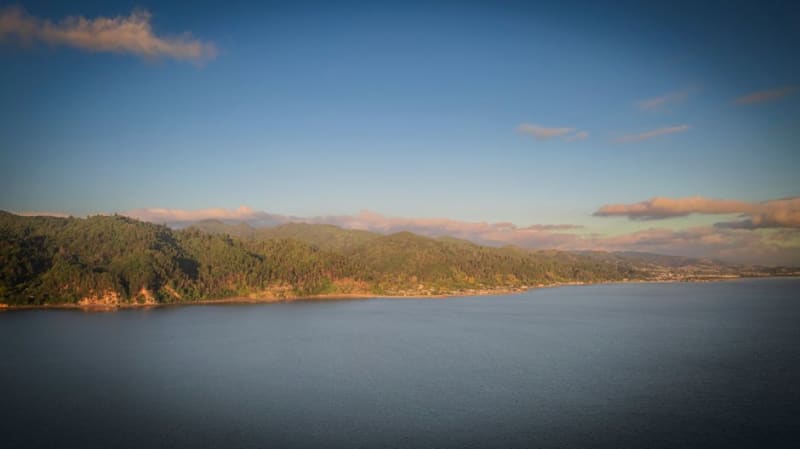 papua-new-guinea
 Kavieng
A laid-back New Ireland fishing town where world-class waves break over reef passages and nobody seems to be in any hurry to tell you about it.
Explore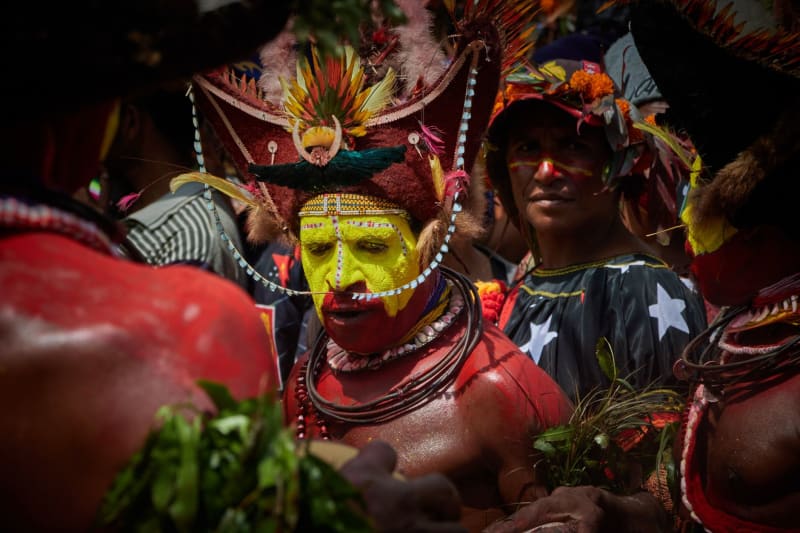 papua-new-guinea
 Kimbe Bay
A volcanic bay in West New Britain that marine biologists consider one of the most biodiverse coral reef systems on the planet.
Explore papua-new-guinea
 Kokoda Track
A 96-kilometre jungle trail over the Owen Stanley Range where the WWII dead and the tropical undergrowth share every metre of ground.
Explore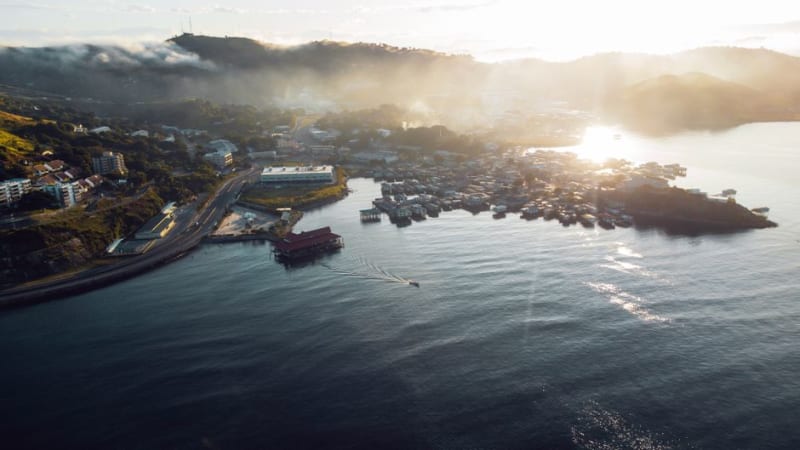 papua-new-guinea
 Lae
PNG's busiest port city, where a wartime airstrip and a botanical garden full of rare orchids sit a few blocks apart from each other.
Explore papua-new-guinea
 Madang
A lagoon-fringed coastal town so often called the prettiest in the Pacific that I arrived skeptical and left agreeing completely.
Explore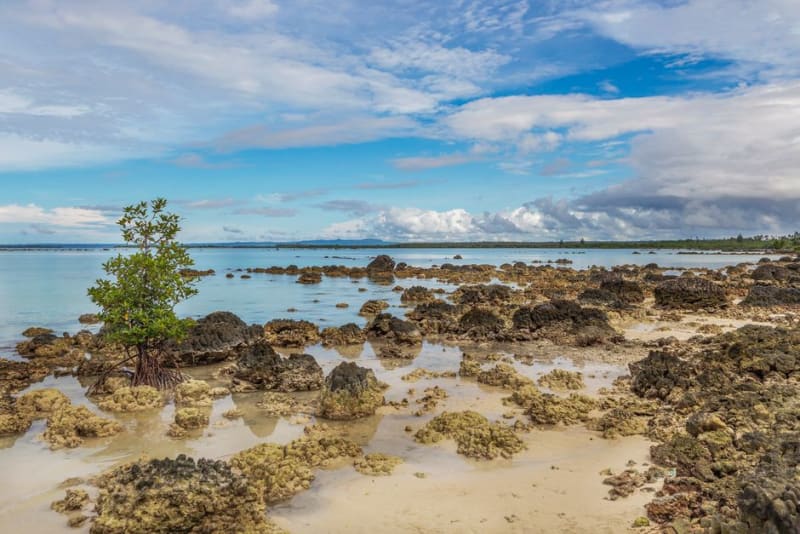 papua-new-guinea
 Manus Island
A remote Admiralty Islands outpost with a heavy modern history, ringed by lagoons and reefs that most of the world never hears about.
Explore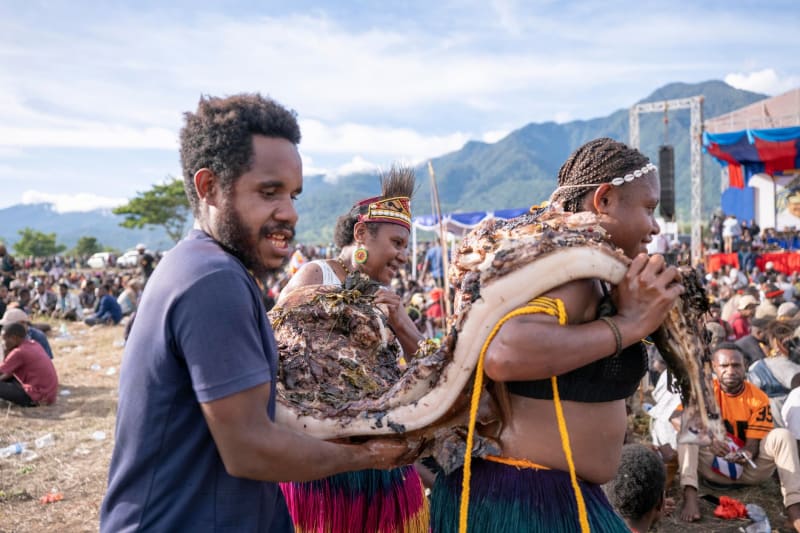 papua-new-guinea
 Mount Hagen
The commercial hub of the Western Highlands, where a Saturday market draws clans from five surrounding valleys and the air smells of earth and raw coffee.
Explore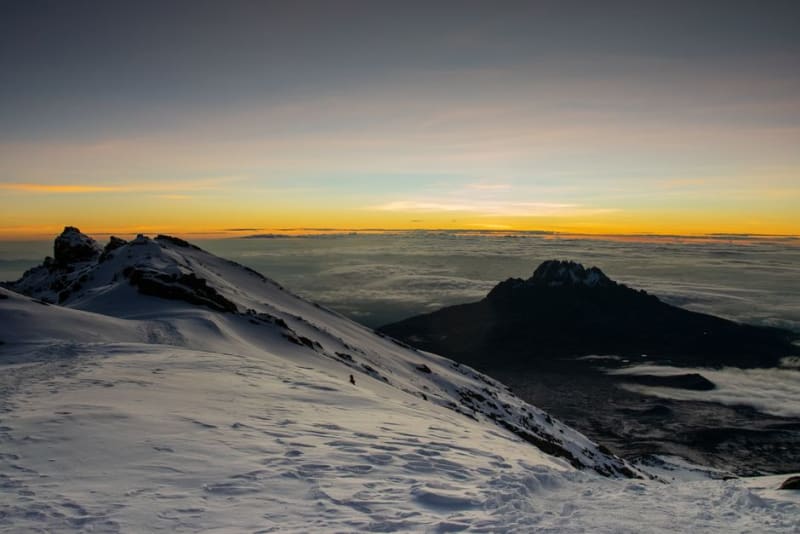 papua-new-guinea
 Mount Wilhelm
PNG's highest peak, a brutal overnight climb through cloud forest and alpine grassland that rewards you with a sunrise view of two oceans at once.
Explore papua-new-guinea
 Port Moresby
A capital that doesn't seduce you so much as challenge you to look past the chaos and find the city that actually exists beneath it.
Explore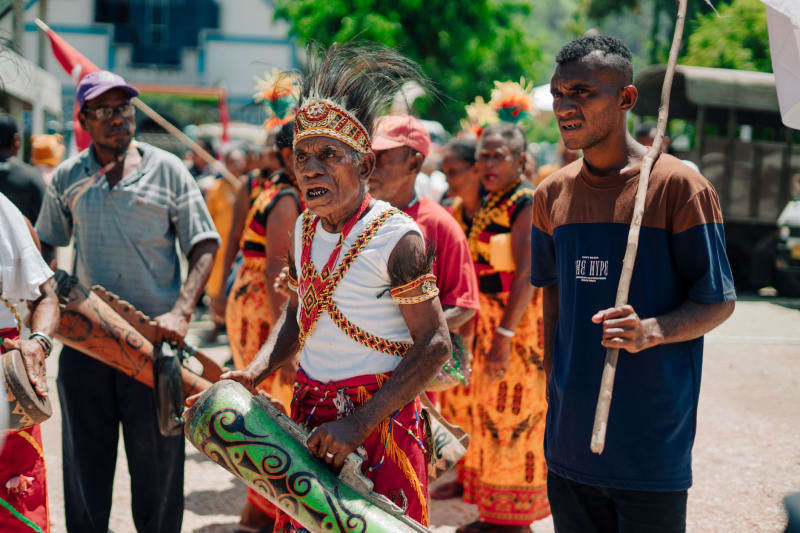 papua-new-guinea
 Rabaul
A town that a volcano half-buried in 1994 and that continues to exist anyway, surrounded by a caldera so vast you drive inside it without realising.
Explore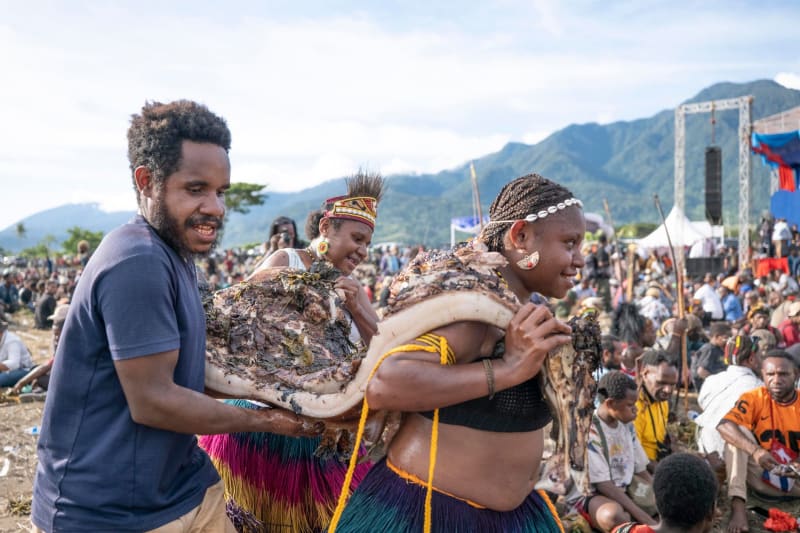 papua-new-guinea
 Sepik River
A vast brown waterway where the crocodile is not just an animal but the founding creature of the universe, according to the people who have lived here since before writing existed.
Explore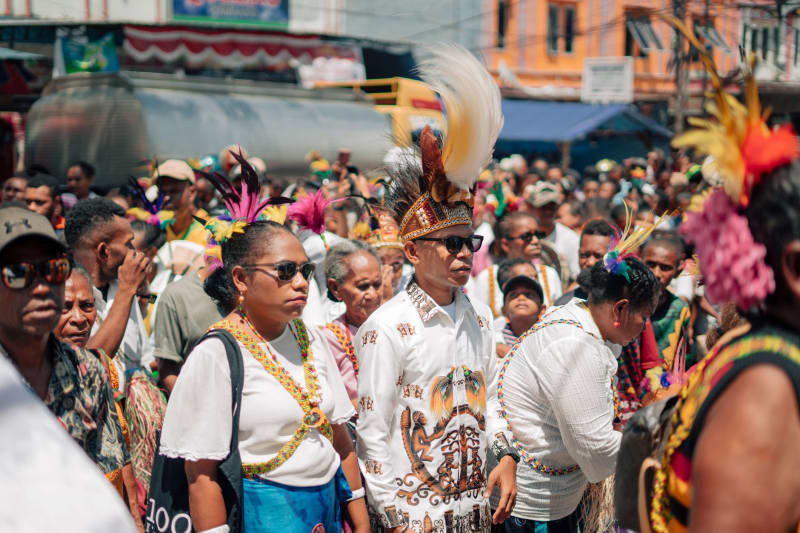 papua-new-guinea
 Tari Basin
The Southern Highlands home of the Huli Wigmen, who grow their hair into ceremonial wigs over eighteen months and then paint them yellow with everlasting daisies.
Explore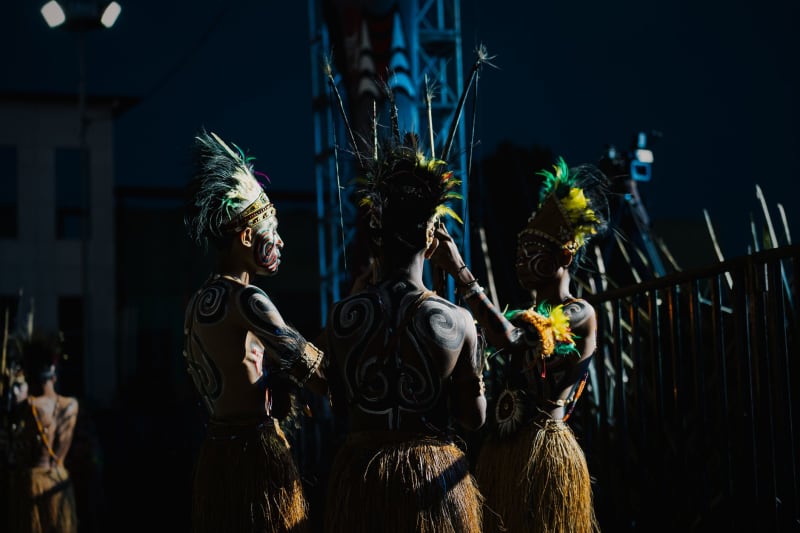 papua-new-guinea
 Trobriand Islands
The archipelago that gave anthropology some of its foundational texts, and that has been playing a uniquely Trobriand version of cricket since 1903.
Explore