Mount Wilhelm
"On a clear morning from the summit of Mount Wilhelm, they say you can see both the Pacific and the Bismarck Sea. I saw one and a wall of cloud, and it was still the hardest thing I've done for a view."
PNG's highest peak, a brutal overnight climb through cloud forest and alpine grassland that rewards you with a sunrise view of two oceans at once.
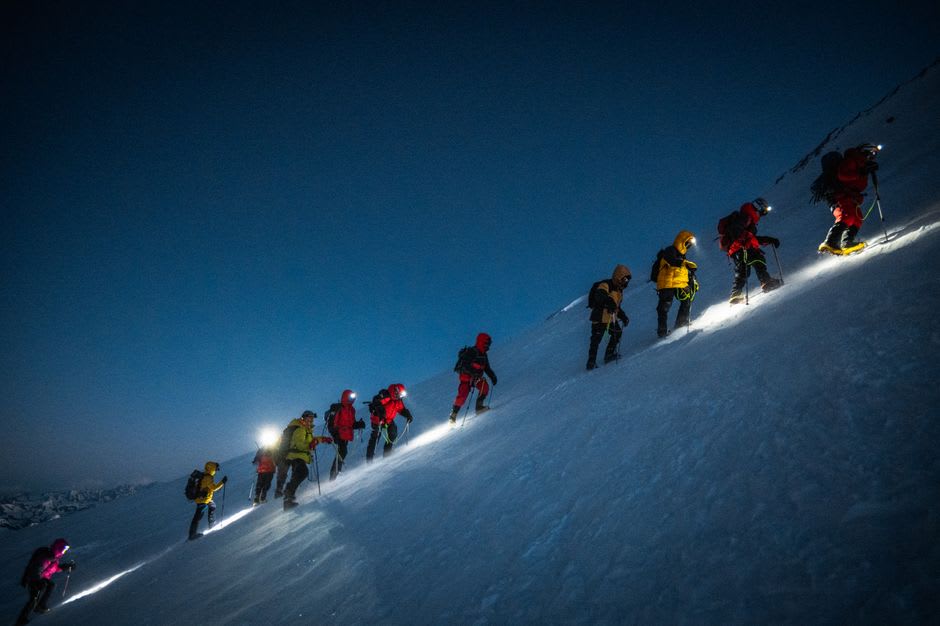
Nobody warned me properly about the cold. I’d spent weeks in PNG sweating through humid lowlands and coastal towns, and it hadn’t occurred to me to pack anything warmer than a light fleece before I signed up to climb Mount Wilhelm, the country’s highest peak at 4,509 meters, in Simbu Province. By two in the morning, standing on a scree slope somewhere above 4,000 meters with my headlamp battery dying and my breath turning visibly to fog, I understood the oversight fully.
The climb starts at Keglsugl, a highlands village reached by a rough drive up from Kundiawa, and runs through a sequence of ecosystems that shift so fast it feels almost unfair: dense cloud forest hung with moss and orchids gives way within a few hours to alpine grassland, then to bare rock and scree as the trees simply give up trying. Most climbers do it as an overnight push, sleeping a few hours at a basic hut partway up before starting the final ascent well before dawn so as to summit for sunrise, when the cloud that fills the valleys during the day hasn’t yet risen to swallow the view.
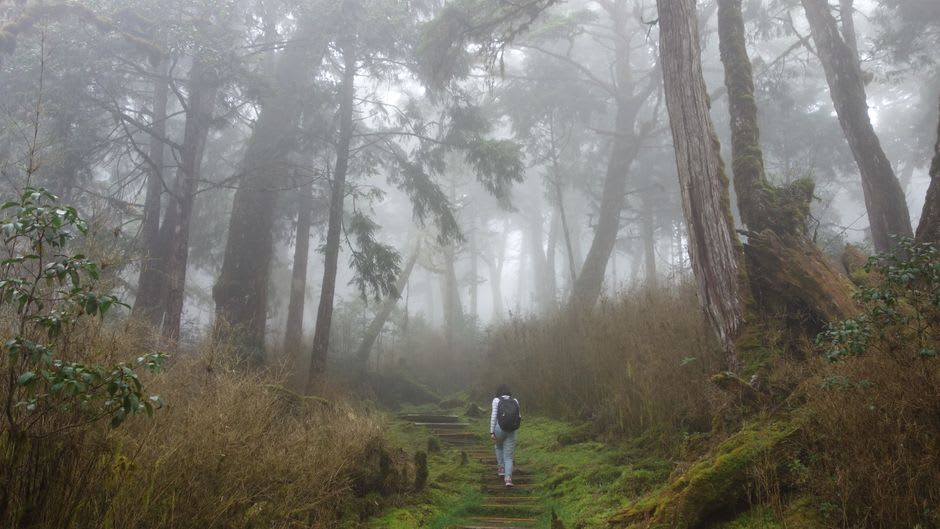
My guide, a wiry Simbu man who’d summited more times than he could count and clearly found my labored breathing quietly amusing, kept a pace I struggled to match even before altitude made every step feel argued rather than taken. We reached the summit ridge just as the sky started to lighten, and the promised view of two seas at once didn’t fully materialize — a wall of cloud sat over what should have been the Bismarck Sea side — but the Highlands stretched out on the other side in a fractured, ridge-upon-ridge pattern that looked, in that light, less like a country than like something still being made.
The descent, done in a single long push back to Keglsugl, took a toll on my knees I felt for a week afterward, and I have never been more grateful for a bowl of hot kaukau and greens than the one waiting for me at the guesthouse when I finally staggered back down.
When to go: June through September offers the clearest skies and the best odds of an unobstructed summit sunrise. Nights above 3,500 meters drop close to freezing regardless of season, so pack genuinely warm layers no matter what the coast has convinced you about PNG’s climate.
Keep exploring
More from Papua New Guinea
 papua-new-guinea
 Port Moresby
A capital that doesn't seduce you so much as challenge you to look past the chaos and find the city that actually exists beneath it.
Explore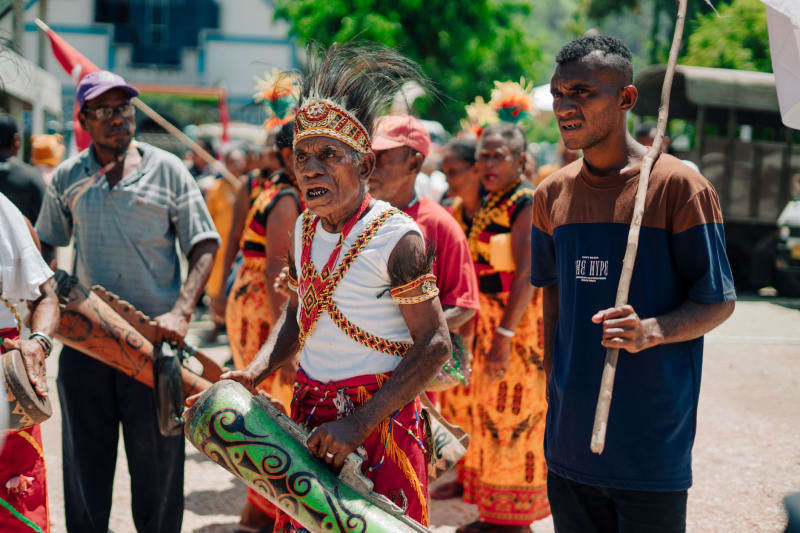 papua-new-guinea
 Rabaul
A town that a volcano half-buried in 1994 and that continues to exist anyway, surrounded by a caldera so vast you drive inside it without realising.
Explore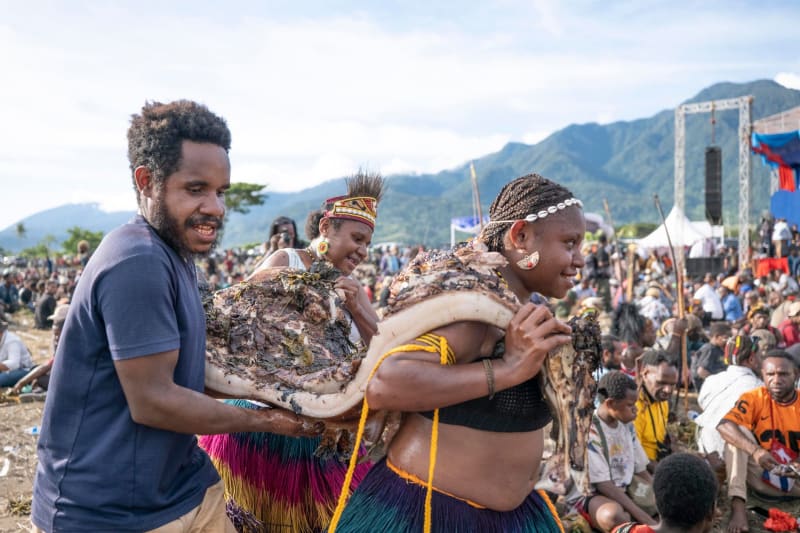 papua-new-guinea
 Sepik River
A vast brown waterway where the crocodile is not just an animal but the founding creature of the universe, according to the people who have lived here since before writing existed.
Explore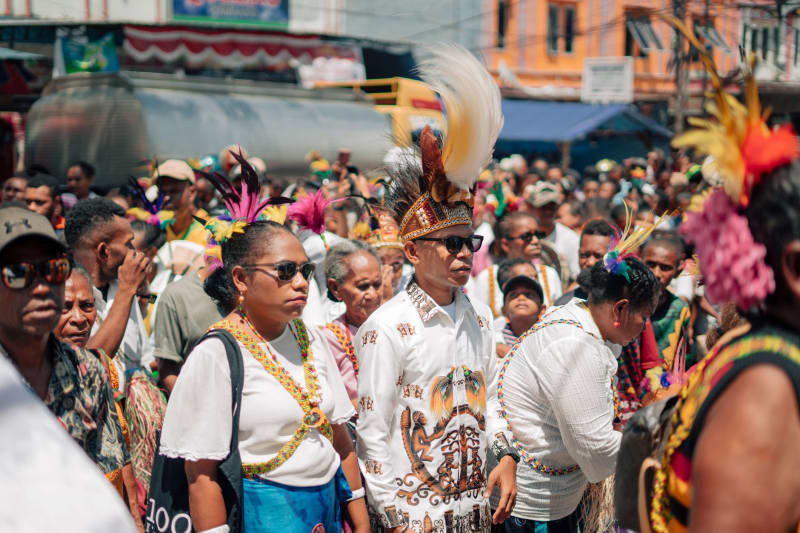 papua-new-guinea
 Tari Basin
The Southern Highlands home of the Huli Wigmen, who grow their hair into ceremonial wigs over eighteen months and then paint them yellow with everlasting daisies.
Explore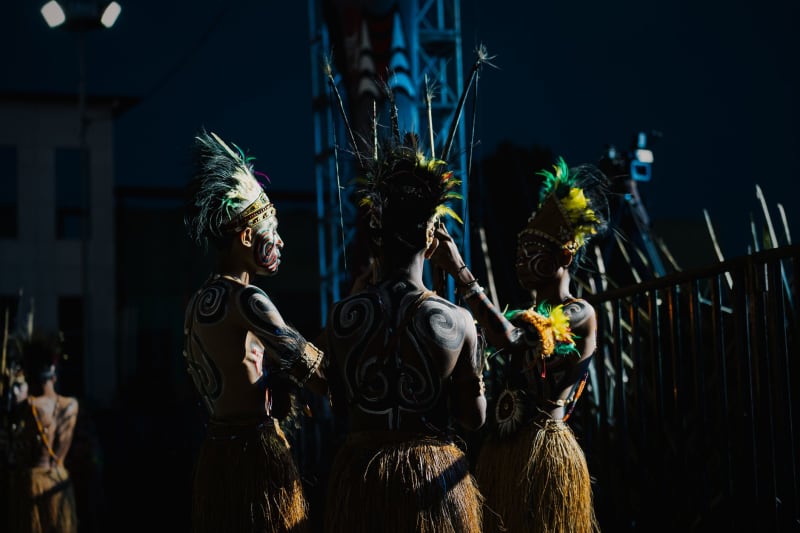 papua-new-guinea
 Trobriand Islands
The archipelago that gave anthropology some of its foundational texts, and that has been playing a uniquely Trobriand version of cricket since 1903.
Explore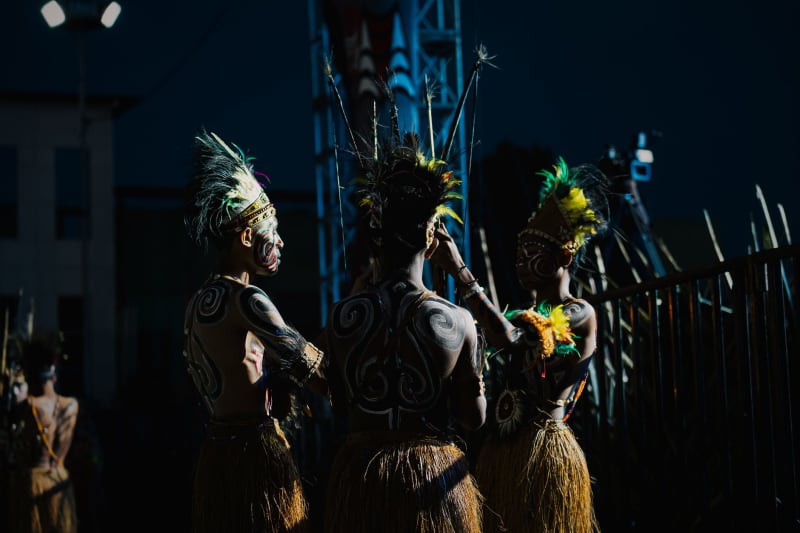 papua-new-guinea
 Tufi
A remote Oro Province coastline where drowned river valleys have become fjords, and the reef below them is virtually untouched.
Explore