Madang
"Everyone told me Madang was the prettiest town in the Pacific. I'm annoyed to report they were right."
A lagoon-fringed coastal town so often called the prettiest in the Pacific that I arrived skeptical and left agreeing completely.
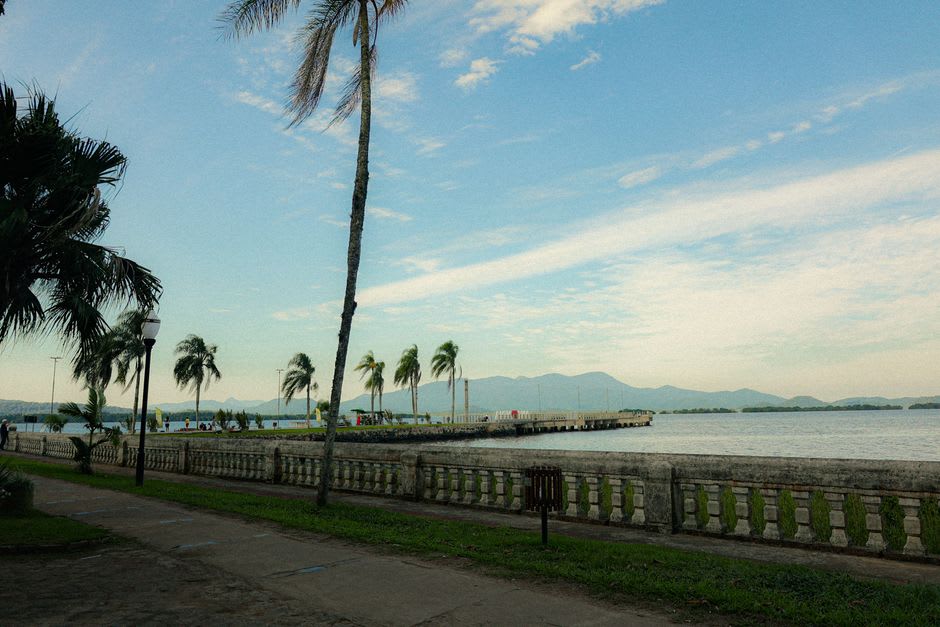
Every second person I met on my way through PNG told me the same thing, with the same slightly proprietary tone: Madang is the prettiest town in the Pacific. I’d heard that superlative attached to enough places by enough confidently wrong people that I discounted it almost entirely, which made it more disarming when I got off the plane, walked five minutes toward the water, and found myself agreeing without reservation. The town sits on a peninsula wrapped by a lagoon so still and so clear that the outrigger canoes crossing it in the late afternoon look like they’re gliding on glass rather than water.
The old German and Australian colonial buildings along the harbor front — a scattering of them survived the war better than most of PNG’s coastal towns did — give Madang a slightly different visual texture than Wewak or Alotau, more park than port, with rain trees shading the promenade and a botanical garden a short walk from downtown that I wandered through for an entire unplanned afternoon, getting lost among orchids and butterfly-attracting shrubs and one particularly enormous strangler fig that had swallowed whatever tree it started on decades ago.
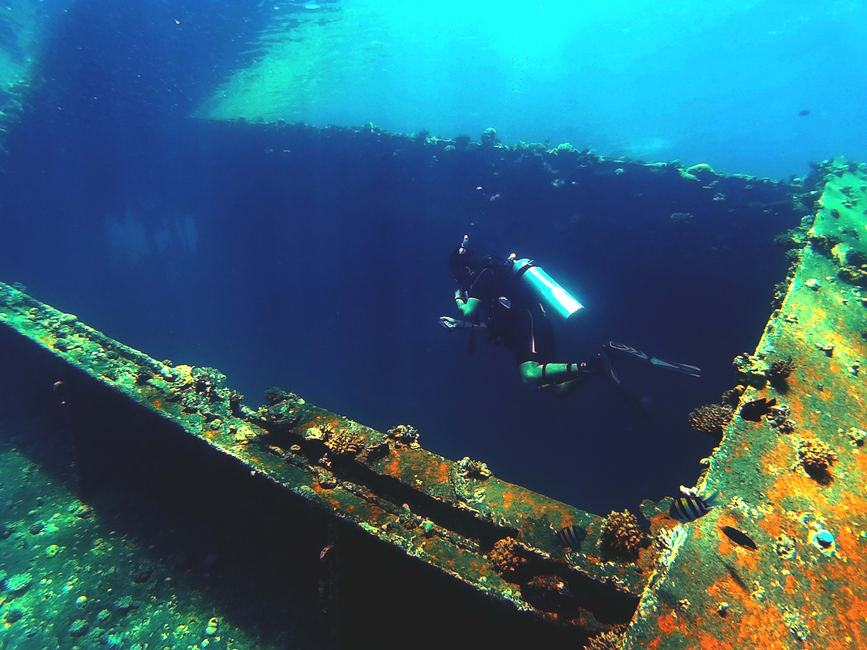
Diving is the other reason people linger here longer than planned. The reefs and wrecks off Madang — including several sunken WWII vessels and aircraft in shallow, accessible water — are well known among divers but somehow still uncrowded. I did a wreck dive on a Japanese freighter resting upright in about 20 meters, its hull now a coral garden in its own right, schools of fusiliers moving through the wheelhouse like they owned it, which by now, honestly, they do.
I ate dinner most nights at a small waterfront place run by a Madang family, mud crab in coconut broth one evening, grilled trevally with greens the next, always with a view of the lagoon turning from blue to pink to black as the evening went on. It’s the kind of quiet that makes you reconsider your whole travel pace.
When to go: May through October offers calmer seas, better diving visibility, and the most reliable weather. Madang is well connected by air from Port Moresby, Lae, and Wewak, making it an easy add to a broader north coast itinerary.
Keep exploring
More from Papua New Guinea
 papua-new-guinea
 Manus Island
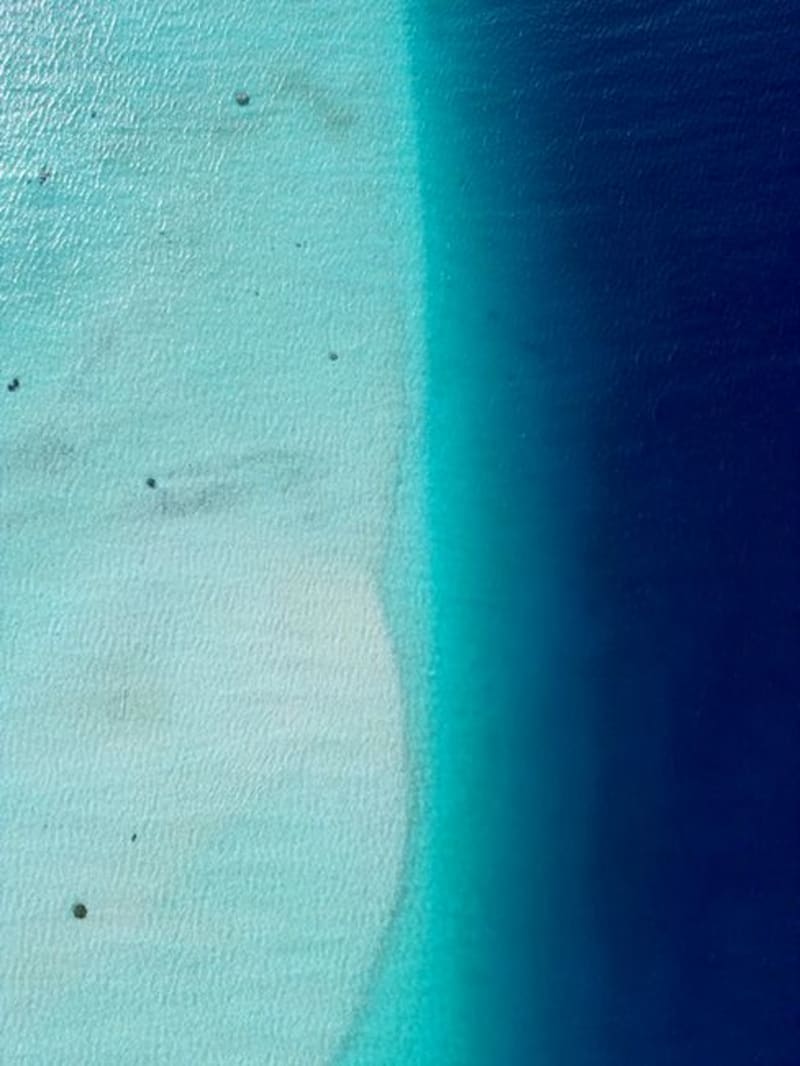
A remote Admiralty Islands outpost with a heavy modern history, ringed by lagoons and reefs that most of the world never hears about.
Explore papua-new-guinea
 Mount Hagen
The commercial hub of the Western Highlands, where a Saturday market draws clans from five surrounding valleys and the air smells of earth and raw coffee.
Explore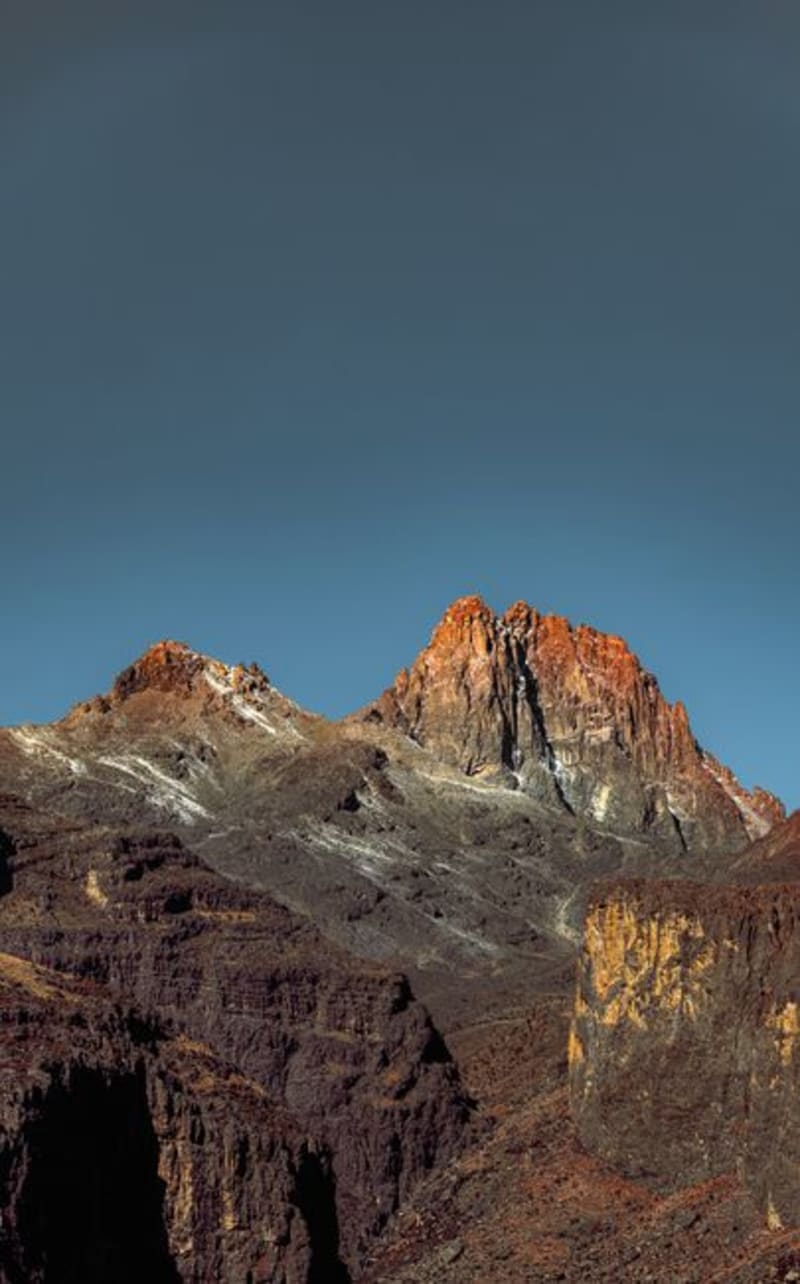 papua-new-guinea
 Mount Wilhelm
PNG's highest peak, a brutal overnight climb through cloud forest and alpine grassland that rewards you with a sunrise view of two oceans at once.
Explore papua-new-guinea
 Port Moresby
A capital that doesn't seduce you so much as challenge you to look past the chaos and find the city that actually exists beneath it.
Explore papua-new-guinea
 Rabaul
A town that a volcano half-buried in 1994 and that continues to exist anyway, surrounded by a caldera so vast you drive inside it without realising.
Explore papua-new-guinea
 Sepik River
A vast brown waterway where the crocodile is not just an animal but the founding creature of the universe, according to the people who have lived here since before writing existed.
Explore