Lae
"Lae gets called PNG's industrial city like that's the whole story. It isn't."
PNG's busiest port city, where a wartime airstrip and a botanical garden full of rare orchids sit a few blocks apart from each other.
Everyone who’d been to Lae before me described it the same way: PNG’s second city, its industrial heart, the port everything moves through on its way somewhere else. All true, and all a little unfair, because it undersells a place that I found more interesting than its reputation suggested. Lae sits at the mouth of the Markham River on the Huon Gulf, ringed by mountains that stay wrapped in cloud most mornings, and the working port energy — container cranes, PMV buses honking through roundabouts, market vendors calling out prices — gives it a texture closer to a real, lived-in city than the more curated feel of some tourist-facing towns elsewhere in the country.
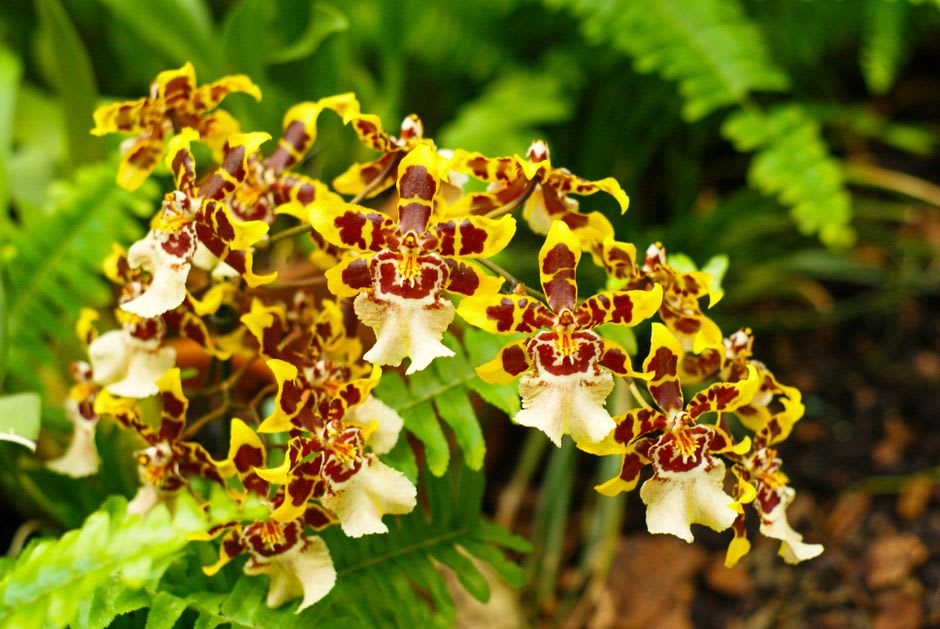
The Lae Botanical Gardens, tucked improbably close to downtown, hold one of the most significant orchid collections in the Pacific — PNG has somewhere around 3,000 native orchid species, more than almost anywhere on Earth, and a good chunk of that diversity is represented here in a shaded, quiet compound that felt like stepping into a different climate entirely. I spent two hours wandering paths lined with orchids I couldn’t begin to name, watched over by a groundskeeper who clearly loved his job and kept stopping me to point out specimens I’d have walked straight past.
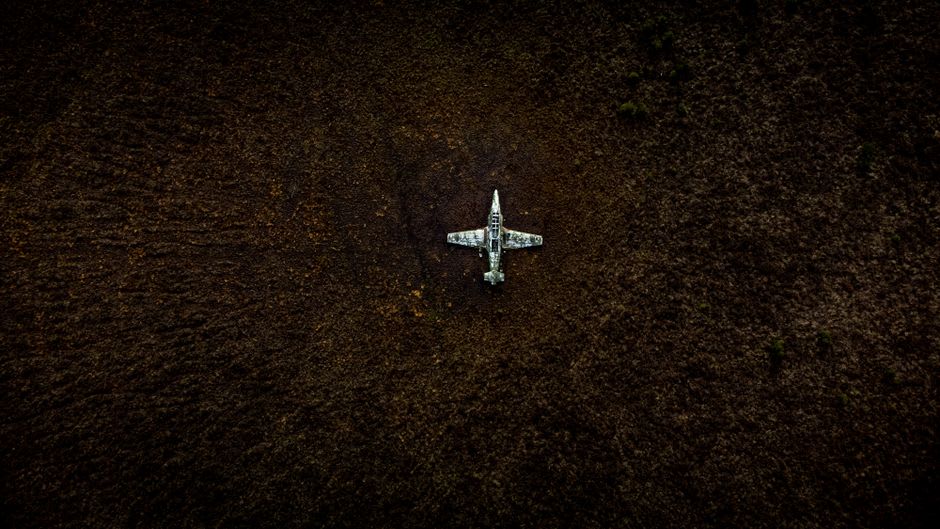
Lae’s WWII history runs deep — it was a major Japanese air base and later a critical Allied staging point, and Amelia Earhart took off from Lae’s airstrip on the last leg of her flight before she disappeared over the Pacific in 1937, a fact the town commemorates quietly rather than turning into a spectacle. The old wartime airstrip is still visible, folded now into the modern airport’s surroundings, and standing near it gave me a strange, quiet jolt I hadn’t expected from what I’d assumed was just a transit stop.
I ate well in Lae, better than expected — a proper Malaysian-run noodle shop near the market did a laksa that undid three days of instant coffee and biscuits in one sitting, and I went back twice.
When to go: Lae is workable year-round as a transit hub, but May through October brings the driest, most pleasant weather for exploring on foot. It’s PNG’s main gateway to the Highlands Highway and a common jumping-off point for Wau and the Huon Peninsula.
Keep exploring
More from Papua New Guinea
 papua-new-guinea
 Madang
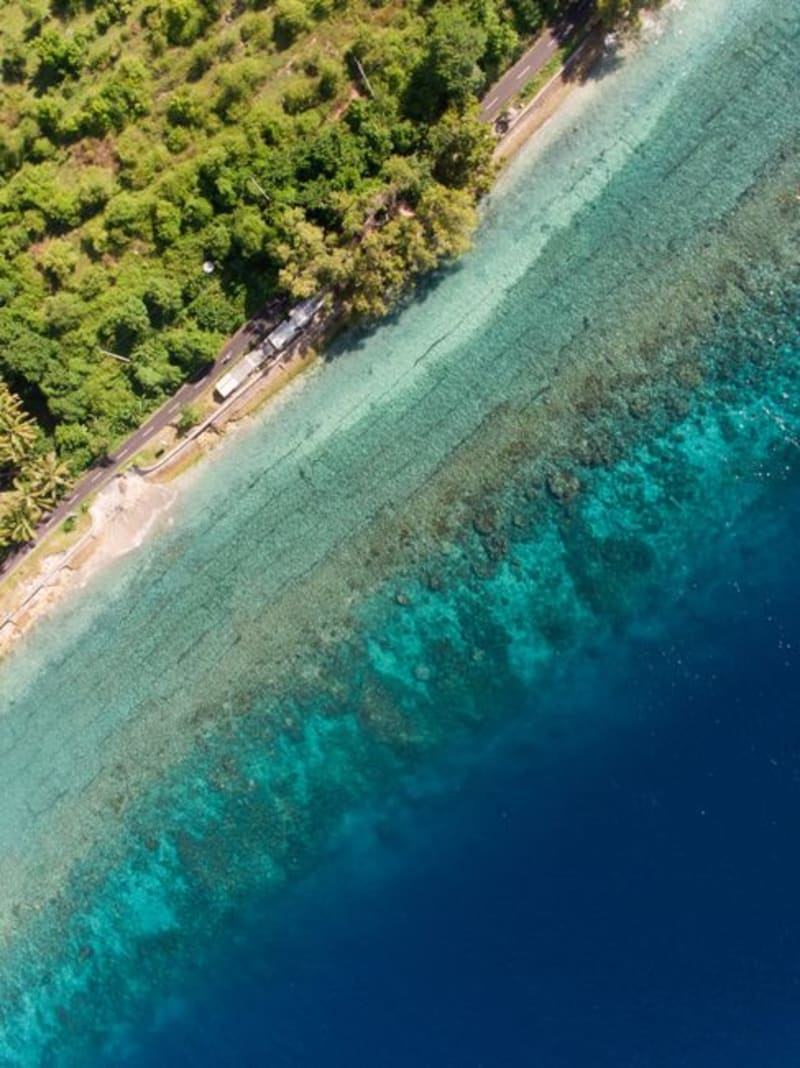
A lagoon-fringed coastal town so often called the prettiest in the Pacific that I arrived skeptical and left agreeing completely.
Explore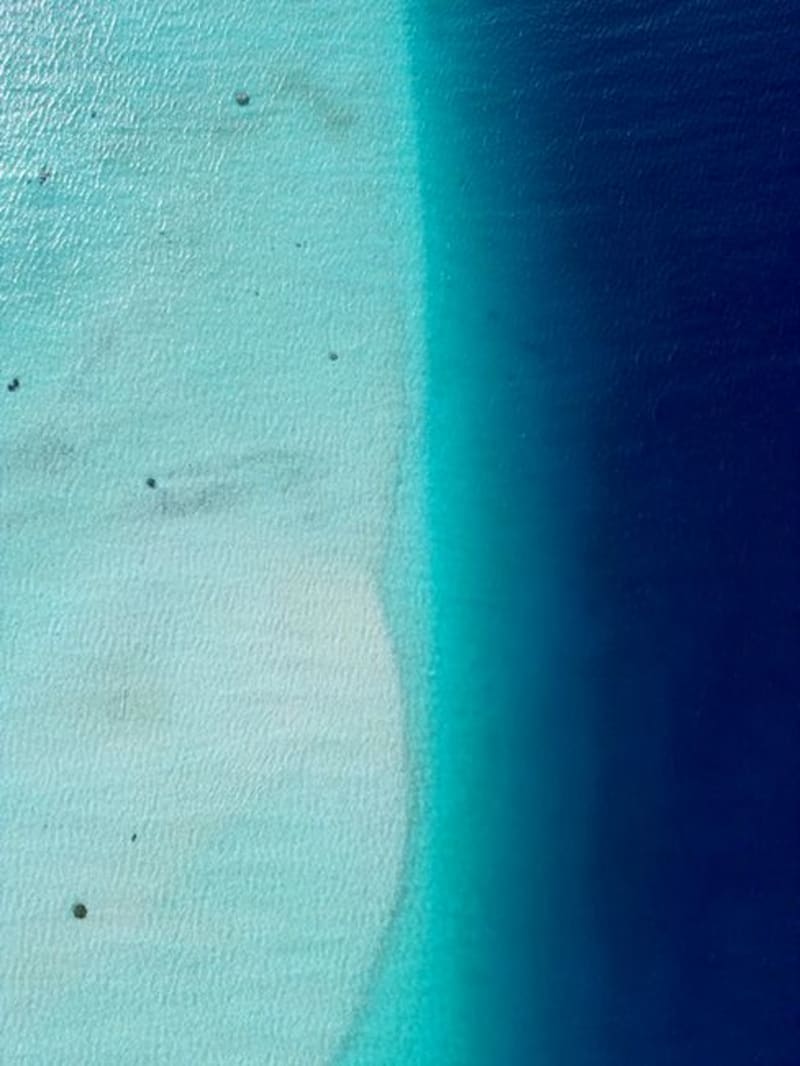 papua-new-guinea
 Manus Island
A remote Admiralty Islands outpost with a heavy modern history, ringed by lagoons and reefs that most of the world never hears about.
Explore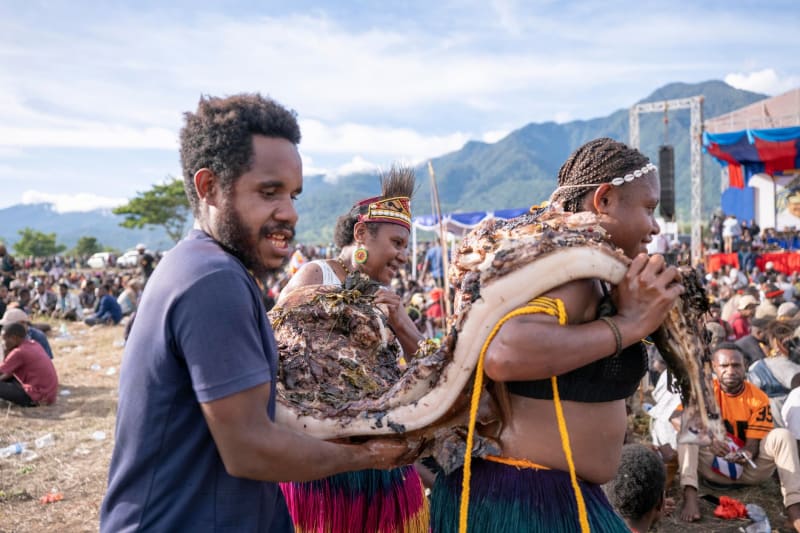 papua-new-guinea
 Mount Hagen
The commercial hub of the Western Highlands, where a Saturday market draws clans from five surrounding valleys and the air smells of earth and raw coffee.
Explore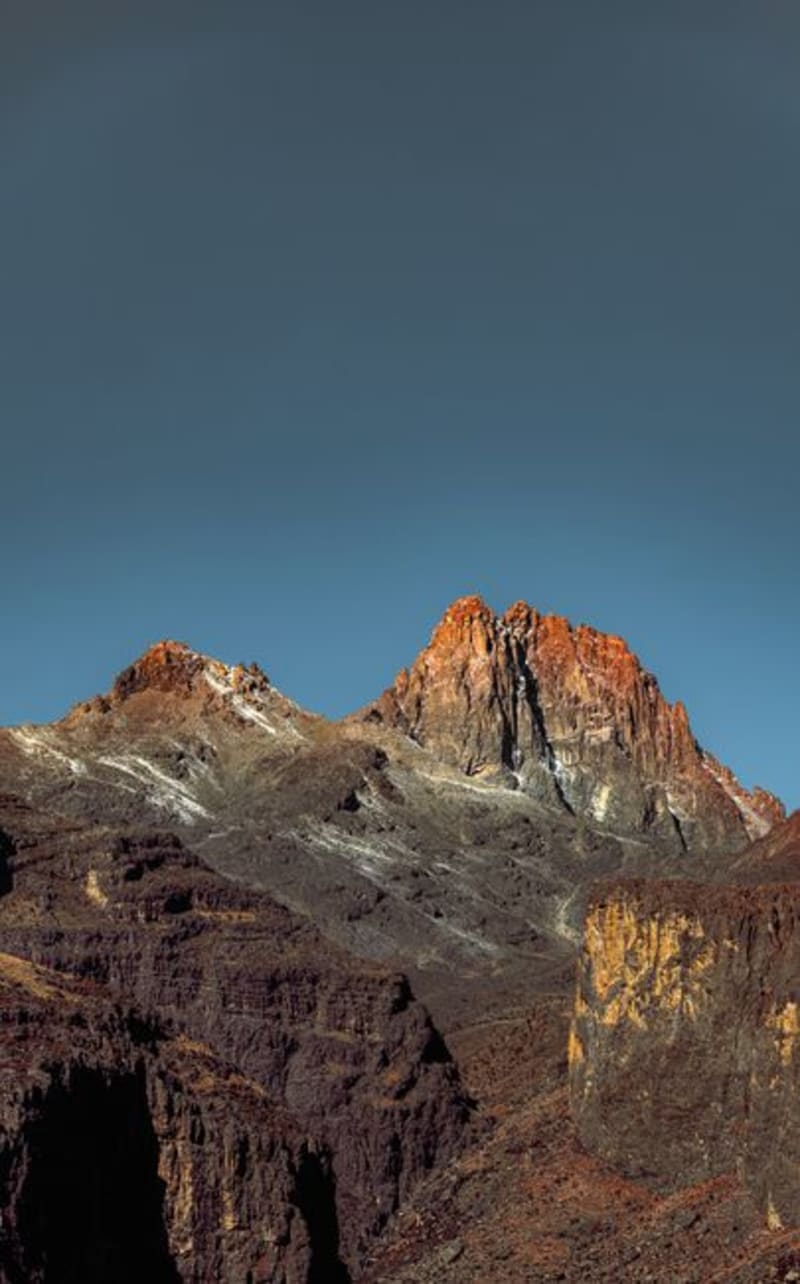 papua-new-guinea
 Mount Wilhelm
PNG's highest peak, a brutal overnight climb through cloud forest and alpine grassland that rewards you with a sunrise view of two oceans at once.
Explore papua-new-guinea
 Port Moresby
A capital that doesn't seduce you so much as challenge you to look past the chaos and find the city that actually exists beneath it.
Explore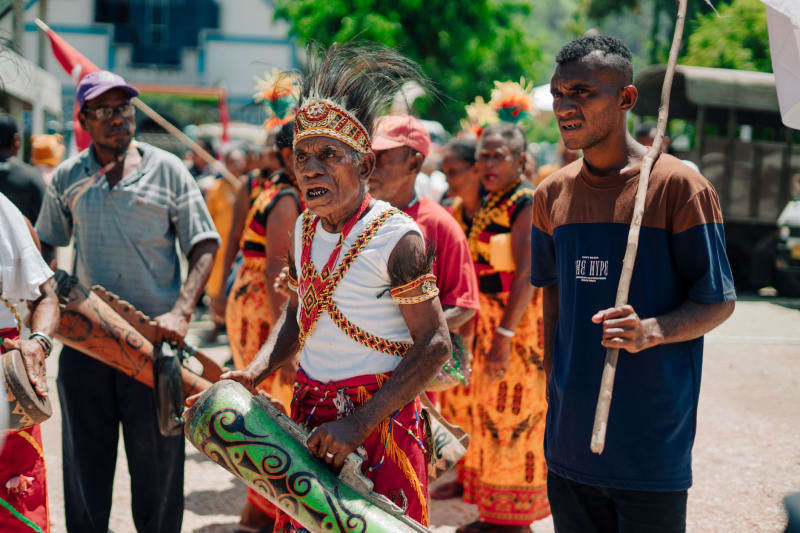 papua-new-guinea
 Rabaul
A town that a volcano half-buried in 1994 and that continues to exist anyway, surrounded by a caldera so vast you drive inside it without realising.
Explore