Karkar Island
"Karkar Island looks, from a distance, like a child's drawing of a volcano. Up close, it's a working farm that happens to sit on top of one."
A near-perfect volcanic cone rising out of the Bismarck Sea, its fertile slopes farmed in cocoa and copra by villages that rarely see an outsider.
I saw Karkar Island for two days before I ever set foot on it — its cone sat on the horizon during most of my time in Madang, an almost cartoonishly symmetrical volcano rising straight out of the sea, and I finally arranged passage on a small cargo boat that made the crossing a few times a week, sharing deck space with sacks of copra and a family transporting a very unimpressed pig.
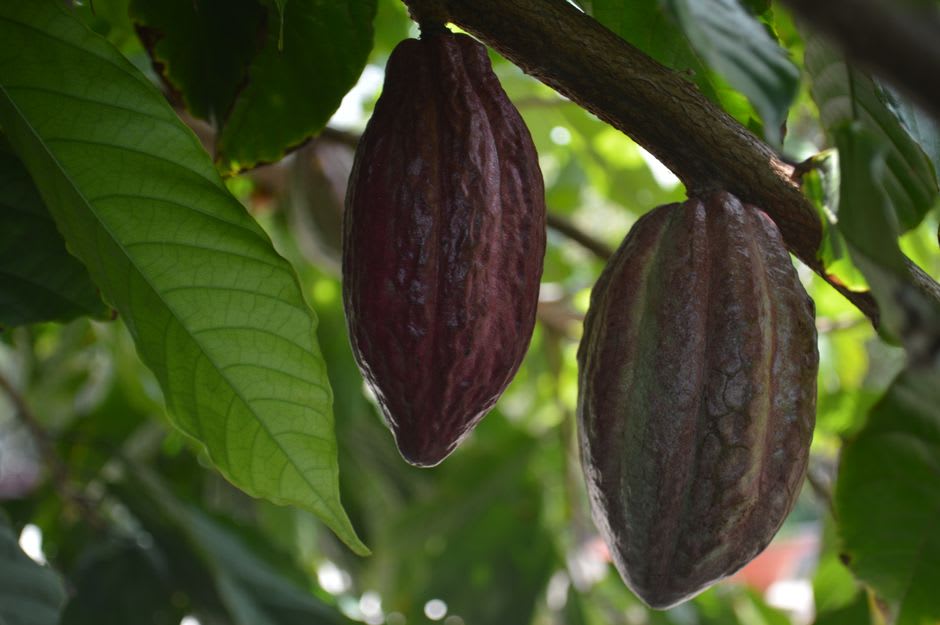
The island is intensely fertile, its volcanic soil supporting some of PNG’s most productive cocoa and copra plantations, and the boat ride in gave way, once ashore, to a landscape of orderly plantation rows climbing the lower slopes before giving way to genuine forest higher up. I spent a morning walking through a cocoa plantation with a farmer who split pods open for me on the spot, letting me suck the sweet white pulp off the beans before they ever saw a fermentation box — a completely different substance from anything resembling chocolate, tart and fruity in a way that surprised me.
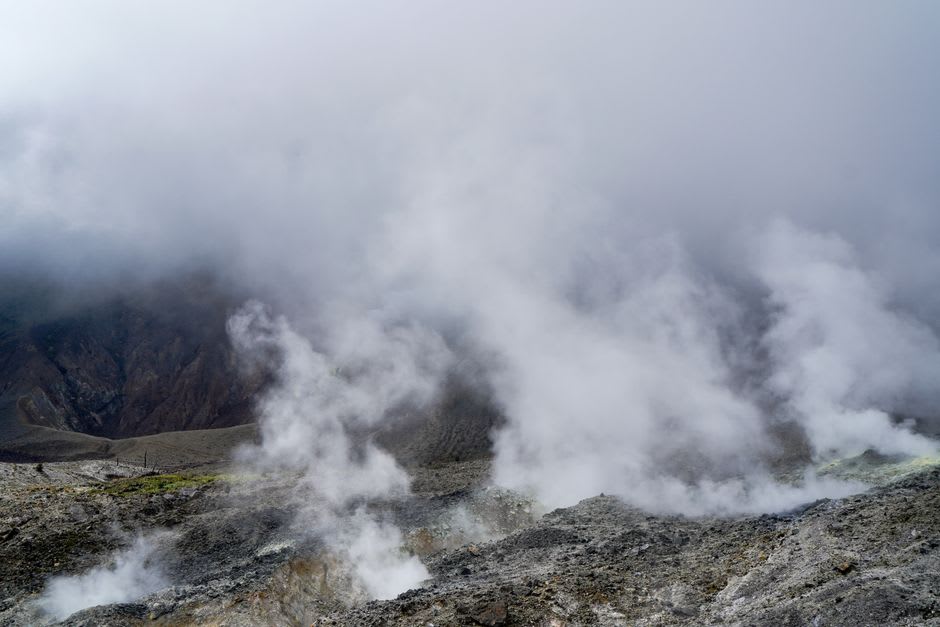
Karkar’s volcano is very much active — it last erupted seriously in the 1970s, and the two craters at its summit are still monitored, though most of the mountain now wears a deceptive coat of thick rainforest that makes it easy to forget what’s underneath. I didn’t attempt the summit, which requires a serious multi-day trek and local permission that takes time to arrange, but I got close enough on a shorter walk to see steam vents threading up through the trees, a quiet reminder of what the island actually is.
I stayed two nights with a family near the small port, sleeping in a spare room and eating whatever the garden and the sea provided that day — grilled parrotfish one night, a green vegetable stew the next — and left feeling like I’d gotten a rare, unfiltered glimpse of ordinary Papua New Guinean village life, precisely because nothing about the visit had been arranged with a visitor in mind.
When to go: May through October offers the calmest sea crossing from Madang. Boat schedules are informal and weather-dependent, so allow extra days on either end and expect to arrange onward transport locally rather than in advance.
Keep exploring
More from Papua New Guinea
 papua-new-guinea
 Kavieng
A laid-back New Ireland fishing town where world-class waves break over reef passages and nobody seems to be in any hurry to tell you about it.
Explore papua-new-guinea
 Kimbe Bay
A volcanic bay in West New Britain that marine biologists consider one of the most biodiverse coral reef systems on the planet.
Explore papua-new-guinea
 Kokoda Track
A 96-kilometre jungle trail over the Owen Stanley Range where the WWII dead and the tropical undergrowth share every metre of ground.
Explore papua-new-guinea
 Lae
PNG's busiest port city, where a wartime airstrip and a botanical garden full of rare orchids sit a few blocks apart from each other.
Explore papua-new-guinea
 Madang
A lagoon-fringed coastal town so often called the prettiest in the Pacific that I arrived skeptical and left agreeing completely.
Explore papua-new-guinea
 Manus Island
A remote Admiralty Islands outpost with a heavy modern history, ringed by lagoons and reefs that most of the world never hears about.
Explore