Alotau
"The town that stopped the Japanese advance in 1942 now spends its mornings selling betel nut and buai leaves at the market."
A quiet harbor town at the foot of Milne Bay's rainforested hills, where a decisive WWII battle is remembered mostly in coconut groves and canoe festivals.
I came to Alotau by ferry from the Trobriands, arriving at dawn into a harbor so still it looked painted, the water holding a perfect mirror image of the hills behind town. Milne Bay Province gets a fraction of the visitors that the Highlands or the Sepik draw, and Alotau, its provincial capital, has a correspondingly unhurried feel — a single main street, a produce market that spills onto the sidewalk by seven in the morning, and a harbor full of small wooden boats painted in colors that seem chosen specifically to argue with the grey sky some mornings bring.
What most people don’t know when they arrive, and what I didn’t know either, is that Alotau is where Allied forces handed Japan its first land defeat of the Pacific War in 1942, at Milne Bay — a battle that gets a fraction of the attention Kokoda receives but was, by most historians’ accounts, at least as consequential. There’s a small memorial park on the edge of town, quiet and largely unvisited, with plaques listing regiments and dates in a way that felt almost startlingly modest given what happened here.
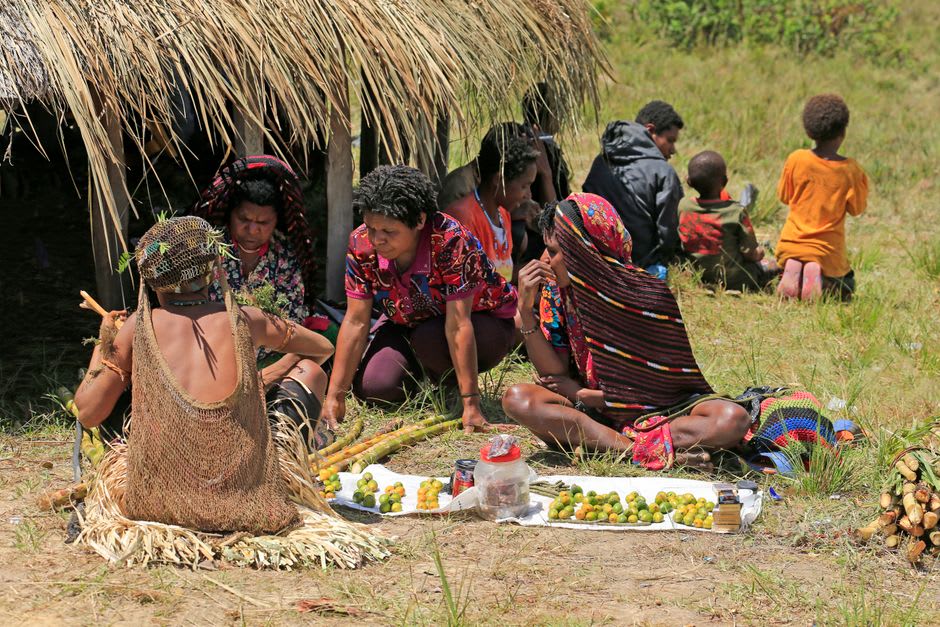
The town comes alive every November for the Kenu and Kundu Festival, a celebration of traditional outrigger canoes and drumming that draws paddlers from villages across the bay’s islands. I wasn’t there for festival season but caught the tail end of the preparations — men sanding down a newly carved kenu hull under a mango tree, arguing amiably about whether the balance was right, while kids ran laps around them pretending to paddle invisible canoes of their own.
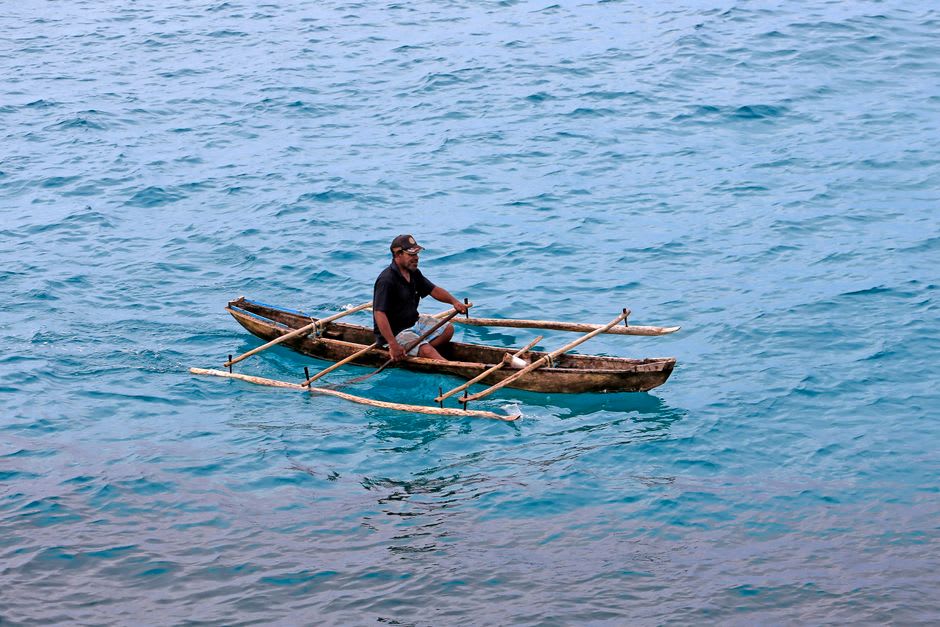
I spent an afternoon on a longboat out to one of the bay’s smaller islands, snorkeling a reef that dropped off into blue nothing a few strokes from shore, then eating grilled reef fish on the beach with a family who ran the boat as a side business between fishing trips. Nobody rushed anything. It was the kind of day that makes the whole idea of an itinerary feel a little absurd.
When to go: May through October is driest, and November brings the Kenu and Kundu Festival if you want Alotau at its most alive. Ferries and flights connect from Port Moresby; onward boats to the bay’s outer islands run more reliably in calm-sea months.
Keep exploring
More from Papua New Guinea
 papua-new-guinea
 Goroka
A highland town where, every September, fifty tribes arrive in feathers and face paint to remind the world they still exist.
Explore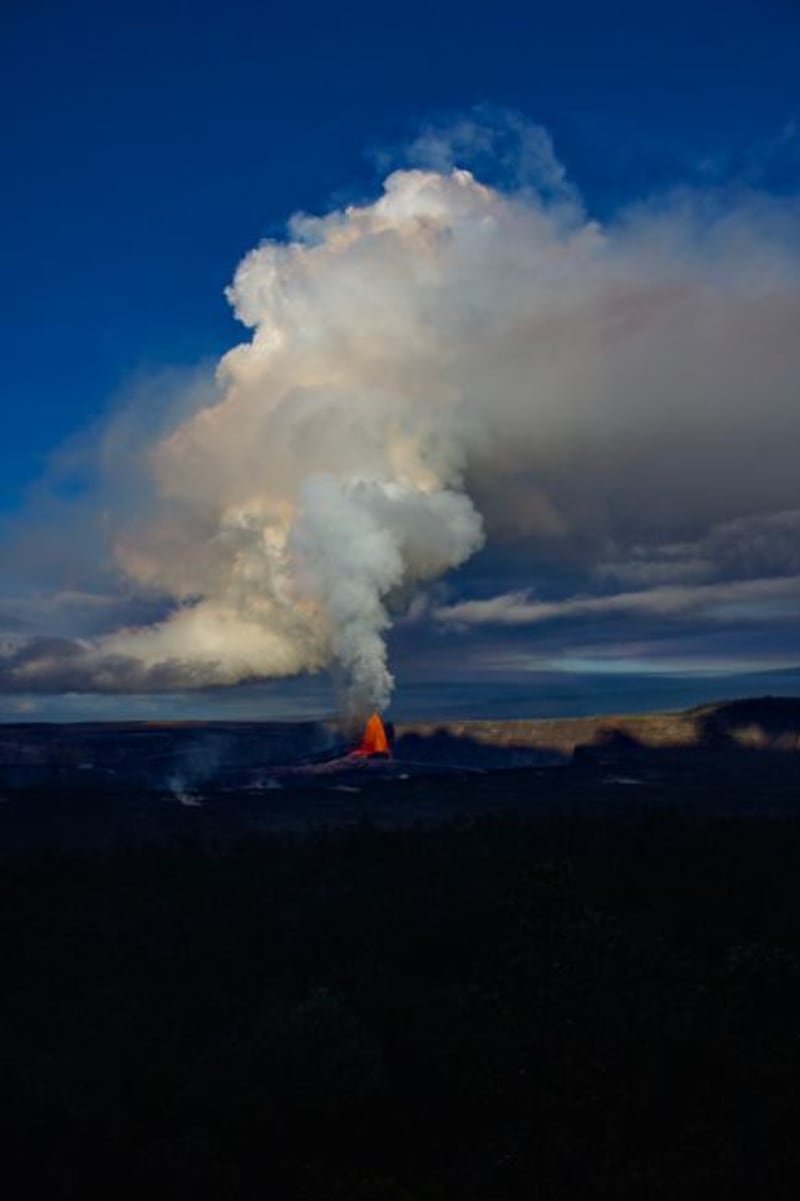 papua-new-guinea
 Karkar Island
A near-perfect volcanic cone rising out of the Bismarck Sea, its fertile slopes farmed in cocoa and copra by villages that rarely see an outsider.
Explore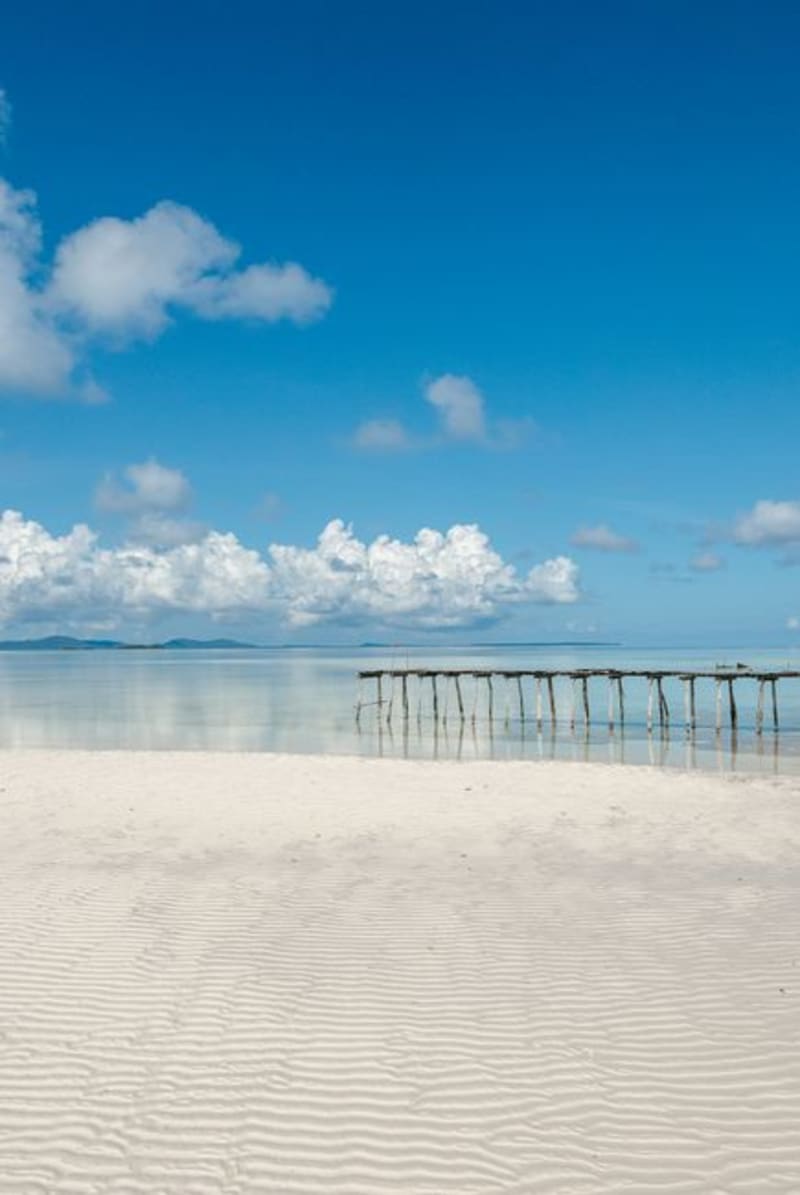 papua-new-guinea
 Kavieng
A laid-back New Ireland fishing town where world-class waves break over reef passages and nobody seems to be in any hurry to tell you about it.
Explore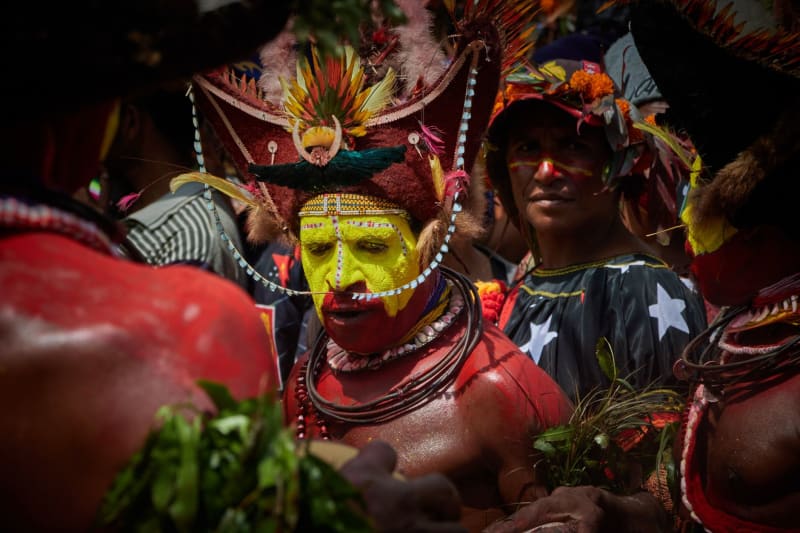 papua-new-guinea
 Kimbe Bay
A volcanic bay in West New Britain that marine biologists consider one of the most biodiverse coral reef systems on the planet.
Explore papua-new-guinea
 Kokoda Track
A 96-kilometre jungle trail over the Owen Stanley Range where the WWII dead and the tropical undergrowth share every metre of ground.
Explore papua-new-guinea
 Lae
PNG's busiest port city, where a wartime airstrip and a botanical garden full of rare orchids sit a few blocks apart from each other.
Explore