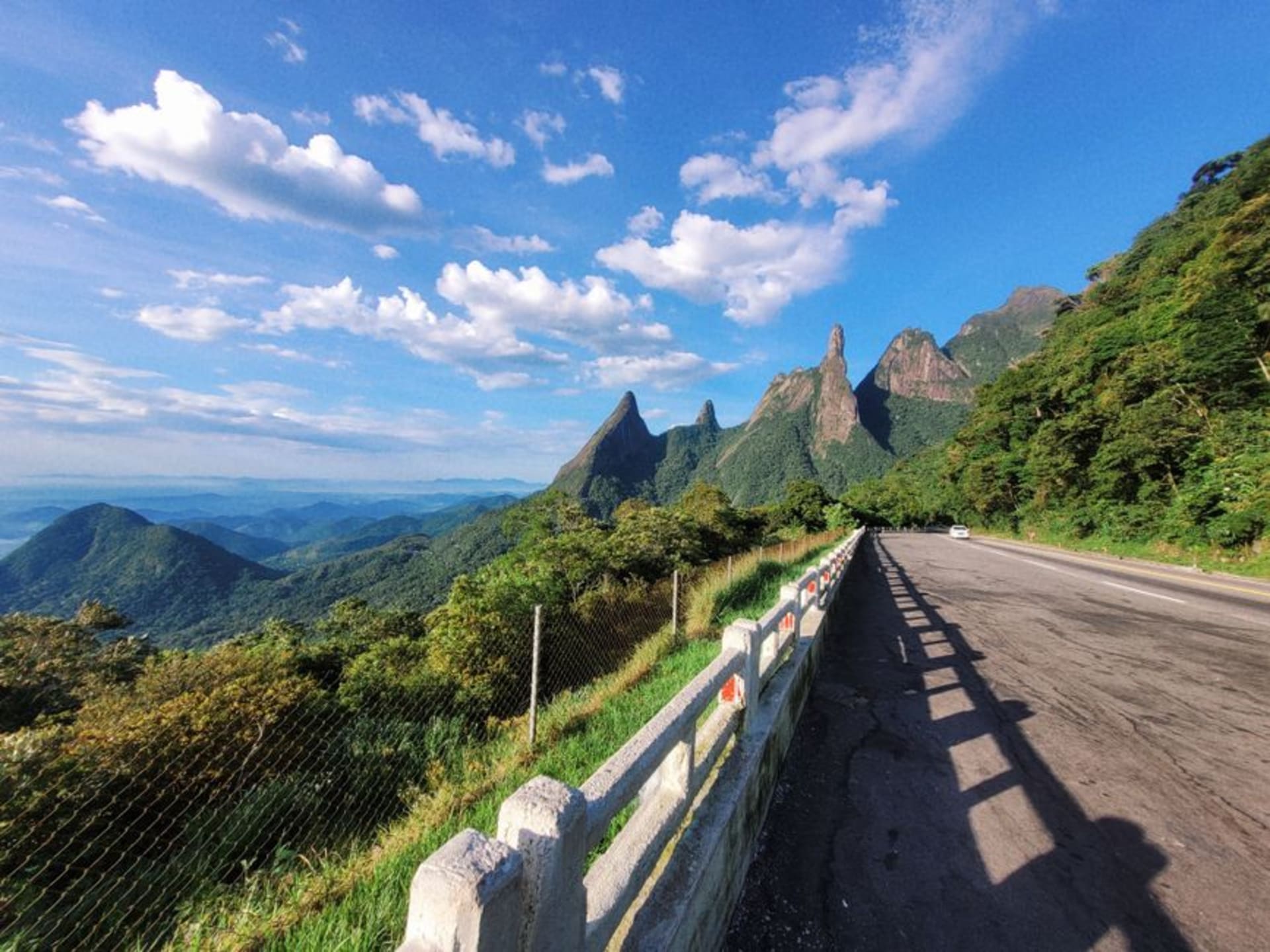
Serra do Amolar
"The Pantanal is flat until, suddenly, it isn't — and that's where I fell in love with it."
A wall of forested peaks rising straight out of the Pantanal's flooded plains, reachable only by boat and guarded by giant otters and jaguars.
We’d been on the boat for almost six hours out of Corumbá, tracing the brown ribbon of the Paraguay River south toward Bolivia, when the mountains appeared. Lia saw them first — she nudged me and pointed at a smudge of blue-green on the horizon that didn’t belong in a landscape this flat. I’d read about Serra do Amolar before we left, a mountain range that just erupts out of the world’s largest wetland, but reading about it and watching it grow taller and more improbable with every kilometer of river are two very different things. By the time we cut the engine near Acurizal, the peaks were towering over us, forest-dark and completely silent except for birds.
There’s no road here. That’s the whole point. The roughly 272,000 hectares of protected land — a national park stitched together with private reserves like the Acurizal RPPN where we stayed — exist precisely because almost nobody can get to them except by river. Our guide, a quiet man named Edmar who’d grown up working these reserves, told us over coffee that entire sections of the Serra remain unstudied, too steep and too remote for anyone to have properly mapped what lives there. I’d traveled a fair amount by then, but I’d rarely felt like I was somewhere so genuinely off the record.
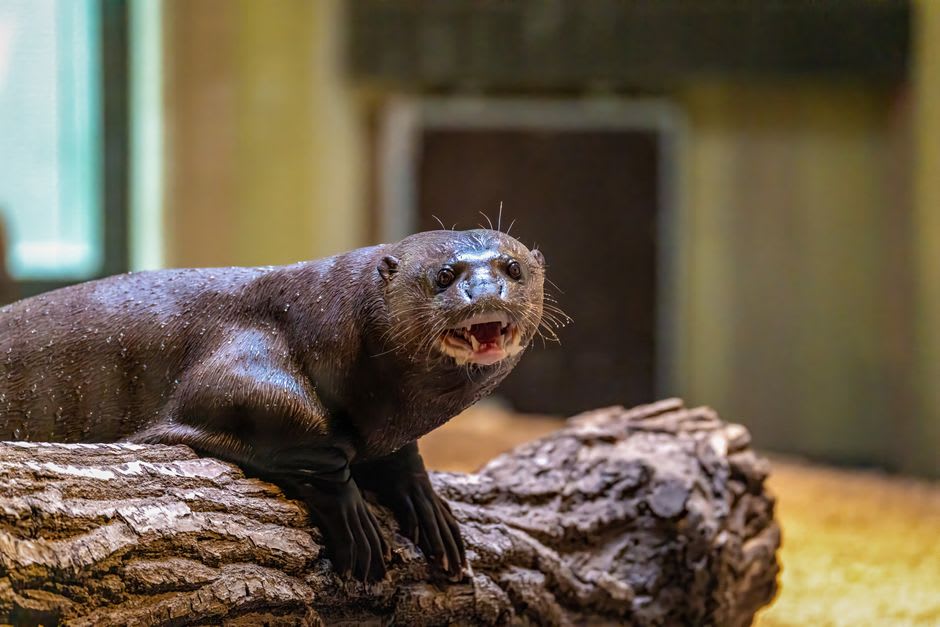
The wildlife justified every mosquito bite. On our second morning we drifted down a side channel at dawn and came across a family of giant otters working the water together, chirping and rolling like they owned the place — which, honestly, they did. Edmar cut the motor and let us float for what felt like twenty minutes. Later that same day, from a lookout point above Acurizal, he spotted a jaguar print in the mud that couldn’t have been more than a few hours old, and I remember feeling my stomach drop a little, half fear, half pure excitement. We never saw the cat itself, but a lowland tapir crashed through the underbrush near camp that evening, close enough that Lia grabbed my arm.
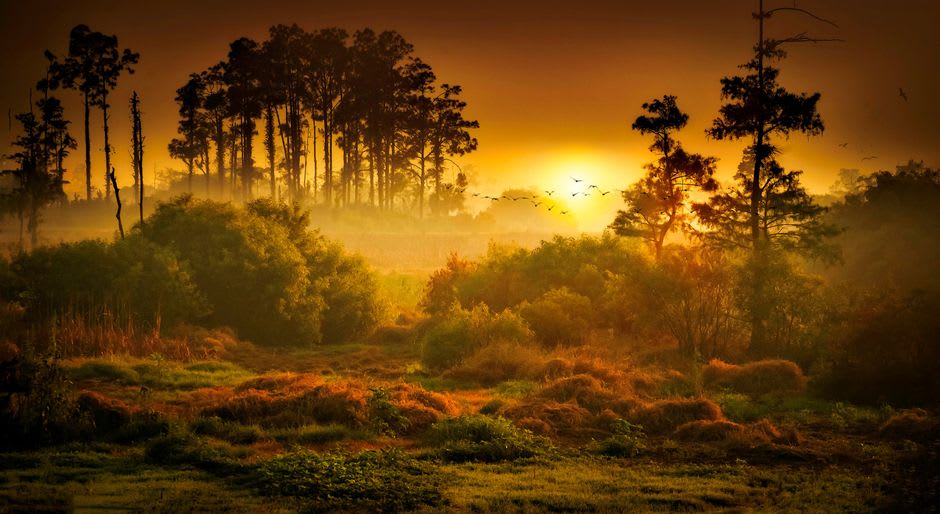
What stays with me isn’t any single sighting, though — it’s the contrast. Everywhere else in the Pantanal, the land dissolves into water in every direction, and then here, this wall of stone and forest just refuses to. Standing on the deck of Acurizal’s lodge at sunset, watching the light turn the slopes copper while herons streamed past below us, I understood why Brazil’s environment ministry flags this place as a conservation priority. It’s not just beautiful. It’s a refuge, in the most literal sense, for species that have nowhere else quite like it to go.
When to go: Aim for the dry season, from June to September, when the river is navigable enough to reach Acurizal comfortably and the animals concentrate near the remaining water sources, making sightings far more likely.